
Damage Restoration in DeWitt, IA
- Damage Restoration Services Overview
- Common Damage Restoration Issues in DeWitt, Iowa
- Neighborhoods We Serve in DeWitt
- Seasonal Damage Patterns in DeWitt
- Housing Characteristics & Restoration Considerations
- Environmental Conditions & Damage Implications
- What DeWitt Homeowners Should Expect from the Restoration and Insurance Process
Damage Restoration Services Overview
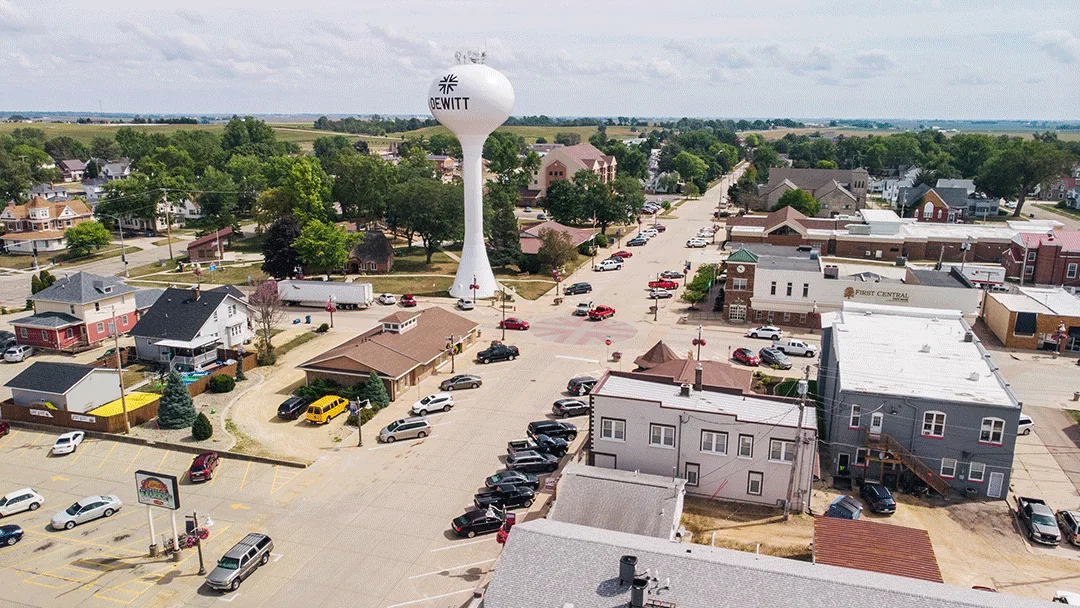
DeWitt sits roughly halfway between the Wapsipinicon River and the Mississippi, a stretch of Clinton County where spring runoff, saturated clay soils, and aging drain tile combine to put water where homeowners never planned for it. Many DeWitt basements were dug before modern waterproofing membranes existed, which is why a single overnight thunderstorm can mean inches of standing water on a finished lower level.
Restoration companies serving the 52742 area - including national providers like SERVPRO and regional specialists such as Werner Restoration - handle a connected set of problems that rarely arrive alone:
- Water Damage Restoration - extraction, structural drying, and moisture mapping after burst pipes, appliance failures, or roof leaks
- Flooded Basement - pump-out, content handling, and drying of block or poured foundation walls
- Sewage Cleanup - removal of contaminated material, disinfection, and safe disposal after backups
- Fire Damage Restoration - debris removal, structural cleaning, and rebuilding of damaged assemblies
- Smoke Damage Restoration - soot removal from surfaces, HVAC systems, and porous contents plus odor treatment
- Mold Removal - containment, removal of colonized materials, and correction of the moisture source
The benefit of one team handling all six is continuity. A basement flood that goes unaddressed becomes a mold problem in weeks; a house fire leaves behind extinguishing water that must be dried before smoke odor work begins.
Common Damage Restoration Issues in DeWitt, Iowa
DeWitt's location on gently rolling farmland with heavy glacial till soils shapes nearly every water-related call restoration crews receive.
Local Causes of Damage
- Slow-draining clay soil - water pools against foundation walls instead of percolating away, pushing through cracks and cold joints
- Heavy summer downpours - Iowa's convective storms can drop two or more inches in an hour, overwhelming gutters, window wells, and municipal storm capacity
- Sump pump failure - power outages during the same storms that create the water load
- Frozen and burst supply lines - unheated crawl spaces, garages, and exterior wall plumbing during January cold snaps
- Sewer backups - older clay laterals invaded by tree roots, plus surcharged mains during extreme rain
- Heating and cooking fires - wood stoves, space heaters, and kitchen incidents concentrated in the colder months
- Agricultural dust and rural burning - contributes to smoke and particulate concerns in outlying properties
Warning Signs Worth Acting On
- Efflorescence - a chalky white residue - on basement block walls
- A musty smell that intensifies when the furnace or AC cycles on
- Floor tile lifting or baseboard swelling along one wall
- Gurgling floor drains or slow tub drainage, both early sewer backup indicators
- Persistent smoke odor after a small fire, especially in closets and upholstery
- Dark staining at rim joists or the base of finished basement walls
Most of these signals appear days or weeks before visible damage. Documenting them with photos helps both the restoration crew and the insurance adjuster.
Neighborhoods We Serve in DeWitt
Coverage extends across the city and into the surrounding Clinton County communities that share the same soils, storm patterns, and utility infrastructure.
- Downtown DeWitt and the historic blocks near 6th Avenue and 11th Street
- Established residential streets surrounding Central DeWitt schools and Westbrook Park
- Newer subdivisions on the north and east edges of town near Highway 61
- Properties along the Highway 30 corridor, including small businesses and light commercial buildings
- Rural acreages and farmsteads in DeWitt Township with private wells and septic systems
Nearby service areas include Grand Mound, Welton, Delmar, Low Moor, Calamus, Wheatland, Bryant, Charlotte, Clinton, and Camanche. Rural addresses often need a slightly different approach - private septic and well systems add steps to sewage cleanup, and longer driveways affect equipment staging.
Seasonal Damage Patterns in DeWitt
Eastern Iowa's swings between deep freeze and humid heat give each part of the year its own signature restoration problem.
- December - February: Frozen and burst pipes, ice dams pushing meltwater under shingles, and the year's highest volume of furnace, fireplace, and space heater fires. Smoke damage calls peak here because homes stay sealed tight.
- March - April: Snowmelt over still-frozen ground sends runoff straight toward foundations. Flooded basements and sump pump overload dominate. Thawing sewer laterals reveal root intrusions.
- May - July: Severe thunderstorms, derecho-type wind events, and flash flooding. Storm-driven water intrusion, roof damage, and sewer surcharge backups are common. Lightning-related fires also occur.
- July - September: Dew points in the seventies push indoor humidity up. Mold growth accelerates in basements, crawl spaces, and behind vinyl wallcoverings. Air conditioner condensate line clogs cause hidden ceiling and closet leaks.
- October - November: Heating systems restart, and dust burn-off or unserviced flues cause smoke incidents. Clogged gutters from leaf fall redirect water toward the foundation just before freeze-up.
Scheduling gutter cleaning, sump pump testing, and furnace inspection ahead of each shift prevents a large share of these calls.
Housing Characteristics & Restoration Considerations
DeWitt's housing stock spans well over a century, and the construction era of a home largely determines how a restoration project unfolds.
Common Construction Types
- Pre-1940 homes - balloon framing, limestone or brick foundations, plaster over wood lath, original wood floors
- Post-war ranches (1950s - 1970s) - concrete block basements, finished rec rooms, paneling over furring strips
- 1980s - 2000s two-stories - poured foundations, drywall, carpeted lower levels, forced-air HVAC
- Recent construction - tighter envelopes, engineered lumber, spray or blown insulation
- Rural farmhouses - additions of varying ages, stone cellars, outbuildings, and well/septic systems
How Age Affects the Work
- Balloon framing creates open wall cavities that let fire, smoke, and water travel between floors - crews must inspect well beyond the visible damage area.
- Plaster and lath holds moisture far longer than drywall, requiring extended drying or selective removal.
- Materials predating the late 1970s may contain asbestos or lead paint, which changes demolition procedures and testing requirements.
- Concrete block walls hold water inside their cores; drilling weep holes is often needed after a flooded basement.
- Finished lower levels with carpet pad, paneling, and stored belongings become mold reservoirs quickly once wet.
- Tight modern homes trap smoke odor and humidity, making HVAC cleaning and controlled dehumidification more important.
Environmental Conditions & Damage Implications
Clinton County's climate and geology set the conditions that restoration work has to fight against.
Climate Factors
- Annual precipitation in the mid-thirties of inches, with the heaviest amounts falling May through August
- Summer dew points frequently above 70 degrees, creating indoor relative humidity that supports mold without any leak at all
- Winter lows well below zero, driving frost deep enough to heave slabs and stress buried pipe
- Freeze-thaw cycling that widens foundation cracks year after year
Soil and Water
- Glacial till and clay-rich loam - low permeability, high shrink-swell potential, lateral hydrostatic pressure against basement walls
- Shallow bedrock in places - limits drainage depth and can create perched water tables
- Hard groundwater - mineral scale shortens the life of water heaters, supply lines, and appliance valves, a frequent source of indoor water losses
- Agricultural surroundings - runoff can carry fertilizer and organic material into floodwater, raising contamination categories
Air Quality Considerations
- Seasonal field dust, pollen, and occasional wildfire smoke drifting in from the north and west
- Elevated radon potential across eastern Iowa, which affects how basement air is managed during drying
- Combustion byproducts from older heating systems that compound smoke odor problems
These conditions mean drying targets in DeWitt often need dehumidification running longer than manufacturer minimums, and mold prevention depends as much on humidity control as on repairing the original leak.
What DeWitt Homeowners Should Expect from the Restoration and Insurance Process
The most stressful part of a loss is usually not the damage itself - it is not knowing what happens next or who pays for what. A reputable DeWitt contractor should explain each step before performing it and put findings in writing.
A Typical Project Sequence
- Emergency contact and dispatch - the situation is triaged by phone, and you are told what to shut off or avoid touching until crews arrive.
- On-site inspection - moisture meters, thermal imaging, and, where relevant, air or surface sampling establish the actual extent of damage.
- Documentation - photos, moisture readings, and a room-by-room scope are recorded for your insurer.
- Mitigation - extraction, pump-out, contaminated material removal, containment barriers, and antimicrobial application to stop damage from spreading.
- Structural drying - air movers and dehumidifiers placed by calculation, with daily readings logged until materials reach dry standard.
- Cleaning and deodorization - soot removal, HVAC cleaning, content restoration, and odor treatment for fire and smoke losses.
- Reconstruction - drywall, flooring, trim, cabinetry, and paint returning the space to pre-loss condition.
Questions Worth Asking Before Work Begins
- Will you provide daily moisture logs I can share with my adjuster?
- Is the crew certified for water, fire, and mold work through recognized industry training?
- Who communicates with my insurance company, and how are supplements handled?
- Which materials are being removed versus dried in place, and why?
- What will be done to correct the moisture source so the problem does not repeat?
- How will contents and belongings be inventoried and stored?
Iowa policies vary widely on sewer backup and groundwater coverage, so ask early whether your endorsement includes them. Clear scope, clear pricing structure, and honest answers about what is and is not covered give DeWitt households the footing to make good decisions during a difficult week.





