
Damage Restoration in North Liberty, IA
- Damage Restoration Services Overview
- Common Damage Restoration Issues in North Liberty, Iowa
- Neighborhoods We Serve in North Liberty
- Seasonal Damage Patterns in North Liberty
- Housing Characteristics & Restoration Considerations
- Environmental Conditions & Damage Implications
- 24/7 Emergency Response and the Restoration Timeline in North Liberty
Damage Restoration Services Overview
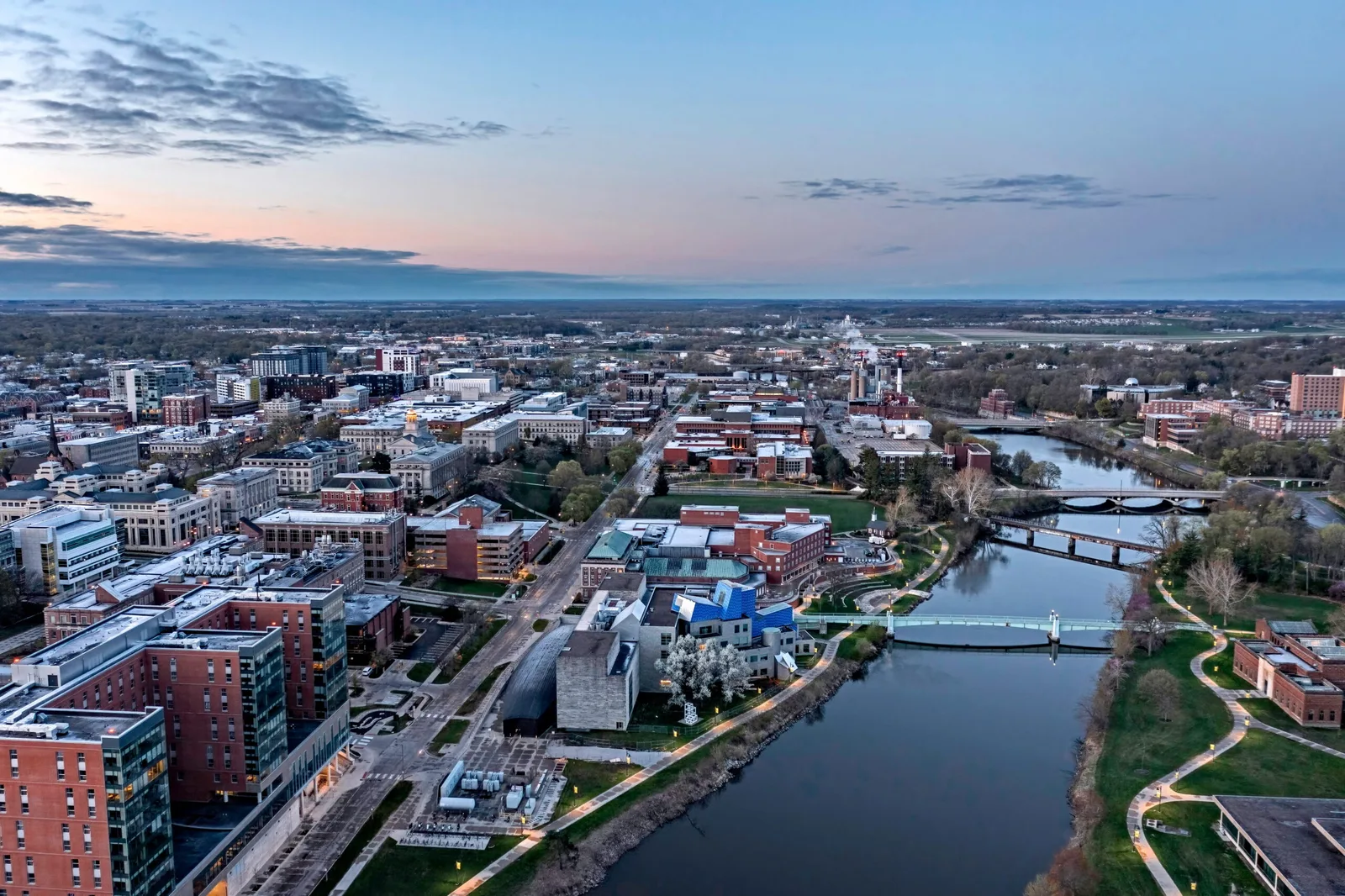
When water pours across a basement floor at 2 a.m. or smoke settles into every room after a kitchen fire, the fastest path back to normal starts with a trained crew and the right equipment. North Liberty homeowners and business owners have access to certified restoration firms - including local providers like Performance Restoration on Liberty Way, along with SERVPRO and Paul Davis teams - that answer calls around the clock.
Full-service restoration in North Liberty typically covers:
- Water Damage Restoration - extraction, structural drying, moisture mapping and monitoring after burst pipes, appliance failures or roof leaks
- Flooded Basement - pump-out, removal of saturated carpet pad and drywall, and drying of below-grade concrete and framing
- Sewage Cleanup - containment, removal of contaminated materials, antimicrobial treatment and disinfection of affected surfaces
- Fire Damage Restoration - debris removal, structural cleaning, contents inventory and rebuild coordination
- Smoke Damage Restoration - soot removal from walls and HVAC systems, thermal fogging and odor neutralization
- Mold Removal - containment barriers, HEPA filtration, affected material removal and moisture source correction
The benefit for local families is straightforward: faster drying limits secondary damage, documented moisture readings support insurance claims, and professional cleaning protects indoor air quality for everyone in the household.
Common Damage Restoration Issues in North Liberty, Iowa
North Liberty sits in the Clear Creek and Iowa River corridor between Coralville Lake and Iowa City, a setting that shapes the kinds of losses restoration crews see most often.
Frequent Causes of Damage
- Heavy spring and summer rainfall overwhelming sump pumps and window wells in newer subdivisions
- Frozen and burst supply lines in garages, crawl spaces and unheated bonus rooms during January cold snaps
- Sanitary sewer backups during intense storm events, pushing contaminated water into finished lower levels
- Failed water heaters, dishwashers and washing machine hoses - a leading cause of year-round water losses
- Kitchen grease fires and electrical faults, which spread smoke and soot far beyond the room of origin
- Hidden mold growth behind bathroom tile, under basement carpet and inside wall cavities that were never fully dried
Warning Signs Worth Acting On
- Musty odor that grows stronger when the basement door opens
- Efflorescence, chalky white staining or dark tide lines on foundation walls
- Buckling laminate, cupping hardwood or soft spots in subfloor near plumbing walls
- Sump pump running constantly, or not running at all, during rainfall
- Gurgling floor drains or slow basement fixtures - a common precursor to sewage backup
- Yellow-brown staining on ceilings and lingering smoke odor that returns on humid days
Catching any of these early usually means a smaller scope of work and fewer materials removed.
Neighborhoods We Serve in North Liberty
Restoration crews respond across the full footprint of North Liberty and the surrounding Johnson County communities.
- Central North Liberty - older ranch and split-level homes near Front Street, Penn Street and the original town grid
- Fox Run, Quail Creek and Liberty Ridge - established subdivisions with finished basements and mature landscaping
- Cardinal Pointe, Kinsington and Northgate - newer construction on the north and west sides
- Liberty Way and Highway 965 commercial corridor - offices, retail spaces and multi-tenant buildings
- Penn Meadows and areas near Liberty High School
- Surrounding communities - Coralville, Tiffin, Solon, Swisher, Oxford, Shueyville, Iowa City and the Coralville Lake area
Because a local dispatch point sits right in town, response times to North Liberty addresses stay short even during widespread storm events that stretch crews across the corridor.
Seasonal Damage Patterns in North Liberty
Winter (December - February)
- Frozen and burst pipes in exterior walls, garages and vacant rental units
- Ice dams forcing meltwater under shingles and into ceilings
- Heating equipment, space heater and fireplace fires with heavy smoke damage
Spring (March - May)
- Snowmelt combined with saturated ground driving basement seepage
- Peak season for flooded basements and sump pump failures
- Sewer backups during rapid, high-volume rainfall
Summer (June - August)
- Severe thunderstorms, derecho-style wind events and hail creating roof and water intrusion
- High dew points feeding mold growth in basements and crawl spaces
- Power outages that disable sump pumps and dehumidifiers
Fall (September - November)
- Clogged gutters redirecting water against foundations
- First furnace cycles releasing dust, odor and occasional smoke events
- Ideal window to inspect for hidden moisture before freezing weather
Housing Characteristics & Restoration Considerations
North Liberty has grown from a small town into one of Iowa's fastest-expanding communities, which means the housing stock spans several distinct eras - and each responds differently to water, fire and mold.
Older Core Homes (pre-1980)
- Block or poured foundations with limited waterproofing and older drain tile
- Plaster walls that hold moisture and soot longer than drywall
- Cast iron and clay sewer laterals prone to root intrusion and backups
- Possible asbestos-containing floor tile or insulation requiring testing before demolition
1990s - 2000s Subdivisions
- Finished basements with carpet, pad and framed walls that trap water against concrete
- Original sump pumps nearing the end of service life
- Attached garages where fires and vehicle-related smoke spread into living space
Recent Construction (2010 - present)
- Tight building envelopes that dry slowly without mechanical dehumidification
- Engineered wood flooring and MDF trim that swell quickly with water contact
- PEX plumbing with fittings that can fail at connections
- Egress windows and walkout designs that create additional entry points for surface water
How This Shapes the Work
- Moisture mapping identifies wet cavities behind finished surfaces before drying begins
- Selective removal of pad, base trim and lower drywall preserves as much material as possible
- Air movers and LGR dehumidifiers are sized to the structure, not guessed at
- Post-drying verification confirms materials reach dry standard before rebuild
Environmental Conditions & Damage Implications
Eastern Iowa's climate and soils play a direct role in how damage develops and how long restoration takes.
Climate Factors
- Humid continental climate with hot, muggy summers and sub-zero winter stretches
- Roughly 35 inches of annual precipitation, much of it in intense spring and summer storms
- Summer dew points regularly in the 60s and 70s - enough to sustain mold on damp basement materials
- Deep frost penetration that stresses buried lines and shallow plumbing runs
Soil and Groundwater
- Dense glacial till and clay-heavy soils that drain slowly and hold water against foundations
- Expansion and contraction cycles that open hairline foundation cracks
- Elevated water tables near Clear Creek, the Iowa River floodplain and low-lying lots
- Hydrostatic pressure pushing water through cove joints and floor cracks during wet periods
Water and Air Quality Effects
- Hard water common in the area, contributing to appliance scale and premature valve failure
- Agricultural dust and seasonal pollen that combine with soot to complicate post-fire cleaning
- Radon-prone geology, meaning basement work should account for existing mitigation systems
Practical Takeaways
- Grade soil away from the foundation and extend downspouts several feet from the wall
- Run a basement dehumidifier at a controlled setpoint from May through September
- Install a battery backup sump pump before storm season, not after a failure
- Replace rubber washing machine hoses with braided stainless steel
24/7 Emergency Response and the Restoration Timeline in North Liberty
Damage does not wait for business hours, and neither do local restoration teams. Certified firms based in North Liberty - including Performance Restoration at 740 Liberty Way, reachable at (319) 626-2292 - operate around the clock, alongside SERVPRO and Paul Davis crews serving the corridor.
What Happens After You Call
- Intake and safety guidance - a technician gathers details and advises on shutting off water or power safely
- On-site inspection - moisture meters, thermal imaging and category assessment determine whether the loss is clean water, gray water or contaminated sewage
- Containment and extraction - truck-mounted or portable extraction removes standing water; containment barriers isolate mold or sewage areas
- Controlled demolition - only unsalvageable materials come out, documented with photos for the claim
- Drying and treatment - air movers, dehumidifiers, HEPA scrubbers and antimicrobial application work together
- Daily monitoring - readings are logged until materials meet dry standard
- Cleaning, deodorizing and rebuild - soot removal, thermal fogging, hydroxyl or ozone treatment, then reconstruction
Steps You Can Take Before Crews Arrive
- Shut off the water supply or main breaker if it is safe to do so
- Photograph and video everything before moving items
- Stay out of standing water that may be contaminated or electrically charged
- Move small valuables, electronics and documents to a dry upper level
- Avoid running the HVAC system after a fire - it circulates soot throughout the house
- Do not attempt to scrub soot-stained walls; improper cleaning can drive residue deeper
- Call your insurance carrier and keep the claim number handy for the restoration team
Working with a certified local firm also means direct coordination with Johnson County adjusters, familiarity with North Liberty building requirements, and crews who understand how homes in this community are actually built.





