
Damage Restoration in Iowa City, IA
- Damage Restoration Services Overview
- Common Damage Restoration Issues in Iowa City, Iowa
- Neighborhoods We Serve in Iowa City
- Seasonal Damage Patterns in Iowa City
- Housing Characteristics & Restoration Considerations
- Environmental Conditions & Damage Implications
- Flood-Prone Basements Near the Iowa River and Creek Corridors
Damage Restoration Services Overview
Water that sits for even a day or two stops being a cleanup job and starts becoming a structural problem. Saturated subfloors warp, drywall wicks moisture upward, insulation loses its R-value, and microbial growth begins colonizing wall cavities where no one can see it. Smoke residues behave the same way - acidic soot keeps etching metal, glass, and finishes long after the flames are out.
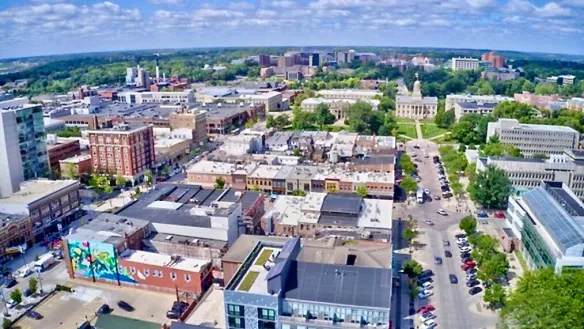
Iowa City properties face a mix of river-adjacent flooding, aging basement waterproofing, and severe summer storms, which is why full-service restoration matters here.
- Water Damage Restoration - extraction, structural drying, moisture mapping, and documentation for insurance
- Flooded Basement Cleanup - pump-out, content removal, sanitizing, and drainage evaluation
- Sewage Cleanup - Category 3 containment, contaminated material removal, and antimicrobial treatment
- Fire Damage Restoration - debris removal, structural stabilization, and reconstruction
- Smoke Damage Restoration - soot removal, thermal fogging, HVAC cleaning, and odor neutralization
- Mold Removal - containment barriers, HEPA filtration, affected material removal, and moisture source correction
Key benefits for local homeowners include protected property value, reduced repair scope, healthier indoor air, and smoother claims handling with carriers familiar with Johnson County losses.
Common Damage Restoration Issues in Iowa City, Iowa
The city sits along the Iowa River and is threaded by Ralston Creek, Clear Creek, and Willow Creek. That geography produces both slow river rises and fast flash flooding after intense summer downpours.
Local Causes We See Most
- Heavy rainfall overwhelming municipal storm drainage in older neighborhoods
- Spring snowmelt combined with frozen ground pushing groundwater against foundations
- Hydrostatic pressure forcing water through foundation cracks and cold joints
- Failed sump pumps during multi-hour storm events and power outages
- Sanitary sewer backups when combined flows exceed capacity
- Burst supply lines and frozen pipes during January cold snaps
- Appliance failures - dishwashers, water heaters, washing machine hoses
- Kitchen fires, furnace puffbacks, and electrical faults in older wiring
Warning Signs Worth Acting On
- Musty or earthy odor in a finished basement, especially after rain
- Efflorescence - white chalky residue - on block or poured foundation walls
- Cupping hardwood, bubbling paint, or drywall that feels cool and soft
- Tile grout darkening or baseboards separating from the wall
- Gurgling floor drains or slow drains on the lowest level
- Soot streaking above outlets, doorways, or HVAC registers
- Lingering smoke odor that returns on humid days
- Allergy-like symptoms that ease when occupants leave the house
Any of these signals warrants moisture testing before finishes are replaced. Covering a wet cavity simply relocates the problem.
Neighborhoods We Serve in Iowa City
Crews respond throughout Iowa City and the surrounding Johnson County corridor.
- Northside and Goosetown - historic homes with stone and block foundations
- Longfellow and Summit Street district - century-old houses near Ralston Creek
- Manville Heights and Black Springs Circle - properties near the Iowa River corridor
- Peninsula and Idyllwild - lower-lying areas with flood history
- Windsor Ridge, Court Hill, and Southeast Iowa City - newer subdivisions with finished lower levels
- Downtown, College Green, and near-campus rentals - multi-unit and student housing
- Walnut Ridge and Galway Hills - west side developments on clay-heavy lots
Service also extends to Coralville, North Liberty, Tiffin, Solon, Hills, Lone Tree, Swisher, West Branch, and the Cedar Rapids corridor. Commercial coverage includes offices, restaurants, apartment complexes, and clinical facilities.
Seasonal Damage Patterns in Iowa City
Winter (December - February)
- Frozen and burst supply lines in crawl spaces, garages, and exterior walls
- Ice dams pushing meltwater under shingles and into ceilings
- Furnace puffbacks and heating-related fire damage
- Space heater and fireplace incidents producing heavy smoke residue
Spring (March - May)
- Snowmelt plus rain saturating soils and flooding basements
- River and creek rises affecting low-lying properties
- Sump pump failures during sustained runoff
- First mold blooms appearing as temperatures climb
Summer (June - August)
- Severe thunderstorms, derecho-style winds, and flash flooding
- Sewer backups when systems reach capacity
- Peak mold growth from humidity and cooled indoor surfaces
- Lightning strikes causing structural fires
Fall (September - November)
- Continued heavy rain and clogged gutters directing water to foundations
- Grading and downspout issues revealed by autumn storms
- Early-season heating equipment fires and smoke odor complaints
Housing Characteristics & Restoration Considerations
Iowa City's housing stock spans more than 150 years, and each era brings different restoration challenges. Many core neighborhoods date to the late 1800s and early 1900s, while suburban expansion added ranch, split-level, and two-story builds from the 1960s onward.
Older Homes (pre-1950)
- Limestone, brick, or unreinforced block foundations that absorb and hold moisture
- Plaster and lath walls requiring careful drying rather than aggressive demolition
- Balloon framing that lets smoke and fire travel vertically between floors
- Original hardwood floors needing controlled drying to prevent permanent cupping
- Possible asbestos or lead-containing materials requiring proper handling
- Clay sewer laterals vulnerable to root intrusion and backups
Mid-Century and Modern Homes
- Poured concrete foundations with cold joints and pipe penetrations
- Finished basements with carpet, framed walls, and drywall touching the slab
- Vapor barriers that can trap moisture behind wall assemblies
- Tighter building envelopes that concentrate smoke odor and humidity
- Engineered flooring and MDF trim that swell quickly and rarely dry successfully
Rental and Multi-Unit Properties
- Shared plumbing stacks that spread water across multiple units
- Occupancy schedules requiring coordinated access and containment
- Higher documentation demands for owners, managers, and insurers
Technicians adjust drying strategy, equipment placement, and containment based on the building's age, materials, and cavity construction.
Environmental Conditions & Damage Implications
Local climate and soil conditions directly shape how damage develops and how drying is planned.
Climate Factors
- Humid continental climate with high summer dew points that slow evaporation
- Roughly 35-38 inches of annual precipitation, concentrated in late spring and summer
- Freeze-thaw cycling that widens foundation cracks each winter
- Moderate but variable snowfall producing sudden melt events
Soil and Groundwater
- Loess and clay-rich soils that hold water and expand against foundation walls
- Slow-draining lots that keep saturated soil in contact with basement walls for days
- Elevated water tables near the Iowa River and creek corridors
- Backfill settling around foundations that channels roof runoff downward
Indoor Air Implications
- Summer humidity above 60 percent indoors supports mold within 24-48 hours
- Basement air exchange carries spores and odors into upper living areas
- Smoke particulate settles in HVAC ductwork and reactivates in humid conditions
- Sewage-contaminated water introduces bacteria requiring Category 3 protocols
Because ambient humidity works against natural drying much of the year, closed-drying systems with dehumidification are used rather than simply opening windows and running fans.
Flood-Prone Basements Near the Iowa River and Creek Corridors
Iowa City has a documented history with both river flooding and flash flooding. Properties near the Iowa River, Ralston Creek, Clear Creek, and Willow Creek face repeat exposure, and many older basements were finished long before today's storm intensity became routine.
How a Flooded Basement Response Progresses
- Safety and utility check - electrical hazards identified, standing water classified by contamination category
- Extraction - truck-mounted and portable units remove standing water, followed by weighted extraction of carpet and pad
- Content handling - salvageable items relocated, unsalvageable porous goods documented and disposed of
- Controlled demolition - wet drywall cut above the waterline, insulation removed, base trim pulled to open cavities
- Sanitizing - antimicrobial application on affected surfaces, expanded protocols for sewage-involved losses
- Structural drying - air movers plus LGR dehumidifiers, with cavity drying systems for wall assemblies
- Daily monitoring - moisture readings logged against dry standards until materials reach target values
- Reconstruction - drywall, trim, flooring, and finish work to return the space to pre-loss condition
Standards That Guide the Work
- IICRC S500 for water damage restoration and drying verification
- IICRC S520 for mold remediation containment and clearance practices
- IICRC S700 for fire and smoke restoration procedures
- EPA guidance on containment, HEPA filtration, and negative air pressure
Reducing Repeat Losses
- Extending downspouts well beyond the foundation footprint
- Regrading soil to slope away from the house
- Adding battery backup or secondary sump pumps
- Installing a backwater valve to guard against sewer backups
- Choosing water-tolerant materials when rebuilding lower levels
Documentation with moisture logs, photos, and scope detail is provided throughout so claims move forward without guesswork.





