
Damage Restoration in New Iberia, LA
- Damage Restoration Services Overview
- Common Damage Restoration Issues in New Iberia, Louisiana
- Neighborhoods We Serve in New Iberia
- Seasonal Damage Patterns in New Iberia
- Housing Characteristics & Restoration Considerations
- Environmental Conditions & Damage Implications
- Hurricane Season Preparation and Storm Damage Recovery in Iberia Parish
Damage Restoration Services Overview
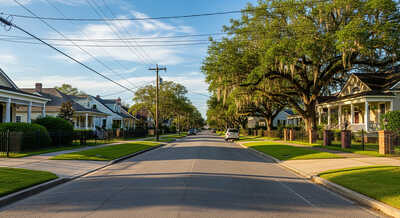
Walking into standing water, smelling smoke in your walls, or spotting black growth along a baseboard can throw an entire household into chaos. Property damage in New Iberia rarely announces itself politely - it arrives with a burst supply line at 2 a.m., a tropical system pushing water across Iberia Parish, or a kitchen fire that spreads soot through every room in minutes.
Restoration work in this part of Acadiana covers a connected group of services, each addressing a different form of loss:
- Water Damage Restoration - extraction, structural drying, and moisture mapping after leaks, roof failures, and appliance breaks
- Flooded Basement - pumping and drying out below-grade spaces, crawlspaces, and sunken slab areas that hold water
- Sewage Cleanup - removal of Category 3 contaminated water, antimicrobial treatment, and safe disposal of porous materials
- Fire Damage Restoration - debris removal, structural stabilization, and reconstruction of burned assemblies
- Smoke Damage Restoration - soot removal, odor neutralization, and cleaning of contents and HVAC systems
- Mold Removal - containment, affected material removal, and correction of the moisture source feeding growth
The shared benefit for New Iberia homeowners is simple: fast, documented work that limits secondary damage, supports insurance claims, and returns a property to a dry, clean, livable condition.
Common Damage Restoration Issues in New Iberia, Louisiana
Local conditions drive local damage patterns. With roughly 60 inches of annual rainfall, alluvial clay and bayou silt soils, and near-constant humidity, water finds its way into New Iberia structures through several predictable paths.
Frequent Causes of Loss
- Storm and tropical system flooding pushing water through doors, vents, and slab edges
- Appliance failures - water heaters, washing machines, refrigerator lines, dishwasher hoses
- Aging galvanized and cast iron plumbing in older Downtown New Iberia and Loreauville homes
- Drainage and sewer backups when saturated soils overwhelm municipal lines
- Roof leaks after high winds strip shingles or damage flashing
- Electrical and kitchen fires, followed by smoke migration through ductwork
Warning Signs Worth Acting On
- Musty odors that intensify when the air conditioning cycles on
- Buckling wood flooring, soft baseboards, or bubbling paint
- Brown ceiling rings that reappear after painting
- Gurgling drains or slow toilets - often the first hint of a sewer backup
- Lingering smoke smell weeks after a small fire, indicating soot in insulation or ducts
- Allergy-like symptoms that improve when occupants leave the house
Mold can establish within 24 to 48 hours in this warm, humid climate, so a wet floor on Saturday can become a remediation project by Monday. Response speed in the first six hours has a measurable effect on total damage and cost - if a company quotes a 24-hour wait for an active loss, call the next name on your list.
Neighborhoods We Serve in New Iberia
Restoration crews cover New Iberia and the surrounding Iberia Parish communities, including:
- Downtown New Iberia - historic homes along Main Street and the Bayou Teche corridor with aging plumbing and original millwork
- West End and North New Iberia - mid-century neighborhoods with slab foundations and older HVAC systems
- Loreauville - rural properties with private wells, septic systems, and low-lying lots
- Jeanerette, Delcambre, and Lydia - communities exposed to bayou and coastal surge flooding
- Broussard, Youngsville, and Coteau - newer subdivisions with engineered framing and tight building envelopes
- Avery Island, Iberia Parish outskirts, and St. Martinville area
Each area presents different challenges - historic construction demands careful drying and salvage techniques, while newer builds trap moisture behind vapor-tight assemblies.
Seasonal Damage Patterns in New Iberia
Damage calls in Iberia Parish follow a fairly reliable annual rhythm.
- January through March - Occasional hard freezes crack exposed pipes and hose bibs on older homes. Thawing lines flood laundry rooms and crawlspaces. Heating equipment and space heaters drive a seasonal uptick in fire and smoke damage.
- April through May - Spring thunderstorms bring heavy rainfall, roof leaks, and yard drainage backups. Rising humidity restarts mold activity in attics and closets.
- June through November - Hurricane and tropical storm season. This is the peak window for flooded lower levels, wind-driven rain, sewage backups from overwhelmed drainage, and widespread structural water losses.
- August through September - Sustained heat and humidity push mold growth in ductwork, behind furniture, and under vinyl flooring. Air conditioning condensate line clogs are a frequent hidden water source.
- December - Holiday cooking, candles, and fireplace use raise fire and smoke damage calls; soot travels quickly through central HVAC systems.
Year-round, plumbing and appliance failures remain steady, keeping water extraction and drying the most requested service in New Iberia.
Housing Characteristics & Restoration Considerations
New Iberia's housing stock spans well over a century of construction, and the building method matters enormously once water or fire enters the picture.
Older and Historic Homes
- Raised pier-and-beam foundations with vented crawlspaces that collect standing water
- Original cypress and heart pine framing, plaster walls, and shiplap that require gentle, controlled drying rather than aggressive demolition
- Pre-1980 construction often lacking vapor barriers and adequate ventilation - a leading contributor to hidden mold
- Aging cast iron and galvanized drain lines prone to backups and sewage releases
- Knob-and-tube or early wiring that raises fire risk and complicates post-fire rebuilds
Post-1980 and Newer Construction
- Slab-on-grade foundations where water wicks into bottom plates, carpet pad, and drywall
- Engineered lumber and OSB sheathing that lose strength quickly when saturated
- Tighter envelopes and blown insulation that hold soot odor and slow evaporation
- Sunken rooms, converted garages, and below-grade storage that behave like flooded basements
How This Shapes the Work
- Moisture mapping identifies wet cavities before any material is removed
- Salvageable historic finishes are dried in place with targeted airflow and dehumidification
- Contaminated porous materials from sewage events are removed rather than dried
- Smoke-affected insulation and ductwork are cleaned or replaced to eliminate odor sources
- Reconstruction matches original profiles, trim, and flooring wherever possible
Environmental Conditions & Damage Implications
Gulf Coast conditions shape every stage of restoration in New Iberia. Understanding the environment explains why drying here takes a different approach than in drier regions.
Climate and Humidity
- Average relative humidity frequently exceeds 75 percent, limiting natural evaporation
- Roughly 60 inches of annual rainfall, concentrated in spring and hurricane season
- Warm temperatures accelerate microbial growth, giving mold a 24 to 48 hour head start after any water event
- Open windows alone will not dry a structure - closed-drying with commercial dehumidifiers is standard practice
Soil and Groundwater
- Alluvial clay and bayou silt hold water and drain slowly, keeping crawlspaces and slab perimeters damp
- Expansive clay movement stresses foundations and plumbing connections, creating slow leaks
- High water tables push moisture upward through slabs, causing flooring adhesive failure
Water Quality and Air Concerns
- Flood water from bayous and drainage canals is treated as Category 3 - contaminated with bacteria, fuel residue, and agricultural runoff
- Sewage backups require full protective protocols, antimicrobial application, and controlled disposal
- Smoke residue combines with humid air to bond acidic soot to surfaces, etching glass, metal, and finishes if cleaning is delayed
- Post-loss indoor air quality often needs HEPA filtration and duct cleaning before reoccupancy
These conditions justify longer dehumidification periods and verification moisture readings before reconstruction begins.
Hurricane Season Preparation and Storm Damage Recovery in Iberia Parish
Iberia Parish sits close enough to the coast that every named storm deserves attention. Hurricane Ida and similar systems left New Iberia properties with damage that extended far beyond visible roof and siding loss - concealed water intrusion behind walls, material separation along base assemblies, and long-term deterioration that surfaced months later.
Before a Storm Arrives
- Photograph every room, the roof line, and major systems for pre-loss documentation
- Clear gutters, downspouts, and yard drains so runoff moves away from the foundation
- Elevate stored items in crawlspaces, garages, and lower-level rooms
- Locate the main water shutoff and label the electrical panel
- Keep policy numbers, deductible details, and flood coverage confirmations in a waterproof folder
After the Water Recedes
- Emergency call and extraction - crews respond quickly, stop ongoing intrusion, and remove standing water with industrial pumps and wet vacuums, which slows damage progression immediately.
- Inspection and assessment - moisture meters and thermal imaging locate water inside wall cavities, under flooring, and behind cabinetry.
- Structural drying - air movers and dehumidifiers run until verified readings return to normal, with daily monitoring logs.
- Contamination control - flood and sewage-affected porous materials are removed, and remaining surfaces receive antimicrobial treatment to prevent mold.
- Repairs and reconstruction - flooring, drywall, ceilings, trim, and structural components are rebuilt, including correction of underlying conditions found behind finishes.
Documentation matters as much as the equipment. Damage photos, moisture logs, material inventories, and scope notes give adjusters organized records that support insurance requirements - a meaningful advantage when hundreds of New Iberia claims are filed after a single storm.





