
Damage Restoration in Sebring, FL
- Damage Restoration Services Overview
- Common Damage Restoration Issues in Sebring, Florida
- Neighborhoods We Serve in Sebring
- Seasonal Damage Patterns in Sebring
- Housing Characteristics & Restoration Considerations
- Environmental Conditions & Damage Implications
- Hurricane Recovery and Insurance Claim Support for Highlands County Properties
Damage Restoration Services Overview
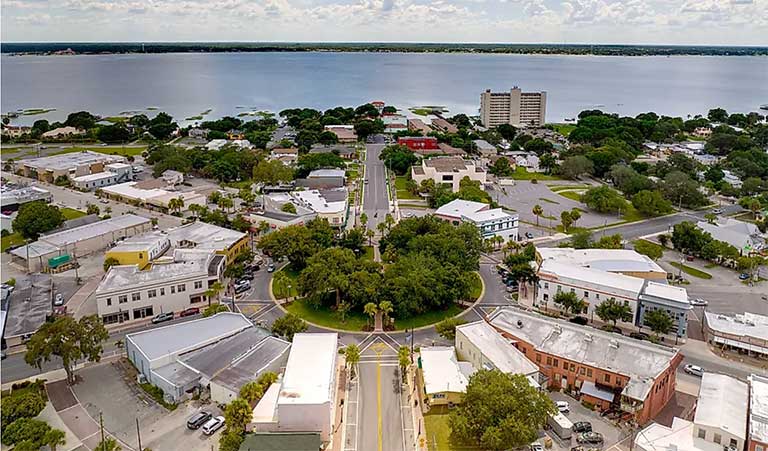
Sebring sits in the heart of Highlands County, ringed by lakes and surrounded by citrus groves, ranchland, and sandy ridge terrain. That combination - subtropical humidity, seasonal downpours, hurricane exposure, and a housing stock that spans mid-century block homes to newer subdivisions - creates restoration challenges that differ from coastal or northern Florida markets.
Property owners here rely on a full range of emergency and rebuild services, including:
- Water Damage Restoration - extraction, structural drying, and dehumidification using commercial-grade equipment after roof leaks, supply line breaks, and storm intrusion
- Flooded Basement and below-grade cleanup - for the crawl spaces, sunken rooms, and basement-style lower levels found in some older ridge-area properties
- Sewage Cleanup - contaminated water removal, disinfection, and disposal of porous materials after septic backups or lift station failures
- Fire Damage Restoration - board-up, debris removal, structural evaluation, and reconstruction
- Smoke Damage Restoration - soot removal, odor neutralization, HVAC cleaning, and content care
- Mold Removal - containment, air filtration, affected material removal, and moisture source correction
Fast response matters in this climate. Warm, humid air lets microbial growth take hold quickly, so the gap between discovery and drying often decides whether a repair stays cosmetic or becomes a full rebuild.
Common Damage Restoration Issues in Sebring, Florida
Highlands County properties face a specific mix of water, fire, and contamination risks tied to weather, soil, and infrastructure age.
Storm and Weather Triggers
- Hurricane and tropical system winds that lift shingles, crack tile, and split roof seams - leading to interior water intrusion
- Hail events that bruise asphalt shingles and puncture TPO and metal commercial roofs
- Summer thunderstorm cells that drop several inches of rain in under an hour, overwhelming gutters and low-lying yards
- Lightning strikes that ignite attic and electrical fires, especially on rural parcels outside city fire response ranges
Plumbing, Septic, and Drainage Failures
- Aging cast iron and galvanized supply lines in homes built before the 1980s
- Septic drainfield saturation during the wet season, causing backups into tubs, showers, and floor drains
- Water heater and washing machine hose failures inside garages and utility closets
- Groundwater pushing into crawl spaces and sunken lower levels near lakes Jackson, Josephine, and Istokpoga
Warning Signs Worth Acting On
- Musty odors that intensify when the air conditioning cycles on
- Ceiling stains that reappear after a heavy rain, even if painted over
- Cupping or separating laminate and engineered wood planks
- Persistent condensation on interior walls or return air vents
- Lingering smoke odor weeks after a minor kitchen fire - a sign soot has settled inside ductwork
- Gurgling drains or slow toilets, often the first hint of a sewage backup
Neighborhoods We Serve in Sebring
Coverage extends across the City of Sebring and the wider Highlands County service area, including:
- Historic Downtown Sebring and the Circle District - older masonry and wood-frame buildings needing careful drying and restoration
- Sebring Hills, Sun 'N Lake, and Golf Hammock - established residential communities with mature landscaping and tile roofs
- Lakeview Heights, Lake Jackson shoreline, and Harder Hall area - waterfront exposure and elevated flood risk
- Highlands Ridge, Buttonwood Bay, and Tanglewood - manufactured and modular home communities
- Spring Lake, Placid Lakes, and Lake Josephine - outlying areas served by septic systems
- Avon Park, Lake Placid, DeSoto City, Lorida, and Venus - surrounding Highlands County communities
Commercial work covers US 27 corridor retail, medical and office buildings, warehouse and agricultural facilities, and properties near Sebring Regional Airport and Sebring International Raceway.
Seasonal Damage Patterns in Sebring
Restoration demand in Highlands County follows a predictable annual rhythm.
- December through February: Dry, cooler months. Space heater and fireplace fires rise, along with smoke damage from cooking and holiday incidents. Occasional freeze events crack exposed irrigation and pool lines.
- March through May: Transitional dry season with brush and grass fire risk on the ridge and in rural pasture areas. Smoke odor infiltration into homes is common even without direct flame damage.
- June through August: Peak thunderstorm season. Daily convective storms bring roof leaks, water intrusion, lightning fires, and saturated septic drainfields. Mold growth accelerates as indoor humidity climbs.
- September through October: Hurricane and tropical storm peak. Wind-driven rain, flooded lower levels, downed trees through roofs, extended power outages, and sewage backups from overwhelmed systems.
- November: Post-storm recovery and delayed damage discovery - hidden moisture from earlier events often surfaces as visible mold or ceiling failure.
Post-storm mold calls typically spike two to four weeks after a major rain event, once trapped moisture behind drywall and under flooring has had time to colonize.
Housing Characteristics & Restoration Considerations
Sebring's building inventory is unusually varied for a city its size, and each construction type responds differently to water, fire, and microbial damage.
Common Construction Types
- Concrete block with stucco (CBS): Dominant in homes built from the 1950s onward. Block holds moisture in its cores and behind furring strips, requiring targeted drying and sometimes furring removal.
- Wood-frame homes: Found downtown and in older ridge neighborhoods, often with original hardwood floors and plaster that demand slower, controlled drying.
- Manufactured and modular homes: Widespread in Highlands County parks and 55+ communities. Vinyl-backed drywall, belly wrap insulation, and metal roofing trap water and hide moisture from casual inspection.
- Newer subdivision construction: Tight envelopes and engineered flooring that swell rapidly and rarely dry in place.
How Age Affects Restoration
- Pre-1980 properties may contain asbestos-bearing materials and lead paint, requiring testing before demolition
- Cast iron drain lines corrode and crack, producing recurring sewage seepage under slabs
- Original electrical panels increase fire risk and complicate post-fire reconstruction to current code
- Slab-on-grade construction means water migrates laterally under flooring rather than draining away
- Crawl-space and sunken-level homes need pumps, containment, and antimicrobial treatment before rebuild
- Tile and metal roofs common here call for specialized repair rather than standard shingle replacement
Environmental Conditions & Damage Implications
The environment around Sebring shapes how damage develops and how restoration must be performed.
Climate and Humidity
- Relative humidity frequently exceeds 80 percent overnight through much of the year
- Annual rainfall concentrated heavily in the summer wet season
- Warm year-round temperatures that keep mold spores active in every season
- Indoor dew point issues in vacant or seasonally occupied homes with thermostats set high
Soil and Water Conditions
- Sandy ridge soils drain quickly in some areas but sit over shallow water tables near lakes
- High groundwater during the wet season pushes moisture up through slabs and into crawl spaces
- Hard well water with mineral content that leaves residue and stresses plumbing fixtures
- Widespread septic use in unincorporated areas, raising sewage backup risk when drainfields saturate
Air Quality Factors
- Agricultural dust and citrus grove spraying that settle into HVAC systems
- Seasonal prescribed burns and wildfire smoke that infiltrate homes and require duct and content cleaning
- Pollen loads that combine with soot after a fire, making surface cleaning more involved
These conditions mean drying targets in Sebring must account for a humid baseline. Equipment placement, containment, and dehumidification capacity are calculated for local ambient conditions rather than generic national benchmarks - otherwise materials appear dry while moisture remains trapped inside block cores and subfloors.
Hurricane Recovery and Insurance Claim Support for Highlands County Properties
Sebring's inland position once suggested relative safety from tropical systems, but recent storm history proved otherwise. Hurricanes tracking across the peninsula arrive at Highlands County still carrying damaging winds, and the county has seen widespread roof loss, tree strikes, and prolonged flooding from single events.
What Emergency Response Involves
- Site safety and containment - securing hazards, isolating damaged areas, and establishing clean paths
- Emergency board-up and roof tarping - including shrink wrap for larger commercial roof sections to stop ongoing intrusion
- Water extraction and debris removal - pumping standing water, removing saturated contents and vegetation
- Structural drying - air movers, commercial dehumidifiers, and moisture mapping with meters and thermal imaging
- Antimicrobial application - treating affected framing and substrates before reconstruction
- Reconstruction - drywall, flooring, cabinetry, windows and doors, siding, and roofing to return the property to pre-loss condition
Working Through the Claim
- Photograph damage before moving anything, including roof, ceilings, and personal property
- Keep saturated or fire-damaged materials available for adjuster review when safe to do so
- Save receipts for temporary lodging, tarps, and emergency supplies
- Request detailed moisture readings and drying logs - documentation carriers expect
- Report sewage and mold findings separately, as coverage terms often differ from clean water losses
After major storms, restoration teams are dispatched to Sebring from regional offices to handle disaster cleanup, emergency roofing, interior restoration, and full rebuild construction. Turnkey handling of both mitigation and reconstruction keeps the project under one roof, which shortens handoffs and simplifies the paperwork trail your insurer will request.





