
Damage Restoration in Timber Pines, FL
- Damage Restoration Services Overview
- Common Damage Restoration Issues in Timber Pines, Florida
- Neighborhoods We Serve in Timber Pines
- Seasonal Damage Patterns in Timber Pines
- Housing Characteristics & Restoration Considerations
- Environmental Conditions & Damage Implications
- Storm Season Readiness for Timber Pines Homeowners
Damage Restoration Services Overview
You wake up in your Timber Pines villa to the sound of running water. A supply line under the kitchen sink let go overnight, and the tile floor is already cupping at the grout lines. By breakfast, the baseboards are wicking moisture and the air smells damp.
Scenarios like this play out across Hernando County every week. Fast, methodical response is what separates a minor repair from a full reconstruction project.
Our IICRC-certified specialists handle the full range of property losses for Timber Pines homeowners and community associations:
- Water Damage Restoration - emergency extraction, moisture mapping, and structural drying after plumbing failures, roof leaks, and storm intrusion
- Flooded Basement - pump-outs and drying for below-grade spaces, sunken utility rooms, crawl areas, and slab-level flooding
- Sewage Cleanup - containment, removal, and antimicrobial treatment for septic backups and drain line failures
- Fire Damage Restoration - stabilization, debris removal, content handling, and rebuild coordination
- Smoke Damage Restoration - soot residue removal from surfaces, HVAC systems, and porous contents plus professional deodorization
- Mold Removal - containment, source correction, and remediation of colonized building materials
Benefits for residents include 24/7 dispatch, clear documentation for insurance carriers, and drying practices that help prevent secondary damage. Call (844) 725-6298 any hour.
Common Damage Restoration Issues in Timber Pines, Florida
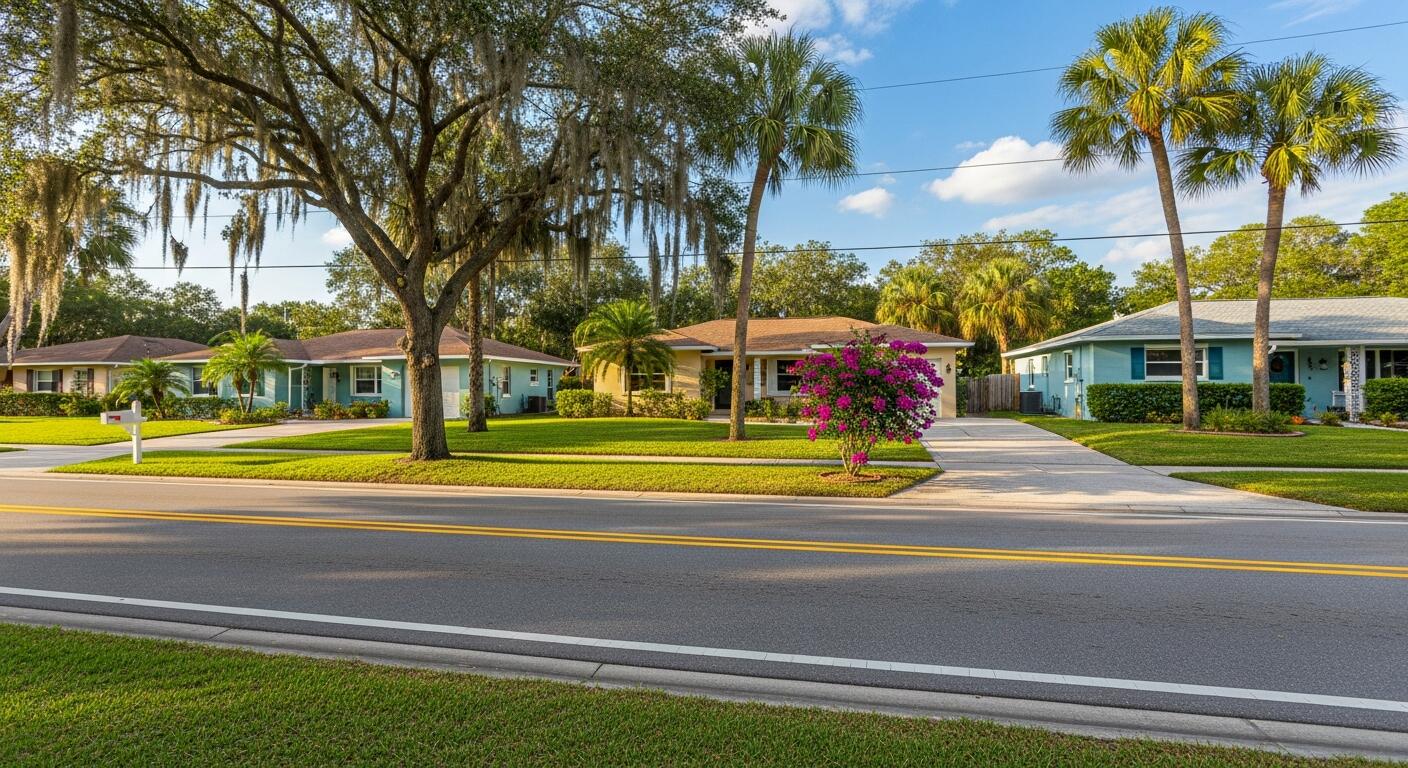
Timber Pines sits inland from the Gulf near Spring Hill, where high humidity, sandy soil, and heavy summer rain create predictable loss patterns. Most homes here are single-story slab construction with attached garages and screened lanais - all areas where water finds a path inside.
Frequent Causes We Respond To
- Aging copper and CPVC supply lines developing pinhole leaks behind drywall
- Water heater tank failures in garages and interior closets
- Roof and soffit intrusion during Gulf-driven thunderstorms and tropical systems
- Air handler condensate line clogs that overflow into hallways and closets
- Septic and lift station backups sending contaminated water into bathrooms and laundry rooms
- Kitchen grease fires and electrical faults in older panels
- Lightning strikes - Hernando County sits in one of the most strike-prone corridors in the country
Warning Signs Worth Acting On
- Musty odor that intensifies when the air conditioning cycles on
- Discolored rings or bubbling paint on ceilings below the attic
- Grout lines darkening or tile sounding hollow underfoot
- Gurgling drains or slow toilets across multiple fixtures
- Soot film on return air vents or a lingering campfire smell after a small fire
- Allergy symptoms that improve when you leave the house
Any of these signals warrant moisture testing before the problem spreads behind finishes.
Neighborhoods We Serve in Timber Pines
We cover the entire Timber Pines community and the surrounding Hernando County area, including villa clusters, single-family sections, and the golf course corridors along Timber Pines Boulevard.
- Timber Pines villas, patio homes, and estate sections
- Spring Hill and North Weeki Wachee
- Brooksville, North Brooksville, and South Brooksville
- Weeki Wachee, Hernando Beach, and Bayport
- Glen Lakes, Brookridge, and Forest Oaks
- River Country Estates, Spring Lake, and Ridge Manor
- Pine Island, Powell, Masaryktown, and Lake Lindsey
Crews stage equipment locally so trucks reach Timber Pines addresses quickly, day or night. We work regularly with community association boards, property managers, and seasonal residents who need someone on site while they are out of state.
Seasonal Damage Patterns in Timber Pines
Loss types shift with the Gulf Coast calendar. Knowing what season brings helps you stay ahead of it.
- January - March (dry season): Cooler nights, lower humidity. Peak period for fire and smoke damage from space heaters, fireplaces, and cooking. Also a good window for mold inspections and plumbing checks.
- April - May: Rising temperatures push air conditioners hard. Condensate overflow calls climb, and brush-fire smoke can infiltrate homes during dry spells.
- June - September (rainy season): Daily thunderstorms and tropical systems. Highest volume for water damage restoration, flooded basements and sunken areas, roof intrusion, and sewage cleanup when saturated drain fields back up.
- August - October: Mold removal peaks. Sustained humidity above 70 percent lets colonies establish quickly in any material that stayed damp.
- November - December: Holiday cooking and decorative lighting drive kitchen fires and smoke damage. Snowbird arrivals often reveal leaks that went unnoticed in vacant homes.
Seasonal residents benefit from a walkthrough before departure and again on return.
Housing Characteristics & Restoration Considerations
Timber Pines developed largely from the early 1980s through the 2000s as an active-adult golf community. That construction era shapes how we approach every loss.
Typical Building Features
- Single-story concrete block and stucco exteriors on monolithic slabs
- Wood-framed truss attics with blown fiberglass or cellulose insulation
- Attached villas sharing common walls and shared attic spaces in some clusters
- Original or first-generation plumbing, water heaters, and HVAC in many units
- Tile, laminate, and carpet over slab with limited subfloor cavity
How That Affects Restoration
- Slab construction means water spreads laterally under tile and behind base trim rather than draining away - moisture meters and thermal imaging are needed to trace it.
- Shared walls in villas allow water, smoke, and odor to migrate to neighboring units, so containment and neighbor notification happen early.
- Block walls with furring strips trap moisture behind drywall, a frequent hidden mold source.
- Attic insulation absorbs water from roof leaks and holds soot after a fire, often requiring removal and replacement.
- Sunken utility rooms and garage steps act as low points where flooding and sewage collect.
- Older ductwork distributes smoke residue and mold spores house-wide unless cleaned or replaced.
Association rules and architectural guidelines also affect rebuild materials, so we coordinate documentation with management where required.
Environmental Conditions & Damage Implications
Hernando County's climate is subtropical, with roughly 50 inches of annual rainfall concentrated between June and September. Average relative humidity stays high year-round, which changes how buildings behave after water intrusion.
Local Conditions That Matter
- Humidity: Ambient moisture slows natural drying, so mechanical dehumidification is required rather than optional.
- Sandy, karst-influenced soil: Water drains fast in some spots and pools in others; limestone below grade creates sinkhole and groundwater concerns.
- High water table: Saturated ground during rainy season pushes moisture up through slabs and stresses septic drain fields.
- Well and municipal water mix: Mineral-heavy water accelerates fixture and supply line wear in some areas.
- Pollen and outdoor mold spore counts: Elevated much of the year, meaning any damp material indoors has a ready supply of spores.
- Salt air from the Gulf: Contributes to corrosion on HVAC coils, fasteners, and metal roofing components.
Practical Implications
- Mold can begin colonizing wet drywall within 24 to 48 hours in these conditions
- Sewage cleanup requires full containment because bacteria multiply rapidly in warm, humid air
- Smoke odor bonds to surfaces more stubbornly in humid environments, calling for thermal fogging or hydroxyl treatment
- Drying plans need daily moisture readings and adjustments, not a fixed equipment drop-off
Storm Season Readiness for Timber Pines Homeowners
Timber Pines sits close enough to the Gulf that tropical systems bring wind-driven rain, power loss, and localized flooding. Many residents split time between Florida and another state, which means a leak can run for weeks unnoticed.
Before the Season
- Inspect the roof, soffits, and lanai flashing for open seams or lifted shingles.
- Clear gutters and confirm downspouts discharge away from the slab.
- Flush the air handler condensate line and install a safety float switch.
- Replace aging washing machine hoses and water heater supply lines.
- Install a water leak detection device with automatic shutoff, especially in seasonal homes.
- Photograph each room and store the images off-site for insurance documentation.
During and After a Storm
- Shut off the main water supply if you evacuate or leave for the season
- Never enter standing water where electrical panels or outlets are submerged
- Treat any water that contacted a septic backup as contaminated - keep pets and family out
- Avoid running the HVAC if soot, sewage, or heavy moisture is present, since it spreads contamination
- Call for professional extraction before removing materials yourself
What Our Response Looks Like
- Assessment - we inspect the property and identify the water category, fire extent, or mold source.
- Explanation - we walk you through findings and options so you can make an informed decision.
- Mitigation - extraction, containment, soot and debris removal, or controlled demolition as needed.
- Drying and treatment - air movers, dehumidifiers, antimicrobial application, and deodorization with daily monitoring.
- Restoration - repairs and rebuild that return the space to pre-damage condition, fully documented.
For out-of-state owners, we provide photo updates and moisture logs throughout. Reach our 24/7 line at (844) 725-6298.





