
Damage Restoration in St. Louis, MI
- Damage Restoration Services Overview
- Common Damage Restoration Issues in St. Louis, Michigan
- Neighborhoods We Serve in St. Louis
- Seasonal Damage Patterns in St. Louis
- Housing Characteristics & Restoration Considerations
- Environmental Conditions & Damage Implications
- Emergency Response and Insurance Documentation for Gratiot County Property Owners
Damage Restoration Services Overview
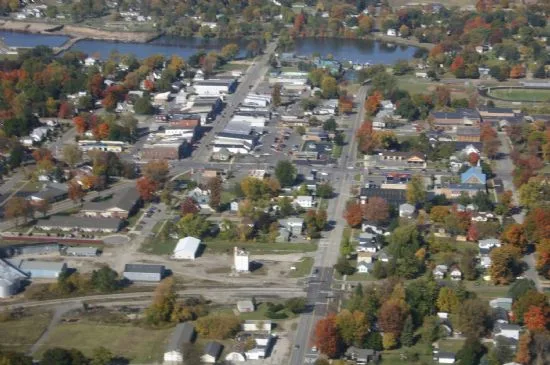
St. Louis, Michigan sits at the geographic center of the Lower Peninsula - the "Middle of the Mitten" - where the Pine River winds through town and a high water table sits closer to basement floors than most homeowners realize. That combination means a single spring thaw or a stalled thunderstorm can send water into finished basements across Gratiot County within hours.
Restoration work here covers far more than mopping up. Property owners in St. Louis rely on a full range of mitigation and rebuild services, including:
- Water Damage Restoration - extraction, structural drying, moisture mapping, and monitoring of walls, subfloors, and cavities
- Flooded Basement cleanup - pump-outs, contents handling, sump failure response, and drying of block and poured foundations
- Sewage Cleanup - containment, removal of contaminated materials, antimicrobial treatment, and disinfection after backups
- Fire Damage Restoration - board-up, debris removal, structural cleaning, and reconstruction of damaged areas
- Smoke Damage Restoration - soot removal from surfaces, HVAC cleaning, thermal deodorization, and contents care
- Mold Removal - containment barriers, HEPA filtration, removal of colonized materials, and drying to prevent regrowth
The benefit of coordinated service is simple: one team documents the loss, controls secondary damage, and carries the property from emergency response through final repairs without gaps in the timeline.
Common Damage Restoration Issues in St. Louis, Michigan
Mid-Michigan weather swings hard between frozen ground and saturated soil, and older housing stock in and around St. Louis has to absorb every shift. Most calls trace back to a handful of predictable local causes.
Local Causes of Property Damage
- Pine River rise and flash flooding after heavy rain on already-saturated clay soils
- Frozen and burst supply lines in uninsulated crawl spaces, garages, and older additions
- Sump pump failure or power loss during summer storms with high winds
- Municipal and private sewer backups when stormwater overwhelms lines
- Failed water heaters, washing machine hoses, and aging galvanized plumbing
- Furnace, wood stove, and space heater fires during long heating seasons
- Kitchen grease fires that spread smoke and soot through whole-house ductwork
Warning Signs Worth Acting On
- Musty or earthy odors in basements, closets, or near baseboards
- Efflorescence, chalky white staining, or bubbling paint on foundation walls
- Cupped hardwood, soft spots underfoot, or tile that sounds hollow
- Gurgling floor drains or slow toilets - often the first hint of a sewer issue
- Recurring condensation on windows and cold-water pipes
- Lingering smoke odor that returns when the furnace or air conditioning cycles on
- Dark speckling on drywall behind furniture or under sinks
Damage rarely stays contained. Water that reaches a wall cavity feeds mold within a couple of days, and soot left on surfaces becomes acidic and etches metal, glass, and finishes. Early response keeps a mitigation job from becoming a reconstruction project.
Neighborhoods We Serve in St. Louis
Service extends across the city and the surrounding Gratiot County communities, covering both riverfront properties and rural parcels on well and septic systems.
- Downtown St. Louis and the Michigan Avenue business corridor
- Residential streets north and south of the Pine River, including riverfront and floodplain-adjacent homes
- Neighborhoods near Clapp Park, the city golf course, and the Mineral Springs area
- Alma, including properties near the college and Alma's older residential districts
- Ithaca, Breckenridge, Pompeii, Riverdale, and Middleton
- Bethany, Pine River, and Bethany Township rural properties
- Ashley, Elm Hall, and outlying farm and acreage properties across Gratiot County
Coverage also reaches nearby Mount Pleasant, Shepherd, and Merrill for larger losses. Familiarity with local road access, township drain systems, and utility layouts helps crews reach properties quickly - including farm buildings and commercial sites where equipment staging matters.
Seasonal Damage Patterns in St. Louis
Each season brings a different mix of emergency calls in mid-Michigan.
- December through February - frozen pipe breaks, ice dams pushing meltwater under shingles, chimney and heating equipment fires, and holiday cooking fires. Smoke damage spreads fast in sealed winter homes.
- March and April - snowmelt combined with rain on frozen ground drives flooded basements, sump overload, and Pine River backwater. Sewer backups spike during peak runoff.
- May and June - severe thunderstorms with high winds bring roof leaks, window-driven water intrusion, and lightning-related electrical fires.
- July and August - humidity above 70 percent turns damp basements and crawl spaces into active mold environments. Air conditioning condensate line clogs and dehumidifier failures show up often.
- September and October - heavy fall rain saturates clay soils, raising hydrostatic pressure against foundation walls. First furnace startups release stored dust and smoke odors.
- November - early freezes catch outdoor spigots and unheated spaces before homeowners winterize.
Because mold and sewage contamination follow water events by days rather than weeks, seasonal water losses are treated as urgent regardless of visible severity.
Housing Characteristics & Restoration Considerations
St. Louis has a deep inventory of pre-1950 homes, with many properties dating to the early 1900s and the town's mineral springs era. Newer subdivisions and manufactured housing sit alongside farmhouses and mid-century ranches, and each construction type responds differently to water, fire, and mold.
How Local Construction Affects Restoration
- Fieldstone and block foundations - porous, seepage-prone, and slow to release moisture, requiring extended drying and often specialty desiccant equipment
- Plaster and lath walls - hold water behind the surface and can be salvaged with controlled drying rather than automatic demolition
- Balloon-frame construction - open wall cavities let both water and smoke travel between floors and into attics
- Original hardwood floors - often restorable through specialized floor drying if addressed quickly
- Finished basements added later - paneling, carpet, and framing against foundation walls trap moisture and hide mold growth
- Older cast-iron and clay sewer laterals - prone to root intrusion and collapse, a frequent source of sewage backups
- Knob-and-tube or updated-in-stages wiring - a persistent fire risk in unrenovated homes
- Crawl spaces with dirt floors - a constant humidity source affecting the entire structure above
Restoration plans account for potential asbestos in older floor tile, mastic, and pipe wrap, plus lead paint in homes built before 1978. Testing and proper handling protocols come before demolition so cleanup does not spread hazardous dust through the rest of the house.
Environmental Conditions & Damage Implications
Gratiot County's environment shapes how damage develops and how drying is approached. St. Louis averages roughly 32 inches of precipitation and more than 40 inches of snow each year, with summer dew points that keep indoor humidity elevated for months.
Conditions That Influence Restoration Work
- Heavy clay and loam soils - drain slowly, hold water against foundations, and increase hydrostatic pressure after storms
- High seasonal water table near the Pine River corridor - contributes to chronic basement seepage and recurring mold
- Freeze-thaw cycling - opens hairline cracks in foundations and mortar joints that become water entry points each spring
- Hard, mineral-rich groundwater - leaves scale that shortens the life of water heaters, softeners, and supply fittings
- Summer humidity - mold colonizes damp materials quickly once indoor relative humidity stays above 60 percent
- Agricultural dust and pollen - loads HVAC filters and combines with soot after a fire to complicate air quality recovery
- Local environmental history - the area's industrial legacy and Superfund remediation work have made residents attentive to contamination, testing, and proper disposal
Those conditions push drying plans toward continuous moisture monitoring rather than fixed schedules. Dehumidification targets are set for the structure and the season, containment is used to keep contaminants from migrating, and HEPA air scrubbers run during mold, sewage, and smoke work so airborne particles are captured instead of redistributed.
Emergency Response and Insurance Documentation for Gratiot County Property Owners
When water is rising in a basement or a fire crew has just cleared a home, the first several hours set the direction of the entire claim. Local response time matters because crews staged in mid-Michigan can reach St. Louis, Alma, Ithaca, and the surrounding townships without waiting on travel from a distant metro.
What a Local Emergency Response Looks Like
- Immediate contact and dispatch - around-the-clock intake with crews mobilized to the address
- Safety and source control - power isolation, water shutoff, board-up, and tarping to stop ongoing loss
- Inspection and moisture mapping - thermal imaging and meters locate hidden water in wall cavities, under flooring, and behind cabinetry
- Category and class determination - clean water, gray water, or sewage contamination dictates whether materials are dried or removed
- Extraction and equipment placement - pumps, air movers, dehumidifiers, and air scrubbers positioned for the structure
- Daily monitoring - readings recorded until materials reach dry standard, with adjustments as conditions change
- Cleaning, deodorization, and repairs - soot removal, antimicrobial application, and reconstruction to pre-loss condition
Documentation That Supports Your Claim
- Photo and video record of conditions before any material is removed
- Written moisture readings logged by room and by day
- Itemized scope of affected materials and contents
- Equipment logs showing type, quantity, and run time
- Direct communication with adjusters so approvals do not stall drying
Rural properties add wrinkles that local crews plan for: septic systems that back up during saturated conditions, private wells that need testing after flooding, and outbuildings or pole barns with contents that require separate handling. Knowing which townships rely on which drain districts, and how quickly the Pine River responds to upstream rain, helps crews anticipate the next problem instead of reacting to it.





