
Damage Restoration in Grand Ledge, MI
- Damage Restoration Services Overview
- Common Damage Restoration Issues in Grand Ledge, Michigan
- Neighborhoods We Serve in Grand Ledge
- Seasonal Damage Patterns in Grand Ledge
- Housing Characteristics & Restoration Considerations
- Environmental Conditions & Damage Implications
- Grand River Proximity and Flood Risk Management
Damage Restoration Services Overview
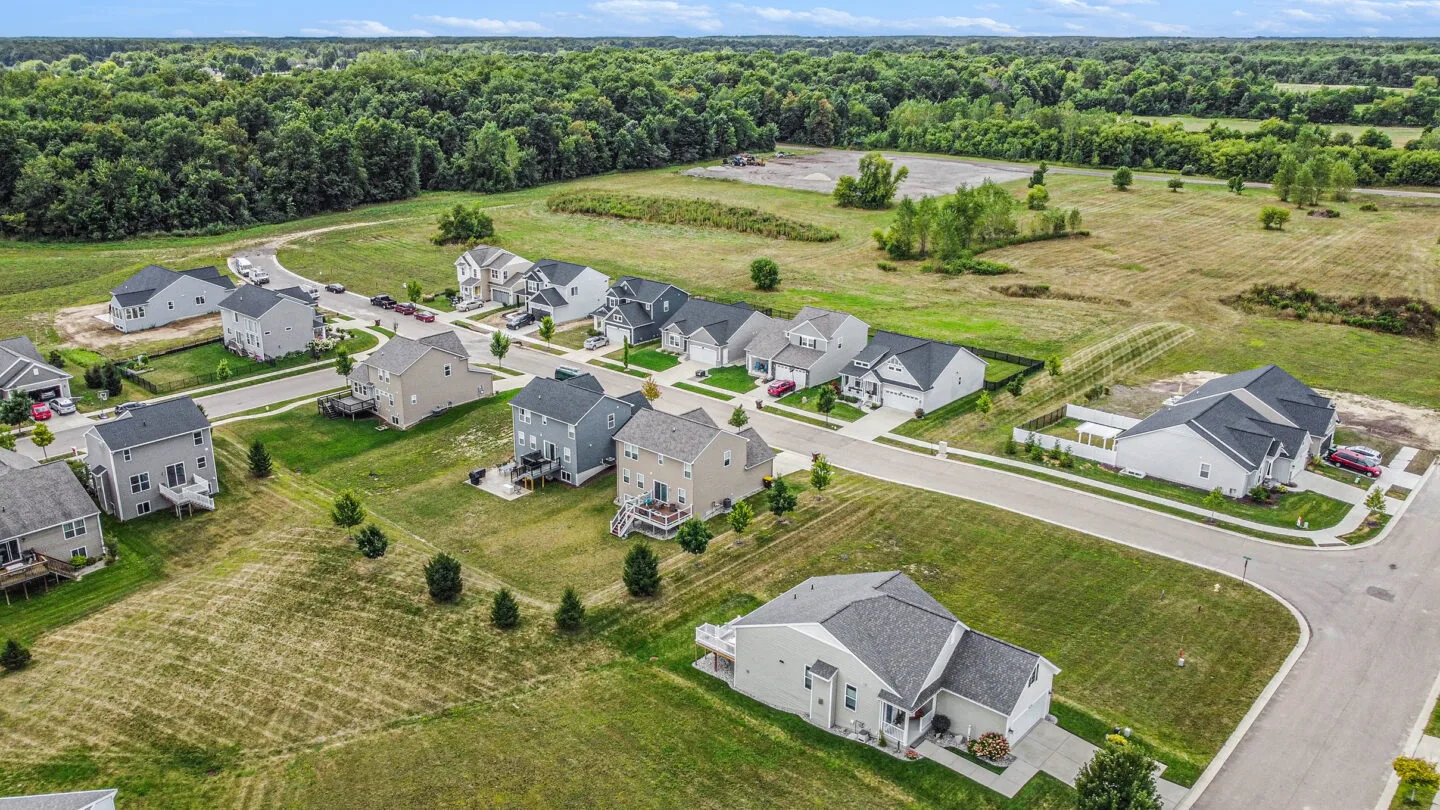
Grand Ledge experiences over 40 inches of precipitation annually, making water damage the most common restoration issue facing local homeowners. The combination of Michigan's harsh winters and intense summer storms creates perfect conditions for property damage year-round.
Our comprehensive damage restoration services protect Grand Ledge residents from multiple threats:
- Water Damage Restoration - From burst pipes to storm flooding
- Flooded Basement - Specialized basement water extraction and drying
- Sewage Cleanup - Safe removal and sanitization of contaminated water
- Fire Damage Restoration - Complete structural and content restoration
- Smoke Damage Restoration - Odor elimination and surface cleaning
- Mold Removal - Professional remediation and prevention
Professional restoration services provide immediate response when disasters strike. Quick action prevents secondary damage, reduces restoration costs, and gets families back to normal life faster.
Grand Ledge's location in Mid-Michigan exposes properties to unique challenges. Our local expertise means understanding how seasonal weather patterns, soil conditions, and regional construction styles affect restoration needs.
Common Damage Restoration Issues in Grand Ledge, Michigan
Grand Ledge's position along the Grand River creates elevated moisture levels that contribute to various property damage scenarios. The area's clay-heavy soil retains water, increasing basement flooding risks during heavy rainfall periods.
Most frequent damage restoration issues include:
- Basement flooding from overwhelmed storm drains and poor drainage
- Burst pipes during freeze-thaw cycles in winter months
- Appliance failures causing water damage in older homes
- Storm damage from severe thunderstorms and occasional tornadoes
- Sewage backups during heavy precipitation events
- Mold growth in humid summer conditions
Warning signs requiring immediate attention:
- Standing water in basements or crawl spaces
- Musty odors indicating hidden moisture or mold
- Discolored walls or ceilings from water intrusion
- Smoke or fire odors lingering after incidents
- Visible mold growth on surfaces
- Sewage odors or contaminated water backup
Michigan's temperature fluctuations stress building materials and plumbing systems. Summer heat waves followed by sudden storms create conditions for multiple damage types occurring simultaneously.
Neighborhoods We Serve in Grand Ledge
Our damage restoration services cover all Grand Ledge neighborhoods and surrounding communities. We respond rapidly to calls throughout the greater Grand Ledge area.
Primary service areas include:
- Downtown Grand Ledge - Historic district and commercial areas
- Riverside neighborhoods - Properties near the Grand River
- Oak Park area - Residential developments and family homes
- Westside Grand Ledge - Newer subdivisions and rural properties
- Island Park vicinity - Recreational and residential zones
We also serve nearby communities:
- Delta Township
- Lansing
- Eaton Rapids
- Potterville
- Mulliken
Our local presence means faster response times and better understanding of area-specific challenges. We maintain equipment and supplies strategically positioned for quick deployment across all service areas.
Seasonal Damage Patterns in Grand Ledge
Grand Ledge experiences distinct seasonal damage patterns that affect restoration service demands throughout the year.
Spring (March-May):
- Snowmelt flooding and basement water issues
- Roof damage from ice dams and freeze-thaw cycles
- Storm damage from severe weather systems
Summer (June-August):
- Thunderstorm flooding and wind damage
- Air conditioning failures causing water damage
- Mold growth in humid conditions
- Fire damage from lightning strikes
Fall (September-November):
- Appliance failures as heating systems restart
- Sewage backups from storm drain blockages
- Smoke damage from fireplace and heating issues
Winter (December-February):
- Burst pipes from freezing temperatures
- Ice dam water damage
- Heating system fires and smoke damage
- Carbon monoxide and ventilation problems
Understanding these patterns helps homeowners prepare for likely damage scenarios and enables faster restoration response when problems occur.
Housing Characteristics & Restoration Considerations
Grand Ledge's housing stock reflects decades of Mid-Michigan development, with homes ranging from early 1900s historic properties to modern subdivisions. This diversity creates unique restoration challenges requiring specialized approaches.
Typical housing characteristics affecting restoration needs:
- Age distribution: 40% of homes built before 1970, requiring updated restoration techniques
- Foundation types: Mix of basement, crawl space, and slab foundations
- Construction materials: Wood frame, brick veneer, and vinyl siding predominant
- Basement prevalence: 80% of homes have basements, increasing flood risk
Older homes present specific restoration challenges:
- Outdated plumbing systems prone to failures
- Insufficient insulation leading to ice dam formation
- Electrical systems requiring careful fire damage assessment
- Original materials needing specialized cleaning techniques
- Asbestos and lead paint considerations in pre-1980 construction
Modern homes face different issues:
- Complex HVAC systems affecting mold growth patterns
- Synthetic materials requiring specialized smoke damage cleaning
- Engineered lumber responding differently to water damage
- Integrated home systems complicating restoration processes
Our restoration approach adapts to each property's specific construction type, age, and materials to ensure appropriate techniques and safety protocols.
Environmental Conditions & Damage Implications
Grand Ledge's environmental conditions significantly influence damage patterns and restoration requirements. The area's continental climate creates extreme temperature variations that stress building materials and systems.
Key environmental factors affecting restoration:
- Climate: Humid continental with hot summers and cold winters
- Annual precipitation: 32 inches, concentrated in spring and summer
- Temperature range: -10°F to 90°F seasonal extremes
- Humidity levels: 60-80% during summer months
Soil composition impacts foundation and basement issues:
- Clay-rich soils retain moisture, increasing hydrostatic pressure
- Poor drainage characteristics lead to standing water
- Freeze-thaw cycles cause soil movement and foundation stress
- High water table areas experience seasonal flooding
Air quality considerations for restoration work:
- Seasonal pollen affecting indoor air during restoration
- Industrial emissions requiring specialized filtration
- Agricultural dust impacting smoke damage assessment
- River valley humidity affecting drying timeframes
Water quality factors influence restoration approaches:
- Hard water mineral content affecting cleaning processes
- Municipal water pressure variations
- Well water contamination risks in rural areas
- Seasonal water table fluctuations
These environmental conditions require restoration techniques specifically adapted to Mid-Michigan's unique challenges.
Grand River Proximity and Flood Risk Management
Grand Ledge's location along the Grand River creates both natural beauty and significant flood risks that require specialized restoration expertise. The river's proximity to residential areas means many properties face elevated water damage threats during spring snowmelt and summer storm events.
River-related damage restoration challenges include:
- Seasonal flooding: Spring runoff overwhelms drainage systems
- Groundwater infiltration: High water table affects basement moisture
- Sewage system backups: Combined storm and sanitary systems overload
- Contaminated floodwater: River water contains bacteria and debris
Our comprehensive flood restoration process addresses these unique challenges:
- Immediate water extraction using industrial-grade pumps
- Contamination assessment and safety protocol implementation
- Structural drying with specialized equipment for high-moisture environments
- Antimicrobial treatment for contaminated water exposure
- Mold prevention measures in humid post-flood conditions
- Complete sanitization and odor elimination
Properties near the Grand River require ongoing moisture monitoring even after initial restoration. Our services include humidity control systems, basement waterproofing recommendations, and seasonal maintenance programs.
We coordinate with local emergency management during major flood events, providing rapid response capabilities when multiple properties are affected simultaneously. Our equipment staging and crew deployment strategies account for potential road closures and access limitations during severe weather.
From initial emergency response through complete property restoration, we handle every aspect of flood damage recovery with techniques specifically developed for Grand Ledge's riverfront environment.





