Damage Restoration in Darlington County, SC
- Damage Restoration Services Overview
- Common Damage Restoration Issues in Darlington County, South Carolina
- Neighborhoods We Serve in Darlington County
- Seasonal Damage Patterns in Darlington County
- Housing Characteristics & Restoration Considerations
- Environmental Conditions & Damage Implications
- Crawl Space Water Damage and Mold: The Darlington County Priority
Damage Restoration Services Overview
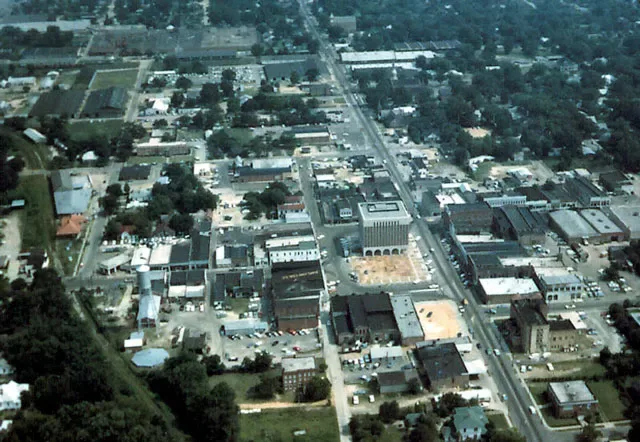
Darlington County sits in the Pee Dee region, where average annual rainfall pushes past 45 inches - more precipitation than Seattle receives in a typical year. That moisture, combined with humid subtropical summers and a housing stock that includes many pre-1980 homes on crawl spaces, creates conditions where a small leak becomes a structural problem quickly.
Property owners across Darlington, Hartsville, Lamar, and Society Hill rely on a full spectrum of restoration work:
- Water Damage Restoration - extraction, structural drying, moisture mapping, and controlled dehumidification after pipe breaks, roof leaks, or appliance failures
- Flooded Basement and crawl space recovery - pumping standing water, drying subfloors, and treating joists before decay sets in
- Sewage Cleanup - removal of Category 3 contaminated water, antimicrobial treatment, and safe disposal of porous materials
- Fire Damage Restoration - debris removal, soot cleaning, structural stabilization, and content recovery
- Smoke Damage Restoration - odor neutralization, HVAC decontamination, and surface deodorization in rooms the flames never touched
- Mold Removal - containment, HEPA filtration, and removal of colonized materials
IICRC-certified crews respond 24/7, documenting damage for insurance while limiting secondary losses. Fast response protects framing, flooring, drywall, and indoor air quality - and usually shrinks the overall scope of repair.
Common Damage Restoration Issues in Darlington County, South Carolina
Local geography drives most restoration calls. Black Creek, Swift Creek, and the Pee Dee River corridor swell during heavy rain events, while flat terrain and clay-heavy soils hold water against foundations instead of draining it away.
Frequent Causes of Damage
- Tropical systems and remnant hurricanes pushing inland from the coast with sustained rainfall
- Summer thunderstorms that overwhelm gutters, downspouts, and yard drainage
- Aging cast iron and clay sewer laterals in older Darlington and Hartsville neighborhoods, prone to root intrusion and backups
- Crawl space vapor intrusion beneath homes without adequate encapsulation
- Winter pipe bursts during hard freezes, especially in uninsulated crawl spaces and exterior walls
- Space heater, fireplace, and kitchen fires during colder months
- Lightning strikes and electrical faults in homes with original wiring
Warning Signs Not to Ignore
- Musty or earthy odors that intensify when the HVAC runs - often the first indicator of hidden mold
- Cupping, buckling, or soft spots in hardwood and laminate flooring
- Brown or yellow ceiling rings that reappear after painting
- Peeling paint, bubbling wallpaper, or efflorescence on block foundation walls
- Gurgling drains or slow toilets, which frequently precede a sewage backup
- Persistent smoke odor weeks after a minor fire, signaling soot residue inside ductwork and wall cavities
- Unexplained allergy symptoms, headaches, or respiratory irritation among household members
Small problems in this climate rarely stay small. Mold can colonize damp drywall within a day or two once humidity climbs.
Neighborhoods We Serve in Darlington County
Restoration crews cover the entire county and adjoining Pee Dee communities, including:
- Darlington - the historic downtown square, Cashua Street corridor, and neighborhoods surrounding Darlington Raceway
- Hartsville - Coker University area, Prestwood Lake, Fifth Street, and West Carolina Avenue
- Lamar - town center and surrounding farmsteads along Highway 401
- Society Hill - historic homes near the Great Pee Dee River
- Hartsville outskirts - Lydia, Kelleytown, and Antioch communities
- Rural corridors along Highways 52, 151, 34, and I-20 access points
- Nearby service areas - Florence, Timmonsville, Bishopville, Dovesville, and Cheraw
Local dispatch matters during widespread storm events, when regional crews are stretched thin. Familiarity with county roads, municipal water and sewer systems, and permitting offices in Darlington and Hartsville keeps projects moving without administrative delays.
Seasonal Damage Patterns in Darlington County
Winter (December - February)
- Hard freezes burst supply lines in crawl spaces, garages, and exterior walls
- Peak season for heating-related fire and smoke damage from space heaters, fireplaces, and chimney flue issues
- Sealed-up homes trap combustion odors and soot residue
Spring (March - May)
- Heavy frontal rain saturates clay soils, driving groundwater into basements and crawl spaces
- Rising humidity reactivates dormant mold in attics and under floors
- Storm-damaged roofs allow slow, hidden water intrusion
Summer (June - August)
- Highest mold growth period as dew points stay in the 70s
- Air conditioning condensate line clogs flood hallways and closets
- Thunderstorm downpours overwhelm sewer laterals, causing backups
Fall (September - November)
- Tropical storm remnants deliver the county's heaviest single-event rainfall totals
- Clogged gutters filled with leaves send water down foundation walls
- First furnace startups produce smoke odors and occasional flue fires
Housing Characteristics & Restoration Considerations
Darlington County's median home was built in the 1970s or earlier, and the county includes a notable share of historic residences - particularly around Darlington's downtown district and Society Hill. That age profile shapes nearly every restoration decision.
Common Construction Types
- Vented crawl space foundations - the dominant style, and the most frequent site of hidden water damage and mold colonization on floor joists and subfloor sheathing
- Brick veneer over wood frame - traps moisture behind masonry when flashing or weep holes fail
- Concrete slab-on-grade ranch homes from the 1960s - 1990s, where slab leaks surface as warm spots and baseboard staining
- Manufactured and modular housing in rural areas, with belly wrap that holds water and complicates drying
- Historic wood-frame homes with plaster, lath, and old-growth lumber requiring gentle, controlled drying rather than demolition
How Age Affects Restoration Scope
- Pre-1980 homes may contain asbestos-bearing floor tile, mastic, or textured ceilings - testing precedes any demolition
- Lead-based paint in pre-1978 properties requires certified containment during fire and water repairs
- Original galvanized or cast iron plumbing corrodes from the inside, producing sudden pinhole leaks
- Knob-and-tube or aluminum branch wiring increases electrical fire risk and demands inspection after any water event
- Undersized or absent vapor barriers in crawl spaces keep humidity elevated year-round
- Blown-in and batt insulation absorbs contaminated water and is typically removed rather than dried
Environmental Conditions & Damage Implications
The county's humid subtropical climate keeps outdoor relative humidity high for most of the year, with summer dew points regularly in the low 70s. Indoors, that translates to a constant drying challenge.
Climate and Moisture
- Roughly 45 - 48 inches of annual rainfall, concentrated in summer thunderstorms and fall tropical systems
- Long growing season with mild winters, so mold spores remain active nearly year-round
- High ambient humidity means open windows and box fans make water damage worse, not better - closed-system dehumidification is the correct approach
Soil and Groundwater
- Coastal plain sandy loam over dense clay subsoil - surface water drains, then perches on the clay layer
- Shallow water tables near Black Creek, Swift Creek, and the Great Pee Dee River raise hydrostatic pressure against foundations
- Flat topography limits natural runoff, keeping yards saturated for days after heavy rain
Air Quality and Contamination
- Agricultural dust, pollen, and pine debris load HVAC filters, giving mold spores extra organic material to feed on
- Septic systems common in rural areas can surface during saturation, introducing Category 3 contamination to yards and crawl spaces
- Smoke particulate from structure fires bonds tightly to surfaces in humid conditions, requiring thermal fogging or hydroxyl treatment rather than surface wiping alone
Moisture readings, thermal imaging, and psychrometric monitoring guide every drying plan so structures reach documented dry standard - not just dry to the touch.
Crawl Space Water Damage and Mold: The Darlington County Priority
More restoration calls in this county trace back to the crawl space than to any other single area. Because most homes here sit 18 to 36 inches above grade on vented block foundations, warm humid air enters through foundation vents, contacts cool subfloor surfaces, and condenses - even with no plumbing leak at all.
What Crawl Space Failure Looks Like
- Standing water or saturated soil beneath the vapor barrier after storms
- White, gray, or black growth on floor joists, rim boards, and subfloor sheathing
- Insulation batts sagging or fallen from between joists
- Rust on ductwork straps, HVAC units, and metal fasteners
- Sponginess in bathroom and kitchen floors above
- Musty odor rising into living space through the stack effect
The Restoration Sequence
- Inspection - moisture meters, hygrometers, and thermal cameras map the extent of saturation and identify the water source
- Water extraction - sump pumps and truck-mounted units remove standing water; sewage backups trigger full Category 3 protocols
- Containment - negative air machines with HEPA filtration isolate the work zone from living areas
- Material removal - contaminated insulation, vapor barrier, and unsalvageable wood are bagged and disposed of
- Structural drying - low-grain refrigerant dehumidifiers and air movers run until documented dry standard is reached
- Antimicrobial treatment and remediation - HEPA vacuuming, surface cleaning, and treatment of framing members
- Prevention - new vapor barrier, encapsulation, drainage correction, and dehumidifier installation to stop repeat events
Fire and smoke incidents follow a parallel path, with soot removal and odor neutralization replacing extraction. In every case, moisture logs, photographs, and scope documentation accompany the insurance claim so homeowners in Darlington, Hartsville, and Lamar are not left arguing over what was actually done.