Damage Restoration in Kershaw County, SC
- Damage Restoration Services Overview
- Common Damage Restoration Issues in Kershaw County, South Carolina
- Neighborhoods We Serve in Kershaw County
- Seasonal Damage Patterns in Kershaw County
- Housing Characteristics & Restoration Considerations
- Environmental Conditions & Damage Implications
- Modern Drying and Restoration Technology for Kershaw County Properties
Damage Restoration Services Overview
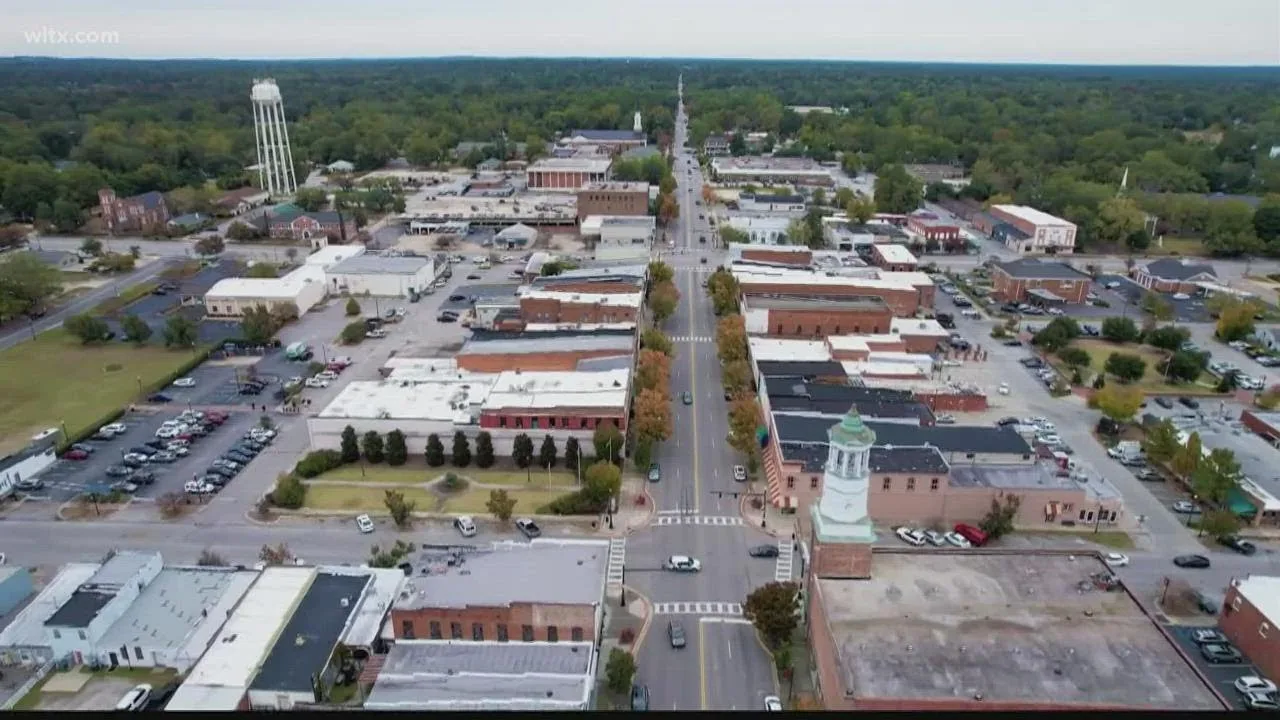
What happens in the first hour after a supply line bursts in a Camden farmhouse or a kitchen fire fills a Lugoff ranch with soot? That opening window shapes how much of the structure survives - and how much has to be torn out later.
Property damage in Kershaw County rarely arrives politely. It comes with storm bands off the Wateree, backed-up septic lines on rural lots, and smoke that travels through balloon-framed walls in early-1900s textile-town housing. The restoration providers matched through this page cover the full spectrum of emergency and recovery work:
- Water Damage Restoration - extraction, structural drying, moisture mapping, and documentation for insurance claims
- Flooded Basement - pump-out, sump and drainage evaluation, and drying of below-grade walls and slabs
- Sewage Cleanup - removal of contaminated materials, antimicrobial treatment, and safe disposal of Category 3 water
- Fire Damage Restoration - debris removal, structural stabilization, content pack-out, and phased reconstruction
- Smoke Damage Restoration - soot removal, thermal fogging, HVAC and duct cleaning, and odor neutralization
- Mold Removal - containment, HEPA filtration, affected material removal, and moisture-source correction
The benefit for local homeowners and business owners is straightforward: faster stabilization, fewer secondary losses, and cleaner claim documentation from crews who already understand how Kershaw County properties are built.
Common Damage Restoration Issues in Kershaw County, South Carolina
Rural drainage patterns and aging housing stock give this county a damage profile all its own. Sandy soils in the Sandhills drain fast, while clay-heavy pockets near creek bottoms hold water against foundations for days.
Frequent Causes of Loss
- Heavy summer thunderstorms and tropical remnants overwhelming yard grading and gutter systems
- Septic system saturation on large rural lots, pushing sewage back into low fixtures
- Crawl space moisture and standing water beneath older Camden and Bethune homes
- Aging galvanized and polybutylene supply lines in mid-century additions
- Wildfire and controlled-burn smoke drifting into homes near wooded tracts
- Kitchen grease fires, chimney fires, and electrical faults in outdated wiring
- Air conditioning condensate line clogs during long humid stretches
Warning Signs Worth Acting On
- Musty odor that intensifies when the HVAC cycles on
- Cupping hardwood, bubbling paint, or tape seams lifting on drywall
- Efflorescence - white chalky residue - on basement or foundation walls
- Slow drains across multiple fixtures, often the first hint of a septic or main-line issue
- Yellow-brown staining on ceilings near bath or attic units
- Lingering smoke smell weeks after a small fire, indicating soot in ductwork or wall cavities
- Visible dark spotting behind toilets, under sinks, or along baseboards
Small signals ignored through a humid Midlands summer routinely turn into mold remediation projects by fall.
Neighborhoods We Serve in Kershaw County
Coverage extends across the county's towns, unincorporated communities, and rural routes.
- Camden - the historic district, Kirkwood, Hobkirk Hill, and downtown commercial blocks
- Lugoff - subdivisions along US-1 and neighborhoods near the Wateree River corridor
- Elgin - fast-growing developments including Woodcreek Farms edges and Bent Creek
- Bethune, Cassatt, and Westville - rural properties with well and septic systems
- Boykin, Blaney, Charlotte Thompson, and Liberty Hill
- Antioch, Buffalo, and White Oak communities
- Properties near Lake Wateree and along Big Pine Tree Creek
Crews also respond to surrounding areas in Lee, Richland, Sumter, and Fairfield counties, along with commercial sites near I-20 and the industrial corridors serving Camden and Lugoff.
Seasonal Damage Patterns in Kershaw County
Each season brings a distinct call pattern to local restoration crews.
- Winter (December - February) - Hard freezes crack exposed crawl space plumbing and hose bibs. Fire and smoke damage climbs with space heaters, fireplaces, and chimney flues that skipped a cleaning.
- Spring (March - May) - Frontal storms and pollen-heavy air arrive together. Roof leaks, flooded basements, and clogged gutter overflow dominate. Mold that grew quietly over winter starts showing on baseboards.
- Summer (June - August) - Peak humidity and afternoon thunderstorms. Condensate overflows, HVAC-driven condensation, saturated septic fields, and sewage backups spike. Mold growth accelerates in crawl spaces and closets.
- Late Summer to Fall (August - October) - Tropical systems tracking inland bring wind-driven rain, tree impacts, and widespread water intrusion.
- Fall (October - November) - Dry, breezy stretches raise wildfire and brush-fire risk near wooded tracts, along with the first heating-season fire calls.
Housing Characteristics & Restoration Considerations
Kershaw County's building stock spans three centuries, and each era responds differently to water, smoke, and microbial growth.
Common Construction Types
- Antebellum and early-1900s homes in Camden - heart pine floors, plaster over wood lath, brick pier foundations, and open crawl spaces
- Textile-mill era cottages - balloon framing that lets smoke and water travel vertically inside wall cavities
- Mid-century ranches - slab or crawl space construction with original ductwork under the house
- 1990s - 2020s subdivisions in Elgin and Lugoff - engineered lumber, OSB sheathing, and tighter envelopes that trap moisture
- Manufactured and modular homes on rural acreage with belly-board insulation that holds water
How Age Shapes the Work
- Plaster and lath dries slowly and often needs injection drying rather than demolition
- Pre-1980 materials warrant asbestos and lead-paint screening before any fire or water tear-out
- Heart pine flooring can frequently be saved with mat drying instead of replacement
- Crawl spaces require vapor barrier repair and dehumidification, not just extraction
- Slab homes need moisture meters and thermal imaging to trace hidden wicking up wall bases
- Newer tight construction traps humidity, making post-loss dehumidification non-negotiable
- Under-slab or crawl space ductwork contaminated by sewage or soot usually needs full replacement
Phased restoration keeps families and tenants in usable portions of the property while structural repairs continue elsewhere.
Environmental Conditions & Damage Implications
The county sits where the Sandhills meet the Wateree floodplain, and that geography drives both how water moves and how long materials stay wet.
Climate and Air
- Humid subtropical conditions with summer dew points that keep indoor humidity elevated for months
- Annual rainfall concentrated in intense convective bursts rather than gentle soaking
- Heavy spring pollen loads that foul HVAC filters and complicate post-fire air scrubbing
- Smoke drift from agricultural burns, forestry management, and regional wildfires
Soil and Water
- Sandy Sandhills soils allow rapid infiltration but offer poor lateral support to foundation drains
- Clay lenses near creeks and the Wateree hold water against footings, feeding basement and crawl space seepage
- Widespread private wells and septic systems, which saturate and back up during prolonged rain
- Iron and mineral content in some well water leaves staining that can be mistaken for mold
- Floodplain parcels along the Wateree River and Lake Wateree shoreline face repeat exposure
What This Means for Restoration
- Drying plans must account for high ambient humidity - open windows rarely help here
- Sewage cleanup on septic properties includes evaluating drain field function, not just interior sanitizing
- Mold remediation requires correcting the moisture source or growth returns within a season
- Smoke odor control benefits from sealed containment and HEPA filtration given outdoor particulate levels
Modern Drying and Restoration Technology for Kershaw County Properties
Equipment has changed more in the past decade than in the previous thirty years, and that matters in a humid Midlands climate where old-fashioned fan-and-hope drying simply fails.
Diagnostic Tools Used On-Site
- Infrared thermal cameras that reveal moisture behind plaster, brick veneer, and under slabs without demolition
- Non-penetrating and pin-type moisture meters for tracking daily drying progress by material
- Thermo-hygrometers and psychrometric logging to prove the drying chamber is actually performing
- Borescopes for inspecting wall cavities in balloon-framed mill housing
- Air sampling and surface swabs for mold verification before and after remediation
Drying and Cleaning Equipment
- Low-grain refrigerant and desiccant dehumidifiers sized to the space, not the truck
- Axial and centrifugal air movers positioned for controlled evaporation
- Injectidry systems for wall cavities, hardwood mats for heart pine floors
- Negative-air machines with HEPA filtration for mold and sewage containment
- Hydroxyl generators, ozone, and thermal fogging for smoke odor at the molecular level
- Soda and dry-ice blasting for soot removal from framing after structure fires
- Truck-mounted extraction units for high-volume basement and crawl space pump-out
How a Typical Project Progresses
- Emergency contact, dispatch, and safety assessment of electrical and structural hazards
- Source control - stopping the leak, boarding openings, or tarping roof damage
- Extraction or debris removal, with contaminated materials handled under Category 3 protocols where sewage is involved
- Drying chamber setup with daily moisture readings and documented psychrometrics
- Cleaning, deodorizing, antimicrobial application, and duct cleaning as needed
- Clearance verification, then phased reconstruction to return the property to pre-loss condition
Established providers serving the area - including Kingsley Water Damage & Fire Cleanup, SERVPRO, and ATI Restoration - bring IICRC-certified technicians and this class of equipment to Camden, Lugoff, Elgin, and the surrounding rural communities.