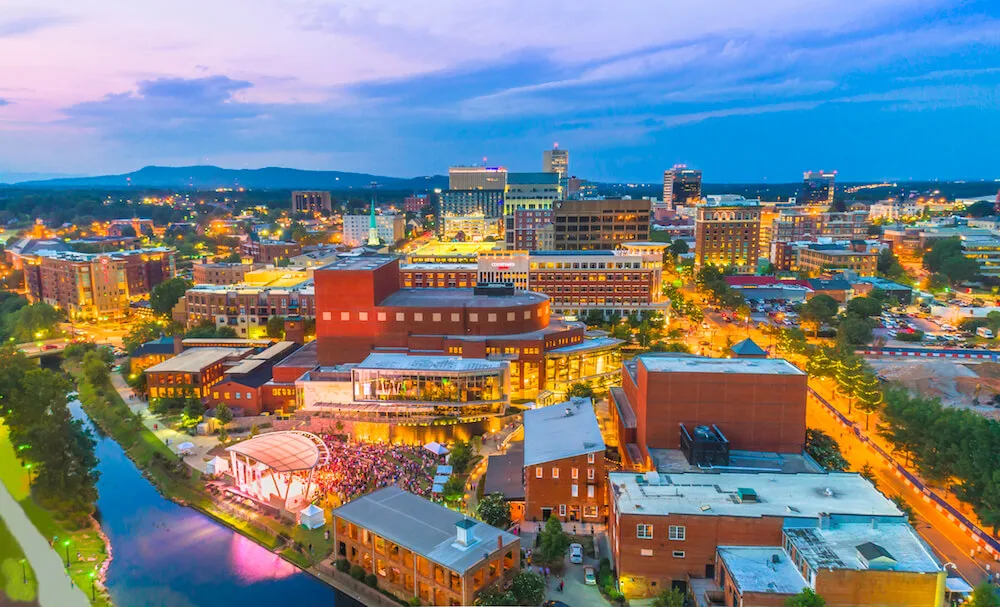
Damage Restoration in Greenville, SC
- Damage Restoration Services Overview
- Common Damage Restoration Issues in Greenville, South Carolina
- Neighborhoods We Serve in Greenville
- Seasonal Damage Patterns in Greenville
- Housing Characteristics & Restoration Considerations
- Environmental Conditions & Damage Implications
- Reedy River Corridor Flood Risk Management
Damage Restoration Services Overview
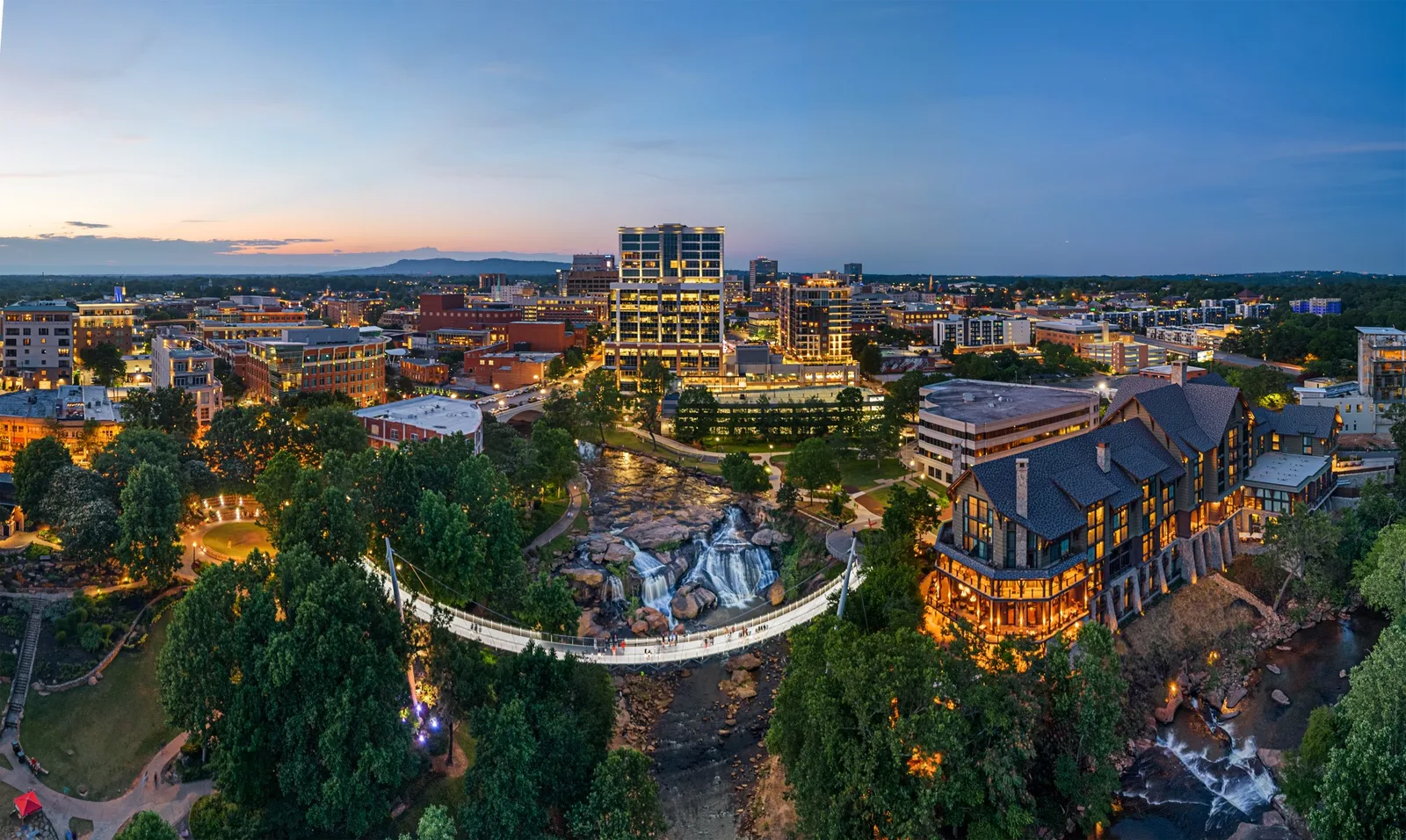
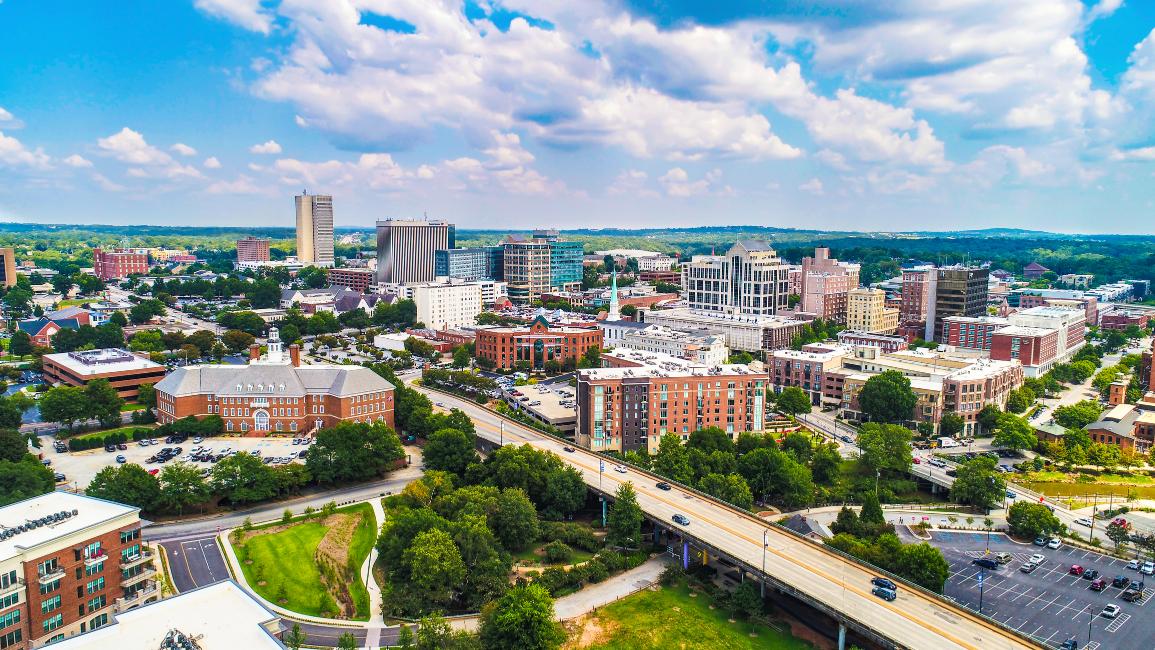
Greenville, South Carolina's unique position in the foothills of the Blue Ridge Mountains creates specific challenges for property owners dealing with damage restoration needs. The area's humid subtropical climate, combined with seasonal weather patterns and diverse housing stock, makes comprehensive restoration services essential for maintaining safe, healthy living and working environments.
Professional restoration services in Greenville address multiple types of property damage:
- Water damage restoration from burst pipes, appliance failures, and storm flooding
- Flooded basement remediation addressing groundwater intrusion and drainage issues
- Sewage cleanup handling contaminated water emergencies
- Fire damage restoration rebuilding structures and contents after blazes
- Smoke damage restoration eliminating odors and residue throughout properties
- Mold removal targeting fungal growth in humid conditions
These services provide immediate emergency response, prevent secondary damage, and restore properties to pre-loss conditions. Greenville residents benefit from 24/7 availability, certified technicians using advanced equipment, and comprehensive approaches that address both visible damage and hidden issues that could cause problems later.
Common Damage Restoration Issues in Greenville, South Carolina
Greenville's geographic location and climate patterns create predictable restoration challenges throughout the year. The area's elevation changes, from downtown's river valley to surrounding hills, affect how water moves through properties and neighborhoods.
Frequent restoration issues include:
- Water damage from heavy spring rains overwhelming drainage systems
- Flooded basements during summer thunderstorms and tropical weather events
- Sewage backups caused by aging infrastructure and storm water overload
- Fire damage from electrical issues in older homes and wildfire risks in wooded areas
- Smoke damage penetrating HVAC systems and porous materials
- Mold growth in crawl spaces, basements, and attics due to high humidity levels
Warning signs property owners should monitor include:
- Water stains on walls or ceilings indicating hidden leaks
- Musty odors suggesting mold growth in concealed areas
- Basement moisture or standing water after storms
- Electrical issues that could lead to fire hazards
- HVAC system problems affecting air quality
- Foundation settling creating entry points for water
Early detection and professional intervention prevent minor issues from becoming major restoration projects requiring extensive remediation efforts.
Neighborhoods We Serve in Greenville
Our restoration services cover all areas of Greenville County and surrounding communities, addressing the unique challenges each neighborhood faces based on geography, housing age, and infrastructure conditions.
Service areas include:
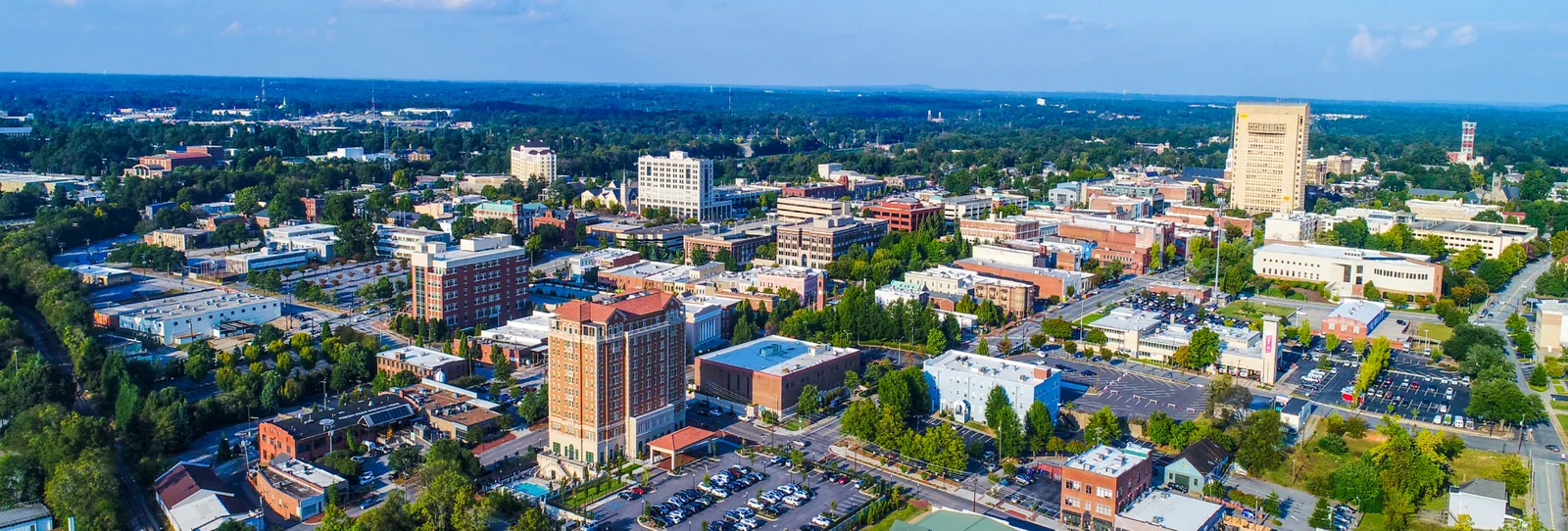
- Downtown Greenville and the West End historic districts
- North Main and Overbrook neighborhoods
- Augusta Road corridor and Verdae developments
- Simpsonville, Mauldin, and Greer communities
- Travelers Rest and northern county rural areas
- Taylors, Wade Hampton, and eastern suburbs
- Fountain Inn, Piedmont, and southern county locations
Each area presents distinct restoration considerations, from historic downtown buildings requiring specialized techniques to newer suburban developments with modern construction challenges. Rural properties often face unique access issues and well water concerns, while urban areas deal with aging infrastructure and higher density living situations.
Seasonal Damage Patterns in Greenville
Greenville's seasonal weather patterns create predictable peaks in different types of restoration needs throughout the year, helping property owners prepare for likely challenges.
Spring restoration patterns include:
- Water damage from heavy March and April rainfall
- Flooded basements as winter frost thaws and drainage systems activate
- Mold growth beginning as humidity levels rise
Summer challenges feature:
- Severe thunderstorm water damage and flooding
- Fire damage risks during dry periods
- Sewage backup issues from overwhelmed storm systems
- Peak mold growth in high humidity conditions
Fall restoration needs involve:
- Smoke damage from increased fireplace and heating system use
- Water damage from tropical weather systems
- Preparation for winter freeze-thaw cycles
Winter restoration focuses on:
- Fire damage from heating equipment and holiday decorations
- Burst pipe water damage during freeze events
- Ice dam issues in northern county elevated areas
Housing Characteristics & Restoration Considerations
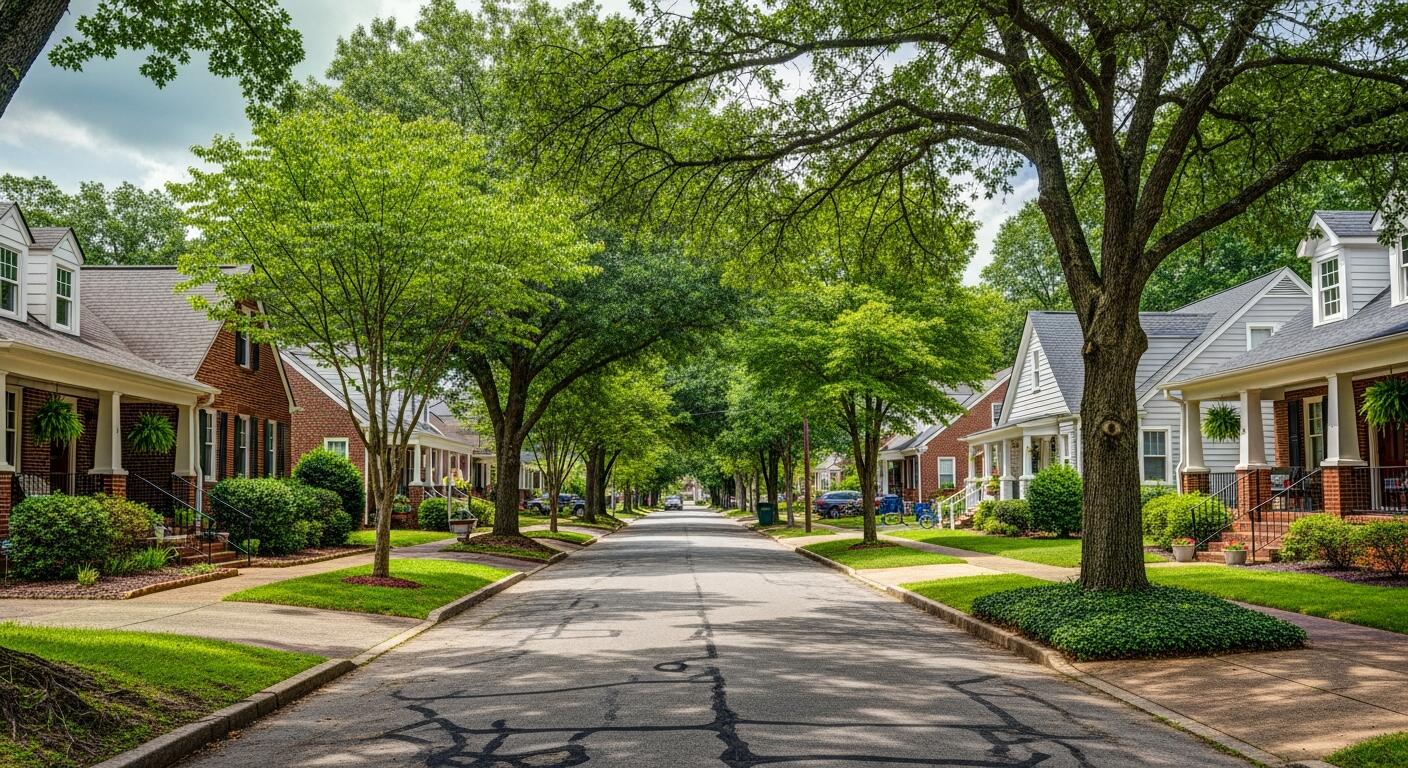
Greenville's diverse housing stock spans from antebellum mansions to modern subdivisions, each presenting unique restoration challenges based on construction methods, materials, and age-related vulnerabilities.
Historic downtown properties built before 1950 often feature:
- Original hardwood floors requiring specialized water damage techniques
- Plaster walls needing careful mold remediation approaches
- Older electrical systems increasing fire damage risks
- Limited basement waterproofing creating flood vulnerability
Mid-century homes from 1950-1980 commonly have:
- Concrete block foundations prone to water intrusion
- Original HVAC ductwork spreading smoke damage quickly
- Crawl space construction creating mold growth conditions
- Cast iron plumbing systems subject to sewage backup issues
Modern construction since 1990 typically includes:
- Improved moisture barriers reducing water damage risks
- Better insulation that can trap moisture if compromised
- Complex HVAC systems requiring specialized smoke damage cleaning
- Engineered materials needing specific fire damage restoration methods
Each construction type requires tailored restoration approaches using appropriate techniques and materials that match original building methods while incorporating modern safety standards.
Environmental Conditions & Damage Implications
Greenville's environmental conditions significantly influence restoration needs and techniques, with the area's humid subtropical climate creating year-round challenges for property preservation and damage prevention.
Climate factors affecting restoration include:
- Average humidity levels of 70-80% promoting mold growth
- Annual rainfall of 47 inches increasing water damage frequency
- Temperature fluctuations causing expansion and contraction stress
- Seasonal weather patterns creating predictable damage cycles
Geographic influences on restoration work:
- Piedmont clay soil with poor drainage increasing basement flooding
- Elevation changes creating water flow patterns toward lower areas
- Proximity to Reedy River and tributaries raising flood risks
- Forested areas increasing fire damage potential during dry periods
Air quality considerations impact restoration approaches:
- Seasonal pollen requiring specialized filtration during remediation
- Industrial emissions affecting outdoor air intake systems
- Vehicle exhaust in urban areas complicating smoke damage assessment
- Natural humidity requiring enhanced dehumidification during restoration
These environmental factors require restoration professionals to adapt techniques, select appropriate equipment, and modify timelines to account for local conditions that affect drying rates, material performance, and long-term restoration success.
Reedy River Corridor Flood Risk Management
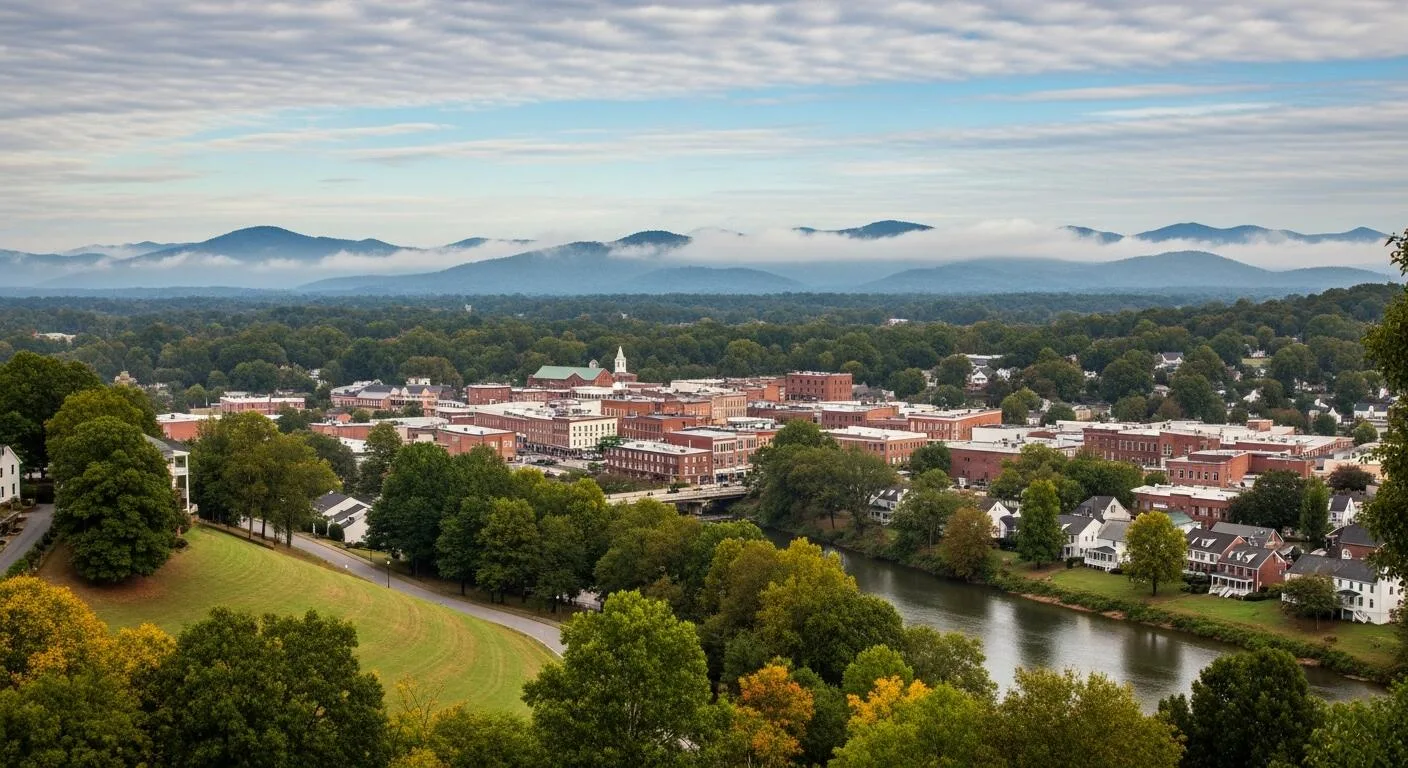
The Reedy River running through downtown Greenville creates both scenic beauty and significant flood risks for surrounding properties, requiring specialized restoration approaches for water-related damage in the river corridor and downstream areas.
Properties near the Reedy River face unique restoration challenges:
- Flash flooding during heavy rainfall events affecting basements and ground floors
- Groundwater intrusion through foundation walls during high river levels
- Sewage system backups when storm water overwhelms municipal infrastructure
- Mold growth in consistently damp conditions near the waterway
- Contaminated water issues requiring specialized cleanup protocols
Restoration professionals working in the river corridor must understand:
- Flood plain regulations affecting restoration methods and materials
- Historical flood patterns and their impact on property vulnerability
- Coordination with city drainage improvement projects
- Environmental protection requirements during cleanup activities
- Insurance considerations specific to flood-prone areas
Effective river corridor restoration involves rapid water extraction, thorough structural drying, contamination assessment, and preventive measures to reduce future flood damage risks. Properties in these areas benefit from restoration professionals who maintain clear communication with property owners about realistic timelines, explain the relationship between river conditions and restoration progress, and provide transparent documentation for insurance claims related to flood events.
Successful restoration in flood-prone areas requires ongoing monitoring even after initial cleanup, as groundwater conditions and seasonal river patterns can affect the long-term success of restoration efforts.