Damage Restoration in Georgetown County, SC
- Damage Restoration Services Overview
- Common Damage Restoration Issues in Georgetown County, South Carolina
- Neighborhoods We Serve in Georgetown County
- Seasonal Damage Patterns in Georgetown County
- Housing Characteristics & Restoration Considerations
- Environmental Conditions & Damage Implications
- Emergency Response Timing for Coastal and Storm Losses
Damage Restoration Services Overview
Water that sits for a weekend in a Georgetown County home rarely stays a water problem. Within days, subfloors swell, drywall wicks moisture upward, adhesives release, and mold colonies establish inside wall cavities where no fan can reach. Fire and smoke behave the same way - acidic soot residue keeps etching metal, glass, and finishes long after the flames are out, and sewage backups drive bacteria into porous materials that cannot be salvaged once contamination sets.
Restoration work along the Waccamaw, Black, Pee Dee, and Sampit rivers demands a full range of response capability, because a single storm event often produces several damage types at once.
- Water Damage Restoration - extraction, structural drying, moisture mapping, and monitoring until materials return to dry standard
- Flooded Basement - pump-out, contents handling, and dehumidification for below-grade and crawl space flooding
- Sewage Cleanup - Category 3 containment, removal of contaminated porous materials, and antimicrobial treatment
- Fire Damage Restoration - debris removal, structural stabilization, and salvage assessment
- Smoke Damage Restoration - soot removal, thermal fogging, HVAC cleaning, and odor neutralization
- Mold Removal - containment, HEPA filtration, and remediation of affected assemblies
Benefits for local property owners include faster reoccupancy, reduced material loss, documented moisture readings for insurance carriers, and protection of historic building fabric that cannot be replaced.
Common Damage Restoration Issues in Georgetown County, South Carolina
Georgetown County sits where five river systems meet Winyah Bay, and that geography drives most restoration calls. Storm surge, tidal backflow, sandy soil saturation, and near-constant coastal humidity combine to make drying slower and mold growth faster than in inland counties.
Frequent Causes of Damage
- Tropical systems and nor'easters pushing surge into Georgetown's historic waterfront and Pawleys Island properties
- Heavy rainfall overwhelming stormwater drainage in low-lying neighborhoods near the Sampit River
- Crawl space flooding under raised homes, followed by joist and subfloor rot
- Sewer line surcharges and septic failures during saturated ground conditions
- Supply line, water heater, and washing machine hose failures in seasonal and vacation homes left unoccupied
- Lightning strikes and electrical fires during summer thunderstorm season
- Kitchen grease fires and heating-related fires in older homes with dated wiring
Warning Signs Worth Acting On
- Musty odor in a closed room, closet, or hallway - often the first sign of hidden mold
- Cupping or crowning hardwood floors, or vinyl plank lifting at seams
- Tannin staining or bubbling paint on ceilings and baseboards
- Condensation on ductwork or persistent indoor humidity above comfortable levels
- Gurgling drains, slow toilets, or sewage odor near cleanouts
- Soot film reappearing on walls after cleaning, or smoke odor returning on humid days
- Insulation sagging or falling from crawl space floor framing
Any of these signals warrants inspection before the affected area expands into adjacent framing.
Neighborhoods We Serve in Georgetown County
Crews respond throughout the county, from barrier island properties to inland river communities.
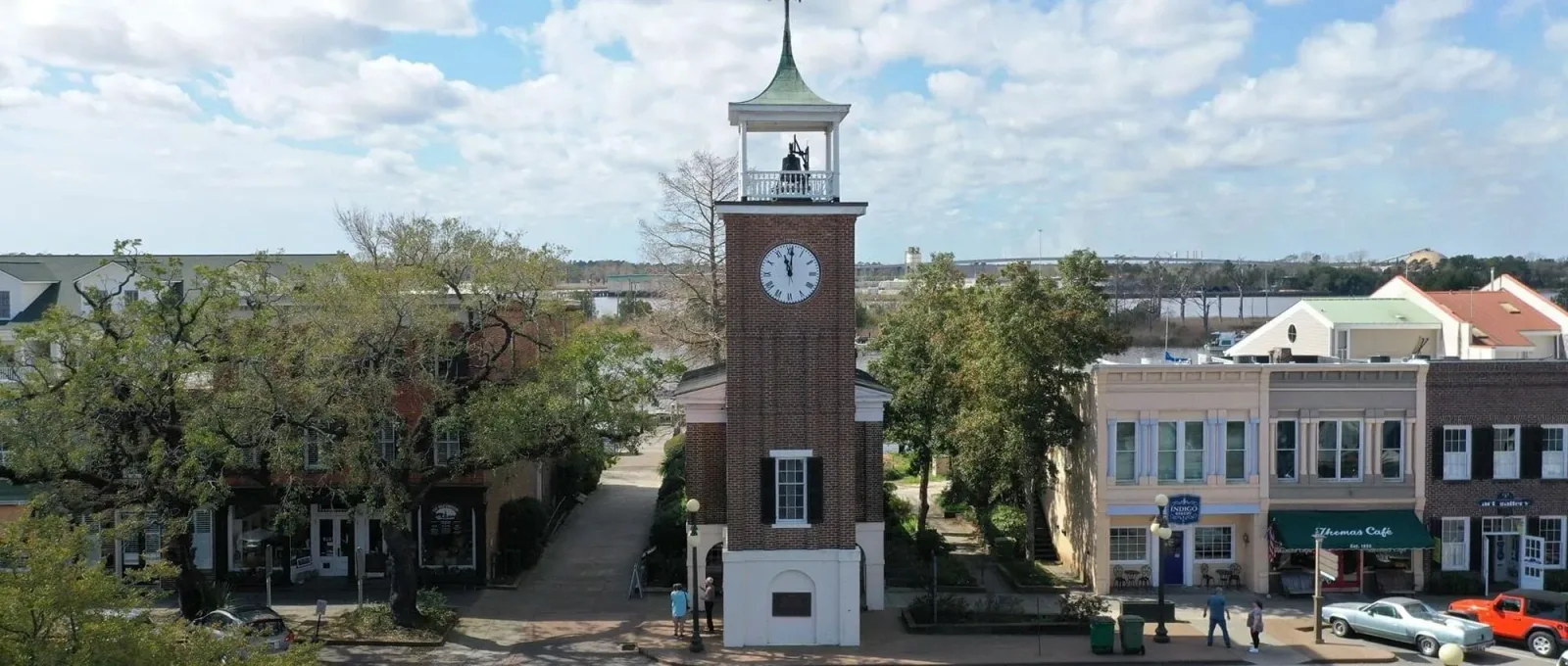
- City of Georgetown - Historic District, Front Street, Maryville, West End, and Sampit riverfront areas
- Pawleys Island - creekside, oceanfront, and mainland Pawleys neighborhoods
- Litchfield - Litchfield Beach, Litchfield by the Sea, and surrounding golf communities
- Murrells Inlet and the northern county corridor along Highway 17
- DeBordieu Colony and North Santee/South Santee communities
- Andrews, Sampit, Plantersville, and Choppee in the western county
- Hemingway edge, Pleasant Hill, Rhems, and Brown's Ferry rural properties
- Waverly, Willbrook, Hagley Estates, and Prince George
Response also extends to surrounding areas of Horry, Williamsburg, and Charleston counties when regional storms create widespread demand.
Seasonal Damage Patterns in Georgetown County
- January - February: Frozen and burst pipes during cold snaps, especially in unheated crawl spaces and vacant vacation homes. Heating equipment and fireplace fires peak, producing smoke damage calls.
- March - April: Spring rains saturate sandy and clay-loam soils. Crawl space and basement water intrusion rises, and mold that overwintered begins active growth as temperatures climb.
- May - July: Humidity and daily thunderstorms drive mold removal demand. Lightning-caused fires and air conditioning condensate line clogs create ceiling water damage.
- August - October: Peak hurricane and tropical storm window. Storm surge, river flooding, roof loss, sewage backups, and large-loss water damage cluster here. Sewer surcharge risk is highest during multi-day rain events.
- November - December: Nor'easters and coastal flooding continue. Kitchen fires increase during holiday cooking, and smoke odor issues surface as homes are sealed up.
Year-round, coastal humidity means any unaddressed moisture can support mold growth in a matter of days rather than weeks.
Housing Characteristics & Restoration Considerations
Georgetown County's building stock spans three centuries, and each era responds differently to water, fire, and contamination.
Common Construction Types
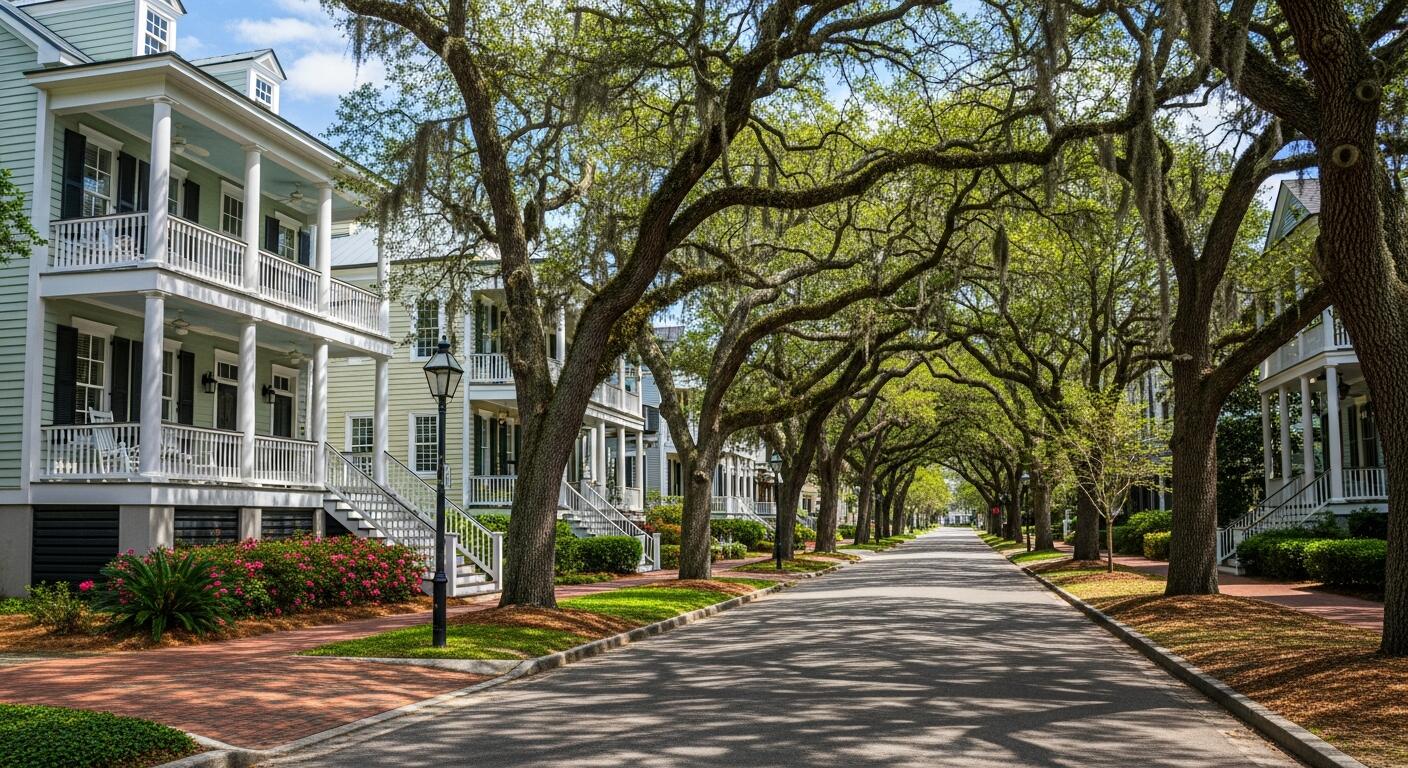
- Historic District homes - antebellum and Victorian structures with heart pine framing, plaster over lath, and original millwork that requires careful, controlled drying rather than aggressive demolition
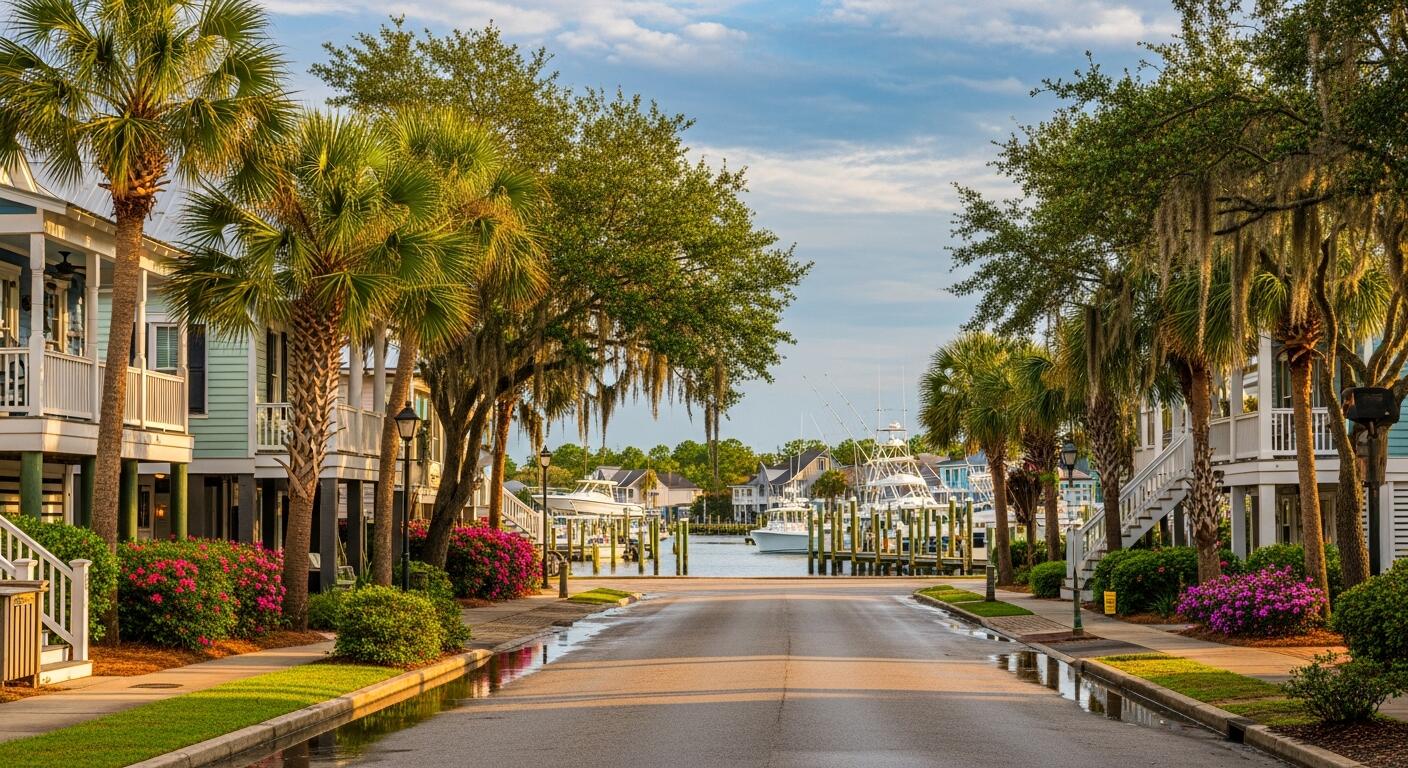
- Raised beach houses - pilings or piers on Pawleys, Litchfield, and DeBordieu, where ground-level enclosures, storage, and utilities flood first
- Mid-century ranch homes - crawl space foundations, original hardwood, and sometimes asbestos-containing flooring or insulation requiring testing before removal
- Modern slab-on-grade subdivisions - engineered wood flooring and paper-faced drywall that absorb water quickly
- Rural properties in Andrews, Plantersville, and Choppee - well and septic systems that complicate sewage cleanup
How Age and Construction Affect the Work
- Plaster walls hold water far longer than drywall and need extended monitoring with moisture meters
- Older wiring and knob-and-tube remnants raise fire risk and require electrical clearance before restoration begins
- Vented crawl spaces pull humid coastal air under the home, feeding mold on floor joists and subfloor sheathing
- Balloon framing in historic homes lets smoke and soot travel between floors through open wall cavities
- Encapsulated crawl spaces trap water once flooded and need mechanical extraction, not passive drying
- Multi-layer flooring in renovated homes hides moisture between assemblies and often requires selective removal
Environmental Conditions & Damage Implications
The county's humid subtropical climate and estuarine setting shape every stage of restoration work.
Climate and Moisture
- High annual rainfall and long stretches of elevated relative humidity slow natural evaporation
- Warm temperatures across most of the year keep mold-friendly conditions active nearly continuously
- Dew point levels through summer mean outside air cannot be used for drying - closed-drying with dehumidifiers is required
Soil and Groundwater
- Sandy coastal soils drain quickly but transmit surge water laterally into crawl spaces
- Inland clay and loam hold water against foundations, extending flooded basement and crawl space saturation
- Shallow water tables near the rivers and bay limit how far below grade water can be pushed out
Water Quality and Contamination
- Floodwater from the Waccamaw, Black, Pee Dee, and Sampit typically carries agricultural runoff, silt, and bacteria - treated as Category 3
- Brackish and salt intrusion accelerates corrosion of fasteners, ductwork, and electrical components
- Septic systems in saturated soils back up into homes, requiring full sewage cleanup protocols
Air Quality
- Smoke odor lingers longer in humid air because moisture reactivates soot particles
- Pollen and coastal salt aerosols load HVAC systems, which then redistribute mold spores and soot after a loss
- Post-fire and post-mold projects benefit from HEPA air scrubbing and full duct cleaning
Emergency Response Timing for Coastal and Storm Losses
In Georgetown County, the gap between the loss and the first extraction pass determines how much of the structure survives. Coastal humidity gives materials no chance to dry on their own, and water that reaches historic heart pine, plaster, or crawl space framing begins causing irreversible change quickly.
What a Fast Response Prevents
- Mold colonization inside wall cavities and under flooring
- Permanent staining and etching from acidic soot on fixtures, appliances, and glass
- Delamination of engineered flooring and swelling of particleboard cabinetry
- Spread of Category 3 contamination from one room into clean areas
- Structural rot in joists, sills, and subfloor decking
- Secondary damage claims that complicate insurance settlement
How an Emergency Call Typically Proceeds
- Immediate phone triage - safety guidance on power, gas, and standing water while the crew is dispatched
- On-site assessment - moisture mapping with meters and thermal imaging to find hidden saturation
- Source control and containment - stopping intrusion, tarping, board-up, and isolating contaminated zones
- Extraction and removal - pumping standing water, removing unsalvageable porous materials, and clearing fire debris
- Structural drying - air movers, commercial dehumidifiers, and daily moisture readings until targets are met
- Cleaning and treatment - antimicrobial application, soot removal, thermal fogging, and HVAC decontamination
- Documentation - photos, readings, and scope notes prepared for the insurance carrier
- Reconstruction planning - rebuild coordination, with sensitivity to historic materials where applicable
What Property Owners Can Do First
- Shut off water at the main valve if the source is a supply failure
- Stay out of any area with standing water and live electrical circuits
- Avoid contact with sewage-affected water and keep pets and children clear
- Photograph conditions before moving anything, for claim purposes
- Do not run the HVAC system after a fire or mold discovery - it spreads contaminants
IICRC-certified crews are available around the clock across Georgetown County, including after hurricanes when demand spikes countywide.