
Damage Restoration in Georgetown, SC
- Damage Restoration Services Overview
- Common Damage Restoration Issues in Georgetown, South Carolina
- Neighborhoods We Serve in Georgetown
- Seasonal Damage Patterns in Georgetown
- Housing Characteristics & Restoration Considerations
- Environmental Conditions & Damage Implications
- Emergency Response Timing in a Small Coastal Market
Damage Restoration Services Overview
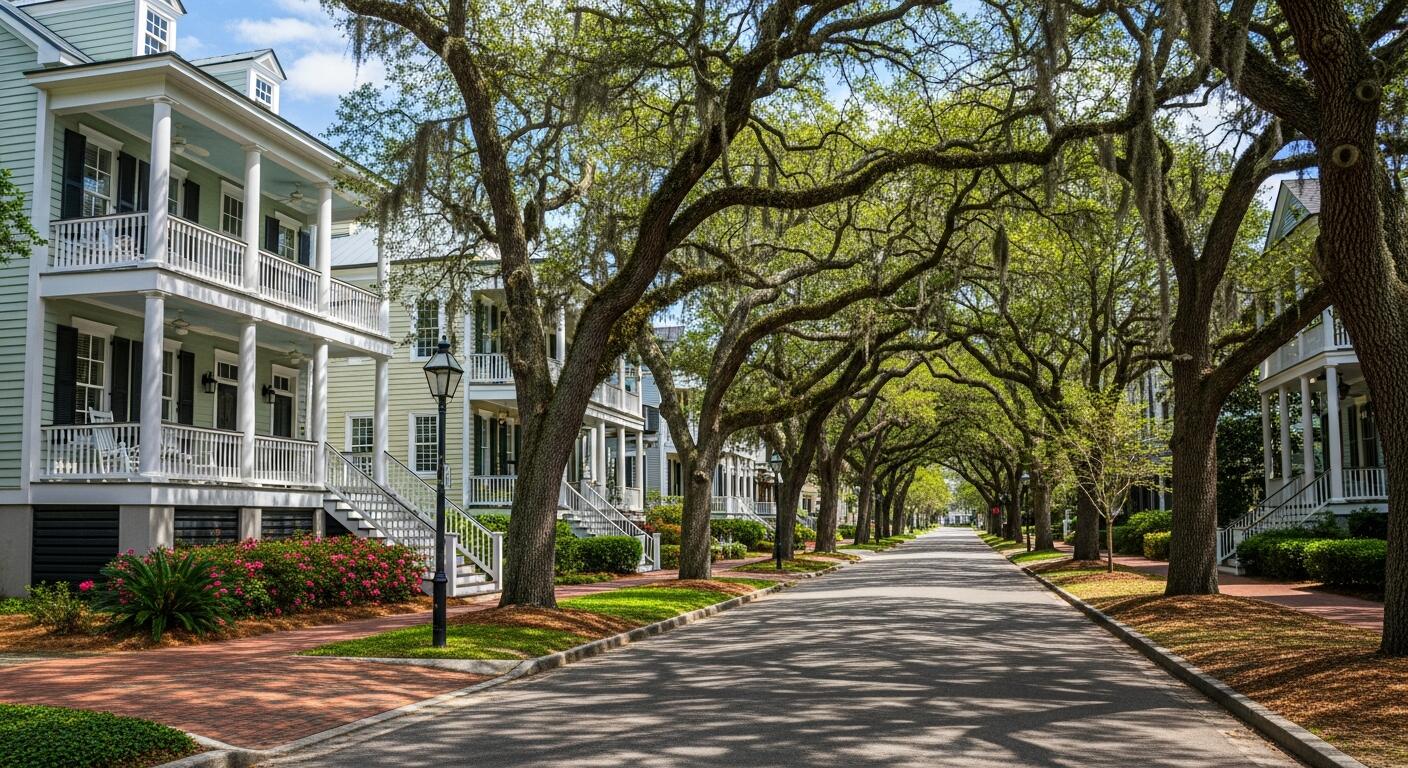
Georgetown sits at the head of Winyah Bay, where four rivers - the Sampit, Black, Pee Dee, and Waccamaw - converge before meeting the Atlantic. That drainage basin covers a large share of eastern South Carolina, which means water from storms hundreds of miles inland eventually passes through this historic port town.
Combine that with roughly 49 inches of annual rainfall, tidal influence, and hurricane exposure, and Georgetown property owners face a broader range of damage scenarios than most inland communities of similar size.
Restoration services available across Georgetown and Georgetown County include:
- Water damage restoration - extraction, structural drying, and moisture mapping after plumbing failures, roof leaks, storm intrusion, and tidal flooding
- Flooded basement and crawl space recovery - standing water removal, vapor barrier replacement, and subfloor drying in below-grade and elevated foundation spaces
- Sewage cleanup - containment, removal of contaminated porous materials, and antimicrobial treatment following backups and septic failures
- Fire damage restoration - structural stabilization, debris removal, and reconstruction coordination
- Smoke damage restoration - soot removal, thermal fogging, HVAC decontamination, and odor neutralization
- Mold removal - containment barriers, negative air pressure, HEPA filtration, and material remediation
Key benefits for local property owners: faster documentation for insurance carriers, reduced secondary damage, and preservation of original materials in Georgetown's older homes.
Common Damage Restoration Issues in Georgetown, South Carolina
The coastal plain's flat topography means floodwaters spread widely and recede slowly - a pattern that turns a single storm into a multi-week moisture problem. South Carolina's 2015 "Thousand-Year Rain" event flooded more than 40,000 structures statewide and demonstrated how quickly standing water becomes a structural and biological hazard.
Frequent Causes of Damage
- Storm surge and tidal backflow pushing brackish water into low-lying properties near the Sampit River and Front Street
- Wind-driven rain forced under shingles, around window flashing, and through soffit vents during tropical systems
- Sewer and septic backups when saturated soil overwhelms drain fields and municipal lines
- Crawl space standing water beneath raised historic homes
- Electrical fires in older wiring systems, plus kitchen and chimney fires in cooler months
- Slow supply-line leaks behind walls that go undetected for weeks in humid conditions
Warning Signs Worth Acting On
- Cupping, crowning, or darkening of hardwood flooring
- A persistent earthy or musty odor near baseboards, closets, or floor registers
- Bubbling paint, stained ceiling tiles, or soft drywall at wall bases
- Gnats or small flies clustering near a drain or crawl space access
- Visible efflorescence or white powdery residue on masonry foundations
- Soot film on window glass, lampshades, or above doorways after a small fire
- Sewer gas odor in bathrooms after heavy rain
Delayed professional response is the single largest driver of higher claim costs in smaller South Carolina markets. Mold colonization can begin within a day or two of sustained wetting, and smoke residues become acidic and corrosive as they age on metal and glass surfaces.
Neighborhoods We Serve in Georgetown
Coverage extends throughout the city and across Georgetown County, including waterfront districts, inland subdivisions, and rural properties along the river corridors.
- Historic District and Front Street - antebellum and Victorian structures near the Sampit waterfront
- Maryville and Keithfield - established residential neighborhoods within the city
- Wedgefield and Winyah Bay area - properties with direct tidal exposure
- Pawleys Island and Litchfield Beach - coastal homes and vacation rentals
- Murrells Inlet and Garden City fringe - northern Georgetown County
- Andrews, Hemingway corridor, and Plantersville - inland and rural county properties
- Santee Delta and Sampit communities - low-lying river-adjacent parcels
- DeBordieu and North Santee - barrier and near-barrier properties
Commercial coverage includes downtown retail, marina facilities, restaurants, churches, medical offices, and vacation rental portfolios along the Waccamaw Neck.
Seasonal Damage Patterns in Georgetown
- January - February: Peak fire and smoke damage season. Space heaters, fireplaces, and chimney fires drive incidents. Occasional hard freezes burst exposed pipes in crawl spaces and unheated outbuildings.
- March - April: Spring rain saturates soil. Crawl space moisture climbs, and the first significant mold growth of the year appears in poorly ventilated spaces.
- May - June: Humidity rises sharply. Condensation-driven mold on ductwork, closet walls, and north-facing exterior walls becomes common. Early tropical moisture arrives.
- July - August: Afternoon thunderstorms produce roof leaks and localized flash flooding. Septic systems struggle in saturated soil, raising sewage backup calls.
- September - October: Hurricane season peak. Storm surge, wind-driven rain, flooded basements and crawl spaces, and widespread water damage restoration demand.
- November - December: Post-storm mold discoveries surface as owners reopen seasonal properties. Holiday cooking and heating fires increase smoke damage calls.
Housing Characteristics & Restoration Considerations
Georgetown is the third-oldest city in South Carolina, and its building stock reflects three distinct eras - each with different restoration requirements.
Common Construction Types
- Antebellum and Victorian homes (pre-1900): Heart pine flooring, plaster over wood lath, brick pier foundations, and open crawl spaces
- Mid-century ranch and cottage housing (1940s-1970s): Slab-on-grade or low crawl space, original wiring, and minimal wall insulation
- Modern coastal construction (1990s-present): Elevated pilings, engineered trusses, spray foam or batt insulation, and conditioned crawl spaces
How Age Affects Restoration
- Plaster and lath hold water far longer than drywall and require targeted drying rather than immediate demolition
- Heart pine flooring is often salvageable through controlled drying, but responds badly to aggressive heat
- Knob-and-tube or early cloth-sheathed wiring raises fire risk and complicates post-water electrical clearance
- Brick pier crawl spaces trap humid air, making them the most common origin point for whole-house mold odor
- Slab foundations wick moisture upward, damaging baseboards and lower drywall without visible pooling
- Elevated pilings protect living space but leave plumbing, ductwork, and utilities exposed to surge and freeze
Many Georgetown homes also carry layered paint and finishes from multiple decades, which affects how smoke residues bond to surfaces and which cleaning agents are appropriate. Historic district properties may have preservation requirements that shape material replacement decisions during fire and water restoration.
Environmental Conditions & Damage Implications
Georgetown's environment works against fast drying in ways inland markets never encounter.
Climate and Humidity
- Roughly 49 inches of annual rainfall, concentrated in summer and early fall
- Outdoor relative humidity frequently above 80% for extended stretches
- Mild winters that never fully halt biological growth in crawl spaces
This matters for equipment selection. Refrigerant dehumidifiers lose efficiency at the elevated moisture loads present after significant flooding. Industrial desiccant dehumidifiers work at any humidity level and are the accepted standard for post-storm structural drying throughout Georgetown County. High-volume extractors handle standing water first, then desiccant units pull the structure down to dry standard.
Soil and Groundwater
- Sandy coastal plain soils drain quickly on the surface but sit atop a high water table
- Shallow groundwater keeps crawl space soil damp year-round
- Poorly draining pockets of clay and organic muck near river margins hold water for days
- Saturated drain fields cause septic backups, introducing Category 3 contamination
Water Quality Concerns
- Tidal and surge floodwater carries brackish salt, silt, and marine bacteria
- Salt residue left in framing draws moisture back in and accelerates metal corrosion
- River flooding may transport agricultural runoff and sewage overflow
Thermal imaging cameras locate hidden moisture behind finishes, and penetrating meters confirm when framing has actually reached dry standard - not just felt dry to the touch.
Emergency Response Timing in a Small Coastal Market
Georgetown County has proportionally fewer certified restoration contractors than larger South Carolina metros. Insurance industry data across the state consistently shows that water damage claims in smaller markets take longer to service and cost more per claim - and the driver is almost always delayed professional response rather than the severity of the initial event.
Why the First Hours Decide the Outcome
- Hours 0-24: Water migrates through wall cavities, under flooring, and into insulation. Extraction during this window preserves the most material.
- Hours 24-48: Mold spores begin colonizing damp organic surfaces. Odors develop. Drywall paper and wood begin swelling.
- Days 2-7: Visible growth spreads, flooring delaminates, and cabinetry warps. Remediation scope expands substantially.
- Beyond one week: Structural framing, subfloor replacement, and full containment remediation often become necessary.
Fire and smoke follow a parallel timeline. Soot is acidic, and within days it etches glass, pits chrome fixtures, and permanently stains porous finishes. Sewage exposure is more urgent still - contaminated water requires containment and disposal of affected porous materials, not surface cleaning.
What to Do Before Crews Arrive
- Shut off water at the main if the source is a plumbing failure
- Cut power to affected areas only if the panel is dry and safely accessible
- Photograph all damage from multiple angles before moving anything
- Keep people and pets away from sewage-contaminated areas entirely
- Avoid running the HVAC system after a fire - it spreads soot through every room
- Do not attempt to clean soot with household cleaners, which can set stains permanently
- Elevate furniture on foil or blocks where flooring is wet
Around-the-clock availability matters in a community where the next major storm may arrive before the last one has fully dried out. Certified response in Georgetown is a practical necessity, not a luxury.





