Damage Restoration in Laurens County, SC
- Damage Restoration Services Overview
- Common Damage Restoration Issues in Laurens County, South Carolina
- Neighborhoods We Serve in Laurens County
- Seasonal Damage Patterns in Laurens County
- Housing Characteristics & Restoration Considerations
- Environmental Conditions & Damage Implications
- Storm and Hurricane Damage Response Across Laurens County
Damage Restoration Services Overview
When water pours through a ceiling at midnight or smoke settles into every room after a kitchen fire, knowing that trained restoration technicians are already on the way changes everything. Laurens County property owners deserve a response built around fast extraction, careful drying, and honest documentation - not guesswork.
Restoration work covers a wide spectrum of emergencies, and each one calls for different equipment and different expertise:
- Water Damage Restoration - burst supply lines, failed water heaters, roof leaks, and appliance overflows extracted and dried at the structural level.
- Flooded Basement - pump-outs, sump failure response, and moisture control for below-grade spaces along creek bottoms and sloped lots.
- Sewage Cleanup - removal of contaminated material, antimicrobial treatment, and safe disposal after backups from septic systems or municipal lines.
- Fire Damage Restoration - board-up, debris removal, structural cleaning, and content recovery after flame and heat damage.
- Smoke Damage Restoration - soot removal from surfaces and HVAC systems plus odor neutralization that reaches porous materials.
- Mold Removal - containment, controlled removal, and correction of the moisture source that fed the growth.
The benefit for homeowners and business operators across Laurens, Clinton, and Fountain Inn's southern edge is simple: faster stabilization limits secondary damage, protects indoor air quality, and produces the photo and moisture-reading records insurance adjusters expect.
Common Damage Restoration Issues in Laurens County, South Carolina
Laurens County sits in the Piedmont, where red clay soil, rolling terrain, and a humid subtropical climate combine to create predictable restoration problems. Severe storms are a recurring driver - the National Weather Service has surveyed straight-line wind and tornado damage in the county, including destruction near Main Street in Laurens where a car wash was leveled.
Recurring causes of loss include:
- Storm and hurricane remnants - inland bands from Atlantic systems drop heavy rain on saturated clay that sheds water toward foundations.
- Wind-damaged roofing - lifted shingles and torn flashing allow slow attic leaks that surface as ceiling stains weeks later.
- Septic and sewer backups - rural properties on aging septic fields see failures during extended wet stretches.
- Crawl space moisture - vented crawl spaces trap humidity, feeding mold in floor joists and subfloor.
- Winter pipe bursts - uninsulated lines in crawl spaces and exterior walls freeze during January cold snaps.
- Heating and cooking fires - space heaters, wood stoves, and grease fires spike in the colder months.
Warning signs worth acting on immediately:
- A musty odor that returns whenever the HVAC cycles on.
- Buckling hardwood, soft baseboards, or bubbling paint.
- Efflorescence or white powder on basement block walls.
- Gurgling drains or slow toilets after heavy rain.
- Soot film on window blinds or a smoke odor that lingers after cleaning.
Neighborhoods We Serve in Laurens County
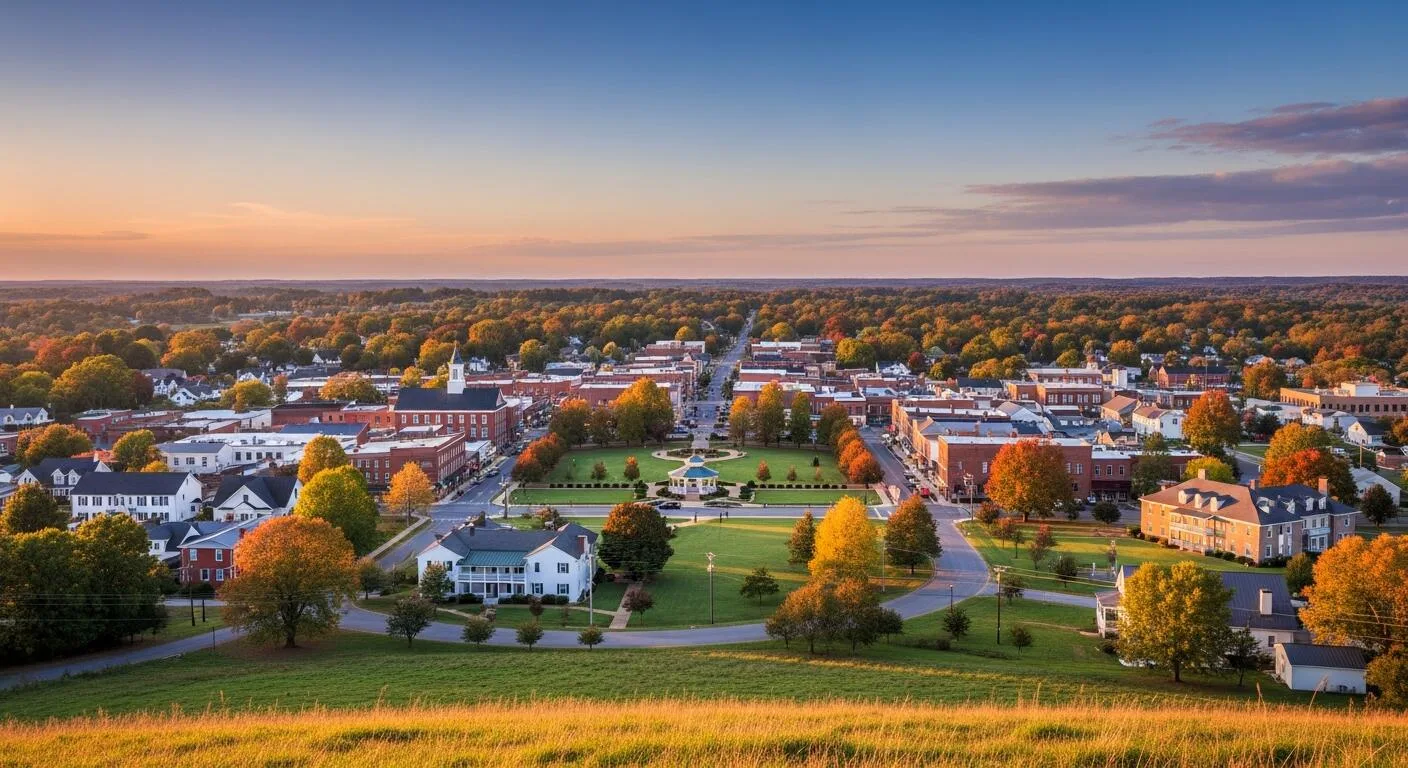
Coverage extends across the full county, from historic downtown blocks to farmland and lakefront property.
- City of Laurens - the courthouse square district, Main Street corridor, East Laurens, and surrounding older residential streets.
- Clinton - neighborhoods near Presbyterian College, Broad Street, and the Highway 72 business area.
- Gray Court and Owings - rural residences and properties along the I-385 corridor.
- Fountain Inn (Laurens County portion) - newer subdivisions on the northern county line.
- Waterloo and Cross Hill - homes and docks around Lake Greenwood.
- Ware Shoals, Mountville, Princeton, and Renno - small communities and outlying farmsteads.
Crews also respond to commercial buildings, churches, schools, rental portfolios, and manufacturing facilities throughout the county and neighboring Greenville, Spartanburg, Newberry, and Greenwood county lines.
Seasonal Damage Patterns in Laurens County
Restoration demand shifts predictably through the year in the Upstate.
- December through February - freeze-thaw cycles burst supply lines in crawl spaces and unheated garages. Heating equipment and fireplace use drive fire damage restoration and smoke damage restoration calls.
- March through May - severe thunderstorm season brings hail, wind, and tornado risk. Roof breaches and flooded basement pump-outs peak, and sewage cleanup follows when saturated septic fields fail.
- June through August - high dew points and constant air conditioning use create condensation problems. Mold removal requests climb sharply, especially in crawl spaces and behind vinyl wallcoverings.
- September through October - tropical systems moving inland from the Atlantic or Gulf deliver multi-inch rainfall totals. Storm response for water damage restoration runs around the clock.
- November - the first heating cycles of the season ignite dust on furnace elements and stress older wiring, producing early-winter smoke odor complaints.
Hidden moisture from a spring storm frequently surfaces as summer mold. That lag is why post-storm moisture verification matters even when a home looks dry.
Housing Characteristics & Restoration Considerations
Laurens County housing spans more than a century of building practices, and each era reacts differently to water, fire, and mold.
- Pre-1940 mill village and downtown homes - common in Laurens, Clinton, Ware Shoals, and Joanna. Expect plaster over wood lath, balloon framing, and original heart pine floors. Balloon framing lets smoke and fire travel vertically inside wall cavities, so full inspection above and below the visible damage is standard.
- Mid-century ranch homes - typically slab or crawl space construction with vented crawl spaces. These need sub-floor drying equipment and often crawl space encapsulation to stop repeat mold growth.
- 1970s-1990s brick veneer homes - masonry holds moisture behind the veneer, requiring careful cavity drying rather than surface-only treatment.
- Manufactured and modular housing - widespread in rural areas. Belly wrap traps water beneath the floor, and particleboard subfloor degrades quickly, making rapid extraction critical.
- Newer subdivisions near Fountain Inn and I-385 - tighter envelopes and engineered materials dry slowly and trap humidity when ventilation fails.
Older properties may also contain asbestos-bearing floor tile, mastic, or textured ceilings, plus lead-based paint. Restoration planning accounts for testing and appropriate handling before demolition begins. Knob-and-tube or aluminum wiring found during fire investigations often shapes the rebuild scope, and original hardwood is dried in place whenever moisture readings allow rather than being removed.
Environmental Conditions & Damage Implications
The county's physical setting directly influences how damage develops and how restoration is executed.
- Humid subtropical climate - summer relative humidity routinely sits high enough that natural drying stalls. Dehumidification, not open windows, is what actually removes moisture from structures here.
- Piedmont red clay soil - dense and slow-draining. Water perches against foundation walls after heavy rain instead of percolating away, pushing hydrostatic pressure into basements and crawl spaces.
- Rolling terrain and creek drainage - properties along the Enoree, Reedy, Saluda, and Little River watersheds face rising water and yard runoff that channels toward low-side foundation walls.
- Lake Greenwood shoreline - elevated ambient moisture and seasonal lake levels affect crawl spaces and boathouse structures near Cross Hill and Waterloo.
- Well water and septic systems - rural properties rely on both, so sewage cleanup involves protecting the wellhead and confirming the drain field is functional before restoring the interior.
- Pollen and particulate load - heavy spring tree pollen combines with soot after a fire, complicating HVAC cleaning and making duct treatment part of smoke damage restoration.
Mold species common to the region colonize damp cellulose within a short window once conditions allow. Containment barriers, negative air machines, and HEPA filtration keep spores from migrating through the home during removal, and moisture meters verify that framing has returned to a stable, documented dry standard before reconstruction starts.
Storm and Hurricane Damage Response Across Laurens County
Inland counties are not spared by tropical systems. When storms track through the Upstate, Laurens County receives sustained rainfall and wind that overwhelm gutters, saturate ground already holding water, and tear at roofs. Round-the-clock storm response for residential and commercial properties keeps small breaches from becoming total losses.
A typical storm response follows a clear sequence:
- Emergency contact and dispatch - crews mobilize at any hour, including during active weather when it is safe to travel.
- Safety assessment - electrical hazards, compromised ceilings, and contamination levels are identified before entry.
- Temporary protection - roof tarping and board-up prevent additional rain intrusion.
- Water extraction - truck-mounted and portable units remove standing water from basements, crawl spaces, and finished living areas.
- Removal of unsalvageable materials - saturated carpet pad, insulation, and swollen drywall come out to open the cavity for drying.
- Structural drying - air movers and commercial dehumidifiers run on a monitored schedule with daily moisture readings.
- Antimicrobial application - treated surfaces resist mold colonization during the drying period.
- Documentation and reconstruction planning - photos, readings, and scope notes support the insurance claim.
Property owners can help before crews arrive:
- Shut off electricity to affected areas if the panel is dry and accessible.
- Photograph damage from multiple angles before moving anything.
- Move small valuables and documents to a dry room.
- Avoid entering standing water that may be contaminated or electrified.
- Keep receipts for temporary lodging and emergency supplies.
Commercial clients - retail on Main Street, warehouses near the interstate, and campus buildings in Clinton - benefit from phased work that keeps portions of the operation running while restoration proceeds.