Damage Restoration in Charleston, SC
- Damage Restoration Services Overview
- Common Damage Restoration Issues in Charleston, South Carolina
- Neighborhoods We Serve in Charleston
- Seasonal Damage Patterns in Charleston
- Housing Characteristics & Restoration Considerations
- Environmental Conditions & Damage Implications
- Historic Preservation and Modern Restoration Techniques
Damage Restoration Services Overview
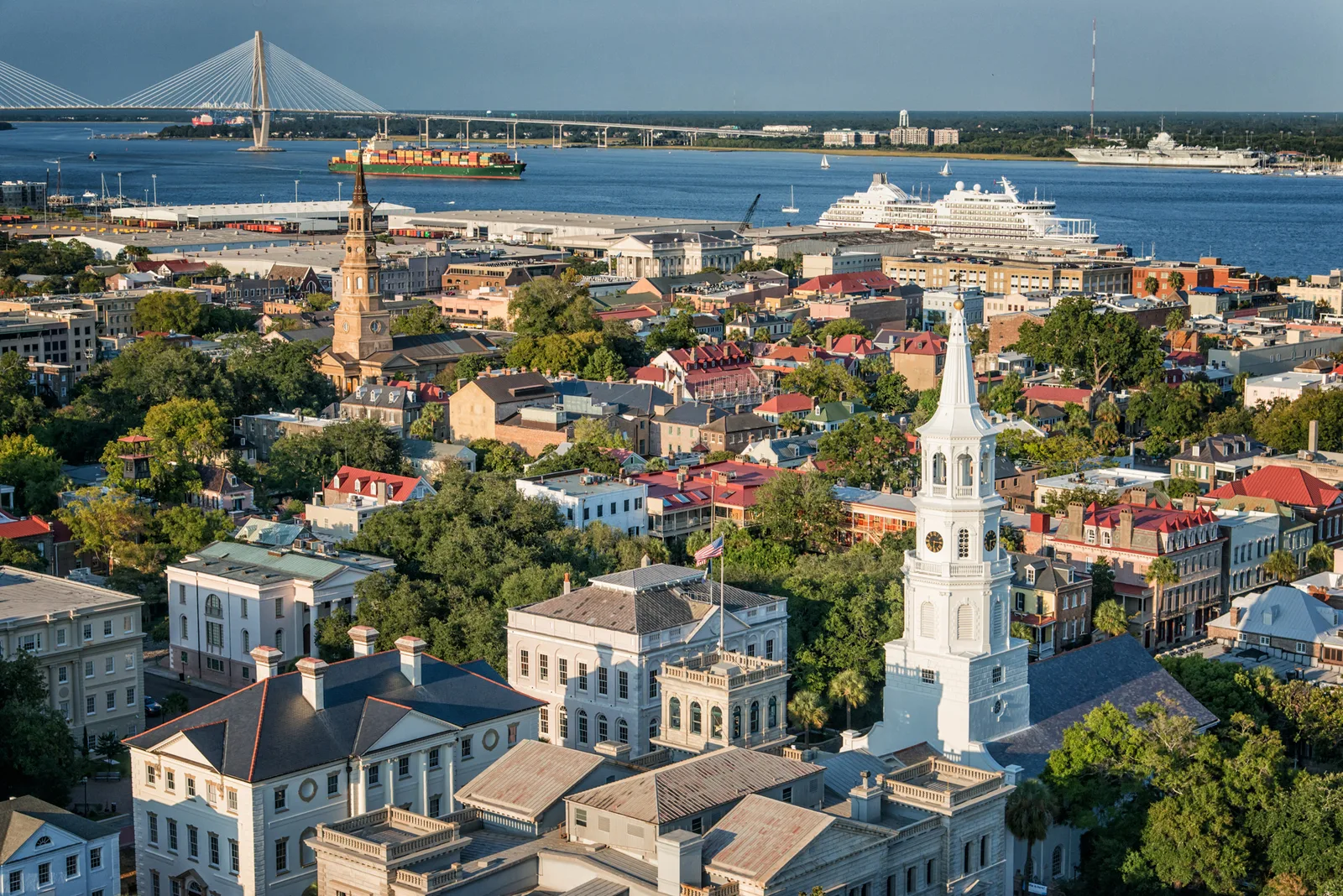
When disaster strikes your Charleston home or business, professional damage restoration services provide the peace of mind and expertise needed to restore your property safely and efficiently. The Low Country's unique coastal environment presents specific challenges that require specialized knowledge and equipment to address properly.
Our comprehensive restoration services cover the full spectrum of damage scenarios common to Charleston properties:
- Water Damage Restoration - Rapid response to burst pipes, appliance failures, and storm-related flooding
- Flooded Basement - Specialized techniques for below-grade water intrusion and structural drying
- Sewage Cleanup - Safe removal and sanitization of contaminated water and affected materials
- Fire Damage Restoration - Complete reconstruction from minor kitchen fires to major structural damage
- Smoke Damage Restoration - Odor elimination and cleaning of smoke-affected surfaces and contents
- Mold Removal - Professional remediation addressing Charleston's high humidity challenges
Professional restoration teams arrive with commercial-grade equipment, certified technicians, and the coordination needed to minimize disruption to your daily life. From historic homes on the Peninsula to modern developments in Mount Pleasant, restoration specialists understand local building codes, insurance requirements, and the unique materials found in Charleston architecture.
Common Damage Restoration Issues in Charleston, South Carolina
Charleston's coastal location and subtropical climate create specific conditions that frequently lead to property damage requiring professional restoration services. Understanding these local factors helps property owners recognize warning signs and respond quickly to minimize damage.
Water-Related Damage Patterns:
- Hurricane and tropical storm flooding affecting basements and ground floors
- High humidity levels causing condensation issues in crawl spaces and attics
- Aging plumbing systems in historic properties prone to sudden failures
- Storm surge and tidal flooding in low-lying areas near the harbor
Fire and Smoke Damage Factors:
- Electrical system overloads during summer cooling demands
- Kitchen fires from increased cooking during tourist season
- Wildfire smoke infiltration during dry periods
- Historic wood construction materials that burn rapidly
Mold Growth Conditions:
- Year-round humidity levels above 60% promoting mold growth
- Poor ventilation in older homes without modern HVAC systems
- Hidden moisture behind walls from minor roof leaks
- Basement and crawl space moisture from groundwater intrusion
Property owners should watch for musty odors, visible water stains, peeling paint, or unusual increases in utility bills - all potential indicators of developing problems that require immediate professional assessment.
Neighborhoods We Serve in Charleston
Our damage restoration services extend throughout Charleston County and the surrounding Low Country region, providing rapid response to residential and commercial properties across diverse communities.
Primary Service Areas Include:
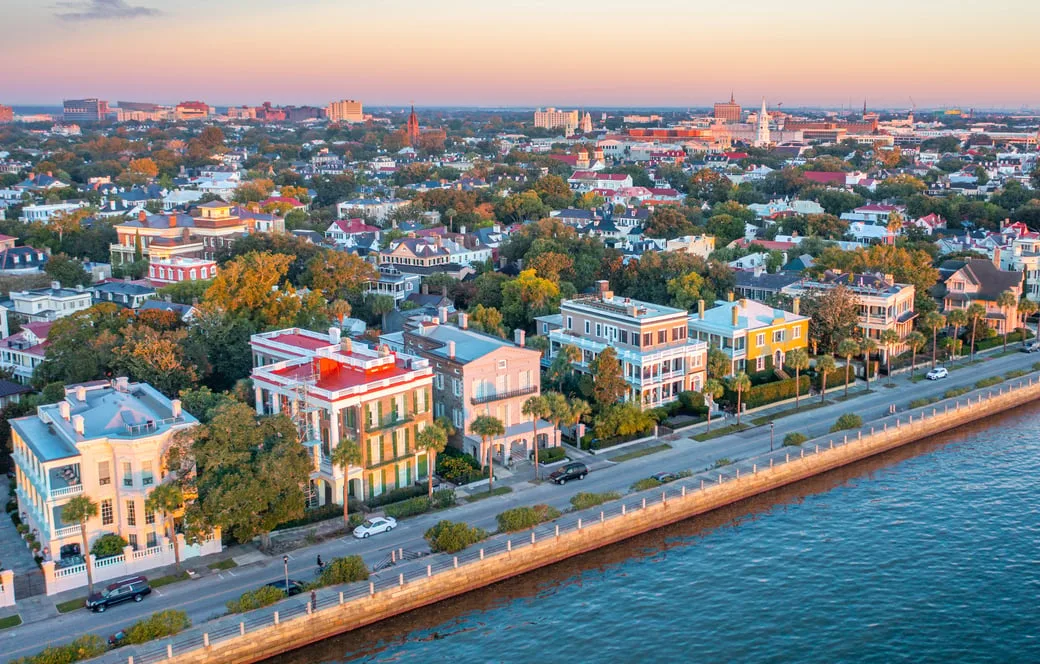
- Historic Charleston Peninsula - Downtown, French Quarter, South of Broad
- West Ashley - Avondale, Byrnes Down, Shadowmoss
- Mount Pleasant - Old Village, Park West, Dunes West
- North Charleston - Park Circle, Northbridge, University area
- James Island - Folly Beach Road corridor, Riverland Terrace
- Johns Island - Kiawah Island, Seabrook Island
Each neighborhood presents unique restoration challenges, from the historic masonry and wood construction downtown to modern developments with contemporary building materials. Our teams maintain equipment strategically located throughout the region to provide rapid response times regardless of location.
Seasonal Damage Patterns in Charleston
Charleston's seasonal weather patterns create predictable periods when specific types of damage restoration services are most frequently needed. Understanding these cycles helps property owners prepare and respond appropriately.
Spring (March - May):
- Heavy rainfall leading to basement flooding and water damage
- Increased mold growth as humidity levels rise
- Storm damage from severe thunderstorms and occasional tornadoes
Summer (June - August):
- Hurricane season bringing potential for major water and wind damage
- Air conditioning failures causing humidity spikes and mold issues
- Electrical fires from overloaded cooling systems
Fall (September - November):
- Peak hurricane activity requiring comprehensive storm damage restoration
- Sewage backup issues from storm surge and heavy rainfall
- Fire damage from heating system startups after summer dormancy
Winter (December - February):
- Pipe bursts during rare freezing events
- Chimney and fireplace-related fire damage
- Indoor air quality issues from sealed buildings and poor ventilation
Housing Characteristics & Restoration Considerations
Charleston's diverse housing stock spans three centuries of construction, creating unique challenges for damage restoration professionals who must understand historical building methods alongside modern construction techniques.
Historic Properties (Pre-1950):
- Single-wall construction with minimal insulation affecting water damage spread
- Original heart pine flooring requiring specialized drying techniques
- Plaster walls that absorb moisture differently than modern drywall
- Elevated foundations on piers creating unique basement flooding scenarios
- Original electrical systems prone to fire hazards during restoration
Mid-Century Homes (1950-1980):
- Concrete block construction common in ranch-style homes
- Original ductwork systems that spread smoke damage quickly
- Asbestos-containing materials requiring special handling protocols
- Flat or low-pitched roofs prone to water intrusion
Modern Construction (1980-Present):
- Improved building codes reducing fire spread but creating tighter envelopes
- Engineered lumber that responds differently to water damage
- Complex HVAC systems that can distribute contaminants throughout structures
- Synthetic materials producing toxic smoke during fires
Restoration professionals must adapt techniques based on construction era, ensuring appropriate methods for material types while meeting current safety and building code requirements during reconstruction phases.
Environmental Conditions & Damage Implications
Charleston's coastal subtropical climate creates year-round conditions that significantly impact how damage develops and spreads within structures, requiring specialized restoration approaches adapted to local environmental factors.
Climate Characteristics:
- Average humidity levels of 65-75% promoting rapid mold growth
- Salt air corrosion affecting metal components and electrical systems
- Temperature variations causing expansion and contraction in building materials
- Frequent thunderstorms with high winds and heavy rainfall
Soil and Water Conditions:
- Sandy soil with high water table creating basement moisture issues
- Tidal influence affecting groundwater levels and sewage systems
- Saltwater intrusion during storm surge events requiring specialized cleanup
- Clay layers in some areas causing poor drainage and standing water
Air Quality Factors:
- Pollen seasons creating indoor air quality challenges during restoration
- Industrial emissions from port activities affecting smoke damage assessment
- Coastal winds spreading fire damage and smoke throughout structures
- Vehicle emissions in downtown areas complicating air quality restoration
These environmental conditions require restoration teams to use specialized equipment like commercial dehumidifiers, air scrubbers, and moisture detection instruments calibrated for coastal conditions. Proper ventilation and containment strategies must account for outdoor air quality and humidity levels during the restoration process.
Historic Preservation and Modern Restoration Techniques
Charleston's designation as a historic city creates unique challenges when restoring damaged properties, requiring restoration professionals to balance preservation requirements with modern safety standards and building codes. The city's Historic Preservation Ordinance affects how restoration work proceeds in designated historic districts.
Historic District Restoration Requirements:
- Board of Architectural Review approval for exterior changes
- Preservation of original materials whenever possible during fire damage restoration
- Matching historic paint colors and finishes after smoke damage cleaning
- Maintaining original window and door configurations during reconstruction
- Using period-appropriate materials for visible repairs and replacements
Specialized Historic Restoration Techniques:
- Gentle cleaning methods for historic masonry and woodwork affected by smoke
- Custom millwork reproduction for fire-damaged architectural elements
- Traditional lime mortar restoration for water-damaged historic foundations
- Conservation-grade treatments for mold removal from historic surfaces
- Reversible interventions that preserve future restoration options
Modern Safety Integration:
- Installing concealed fire suppression systems during restoration
- Upgrading electrical systems behind historic walls during water damage repairs
- Improving ventilation without compromising historic character
- Adding modern moisture barriers during basement flooding restoration
- Implementing mold prevention strategies compatible with historic materials
Restoration professionals working in Charleston must maintain relationships with preservation specialists, understand local permitting processes, and possess expertise in both traditional building techniques and contemporary restoration technology. This dual expertise allows them to restore damaged historic properties while meeting current safety standards and insurance requirements.