
Damage Restoration in Laurens, SC
- Damage Restoration Services Overview
- Common Damage Restoration Issues in Laurens, South Carolina
- Neighborhoods We Serve in Laurens
- Seasonal Damage Patterns in Laurens
- Housing Characteristics & Restoration Considerations
- Environmental Conditions & Damage Implications
- Storm and Flood Response for Laurens Homes, Churches, and Businesses
Damage Restoration Services Overview
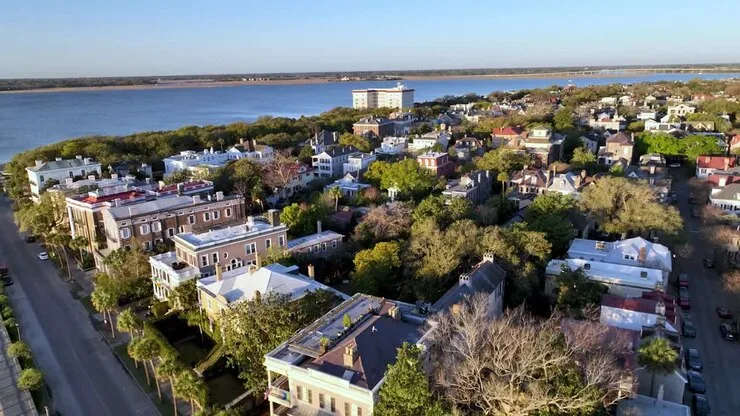
Property damage rarely gives warning. A pipe splits behind a laundry wall, a summer storm pushes water under a basement door, or a kitchen fire fills a house with acrid smoke - and suddenly a Laurens family or business owner is making decisions under pressure.
Restoration work exists to take that pressure off. The goal is simple: stabilize the property, remove what is contaminated or saturated, dry the structure properly, and rebuild what was lost.
- Water Damage Restoration - extraction, structural drying, moisture mapping, and repair of affected building materials
- Flooded Basement Cleanup - pumping standing water, drying foundation walls and slabs, treating for secondary microbial growth
- Sewage Cleanup - containment, removal of contaminated porous materials, antimicrobial treatment, and safe disposal
- Fire Damage Restoration - debris removal, structural assessment, board-up, content cleaning, and reconstruction
- Smoke Damage Restoration - soot removal from surfaces and HVAC systems, thermal fogging, and odor neutralization
- Mold Removal - containment barriers, HEPA filtration, removal of colonized materials, and correction of the moisture source
Laurens County properties range from century-old homes near the Public Square to newer subdivisions along Highway 76. Each type demands a different approach, and the benefit of coordinated restoration is that one team handles the emergency response, the drying science, and the rebuild - start to finish.
Common Damage Restoration Issues in Laurens, South Carolina
Most damage calls in Laurens trace back to three sources: severe weather, aging plumbing and sewer lines, and the region's persistent humidity.
Weather-Driven Damage
- Remnants of Atlantic hurricanes and tropical systems pushing inland with heavy rainfall
- Spring and summer thunderstorms producing wind-driven rain, roof damage, and broken windows
- Flash flooding along the Little River and Reedy Fork drainages
- Saturated red clay soil directing groundwater against foundation walls
Plumbing and Sewer Failures
- Burst supply lines during winter cold snaps, common in older homes with uninsulated crawl space piping
- Water heater tank failures in closets and garages
- Sewer backups caused by root intrusion in clay lateral lines
- Septic system overflows on rural properties outside city limits
Fire and Smoke Sources
- Kitchen grease fires - the leading cause of residential fire calls
- Space heaters and fireplaces during December through February
- Aging electrical panels and knob-and-tube remnants in pre-1950 houses
- Lightning strikes during summer storm season
Warning Signs Worth Acting On
- Musty odors that intensify after rain or in closed rooms
- Buckling hardwood, cupped laminate, or soft spots underfoot
- Staining on ceilings, baseboards, or crawl space insulation
- Efflorescence - white chalky residue - on basement block walls
- Persistent smoke odor returning weeks after a small fire was cleaned
Small problems compound quickly here. Mold colonies can establish within a day or two once materials stay wet, which is why fast response matters more than almost anything else.
Neighborhoods We Serve in Laurens
Restoration coverage extends across the City of Laurens and the wider county, including rural properties served by well and septic systems.
- Downtown Laurens and the Public Square - historic commercial buildings, upper-floor apartments, and older masonry structures
- West Laurens and the Church Street corridor - established residential blocks with mature trees and older sewer laterals
- East Laurens and Hillcrest area - mid-century ranch homes and newer infill construction
- Highway 76 and Highway 221 corridors - retail, restaurants, warehouses, and office properties
- Gray Court, Owings, and Fountain Inn edge communities
- Waterloo, Cross Hill, and Lake Greenwood shoreline properties
- Clinton, Joanna, and Ware Shoals
- Rural Laurens County - farmsteads, churches, and outbuildings on private drives
Service covers single-family homes, apartment complexes, condominiums, schools, churches, hotels, restaurants, medical facilities, office buildings, and industrial warehouses throughout the Upstate.
Seasonal Damage Patterns in Laurens
Damage types in Laurens follow a fairly predictable annual rhythm, and knowing the pattern helps property owners prepare.
- December through February - Frozen and burst pipes lead the calls, especially in crawl spaces and exterior walls. Heating equipment and fireplace fires spike, bringing smoke damage that travels far beyond the room of origin.
- March through May - Severe thunderstorm season begins. Wind-driven rain, hail, and roof leaks produce interior water damage. Rising groundwater causes the year's first wave of flooded basements and crawl spaces.
- June through August - Heat and humidity make this peak mold season. Condensation on ductwork, overworked air conditioning, and poorly ventilated crawl spaces create ideal growth conditions. Afternoon storms add lightning-related fire risk.
- September through November - Tropical systems moving inland from the Atlantic bring the heaviest rainfall events. Sewer systems and septic fields overload, producing sewage backups. Falling leaves clog gutters and downspouts, redirecting water toward foundations.
- Schedule gutter cleaning in late October and again in early spring
- Insulate crawl space plumbing before the first hard freeze
- Have chimneys and heating systems inspected each autumn
- Check crawl space vapor barriers at the start of summer humidity
Housing Characteristics & Restoration Considerations
Laurens housing stock skews older than the South Carolina average, and that age shapes nearly every restoration decision made on site.
Common Construction Types
- Pre-1940 mill village and Victorian-era homes - wood frame, plaster over lath, pier-and-beam foundations, original hardwood floors
- 1950s-1970s brick ranch homes - crawl space foundations, plaster or early drywall, original cast iron and galvanized plumbing
- 1980s-2000s subdivisions - slab-on-grade or crawl space, drywall throughout, vinyl or engineered flooring
- Downtown mixed-use buildings - load-bearing brick, tin ceilings, shared party walls, and stacked plumbing risers
How Age Affects Restoration Work
- Plaster and lath holds moisture longer than drywall and requires slower, monitored drying to avoid cracking
- Original hardwood often responds to specialized floor drying systems rather than full replacement
- Crawl spaces in older homes frequently lack vapor barriers, turning a small leak into a whole-house mold and odor problem
- Homes built before 1980 may contain asbestos-bearing materials and lead paint, requiring testing before demolition
- Older sewer laterals made of clay or cast iron are prone to root intrusion and collapse, raising sewage backup risk
- Balloon-frame construction allows smoke and fire to travel vertically inside wall cavities, so smoke damage assessment must extend beyond visible soot
Documenting original materials before removal matters, particularly in historic districts where matching trim profiles and flooring during reconstruction takes deliberate effort.
Environmental Conditions & Damage Implications
Laurens sits in the Piedmont with a humid subtropical climate - warm, wet summers and mild winters punctuated by short freezes. That combination is hard on buildings.
Climate Factors
- Annual rainfall commonly exceeds 45 inches, spread across all four seasons
- Summer relative humidity regularly sits above 70 percent, well past the threshold where mold thrives
- Freeze-thaw cycling in January and February stresses foundation mortar and exterior plumbing
- Inland tropical system remnants deliver concentrated rainfall over short periods
Soil and Drainage
- Piedmont red clay drains slowly and holds water against foundation walls after heavy rain
- Clay expands when saturated and contracts when dry, contributing to foundation cracking and basement seepage
- Rolling terrain channels runoff toward low-lying structures and downhill neighbors
- Rural septic drain fields in clay soil saturate quickly, increasing backup risk
Air and Water Quality Effects
- High indoor humidity slows evaporative drying, requiring dehumidification rather than airflow alone
- Smoke residue bonds more aggressively to surfaces in humid conditions, complicating odor removal
- Hard water and mineral deposits accelerate wear on older supply lines and water heaters
- Well water systems on rural properties need testing after any flooding or sewage event
These conditions mean drying equipment placement and dehumidification capacity carry more weight in Laurens than in drier climates. Moisture meters and thermal imaging confirm when a structure is genuinely dry - not just dry to the touch.
Storm and Flood Response for Laurens Homes, Churches, and Businesses
When a tropical system or severe thunderstorm hits Laurens County, the damage rarely stays contained to one problem. Wind lifts shingles, rain enters the attic, water travels down wall cavities, and within days mold appears in places nobody thought to look. Handling that sequence requires one team managing the whole arc from emergency stabilization through final reconstruction.
What Start-to-Finish Response Looks Like
- Emergency contact and dispatch - crews respond around the clock, including nights, weekends, and holidays
- Inspection and damage assessment - moisture mapping, thermal imaging, and documentation of every affected area for insurance
- Emergency stabilization - roof tarping, board-up of broken windows, and shutoff of compromised utilities
- Water extraction - truck-mounted and portable units pull standing water from basements, crawl spaces, and finished rooms
- Structural drying - air movers and commercial dehumidifiers run with daily moisture readings until targets are met
- Cleaning and sanitizing - antimicrobial application, soot and smoke residue removal, HVAC cleaning, and content restoration
- Reconstruction - drywall, flooring, trim, paint, and cabinetry returned to pre-loss condition
Why Commercial Properties Need Extra Planning
- Churches need sanctuaries usable by Sunday - drying plans get built around service schedules
- Restaurants face health department requirements after any sewage or water event
- Schools and medical facilities require containment that keeps occupied areas separated from work zones
- Warehouses and office buildings need inventory and records protected during extraction
- Apartment complexes and condominiums involve coordination across multiple units and shared walls
Insurance coordination runs alongside the physical work. Photographs, moisture logs, and itemized scopes give adjusters what they need, which keeps claims moving and gets property owners back to normal faster.





