Damage Restoration in Spartanburg, SC
- Damage Restoration Services Overview
- Common Damage Restoration Issues in Spartanburg, South Carolina
- Neighborhoods We Serve in Spartanburg
- Seasonal Damage Patterns in Spartanburg
- Housing Characteristics & Restoration Considerations
- Environmental Conditions & Damage Implications
- Historic Mill Village Properties and Restoration Challenges
Damage Restoration Services Overview
Property damage that goes untreated can lead to structural deterioration, health hazards, and thousands of dollars in additional repair costs. When water seeps into walls, fire residue settles into surfaces, or mold begins growing in hidden spaces, immediate professional intervention becomes the difference between minor repairs and major reconstruction.
Spartanburg residents have access to comprehensive damage restoration services that address the full spectrum of property emergencies:
- Water Damage Restoration - Extraction, drying, and structural repair from burst pipes, appliance failures, and storm flooding
- Flooded Basement - Complete basement water removal, moisture elimination, and prevention of secondary damage
- Sewage Cleanup - Safe removal and sanitization of contaminated water and affected materials
- Fire Damage Restoration - Structural repairs, debris removal, and restoration of fire-damaged areas
- Smoke Damage Restoration - Odor elimination, soot removal, and air quality restoration
- Mold Removal - Professional remediation, source elimination, and prevention strategies
Professional restoration services protect your property value while ensuring your family's safety. Advanced equipment and proven techniques restore your home to pre-damage conditions efficiently.
Common Damage Restoration Issues in Spartanburg, South Carolina
Spartanburg's humid subtropical climate and varied terrain create specific challenges for property owners. The combination of hot summers, occasional severe weather, and aging infrastructure contributes to recurring damage patterns throughout the area.
Water-related damage represents the most frequent restoration need in Spartanburg:
- Basement flooding from heavy rainfall and poor drainage around older foundations
- Burst pipes during occasional winter freezes when temperatures drop unexpectedly
- HVAC condensation issues in poorly ventilated crawl spaces
- Roof leaks from storm damage and aging materials
- Sewage backups during heavy rain events that overwhelm municipal systems
Fire and smoke damage often results from:
- Kitchen fires in older homes with outdated electrical systems
- Chimney fires during winter heating season
- Electrical fires from overloaded circuits in homes with insufficient wiring
- Wildfire exposure in rural areas surrounding Spartanburg
Mold growth becomes problematic due to high humidity levels, especially in basements and crawl spaces with inadequate ventilation. Warning signs include musty odors, visible growth on walls or ceilings, and increased allergy symptoms among residents.
Neighborhoods We Serve in Spartanburg
Our damage restoration services cover all areas of Spartanburg and surrounding communities. We respond to emergency calls throughout the greater Spartanburg region, providing consistent service quality regardless of location.
Primary service areas include:
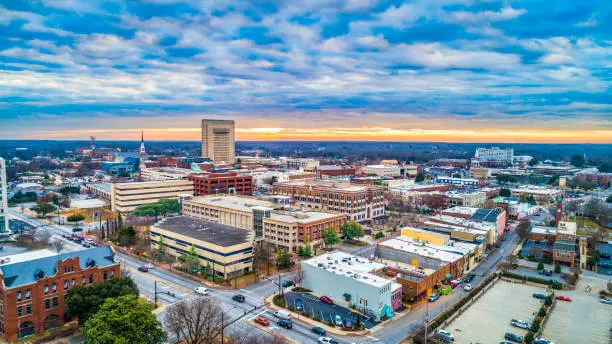
- Downtown Spartanburg historic district
- Converse Heights and Hampton Heights neighborhoods
- Hillcrest and Forest Hills residential areas
- Westside and Southside communities
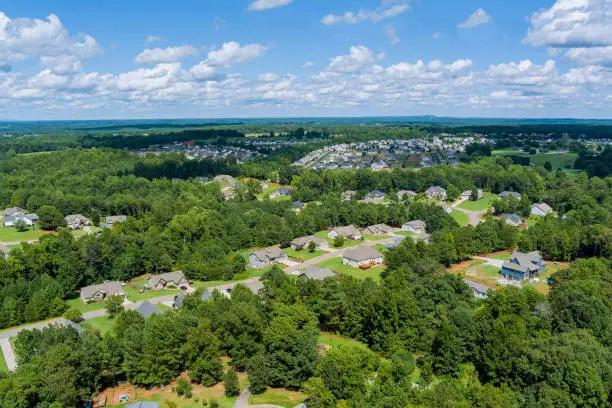
- Boiling Springs and surrounding suburban developments
- Rural properties in Cherokee, Union, and Greenville County borders
- Commercial districts along Interstate 85 and Highway 29
- University area near USC Upstate campus
Each neighborhood presents unique restoration challenges based on home age, construction type, and environmental factors. Our technicians understand these local variations and adjust restoration approaches accordingly.
Seasonal Damage Patterns in Spartanburg
Spartanburg experiences distinct seasonal patterns that influence when different types of property damage occur most frequently. Understanding these cycles helps property owners prepare and respond appropriately.
Spring (March-May): Heavy rainfall increases basement flooding and roof leak incidents. Mold removal requests spike as humidity rises and winter moisture issues become apparent.
Summer (June-August): Severe thunderstorms bring water damage from wind-driven rain and hail. Air conditioning failures create moisture problems requiring immediate attention. Fire damage from lightning strikes peaks during this period.
Fall (September-November): Hurricane season brings potential flooding and wind damage. Chimney fires begin as heating systems restart after summer dormancy. Sewage cleanup needs increase from storm-related infrastructure stress.
Winter (December-February): Frozen pipe bursts create significant water damage when temperatures drop unexpectedly. Smoke damage restoration increases from fireplace and heating system use. Ice dams on roofs can cause interior water damage in poorly insulated homes.
Housing Characteristics & Restoration Considerations
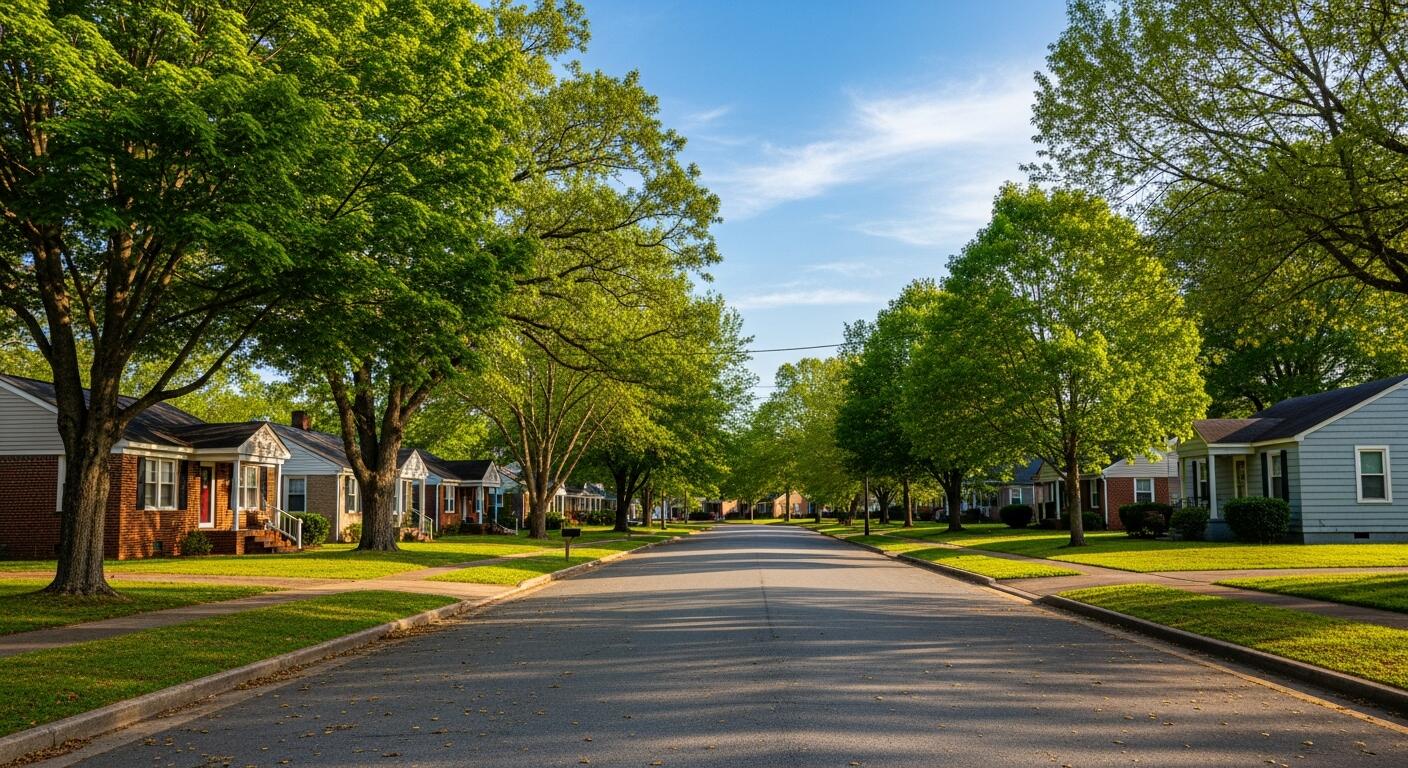
Spartanburg's housing stock reflects the area's development history, with homes spanning from early 1900s mill houses to modern suburban construction. This variety creates diverse restoration challenges requiring specialized approaches for different building types.
Older homes (pre-1950) present specific restoration considerations:
- Original plumbing systems prone to burst pipes and sewage backups
- Knob-and-tube electrical wiring increasing fire damage risk
- Poor insulation leading to moisture problems and mold growth
- Basement construction without proper waterproofing
- Original hardwood floors requiring specialized water damage treatment
Mid-century homes (1950-1980) commonly experience:
- Galvanized pipe failures requiring extensive water damage restoration
- Asbestos-containing materials complicating fire and water damage cleanup
- Inadequate ventilation systems promoting mold growth
- Original HVAC systems creating condensation issues
Modern construction (post-1990) typically features:
- Improved moisture barriers reducing basement flooding severity
- Better electrical systems with lower fire damage probability
- Enhanced insulation limiting smoke damage spread
- Modern plumbing reducing sewage cleanup incidents
Environmental Conditions & Damage Implications
Spartanburg's environmental conditions significantly influence property damage patterns and restoration requirements. The area's climate, geography, and soil composition create specific challenges that professional restoration services must address.
Climate factors affecting restoration needs:
- Average annual rainfall of 47 inches increases water damage frequency
- Humidity levels averaging 70% promote rapid mold growth after water events
- Temperature fluctuations between 30°F and 90°F stress building materials
- Severe weather events including tornadoes and severe thunderstorms
Soil and topography considerations:
- Clay-heavy soils with poor drainage contribute to basement flooding
- Rolling terrain creates water runoff challenges for some properties
- High water tables in certain areas increase sewage backup risk
- Proximity to Cowpens Creek and other waterways elevates flood potential
Air quality factors impact smoke damage restoration:
- Seasonal pollen levels can complicate air filtration during restoration
- Industrial activity in the area may affect indoor air quality standards
- Regional humidity requires specialized drying techniques for smoke-damaged materials
These environmental conditions require restoration professionals to use region-specific techniques and equipment to achieve optimal results for water damage, fire damage, mold removal, and other restoration services.
Historic Mill Village Properties and Restoration Challenges
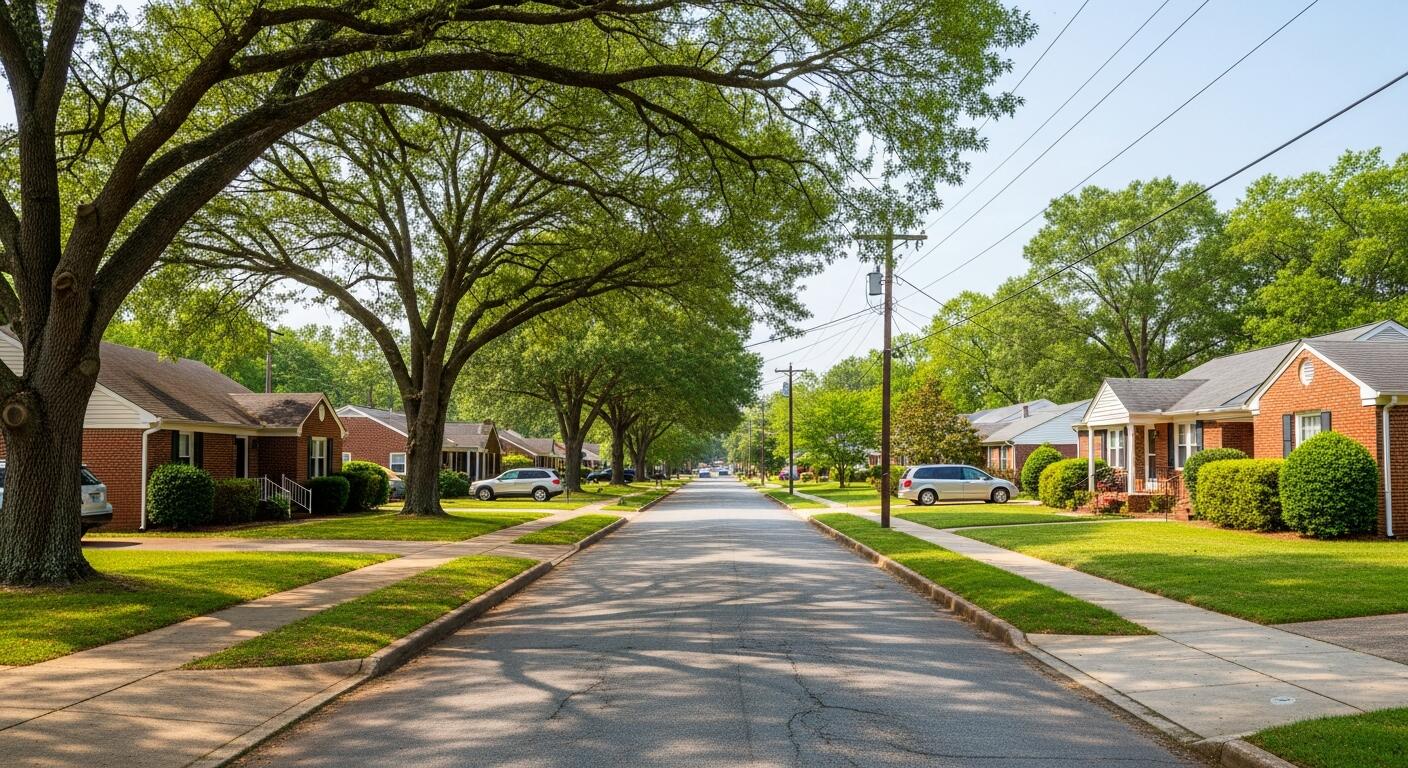
Spartanburg's rich textile history left behind numerous mill village properties that present unique restoration challenges. These historic homes, originally built to house textile workers, require specialized approaches for water damage restoration, fire damage repair, and mold removal due to their distinctive construction methods and materials.
Mill village homes typically feature construction characteristics that affect restoration work:
- Pier and beam foundations creating elevated crawl spaces prone to moisture accumulation
- Original heart pine flooring that requires careful water damage treatment to preserve historical value
- Plaster walls over wood lath that complicate mold removal and fire damage restoration
- Minimal insulation leading to condensation issues and subsequent mold growth
- Original electrical systems increasing fire damage risk
Restoration professionals working on these properties must balance preservation of historical character with modern safety standards. Water damage restoration often reveals original construction details that require specialized techniques to maintain authenticity while ensuring structural integrity.
Common restoration issues in mill village properties include:
- Basement and crawl space flooding due to inadequate drainage systems installed decades ago
- Sewage cleanup complications from aging sewer connections and cast iron pipes
- Smoke damage restoration requiring careful attention to original woodwork and architectural details
- Mold removal in wall cavities without disturbing historic plaster surfaces
- Fire damage restoration that preserves original materials wherever possible
These properties often require extended restoration timelines and specialized equipment to address damage while preserving their historical significance for future generations.