
Damage Restoration in Hartsville, SC
- Damage Restoration Services Overview
- Common Damage Restoration Issues in Hartsville, South Carolina
- Neighborhoods We Serve in Hartsville
- Seasonal Damage Patterns in Hartsville
- Housing Characteristics & Restoration Considerations
- Environmental Conditions & Damage Implications
- Crawl Space Moisture: Hartsville's Root Cause Behind Water and Mold Damage
Damage Restoration Services Overview
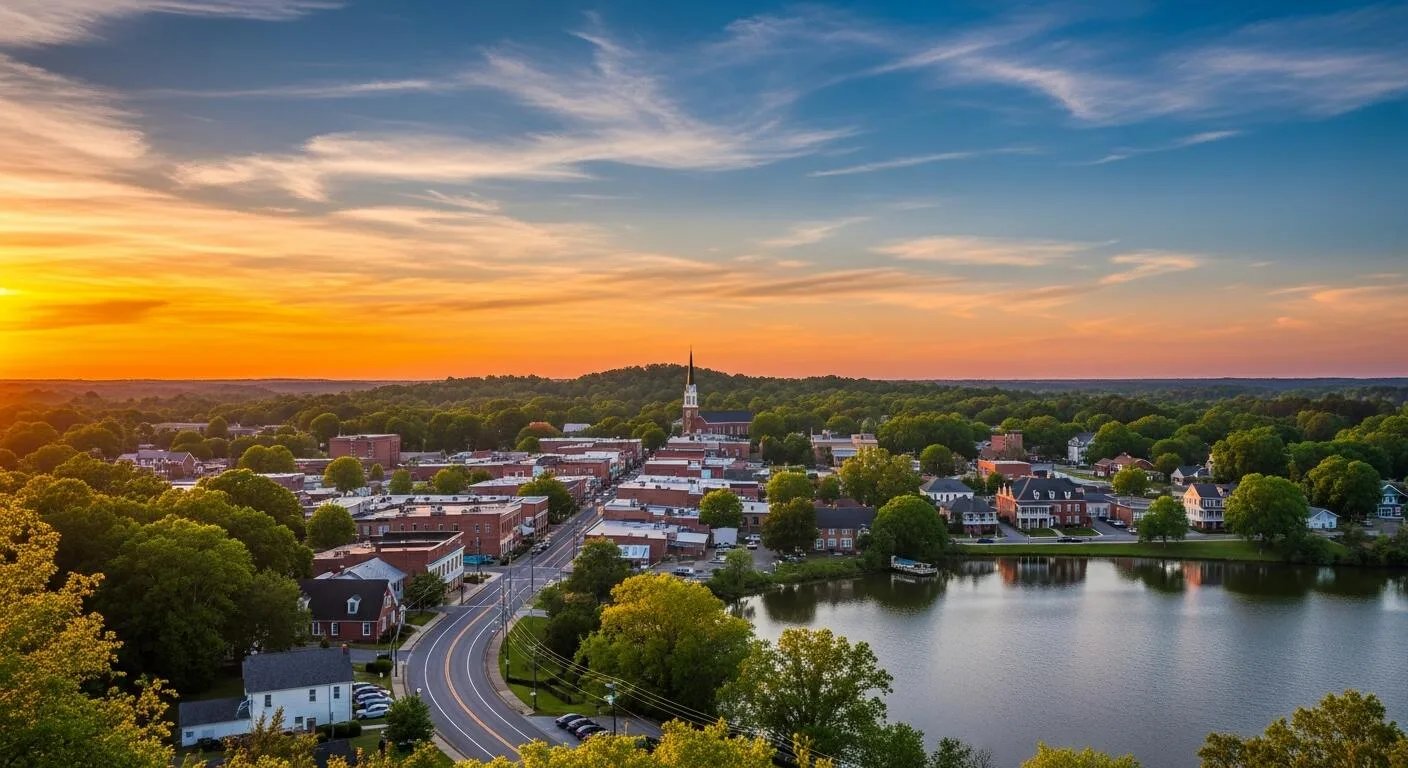
Hartsville sits in the Pee Dee region, where humid summers, sandy-clay soils, and slow-draining lots create restoration challenges that differ from the coast or the Upstate. Homes here contend with crawl space moisture, sudden thunderstorm flooding, and older wiring that raises fire risk.
Our restoration work covers the full range of emergencies a Darlington County property owner may face:
- Water Damage Restoration - extraction, structural drying, and moisture mapping after supply line breaks, roof leaks, and appliance failures
- Flooded Basement - pump-out, sump and drainage evaluation, and dry-down of below-grade and crawl space areas
- Sewage Cleanup - removal of contaminated material, antimicrobial treatment, and safe disposal after backups or septic failures
- Fire Damage Restoration - board-up, debris removal, soot cleaning, and structural rebuild coordination
- Smoke Damage Restoration - odor source removal, HVAC cleaning, thermal fogging, and content deodorization
- Mold Removal - containment, HEPA filtration, affected material removal, and humidity correction
Fast response protects framing, drywall, insulation, and indoor air quality. IICRC-certified technicians familiar with local building styles keep documentation clean for insurance and help homeowners plan against repeat losses.
Common Damage Restoration Issues in Hartsville, South Carolina
Most calls in Hartsville trace back to a handful of predictable local causes. Recognizing them early shortens the repair scope considerably.
Frequent Causes of Loss
- Severe thunderstorms and tropical remnants dropping heavy rain over short periods
- Roof leaks from wind-lifted shingles, aging flashing, and pine debris clogging valleys
- Crawl space standing water and vapor intrusion in homes without encapsulation
- Sewer backups during saturated conditions and septic field failures on rural parcels
- Kitchen grease fires, space heater incidents, and electrical faults in older panels
- Failed water heaters, ice maker lines, and washing machine hoses
Warning Signs Worth Acting On
- Musty odor near floor vents, closets, or the hallway bathroom
- Cupping or buckling in hardwood and laminate flooring
- Brown ceiling rings that reappear after each rainfall
- Condensation on ductwork or sweating windows during humid stretches
- Slow drains in multiple fixtures at once - often the first hint of a main line problem
- Lingering smoke odor that returns when the HVAC system cycles on
- Sagging subfloor or springy spots above the crawl space
Smoke residues remain acidic and continue etching metal, glass, and finishes long after a fire is out. Mold colonies can establish within a couple of days in Hartsville's humidity, so wet materials should never be left to air-dry on their own.
Neighborhoods We Serve in Hartsville
Crews respond throughout the city and across surrounding Darlington County communities.
- North Hartsville - established subdivisions with mature tree canopy and older sewer laterals
- Downtown and the Coker College area - historic homes, student rentals, and mixed-use buildings
- Prestwood Lake and Black Creek corridors - properties with elevated groundwater and drainage concerns
- Byerly Park and West Carolina Avenue neighborhoods - mid-century ranch construction on crawl spaces
- Kelleytown, Lydia, and Antioch - rural properties on wells and septic systems
We also serve Darlington, Society Hill, Lamar, Timmonsville, Florence, Bishopville, Cheraw, Marion, and Mullins. Service extends to churches, warehouses, medical offices, and light industrial facilities along the Highway 15 and Highway 151 corridors. Local dispatch means shorter drive times when water is still spreading.
Seasonal Damage Patterns in Hartsville
Winter (December - February)
- Frozen and burst pipes in unheated crawl spaces during cold snaps
- Peak heating-season fire and smoke damage from fireplaces, wood stoves, and portable heaters
- Slow leaks hidden under insulation until thaw
Spring (March - May)
- Severe thunderstorms, hail, and wind-driven rain causing roof intrusion
- Flooded basements and crawl spaces as the water table rises
- First mold growth of the year as temperatures climb
Summer (June - August)
- Highest mold removal demand - humidity regularly exceeds safe indoor levels
- HVAC condensate overflow and duct sweating
- Lightning strikes triggering attic and electrical fires
Fall (September - November)
- Tropical systems and remnant rainfall driving sewage backups and area flooding
- Clogged gutters from pine straw and leaves pushing water into fascia and walls
- Early-season chimney and heater fires as households restart systems
Housing Characteristics & Restoration Considerations
Hartsville's housing stock spans early-1900s cottages near downtown, postwar brick ranches, and newer slab-on-grade subdivisions on the city's edges. Each type responds differently to water, smoke, and microbial growth.
Older Homes (pre-1970)
- Vented crawl spaces with exposed soil and aging vapor barriers - a leading mold source
- Plaster and lath that hold moisture far longer than modern drywall
- Cast iron and clay sewer lines prone to root intrusion and backup
- Possible asbestos-containing floor tile or insulation requiring testing before demolition
- Knob-and-tube remnants or undersized panels contributing to fire risk
Mid-Century Brick Ranches
- Low crawl clearance that complicates drying equipment placement
- Original ductwork in the crawl space that spreads mold spores and smoke odor housewide
- Hardwood over plank subfloor that cups quickly after water exposure
Newer Slab and Two-Story Construction
- Tight envelopes that trap humidity and smoke odor without mechanical dehumidification
- Second-floor laundry and bathroom leaks that travel down through wall cavities
- Engineered flooring and MDF trim that swell permanently once wet
Full basements are uncommon locally, so "flooded basement" work often means saturated crawl spaces, sunken dens, or below-grade storage areas. Encapsulation, drainage matting, and a dedicated dehumidifier frequently accompany the restoration itself.
Environmental Conditions & Damage Implications
Hartsville's humid subtropical climate delivers roughly 45 inches of rain a year with long stretches of high dew points. That combination keeps building materials near the moisture threshold where mold thrives.
Climate Effects
- Summer relative humidity often above 70 percent, slowing natural drying to a crawl
- Mild winters allow mold activity nearly year-round
- Intense short-duration downpours overwhelm gutters, yard drains, and municipal storm systems
Soil and Groundwater
- Sandy topsoil over dense clay creates perched water that pushes against foundations
- Flat lots near Black Creek and Prestwood Lake hold surface water after storms
- Saturated soil stresses septic drain fields, leading to backups requiring sewage cleanup
Air and Water Quality
- Heavy pine pollen loads settle in ductwork and combine with soot after fires, complicating odor removal
- Well water in outlying areas can carry iron and sediment that stain surfaces during flood cleanup
- Smoke particulate lodges in porous materials and reactivates with humidity - untreated odors return each summer
Because of these conditions, drying plans here rely on aggressive dehumidification rather than airflow alone. Moisture readings are verified in framing, subfloor, and wall cavities before reconstruction begins, and post-remediation verification confirms mold counts have returned to normal indoor levels.
Crawl Space Moisture: Hartsville's Root Cause Behind Water and Mold Damage
More restoration calls in Hartsville begin under the house than inside it. Vented crawl spaces pull humid outside air against cool floor framing, and condensation does the rest.
What We Typically Find
- Torn or missing vapor barrier over bare, damp soil
- Standing water after storms with no sump or gravity drain
- Compressed, fallen fiberglass insulation acting as a sponge
- Mold on floor joists, band boards, and subfloor sheathing
- Rusted duct straps, sweating supply lines, and pest damage
- Sewer lateral leaks that go unnoticed for months
Our Approach
- Inspect and document - moisture meters, thermal imaging, and photo records of joists, ducts, and grade
- Extract and remove - pump standing water, pull saturated insulation and contaminated material
- Contain and clean - HEPA filtration, antimicrobial application, and controlled removal of mold-affected surfaces
- Dry to target - commercial dehumidifiers and air movers monitored until framing reaches stable readings
- Correct the source - regrading, downspout extensions, drainage matting, sump installation, or full encapsulation
- Verify and rebuild - post-remediation testing, then insulation, ductwork, and flooring repairs
Crawl space moisture also carries odor. After a kitchen fire or chimney backdraft, smoke residue settles into that same damp cavity and returns through floor registers every humid week. Treating the crawl space alongside the living space is what makes deodorization hold.
Local knowledge matters here. Technicians who have worked North Hartsville's older ranches, the Kelleytown septic corridor, and downtown's historic homes know which repairs actually stop the problem - and which are temporary patches that fail by the next tropical system.





