
Damage Restoration in Darlington, SC
- Damage Restoration Services Overview
- Common Damage Restoration Issues in Darlington, South Carolina
- Neighborhoods We Serve in Darlington
- Seasonal Damage Patterns in Darlington
- Housing Characteristics & Restoration Considerations
- Environmental Conditions & Damage Implications
- Crawl Space Moisture: Darlington's Hidden Restoration Problem
Damage Restoration Services Overview
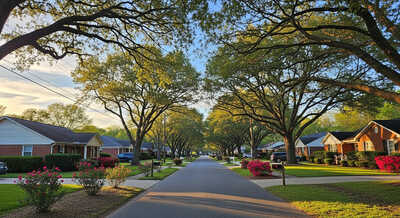
Darlington sits in the heart of the Pee Dee region, where humid summers, clay-heavy soils, and a housing stock full of crawl-space foundations create restoration challenges you won't find in drier parts of the country. Water that enters a Darlington home rarely dries on its own - it lingers in framing, subfloors, and insulation, then feeds mold.
Our restoration work in Darlington and throughout Darlington County covers the full range of property emergencies:
- Water Damage Restoration - emergency extraction, structural drying, dehumidification, moisture mapping, and thermal imaging
- Flooded Basement - pump-out, below-grade drying, sump and drainage evaluation, and treatment of saturated materials
- Sewage Cleanup - removal of contaminated water and porous materials, antimicrobial treatment, and full sanitization
- Fire Damage Restoration - debris removal, structural stabilization, soot cleanup, and complete reconstruction
- Smoke Damage Restoration - HVAC cleaning, thermal fogging, contents cleaning, and odor neutralization
- Mold Removal - containment, source correction, HEPA filtration, and removal of colonized building materials
Fast action matters most. A 24/7 response limits secondary damage, protects indoor air quality, and keeps a manageable loss from turning into a gut-and-rebuild project for Darlington homeowners and business owners alike.
Common Damage Restoration Issues in Darlington, South Carolina
Local geography and building age drive most of the calls we receive around Darlington. Flat terrain, poorly draining clay soil, and mature tree cover combine to hold water against foundations long after storms pass.
Frequent Causes of Loss
- Heavy Pee Dee rainfall and flash flooding overwhelming yard drainage
- Tropical systems and remnant hurricanes pushing water through roofs and windows
- Burst supply lines and failed water heaters in older homes
- HVAC condensate drain backups during long humid stretches
- Sewer line failures and septic backups in rural areas outside city limits
- Roof leaks around aging flashing, chimneys, and pier-and-beam additions
- Kitchen grease fires, space heaters, and electrical faults in older wiring
Warning Signs Darlington Property Owners Should Watch For
- Musty odors that intensify after rain or when the air conditioning runs
- Sagging, springy, or uneven floors above a damp crawl space
- Cupping hardwood, peeling paint, or tape lines showing on ceilings
- Rust or corrosion on ductwork, pier supports, and HVAC units
- Gurgling drains, slow toilets, or sewage odors near cleanouts
- Lingering smoke smell that returns on humid days after a small fire
- Visible mold on crawl space joists, closet walls, or behind furniture
Any of these signals warrant inspection before hidden moisture spreads into framing and insulation.
Neighborhoods We Serve in Darlington
Crews respond throughout the City of Darlington and across Darlington County, from historic in-town streets to rural properties on well and septic systems.
- Downtown Darlington and the historic district surrounding the Public Square
- Neighborhoods near Darlington Raceway and Harry Byrd Highway
- Cashua Street, Pearl Street, and Spring Street corridors
- St. John's and Brunson-Dargan school area residences
- Rural routes toward Hartsville, Society Hill, and Lamar
- Surrounding communities including Lydia, Auburn, Antioch, and Palmetto
- Nearby Florence County properties along the US-52 and I-95 corridors
We also serve commercial clients - churches, retail storefronts, restaurants, warehouses, and rental properties - throughout the Pee Dee. Race-week surges, storm events, and multi-unit losses are handled with scalable equipment and crews.
Seasonal Damage Patterns in Darlington
Restoration demand in Darlington shifts predictably with the calendar. Knowing the pattern helps property owners prepare.
- January - February: Hard freezes crack exposed crawl space plumbing and hose bibs, producing burst-pipe water damage. Heating equipment and fireplaces raise fire and smoke damage risk.
- March - May: Spring thunderstorms and wind-driven rain bring roof leaks, flooded basements, and storm cleanup. Rising humidity restarts mold growth in crawl spaces.
- June - August: Peak humidity and afternoon downpours. HVAC condensate overflows, condensation-driven mold, and sewage backups from saturated ground dominate.
- September - October: Tropical storm and hurricane remnants deliver the year's heaviest flooding, water extraction, and structural drying calls.
- November - December: Cooking fires, holiday decorations, and first-use heating systems increase fire and smoke damage restoration work. Falling leaves clog gutters and push water toward foundations.
Mold removal is a year-round need here because Darlington rarely gets a long, dry stretch that allows saturated wood to fully release moisture.
Housing Characteristics & Restoration Considerations
Darlington's housing stock skews older than the national average, with many homes built between the 1920s and 1970s alongside newer slab-on-grade construction on the outskirts. Construction style directly shapes how a loss is handled.
Common Building Types and Their Restoration Impact
- Pier-and-beam with vented crawl spaces: Traps humid air under the floor. Water losses require crawl space drying, insulation removal, and often encapsulation to prevent repeat mold.
- Historic homes with plaster and wood lath: Absorb water quickly and hold smoke odor. Drying is slower and demands controlled dehumidification to avoid cracking.
- Mid-century ranch homes on slabs: Water wicks into bottom plates and carpet tack strips; hidden moisture behind baseboards is common.
- Partial basements and below-grade storage: Prone to hydrostatic seepage through block walls after heavy rain.
- Manufactured and modular homes: Belly wrap holds standing water and must be opened and dried rather than surface-treated.
- Older cast iron and clay sewer laterals: Root intrusion and joint failure lead to indoor sewage backups.
Additional Considerations
- Homes built before 1980 may contain asbestos-bearing materials or lead paint, requiring careful testing before demolition
- Knob-and-tube or aging aluminum wiring raises electrical fire risk
- Undersized ductwork in original crawl spaces spreads soot and mold spores throughout the living space
- Multiple additions create hidden roof valleys and transition points where leaks begin
Environmental Conditions & Damage Implications
The Pee Dee climate is a major driver of restoration outcomes in Darlington. Warm temperatures paired with sustained high humidity mean building materials dry slowly and biological growth starts fast.
Climate and Soil Factors
- High relative humidity: Frequently above 70 percent overnight, which stalls natural drying and requires commercial dehumidification
- Heavy annual rainfall: Concentrated in summer thunderstorms and fall tropical systems
- Clay-rich soils: Drain slowly, hold water against foundations, and shift with moisture cycles, contributing to foundation cracks and seepage
- Shallow water tables in low-lying areas: Push moisture into crawl spaces and below-grade rooms
- Long warm season: Extends the mold growth window across most of the year
How This Affects Each Service
- Water damage: Extraction alone is never enough - moisture mapping and monitored drying confirm materials reach dry standard
- Flooded basements: Require exterior drainage evaluation, not just interior pump-out, to stop recurrence
- Sewage cleanup: Warm conditions accelerate bacterial growth, making rapid removal and antimicrobial treatment a health priority
- Fire and smoke: Humidity bonds acidic soot to surfaces faster, so early cleaning limits permanent etching and odor
- Mold removal: Source moisture must be corrected or spores return within weeks
Crawl Space Moisture: Darlington's Hidden Restoration Problem
More restoration projects in Darlington trace back to the crawl space than to any single dramatic event. A vented crawl space under a humid Pee Dee summer pulls moist outdoor air across cool surfaces, condensation forms on joists and ductwork, and the wood stays damp for months. Add clay soil that holds rainwater against the foundation and you have ideal conditions for mold, wood rot, and termite activity.
Signs Your Crawl Space Is Driving Damage Upstairs
- Floors that feel soft, bouncy, or slope toward interior walls
- Standing water, damp soil, or a mud-slick vapor barrier
- White or gray growth on floor joists and subfloor sheathing
- Insulation falling from between joists - a classic sign of prolonged saturation
- Musty air pushing into the home through returns and floor gaps
- Rusting duct straps, pier plates, and HVAC components
How We Approach Crawl Space-Related Restoration
- Inspection and documentation - moisture meters, thermal imaging, and photo records of every affected area
- Water removal - extraction or pumping of standing water and removal of saturated insulation and debris
- Containment and remediation - HEPA filtration and controlled removal of mold-colonized materials
- Structural drying - dehumidifiers and air movers run until moisture readings meet target levels
- Source correction - grading, drainage, sump systems, vapor barriers, or full encapsulation
- Repair and reconstruction - replacement of rotted joists, subfloor, insulation, and finished flooring above
The same principle applies after fire, smoke, or sewage events. Contaminants and odors settle into the crawl space and ductwork, and skipping that area leaves smells and spores that resurface with the first humid week. Addressing the space beneath the house is what makes restoration in Darlington last.





