Damage Restoration in Clatsop County, OR
- Damage Restoration Services Overview
- Common Damage Restoration Issues in Clatsop County, Oregon
- Neighborhoods We Serve in Clatsop County
- Seasonal Damage Patterns in Clatsop County
- Seasonal Damage Patterns in Clatsop County
- Housing Characteristics & Restoration Considerations
- Environmental Conditions & Damage Implications
- Coastal Storm Readiness and the First 24 Hours After Damage
Damage Restoration Services Overview
When water pours through a ceiling at 2 a.m. or smoke settles into every room of a coastal home, knowing that trained restoration crews are close by changes everything. Property owners across Clatsop County rely on certified technicians who understand Pacific Northwest structures, moisture behavior, and the urgency of a fast response.
Restoration work spans far more than mopping up standing water. It covers structural drying, contamination control, odor removal, and rebuilding damaged materials back to pre-loss condition.
- Water Damage Restoration - extraction, moisture mapping, and controlled drying after leaks, appliance failures, or storm intrusion.
- Flooded Basement Recovery - pump-out, subfloor drying, and treatment of below-grade spaces prone to repeat saturation.
- Sewage Cleanup - containment, removal of contaminated materials, and antimicrobial treatment of Category 3 losses.
- Fire Damage Restoration - debris removal, soot and char cleanup, structural stabilization, and reconstruction.
- Smoke Damage Restoration - surface cleaning, HVAC decontamination, and odor neutralization for lingering particles.
- Mold Removal - containment barriers, source correction, remediation, and air quality restoration.
Key benefits for Clatsop County residents include reduced secondary damage, documented moisture readings for insurance claims, protection of indoor air quality, and a single coordinated path from first assessment through final rebuild.
Common Damage Restoration Issues in Clatsop County, Oregon
Life on the north Oregon coast means constant exposure to rain, wind-driven moisture, and salt air. Those conditions combine with older housing stock and high groundwater to create predictable restoration problems.
Frequent Causes of Loss
- Atmospheric river events that overwhelm gutters, downspouts, and foundation drains
- Wind-driven rain forced past siding, window flashing, and roof penetrations
- Hydrostatic pressure pushing groundwater through basement walls and floor seams
- Backed-up sewer laterals and septic systems during saturated soil conditions
- Failed supply lines, water heaters, and washing machine hoses in unheated crawl spaces
- Chimney, woodstove, and space heater fires during long, damp heating seasons
- Wildfire smoke drifting in from inland Oregon during late summer
Warning Signs Worth Acting On
- Musty odors in crawl spaces, closets, or basement stairwells
- Cupping or darkening hardwood floors near exterior walls
- Peeling paint, chalky staining, or efflorescence on concrete foundations
- Slow drains or gurgling fixtures that signal a sewer line problem
- Persistent smoke odor that returns when the furnace runs
- Condensation on single-pane windows and visible growth on window trim
Clatsop County and the cities of Astoria, Warrenton, Gearhart, Seaside, and Cannon Beach maintain a multi-jurisdictional Natural Hazards Mitigation Plan aimed at reducing loss of life and property from natural hazards. Restoration planning at the individual property level works hand in hand with those county-wide efforts.
Neighborhoods We Serve in Clatsop County
Coverage extends across the county, from the Columbia River bar to the southern beach communities and inland forest edges.
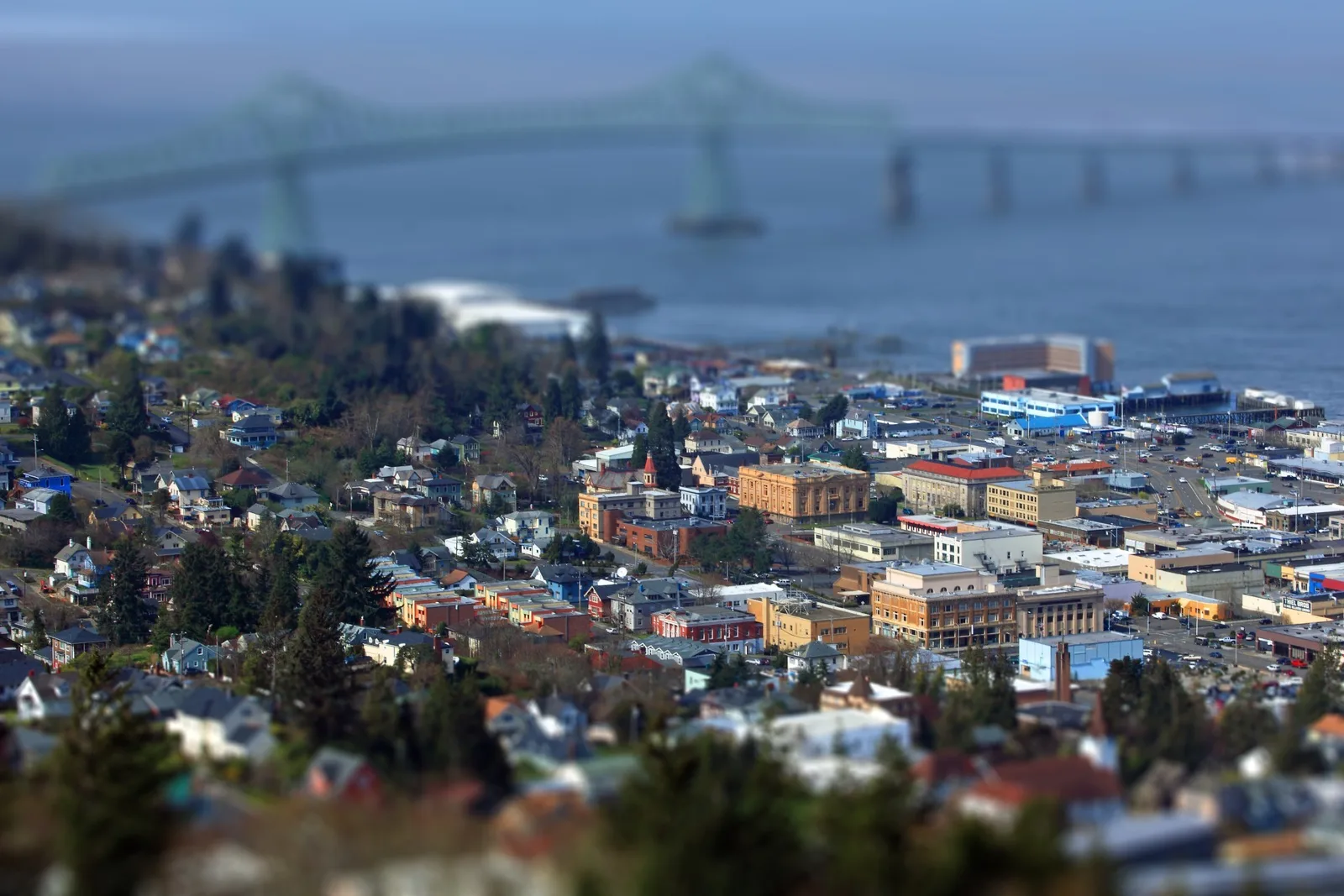
- Astoria - historic hillside homes, riverfront commercial buildings, Uppertown, Alderbrook, and the Mill Pond district
- Warrenton and Hammond - low-elevation neighborhoods near Youngs Bay and the Skipanon River
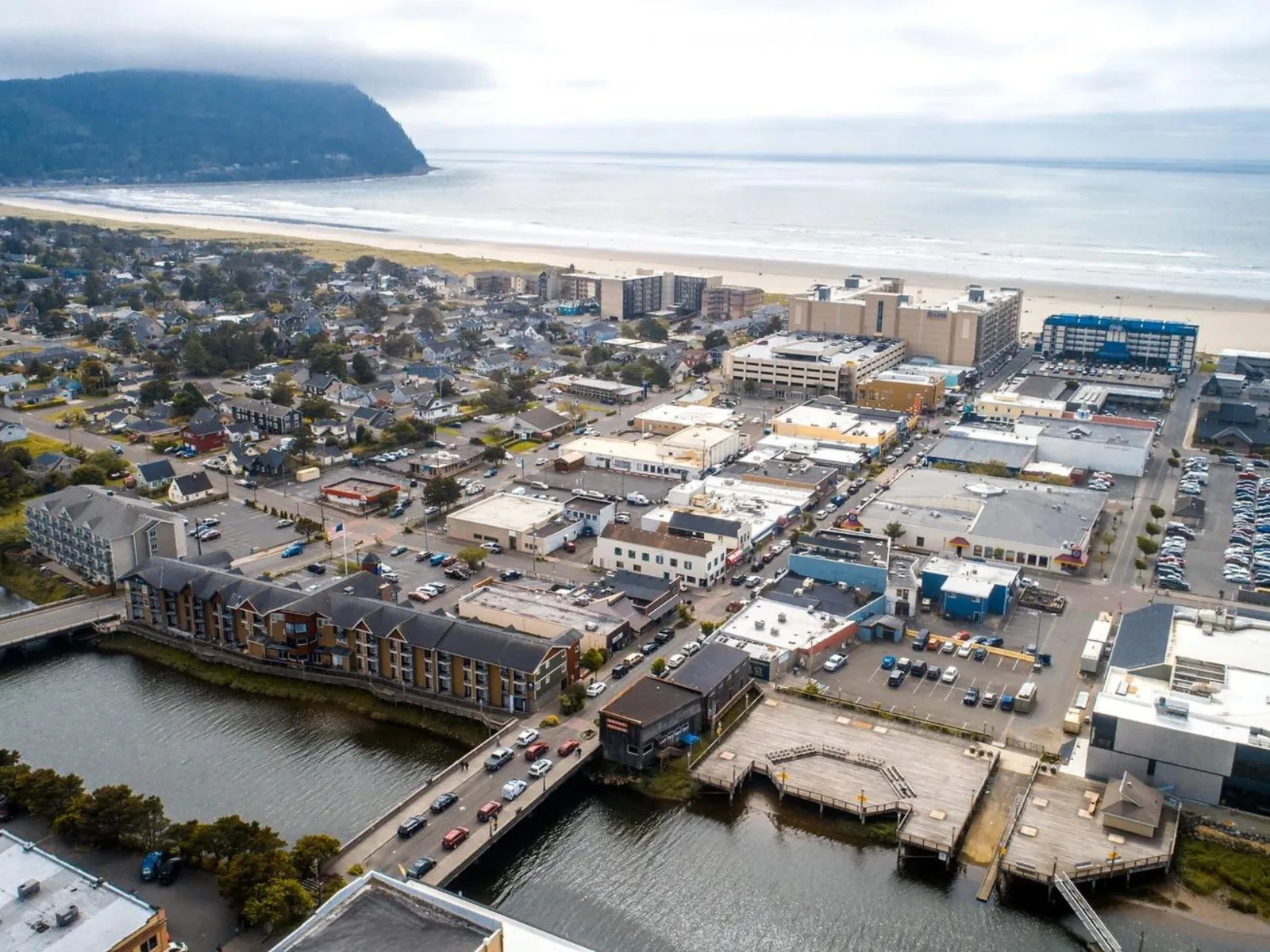
- Seaside - Prom-area residences, Cove neighborhoods, and Necanicum River properties
- Gearhart - beachfront cottages and dune-adjacent homes
- Cannon Beach - Tolovana Park, Midtown, and Ecola Creek vacation rentals
- Knappa, Svensen, Brownsmead, and Westport - rural river-corridor properties
- Jewell, Olney, and Elsie - forested inland acreage with well and septic systems
- Arch Cape and Falcon Cove - south county coastal residences
Service also reaches neighboring Columbia County communities and surrounding unincorporated areas.
Seasonal Damage Patterns in Clatsop County
Seasonal Damage Patterns in Clatsop County
Restoration demand shifts predictably with the coastal calendar. Knowing what each season brings helps property owners prepare before the call becomes an emergency.
- November through February: Peak storm season. Flooded basements, roof leaks, wind-driven rain intrusion, and sewer backups dominate. Heating equipment use also pushes fire and smoke damage calls higher.
- March through May: Snowmelt from the Coast Range plus continued rain keeps groundwater high. Mold growth accelerates as temperatures rise inside damp crawl spaces and wall cavities.
- June through August: Drier weather exposes hidden winter damage. Inspections reveal rot, staining, and colonized insulation. Late summer brings wildfire smoke infiltration from inland fires.
- September through October: The first significant rains test clogged gutters and aging drainage. Vacation rentals sitting empty after the summer season often hide undetected leaks.
- Water damage and flooded basements cluster in winter
- Sewage cleanup spikes when saturated soils stress septic and sewer lines
- Mold removal requests build steadily from late winter into summer
- Smoke damage arrives both from winter heating and summer wildfire seasons
Housing Characteristics & Restoration Considerations
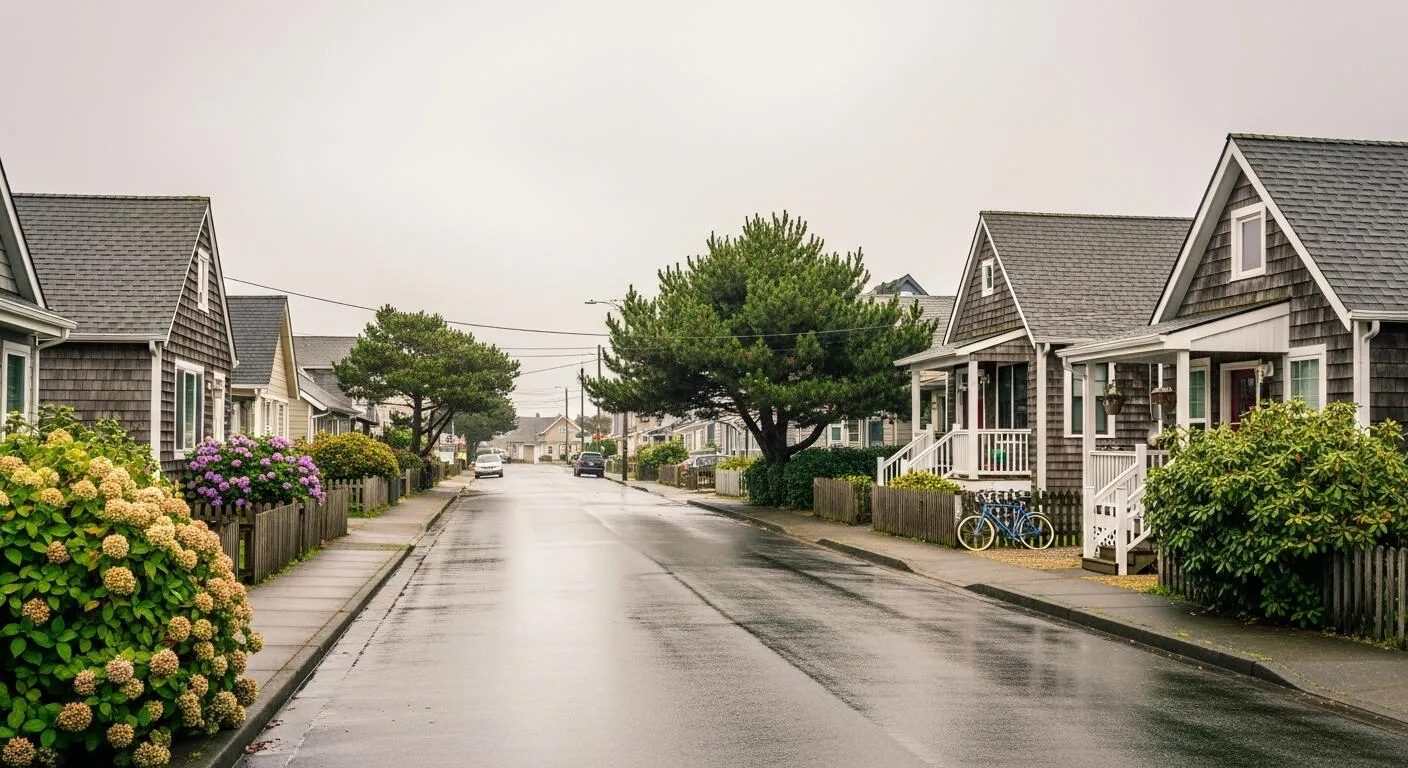
Clatsop County holds one of Oregon's oldest housing inventories. Astoria's Victorian and Craftsman homes, many built before 1940, sit alongside mid-century beach cottages and newer construction in Warrenton and Seaside.
Common Construction Features
- Balloon-framed walls that allow water and smoke to travel vertically between floors
- Unvented or poorly vented crawl spaces with exposed soil and minimal vapor barrier
- Old-growth fir floors, lath-and-plaster walls, and shiplap sheathing that hold moisture
- Daylight basements cut into hillsides with limited waterproofing
- Cedar shingle and lap siding weathered by salt-laden wind
- Pier-and-post foundations on low-lying parcels near the bay and rivers
How Age Affects Restoration
- Pre-1980 materials may contain asbestos or lead, requiring testing before demolition
- Plaster and solid-wood assemblies dry slower than modern drywall, extending drying plans
- Knob-and-tube or aging wiring raises fire risk and complicates post-loss reconstruction
- Cast iron and clay sewer laterals crack with root intrusion, leading to Category 3 losses
- Vacation rentals and second homes may go weeks without occupancy, letting small leaks become major mold jobs
Restoration plans account for these realities with targeted cavity drying, controlled demolition, and materials matched to the original construction during rebuild.
Environmental Conditions & Damage Implications
The county receives among the highest annual rainfall totals in Oregon, with relative humidity that rarely drops low enough to dry structures naturally. That baseline shapes every restoration decision.
Climate and Air
- Cool, damp marine air slows evaporation, making mechanical dehumidification necessary rather than optional
- Salt aerosol accelerates corrosion on fasteners, ductwork, and electrical components after fire or water exposure
- Wildfire smoke episodes push fine particulate indoors through leaky building envelopes
- Persistent humidity keeps mold spores viable year-round on organic building materials
Water and Soil
- High water tables near Youngs Bay, the Necanicum, and the Columbia limit below-grade drainage options
- Silty and clay-rich soils drain slowly and transmit hydrostatic pressure to foundation walls
- Sandy dune soils near Gearhart and Cannon Beach shift and undermine footings during heavy runoff
- Tidal influence can slow stormwater discharge, extending standing water durations
- Rural septic systems saturate during long wet spells, increasing contaminated backup risk
These factors mean drying goals are set with local dew point data, containment is used aggressively during mold and sewage work, and post-restoration moisture verification protects against repeat failures.
Coastal Storm Readiness and the First 24 Hours After Damage
Winter storm systems roll in off the Pacific with little warning, and power outages often follow. What a property owner does in the first hours often determines whether a loss stays small or turns into a full reconstruction.
Steps to Take Immediately
- Stop the source if it is safe - shut off the main water valve or the affected fixture supply.
- Cut power to flooded areas at the breaker before entering standing water.
- Photograph and video everything before moving contents or removing materials.
- Move furniture, rugs, and stored items to a dry, elevated area.
- Avoid contact with sewage-affected water and keep children and pets out of the area.
- Call a certified restoration team to begin extraction and set drying equipment.
- Notify your insurance carrier and share the documentation you collected.
Preparation That Pays Off
- Clear gutters, downspouts, and area drains before the November storm season
- Install and test sump pumps with battery backup in daylight basements
- Replace rubber washing machine hoses with braided stainless lines
- Have chimneys and woodstoves inspected and swept annually
- Keep a vapor barrier intact and crawl space vents functional
- Know where your sewer cleanout is located for faster response
- Keep an emergency contact list, including the county Emergency Management office, posted where household members can find it
The county's Emergency Operations Plan coordinates the response to moderate and catastrophic events across Astoria, Warrenton, Gearhart, Seaside, Cannon Beach, and unincorporated areas. Individual property readiness fits directly into that broader framework, and a documented plan speeds recovery when many homes are affected at once.