Damage Restoration in Yamhill County, OR
- Damage Restoration Services Overview
- Common Damage Restoration Issues in Yamhill County, Oregon
- Neighborhoods We Serve in Yamhill County
- Seasonal Damage Patterns in Yamhill County
- Housing Characteristics & Restoration Considerations
- Environmental Conditions & Damage Implications
- From Emergency Response to Rebuild: How Restoration Works in the Willamette Valley
Damage Restoration Services Overview
Water spreads through drywall, subfloor, and framing within hours, and smoke residue becomes acidic enough to etch surfaces almost as fast. In Yamhill County, where winter rain arrives in long, saturating stretches, the window between a small problem and a structural one is short.
Restoration work covers a connected set of emergencies that often overlap on the same property:
- Water Damage Restoration - burst supply lines, failed water heaters, roof leaks, and appliance overflows
- Flooded Basement - groundwater intrusion, sump pump failure, and foundation seepage during Willamette Valley storms
- Sewage Cleanup - backed-up mainlines, septic surcharge, and Category 3 contamination requiring full sanitization
- Fire Damage Restoration - structural cleaning, debris removal, board-up, and content recovery
- Smoke Damage Restoration - soot removal, odor neutralization, and HVAC decontamination
- Mold Removal - containment, air filtration, and removal of colonized materials
Benefits for property owners across McMinnville, Newberg, and the surrounding farmland include faster drying that limits secondary mold growth, documented moisture readings that support insurance claims, and one coordinated crew handling extraction through reconstruction rather than a patchwork of separate contractors.
Common Damage Restoration Issues in Yamhill County, Oregon
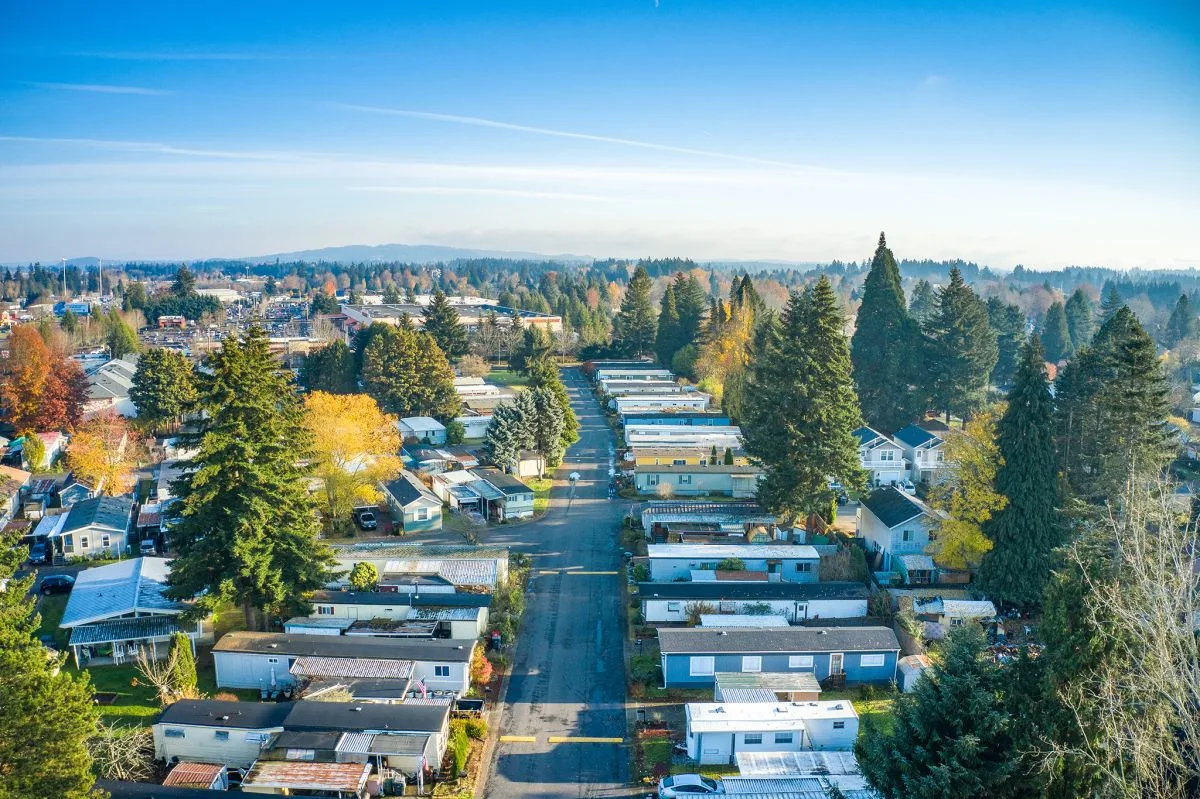
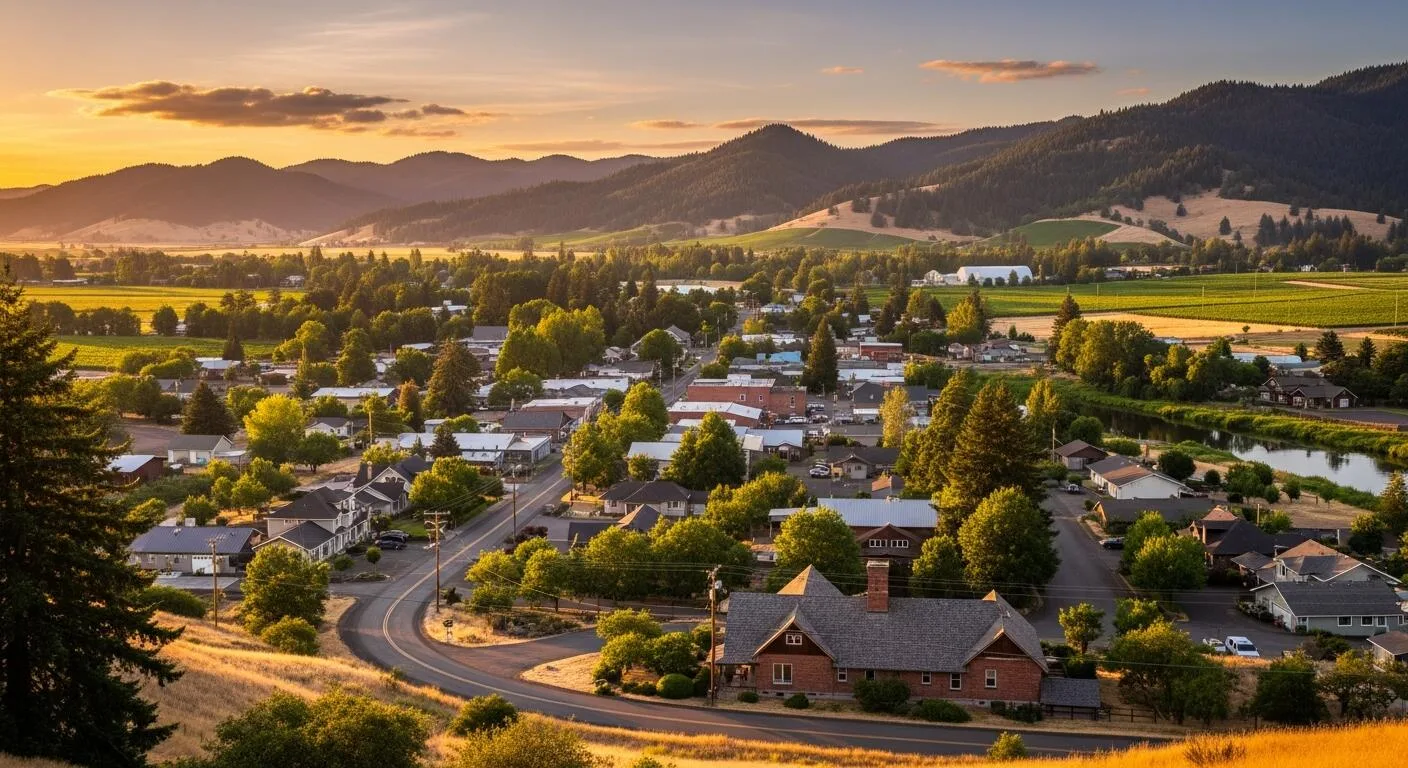
Sitting in the Willamette Valley with the Yamhill, North Yamhill, and South Yamhill rivers running through it, the county carries a moisture load that shapes nearly every restoration call. Roughly 107,000 residents live across a mix of historic downtown cores, hillside vineyard properties, and rural acreage on septic systems.
Local Causes of Damage
- Prolonged November through March rainfall saturating clay-heavy soils and pushing hydrostatic pressure against foundation walls
- Rural septic systems overwhelmed by high water tables, leading to backups into lower-level fixtures
- Aging cast iron and clay sewer laterals in older McMinnville and Newberg neighborhoods, prone to root intrusion
- Wood stoves, pellet stoves, and fireplaces used heavily on rural properties, creating chimney and creosote fire risk
- Summer wildfire smoke drifting into the valley, coating interiors and loading HVAC filters
- Crawl spaces with failed vapor barriers holding standing water beneath the living space
Warning Signs Worth Acting On
- Musty odor that intensifies when the furnace or heat pump runs
- Efflorescence, chalky white staining, or hairline cracks along basement walls
- Slow floor drains, gurgling toilets, or sewage odor near cleanouts
- Cupping hardwood, bubbling paint, or soft baseboards
- Yellow-brown staining on ceilings after wind-driven rain
- Persistent smoke odor returning on humid days after a small kitchen or chimney fire
Neighborhoods We Serve in Yamhill County
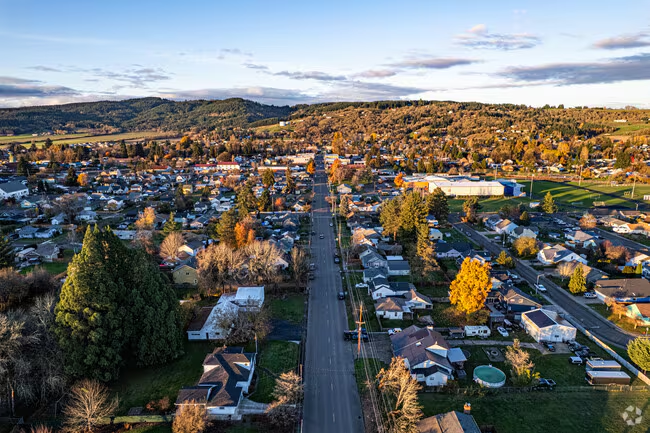
Crews respond throughout the county seat and the smaller communities that ring it, including rural addresses well off the highway.
- McMinnville - downtown Third Street district, historic residential blocks, and newer subdivisions on the west side
- Newberg - neighborhoods near George Fox University, Springbrook, and the Chehalem Valley
- Dundee and Dayton - vineyard properties, wineries, and hillside homes above the Willamette
- Lafayette, Carlton, and Yamhill - older housing stock along the Highway 47 corridor
- Sheridan, Willamina, and Amity - west county communities and surrounding farmland
- Dundee Hills, Ribbon Ridge, and McMinnville AVA - agricultural outbuildings and tasting room facilities
Service extends to unincorporated areas along Highways 18, 99W, and 47, plus adjacent parts of Polk and Washington counties.
Seasonal Damage Patterns in Yamhill County
Restoration demand shifts predictably with valley weather.
- November - February: Peak season for flooded basements, crawl space water, and sewage backups as saturated ground meets sustained rainfall. Cold snaps bring frozen and split supply lines, especially in unheated garages and vacation properties.
- March - April: Snowmelt from the Coast Range combines with spring storms to keep water tables high. Mold removal calls climb as the damage from winter intrusion becomes visible and odorous.
- May - June: Warming temperatures activate dormant mold behind walls and under flooring. Ideal window for crawl space remediation and vapor barrier replacement.
- July - September: Fire and smoke damage peak with dry grass, equipment sparks on farmland, and regional wildfire smoke infiltrating homes. Air duct cleaning and odor treatment requests rise sharply.
- October: First heavy rains expose roof and gutter failures, generating water damage calls in attics and upper ceilings before winter fully sets in.
Housing Characteristics & Restoration Considerations
Yamhill County housing spans well over a century of construction, and each era responds differently to water, fire, and microbial growth.
Common Construction Types
- Pre-1940 farmhouses and downtown homes - balloon framing, lath and plaster, unlined chimneys, and dirt-floor basements that wick moisture continuously
- Post-war and mid-century ranches - vented crawl spaces, original galvanized plumbing, and limited wall insulation
- 1980s - 2000s subdivisions - slab or stem-wall foundations, engineered joists, and vinyl or hardboard siding vulnerable to trapped moisture
- Contemporary builds - tight envelopes that hold humidity when ventilation fails, plus PEX and polybutylene fitting concerns in certain vintages
- Rural acreage - well systems, septic drain fields, barns, and detached shops that need separate drying strategies
How Age Affects the Work
- Plaster and lath dry slowly and often require injection drying rather than removal
- Homes built before the late 1970s may contain asbestos in flooring, mastic, and pipe wrap, requiring testing before demolition
- Lead paint protocols apply to pre-1978 structures during fire and water repairs
- Balloon-framed walls allow smoke and fire to travel between floors, widening the affected area
- Unconditioned crawl spaces need dedicated dehumidification, not just extraction
- Original hardwood over plank subfloor often responds to controlled drying if addressed quickly
Environmental Conditions & Damage Implications
The valley's climate is the single largest driver of restoration outcomes here. Mild, wet winters and dry summers create a cycle that alternately soaks and bakes building materials.
Climate and Moisture
- Annual rainfall concentrated in a six-month window, producing sustained soil saturation rather than brief downpours
- Indoor relative humidity that regularly exceeds mold-growth thresholds from late fall through spring
- Mild winter temperatures that keep microbial activity alive year-round instead of freezing it off
- Morning valley fog that slows natural drying of exterior assemblies
Soil and Groundwater
- Silty clay loam and heavy clay subsoils drain slowly, directing water toward foundations
- Elevated water tables in low-lying areas near river bottoms stress sump systems and septic drain fields
- Hillside vineyard properties face sheet flow and slope runoff channeling into daylight basements
Air and Water Quality
- Summer smoke events deposit fine particulate on soft goods, HVAC coils, and attic insulation
- Agricultural dust and spray drift add to indoor particulate loads in rural homes
- Well water with iron or mineral content can stain surfaces during extraction and complicate cleaning
- Septic-related sewage events carry higher pathogen risk than municipal backups and demand full antimicrobial treatment
These conditions mean drying targets, dehumidifier sizing, and post-remediation verification all need to be calibrated to valley humidity rather than generic national standards.
From Emergency Response to Rebuild: How Restoration Works in the Willamette Valley
A single event rarely stays in one category. A flooded basement in Lafayette can become a sewage cleanup when the floor drain surcharges, then a mold removal project three weeks later if drying was incomplete. Handling the full arc under one plan prevents gaps where problems reappear.
The Start-to-Finish Process
- Emergency contact and dispatch - crews route from central county locations to McMinnville, Newberg, Sheridan, and rural addresses around the clock
- Safety assessment - electrical hazards, structural stability, contamination category, and air quality evaluated before entry
- Stabilization - water shutoff, board-up, tarping, and containment barriers installed to stop ongoing loss
- Extraction and debris removal - standing water pumped out, unsalvageable material removed, soot and char debris cleared
- Documentation - moisture mapping, thermal imaging, photo logs, and material inventories prepared for the insurance file
- Drying and dehumidification - air movers and desiccant or refrigerant dehumidifiers placed and monitored daily against valley humidity conditions
- Cleaning and decontamination - antimicrobial application for sewage events, soot removal and thermal fogging for smoke, HEPA filtration throughout
- Verification - independent post-remediation testing where mold was involved, confirming clearance before rebuilding
- Reconstruction - drywall, flooring, cabinetry, trim, and paint restored to pre-loss condition
What Local Experience Adds
- Familiarity with Yamhill County building department permit requirements for structural repairs
- Working knowledge of septic-served properties versus municipal sewer connections
- Coordination with vineyard, tasting room, and agricultural building owners on timing around harvest
- Direct communication with adjusters and, when a claim becomes contested, the documentation property damage attorneys in McMinnville expect to see
- Content pack-out and storage for historic furnishings and irreplaceable items during fire repairs