Damage Restoration in Linn County, OR
- Damage Restoration Services Overview
- Common Damage Restoration Issues in Linn County, Oregon
- Neighborhoods We Serve in Linn County
- Seasonal Damage Patterns in Linn County
- Housing Characteristics & Restoration Considerations
- Environmental Conditions & Damage Implications
- Emergency Response Timing Across Linn County's Urban and Rural Properties
Damage Restoration Services Overview
Linn County averages more than 40 inches of rain each year, with the bulk of it falling between November and March - a soaking pattern that gives water more than four months of near-constant opportunity to find its way into basements, crawl spaces, and wall cavities. That single climate reality drives the majority of restoration calls across Albany, Lebanon, Sweet Home, and the rural properties in between.
Property owners here rely on a connected set of services rather than one isolated fix, because water, smoke, and microbial damage rarely stay in their own lane.
- Water Damage Restoration - extraction, structural drying, and moisture mapping after plumbing failures, roof leaks, and appliance overflows
- Flooded Basement Recovery - pumping standing water, drying foundations, and treating saturated framing and flooring
- Sewage Cleanup - removal of contaminated material, disinfection, and safe disposal after backups and septic failures
- Fire Damage Restoration - debris removal, soot cleaning, structural stabilization, and content recovery
- Smoke Damage Restoration - odor neutralization, HVAC cleaning, and surface treatment, including wildfire smoke intrusion
- Mold Removal - containment, removal of affected materials, and correction of the moisture source
The benefit of coordinated response is simple: faster drying limits secondary damage, reduces the scope of demolition, and protects the structural elements that are most expensive to replace.
Common Damage Restoration Issues in Linn County, Oregon
Every restoration project has its own circumstances, but certain causes of damage repeat across the county year after year.
- Water damage from plumbing failures and aging supply lines
- Burst pipes during hard freezes, especially in uninsulated crawl spaces and garages
- Roof leaks and storm damage from Pacific wind events
- Flooding caused by heavy rainfall and saturated ground near the Willamette and Santiam river corridors
- Fire and smoke damage from heating equipment, kitchens, and outbuildings
- Wildfire smoke intrusion drifting down from Cascade foothill fires
- Sewage backups from overloaded municipal lines and rural septic systems
- Appliance leaks behind washers, dishwashers, and refrigerators
- Long-term moisture exposure in crawl spaces that never fully dry out
- Structural damage caused by slow water infiltration behind finished walls
Warning Signs Worth Acting On
- Musty odors that intensify after rain or when the furnace runs
- Cupping or lifting hardwood and separating laminate seams
- Dark staining along baseboards, subfloor edges, or crawl space joists
- Condensation on windows and interior walls during winter
- Slow drains, gurgling fixtures, or standing water near floor drains
- Smoke odor that returns when humidity rises, indicating soot still trapped in porous materials
Catching these early keeps a drying project from turning into a mold remediation project - and keeps a small sewage backup from contaminating an entire finished lower level.
Neighborhoods We Serve in Linn County
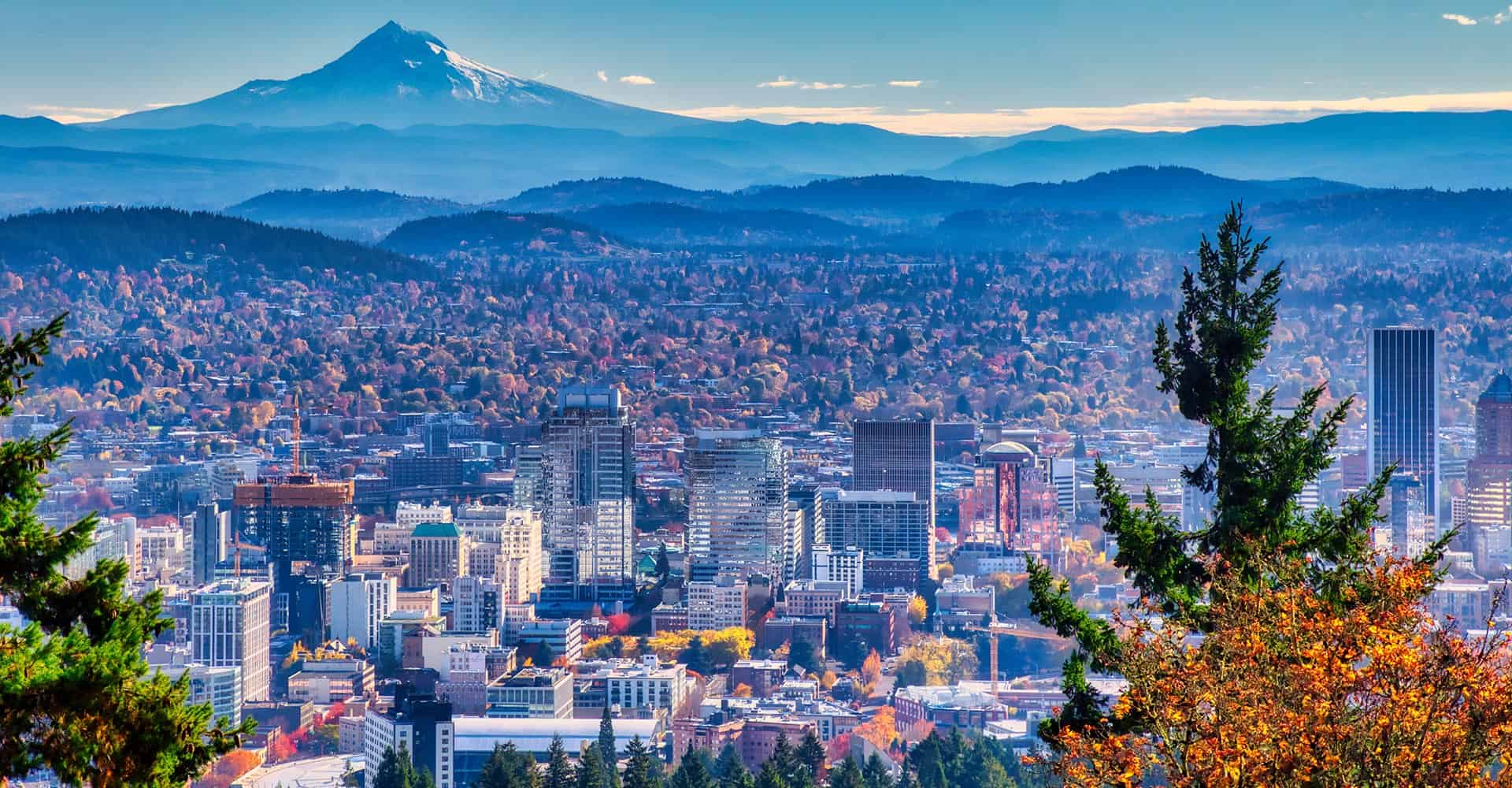
Restoration needs shift depending on whether a property sits in a city core, on farmland, or against the foothills. Crews respond throughout the county and surrounding region.
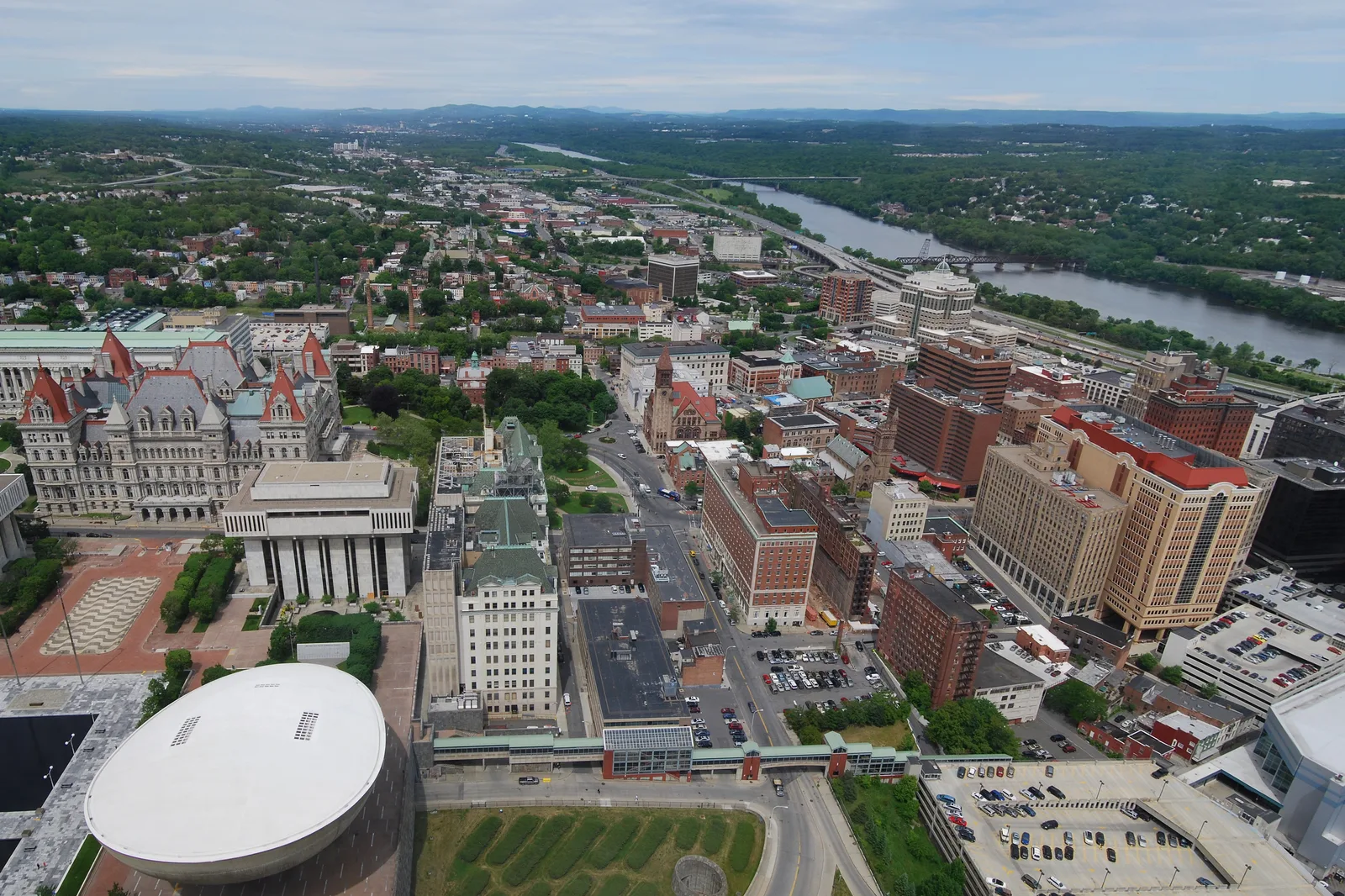
- Albany - historic districts, Willamette and Calapooia riverfront properties, and newer subdivisions
- Lebanon - established residential neighborhoods and South Santiam corridor homes
- Sweet Home - foothill properties with wildfire smoke and well-water considerations
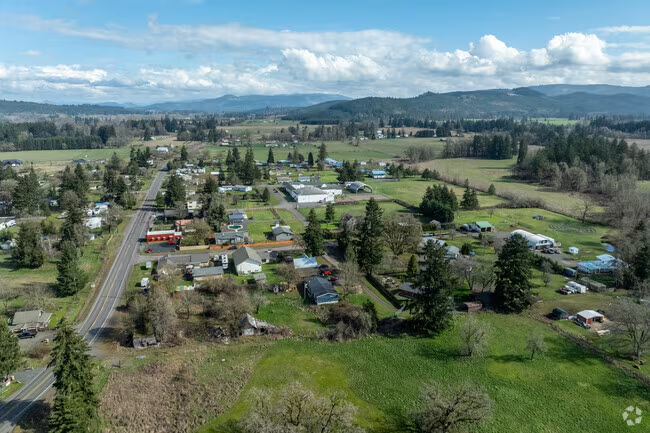
- Lyons, Mill City, and Scio - rural acreage and septic-served homes
- Harrisburg, Halsey, Brownsville, and Tangent - agricultural properties, barns, and outbuildings
- Millersburg and Jefferson - mixed residential and light industrial structures
- Crawfordsville, Cascadia, and eastern county areas - remote homes with longer utility restoration windows
Service extends into neighboring Benton, Lane, Polk, and Lincoln counties, including Corvallis, Eugene, Springfield, and Oakridge.
Seasonal Damage Patterns in Linn County
Knowing what the calendar typically brings helps property owners prepare before damage happens.
- November - February: Peak season for flooded basements, crawl space saturation, and roof leaks. Sustained rainfall raises groundwater and pushes water through foundation cracks.
- December - January: Cold snaps freeze exposed lines. Burst pipes and heating-related fires cluster in these weeks, along with the smoke damage that follows.
- February - March: Snowmelt from the Cascades combines with rain, driving river-adjacent flooding and sewage backups when systems reach capacity.
- April - May: Mold discovery season. Warming temperatures activate colonies that established themselves during the wet months.
- June - August: Fire risk climbs. Wildfire smoke intrusion affects foothill and eastern county properties, requiring HVAC cleaning and odor treatment.
- September - October: Late-season fire smoke lingers, then the first heavy storms expose deferred roof and gutter problems.
Scheduling gutter clearing, crawl space inspection, and pipe insulation ahead of October reduces the odds of a mid-winter emergency call.
Housing Characteristics & Restoration Considerations
Linn County housing spans well over a century of construction practice, and the building era largely determines how a restoration project unfolds.
Common Construction Types
- Pre-1940 homes in Albany's historic districts and Brownsville - lath and plaster, old-growth fir framing, shallow basements, and cast iron drain lines prone to failure
- Mid-century ranch homes - vented crawl spaces, minimal vapor barriers, and original galvanized supply plumbing
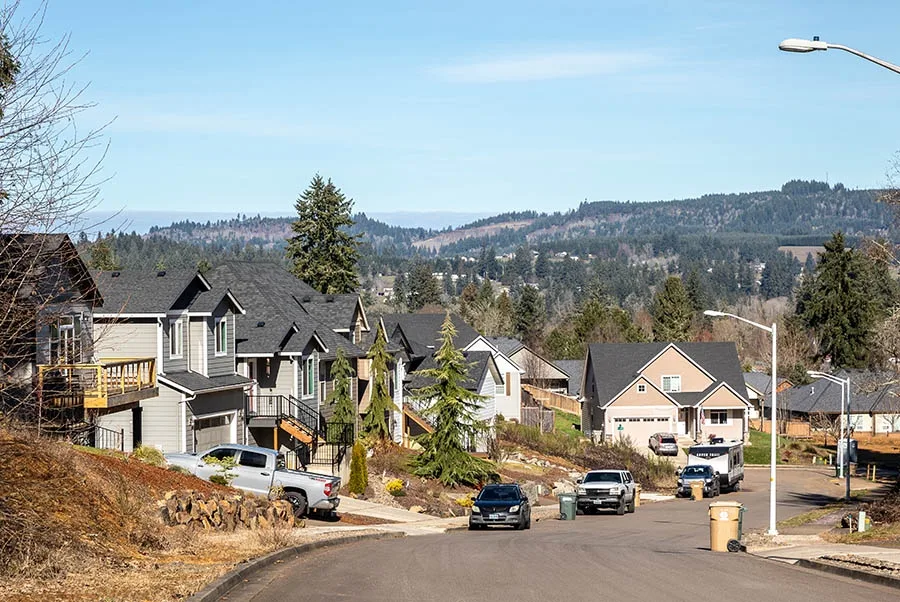
- 1970s - 1990s subdivisions - slab-on-grade and crawl space foundations with insulated wall cavities that hold moisture once wet
- Modern builds - tighter envelopes that trap humidity and spread smoke odor quickly through ductwork
- Rural farmhouses and manufactured homes - septic systems, well water, outbuildings, and longer drying timelines
How Age Affects Each Service
- Older plaster absorbs water deeply, requiring extended structural drying rather than quick surface treatment
- Pre-1980 materials may contain asbestos or lead, so testing precedes demolition after fire or flood events
- Crawl spaces without vapor barriers become recurring mold sources until the ground is sealed
- Aging sewer laterals raise backup risk, making sewage cleanup more common in established neighborhoods
- Finished basements built into older foundations trap water behind paneling, hiding damage until odor appears
- Balloon-framed walls in historic homes let smoke travel between floors, expanding the deodorization scope
Environmental Conditions & Damage Implications
Restoration strategies here have to account for a climate that stays damp far longer than most of the country.
Climate and Moisture
- Marine-influenced winters with prolonged rain and limited evaporation potential
- Relative humidity that frequently stays above 80 percent for weeks at a time
- Mild temperatures that keep mold active nearly year-round rather than dormant
- Occasional hard freezes that catch under-insulated plumbing off guard
Soil, Water, and Air
- Willamette Valley soils include heavy clay and silt loam that drain slowly and hold water against foundations
- High seasonal water tables push moisture upward through slabs and crawl space soil
- River proximity along the Willamette, Santiam, and Calapooia raises flood exposure for low-lying parcels
- Rural properties on wells and septic face contamination concerns after flooding, requiring disinfection and water testing
- Summer wildfire smoke deposits fine particulate in attics, ducts, and soft furnishings even without direct fire contact
What This Means for Restoration
- Drying equipment must be paired with dehumidification sized for high ambient humidity
- Moisture readings are verified over multiple days rather than assumed after visible drying
- Mold containment is established early because spore activity does not pause in cool weather
- Crawl space encapsulation and drainage correction are often recommended alongside repairs
- Air scrubbing and HVAC cleaning address smoke particulate that clay-heavy, tightly built homes retain
Emergency Response Timing Across Linn County's Urban and Rural Properties
The clock matters more than any other factor in restoration. Water migrates into subfloors within hours, drywall wicks moisture upward overnight, and microbial growth can begin within a day or two under Linn County's humidity conditions. Sewage contamination and soot are equally time-sensitive - acidic soot etches metal and glass, while sewage saturates porous materials the longer it sits.
What Happens on Arrival
- Safety assessment - electrical hazards, structural stability, and contamination category are identified first
- Source control - stopping the active leak, backup, or intrusion point
- Extraction and debris removal - standing water pumped out, unsalvageable material removed and documented
- Moisture mapping - meters and thermal imaging locate hidden saturation behind walls and under flooring
- Containment - barriers and negative air machines isolate mold, sewage, or smoke-affected zones
- Drying and treatment - air movers, dehumidifiers, antimicrobial application, and odor neutralization
- Verification and documentation - readings logged daily and shared for insurance purposes
Rural and Foothill Considerations
- Properties near Sweet Home, Cascadia, and Crawfordsville may have limited road access during storm events
- Septic-served homes require additional evaluation before sewage cleanup can be completed safely
- Power outages on rural circuits mean generator-supported drying equipment is often necessary
- Agricultural buildings and shops need drying plans separate from the main residence
The benefit of rapid mobilization is measurable: less demolition, more salvageable flooring and cabinetry, fewer displaced days, and a cleaner path through the insurance claim. Calling at the first sign of water, odor, or backup consistently produces a smaller, shorter project than waiting to see whether the problem resolves on its own.