
Damage Restoration in Lebanon, OR
- Damage Restoration Services Overview
- Common Damage Restoration Issues in Lebanon, Oregon
- Neighborhoods We Serve in Lebanon
- Seasonal Damage Patterns in Lebanon
- Housing Characteristics & Restoration Considerations
- Environmental Conditions & Damage Implications
- Crawlspace Moisture and Mold Prevention in Lebanon Homes
Damage Restoration Services Overview
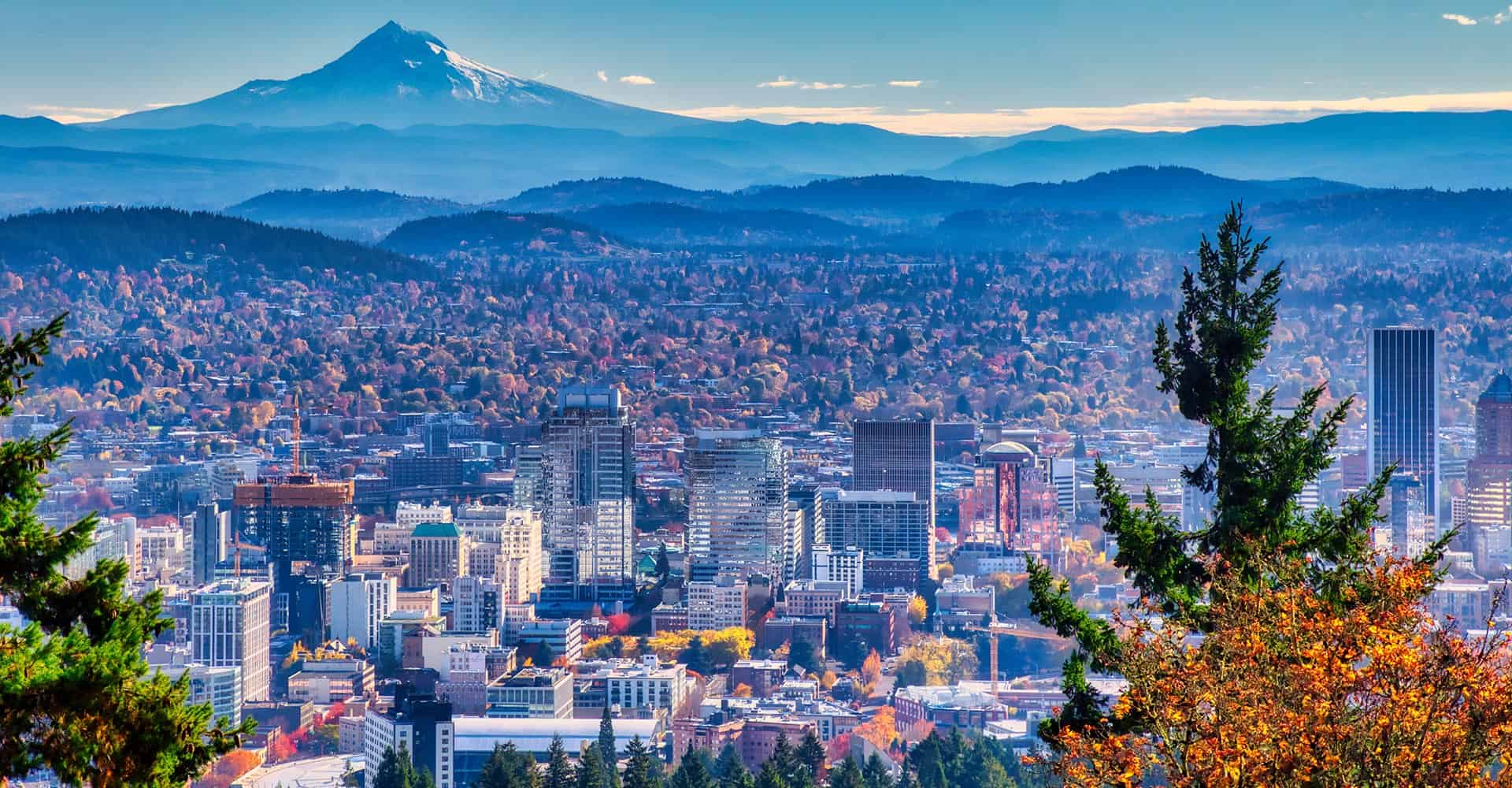
Lebanon sits in the heart of Linn County where the South Santiam River, heavy Willamette Valley rainfall, and a high seasonal water table combine to put steady pressure on homes and commercial buildings. Properties here face water intrusion from more directions than most Oregon communities - saturated soil pushing against foundations, aging service lines, and crawlspaces that never fully dry out between storms.
Our IICRC-certified technicians handle the full range of property damage in Lebanon:
- Water Damage Restoration - burst supply lines, appliance failures, roof leaks, and storm-driven intrusion
- Flooded Basement - hydrostatic pressure, failed sump pumps, and groundwater seepage through block and slab foundations
- Sewage Cleanup - backed-up mains, septic failures, and Category 3 contamination requiring full sanitization
- Fire Damage Restoration - structural cleaning, contents recovery, and rebuilding after kitchen, chimney, or electrical fires
- Smoke Damage Restoration - soot removal, odor neutralization, and HVAC decontamination, including wildfire smoke infiltration
- Mold Removal - containment, remediation, and moisture-source correction in crawlspaces, bathrooms, and wall cavities
Fast response matters. Water spreads through subfloors within hours, and mold colonies establish quickly in Lebanon's mild, damp climate. Rapid extraction, controlled drying, and documented moisture readings protect building materials, limit demolition, and keep insurance claims moving smoothly for local homeowners and business operators.
Common Damage Restoration Issues in Lebanon, Oregon
Lebanon's location between the Cascade foothills and the valley floor creates a specific set of recurring restoration problems. Groundwater rises sharply during the wet season, and older homes on the east side of town often lack modern drainage.
Frequent Causes of Damage
- Prolonged winter rainfall saturating soil and forcing water through foundation cracks
- Sump pump failures during multi-day storm systems and power outages
- Sewer main backups when heavy rain overwhelms lines and infiltration occurs
- Septic system saturation on rural properties outside city limits
- Pipe bursts during the occasional hard freeze, especially in uninsulated crawlspaces
- Chimney and woodstove fires during cold months in older heating systems
- Wildfire smoke drifting in from Cascade Range and Santiam Canyon burns
- Chronic crawlspace humidity feeding mold beneath living areas
Warning Signs Lebanon Property Owners Should Watch For
- Musty odors that intensify when the furnace or heat pump runs
- Cupping or darkening hardwood near exterior walls and doorways
- Efflorescence, chalky white staining, or rust lines on basement walls
- Slow drains or gurgling fixtures signaling a partial sewer blockage
- Condensation on windows and cold-wall surfaces through winter
- Soot film on light fixtures, vents, or window casings after a small fire
- Unexplained allergy or respiratory symptoms that ease when away from home
Catching these early keeps a manageable drying project from becoming a full reconstruction.
Neighborhoods We Serve in Lebanon
We respond throughout Lebanon and the surrounding Linn County countryside, including:
- Downtown Lebanon and the historic Main Street district
- Cascade and Century Drive area neighborhoods
- Properties near River Park and along the South Santiam River corridor
- Neighborhoods surrounding Lebanon High School and Seven Oak Middle School
- Golf Club Road, Airport Road, and Stoltz Hill Road corridors
- Rural acreage and farm properties toward Sodaville, Waterloo, and Crowfoot
- Nearby communities including Sweet Home, Brownsville, Tangent, and Scio
Our crews also serve the wider region - Albany, Corvallis, Eugene, Springfield, Oakridge, and the Lincoln County coast - which means additional equipment and technicians can be dispatched to Lebanon when a large loss or a widespread storm event stretches local resources.
Seasonal Damage Patterns in Lebanon
Late Fall (October - November)
- First sustained rains expose clogged gutters and failing roof flashing
- Crawlspace vapor barriers begin collecting standing water
- Woodstove and fireplace season brings the first chimney-related fire calls
Winter (December - February)
- Peak season for flooded basements and crawlspace groundwater intrusion
- Occasional freeze events cause pipe bursts and large-volume water losses
- Sewage backups spike as saturated ground infiltrates municipal and septic lines
- Heating equipment and holiday cooking drive fire and smoke damage claims
Spring (March - May)
- Snowmelt and river rise keep low-lying properties at risk
- Mold discovered as warming temperatures activate winter moisture
- Ideal window for drainage correction and crawlspace encapsulation
Summer (June - September)
- Wildfire smoke from Cascade and Santiam Canyon fires infiltrates homes
- Air conditioning condensate lines overflow into ceilings and walls
- Irrigation and hose bib failures cause slow, hidden foundation leaks
- Grass and structure fires increase during dry east-wind stretches
Housing Characteristics & Restoration Considerations
Lebanon's housing stock spans more than a century, and each era carries its own restoration challenges.
Pre-1950 Homes
- Vented crawlspaces with minimal insulation and original vapor barriers - prime mold territory
- Post-and-pier foundations that shift as soil moisture changes
- Plaster and lath walls that hold water and require careful drying rather than immediate demolition
- Potential asbestos and lead-based materials requiring testing before fire or water demolition
- Cast iron and galvanized drain lines prone to sewage backups
1950s - 1980s Construction
- Daylight basements and partial basements vulnerable to hydrostatic seepage
- Original ductwork in crawlspaces that spreads mold spores and smoke odor throughout the home
- Aging water heaters and supply lines tucked into closets and garages
Modern Builds and Manufactured Homes
- Tight building envelopes that trap humidity when ventilation is inadequate
- Engineered flooring and OSB subfloor that swell rapidly and rarely recover without controlled drying
- Manufactured homes with belly wrap that holds water invisibly for weeks after a leak
Our approach adapts to construction type. We use moisture meters and thermal imaging to map the true extent of intrusion, set containment before any mold or sewage work, and select drying equipment that protects original millwork, hardwood, and finishes wherever salvage is realistic.
Environmental Conditions & Damage Implications
Lebanon receives well over 40 inches of rain annually, most of it falling between November and April, with mild temperatures that rarely drop low enough to halt biological growth.
Climate Effects
- Extended damp periods keep indoor relative humidity elevated, feeding mold in wall cavities and crawlspaces
- Mild winters mean mold spores stay viable year-round rather than dying off
- Summer smoke events reduce outdoor air quality and push fine soot particles into HVAC systems
Soil and Groundwater
- Valley-floor silt and clay loam soils drain slowly and hold water against foundations
- Seasonal high water tables push moisture upward through slabs and crawlspace ground
- Proximity to the South Santiam River and irrigation canals raises flood exposure for some parcels
Water and Contamination Concerns
- Saturated soil around rural septic drain fields leads to surfacing effluent and Category 3 cleanup
- Storm-driven sewer surcharges introduce bacteria and pathogens into finished basements
- Agricultural runoff can contaminate floodwater entering ground-level structures
These conditions shape our process. Sewage and floodwater losses receive full antimicrobial treatment and removal of porous materials. Mold projects address the moisture source - drainage, ventilation, or vapor barrier - rather than surface cleaning alone. Smoke work includes HVAC cleaning and hydroxyl or ozone treatment so odor does not resurface during the next humid stretch.
Crawlspace Moisture and Mold Prevention in Lebanon Homes
Few features define Lebanon restoration work more than the crawlspace. The majority of homes here sit above vented crawlspaces built for a drier assumption than Oregon's climate actually delivers, and that space quietly drives many of the water and mold calls we receive.
Why Crawlspaces Fail Here
- Groundwater rises seasonally and pools on bare soil or beneath thin plastic sheeting
- Foundation vents pull humid outdoor air into a cooler space where it condenses
- Downspouts discharging beside the foundation saturate the perimeter
- Insulation falls, absorbs moisture, and becomes a growth surface
- Ductwork sweats and leaks, distributing damp, musty air into living space
How We Address It
- Inspect and document standing water, humidity levels, subfloor moisture content, and visible growth
- Extract water and remove saturated insulation, debris, and compromised vapor barrier
- Establish containment when mold is present to protect the living space above
- Apply antimicrobial treatment and, where needed, HEPA vacuum and remediate affected framing
- Dry the space with commercial dehumidification and air movement until readings stabilize
- Install new vapor barrier and insulation, and correct drainage or ventilation deficiencies
Prevention Steps for Lebanon Property Owners
- Extend downspouts at least several feet from the foundation
- Regrade soil so it slopes away from the home
- Inspect the crawlspace twice yearly - after the first heavy rains and again in spring
- Test and service sump pumps before winter, including battery backup
- Insulate exposed pipes ahead of forecast freezes
- Replace torn vapor barrier promptly rather than patching around it
Correcting crawlspace moisture reduces mold risk, protects subfloor and framing, and improves indoor air quality throughout the house - which matters as much after a fire or smoke event as it does during a wet Willamette Valley winter.





