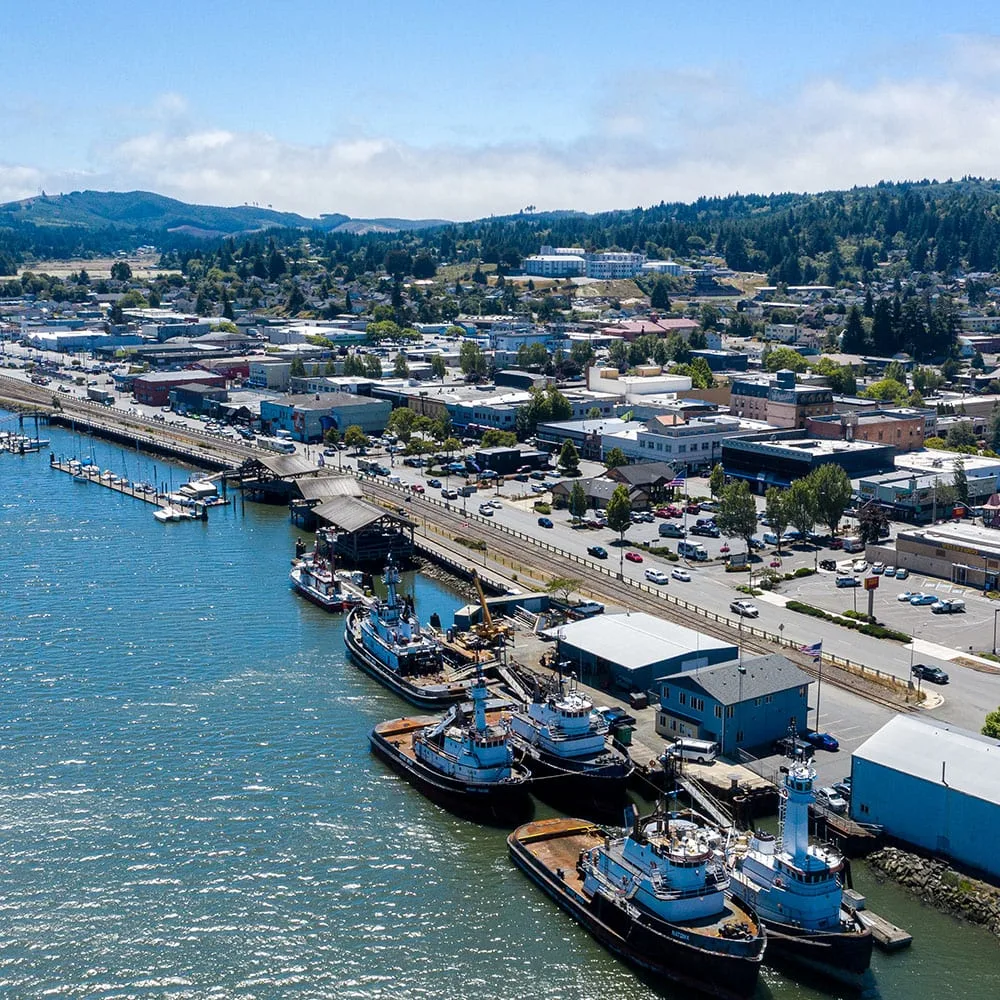
Damage Restoration in Coos County, OR
- Damage Restoration Services Overview
- Common Damage Restoration Issues in Coos County, Oregon
- Neighborhoods We Serve in Coos County
- Seasonal Damage Patterns in Coos County
- Housing Characteristics & Restoration Considerations
- Environmental Conditions & Damage Implications
- Crawlspaces, Coastal Storms, and Why Response Speed Decides the Outcome
Damage Restoration Services Overview
Water that sits for a weekend rarely stays a water problem. On the southern Oregon coast, where humidity hovers high year-round, a slow leak under a kitchen sink can become framing rot, cupped flooring, and colonized drywall cavities within weeks. Fire leaves behind acidic soot that keeps etching metal and glass long after the flames are out. Delayed action turns a contained repair into a structural rebuild.
Property owners across Coos County rely on a connected set of restoration services, each addressing a different stage or source of loss:
- Water Damage Restoration - extraction, structural drying, and moisture mapping after pipe failures, roof leaks, and appliance overflows
- Flooded Basement - pump-out, crawlspace and below-grade drying, and correction of drainage that keeps letting water back in
- Sewage Cleanup - removal of contaminated material, antimicrobial treatment, and safe handling of Category 3 water
- Fire Damage Restoration - debris removal, structural stabilization, contents recovery, and rebuild coordination
- Smoke Damage Restoration - soot removal from surfaces and HVAC systems plus odor neutralization at the molecular level
- Mold Removal - containment, removal of affected materials, and correcting the moisture source behind the growth
The benefit of addressing these early is straightforward: fewer materials removed, lower repair scope, and a home that stays healthy for the people living in it.
Common Damage Restoration Issues in Coos County, Oregon
Coastal Oregon presents a specific mix of conditions that drive restoration work in Coos Bay, North Bend, Coquille, and surrounding communities.
Local Causes of Loss
- Sustained winter rainfall - saturated soils push groundwater against foundations and into crawlspaces
- Wind-driven rain - coastal storms force water past siding, window flashing, and roof penetrations that would shed vertical rain fine
- High water tables near the bay and sloughs - low-lying properties around Coos Bay and Empire see recurring standing water under homes
- Aging sewer laterals and septic systems - root intrusion and heavy rain infiltration cause backups into lower-level bathrooms and laundry rooms
- Wood stoves and supplemental heat - a common heating choice in rural areas and a frequent source of chimney and flue fires
- Regional wildfire smoke - inland fires push smoke toward the coast, leaving odor and particulate in attics and duct systems
Warning Signs Worth Acting On
- Musty odor that intensifies after rain or when the furnace runs
- Cupping, staining, or soft spots in flooring near exterior walls
- Condensation on windows and interior surfaces during cold snaps
- Efflorescence or white powder on basement and foundation walls
- Slow drains in multiple fixtures at once - often the first sign of a main line issue
- Yellowed film on walls or a smoky smell returning weeks after a small kitchen fire
- Sagging insulation or visible growth on crawlspace joists and subfloor
Neighborhoods We Serve in Coos County
Restoration coverage extends across the county's coastal cities, river valleys, and rural stretches:
- Coos Bay - Empire, Eastside, Bunker Hill, and the downtown waterfront district
- North Bend - Simpson Heights, Ferry Road, and neighborhoods near Pony Slough
- Coquille - homes along the Coquille River floodplain and surrounding farmland
- Bandon - Old Town, the Beach Loop corridor, and Bandon Dunes area properties
- Myrtle Point and Powers - rural residences with wells, septic systems, and wood heat
- Charleston - working waterfront and marine-exposed homes near the boat basin
- Lakeside and Hauser - properties around Tenmile Lake and the dunes
- Allegany, Fairview, and Sumner - outlying river-valley communities
Service also reaches the Highway 101 corridor toward Reedsport and south toward the Curry County line, where response times matter as much as technique.
Seasonal Damage Patterns in Coos County
Late Fall Through Winter (November - February)
- Peak season for flooded basements and saturated crawlspaces
- Wind-driven rain intrusion through roofs, skylights, and window assemblies
- Sewage backups as stormwater infiltrates aging collection lines
- Chimney and heating-related fires as wood stoves run daily
- Occasional pipe failures during rare hard freezes in inland valleys
Spring (March - May)
- Mold growth becomes visible after months of trapped winter moisture
- River-related flooding along the Coquille and Millicoma drainages
- Discovery of slow leaks once homeowners open crawlspaces and attics
Summer (June - August)
- Kitchen and grill fires during peak entertaining months
- Wildfire smoke intrusion from inland and Southern Oregon burns
- Appliance and irrigation line failures while properties sit vacant during travel
Early Fall (September - October)
- First heavy rains expose gutter, downspout, and grading failures
- Smoke odor complaints as homes are closed up and HVAC systems restart
- Ideal window for crawlspace drying and moisture barrier work before winter
Housing Characteristics & Restoration Considerations
Coos County's housing stock skews older than the national median, shaped by timber-industry building booms and coastal construction traditions. That history dictates how restoration work is approached.
Common Construction Types
- Mid-century wood-frame homes - many built between the 1940s and 1970s during the lumber and shipping era
- Raised foundations with vented crawlspaces - the dominant foundation style, and the most common site of hidden moisture damage
- Older Victorian and Craftsman homes - concentrated in Marshfield, Coquille, and Bandon's Old Town, often with lath-and-plaster walls
- Manufactured and modular homes - widespread in rural areas, with skirted underbellies vulnerable to standing water and rodent-damaged vapor barriers
- Newer coastal builds - tighter envelopes that hold moisture in when ventilation fails
How Age and Construction Shape the Work
- Pre-1980 homes require asbestos and lead testing before demolition of flooring, popcorn ceilings, or plaster
- Galvanized and early copper supply lines fail without warning, producing sudden interior floods
- Lath-and-plaster holds water far longer than drywall and needs extended drying with targeted airflow
- Balloon framing in older homes lets water and smoke travel between floors through open wall cavities
- Cast iron and clay sewer laterals crack and separate, leading to repeat contamination events
- Original wood siding and shake exteriors absorb smoke odor and require sealing rather than surface cleaning
Documentation of pre-existing conditions matters here, since dry rot from years past frequently sits alongside the new loss.
Environmental Conditions & Damage Implications
Climate and Moisture Load
- Annual rainfall commonly exceeding 60 inches, concentrated in a wet season that runs roughly October through April
- Relative humidity that rarely drops low enough for passive drying, even in summer
- Mild temperatures year-round, keeping conditions within the range mold needs to grow
- Marine air carrying salt that accelerates corrosion on fasteners, ductwork, and electrical components after a fire or flood
Soil and Groundwater
- Sandy dune soils near the coast drain quickly but shift and undermine footings
- Clay-heavy valley soils around Coquille and Myrtle Point hold water against foundations for weeks
- High seasonal water tables in low-lying bay and slough areas force groundwater up through crawlspace floors
- Tidal influence in estuarine zones can slow drainage and prolong standing water events
What This Means for Restoration
- Dehumidification must be sized aggressively - open windows and fans do not dry a coastal home
- Crawlspace vapor barriers, sump systems, and perimeter drainage often need attention alongside the drying itself
- Mold remediation without moisture-source correction produces repeat growth within a single season
- Post-fire cleaning must account for salt-laden air compounding soot corrosion on unprotected surfaces
- Sewage events in saturated soils demand careful containment, since dilution and spread happen quickly
Crawlspaces, Coastal Storms, and Why Response Speed Decides the Outcome
Most Coos County homes sit above a vented crawlspace rather than a poured basement, and that single detail shapes nearly every water loss on the coast. Water reaching a crawlspace does not evaporate - it sits, feeds the joists and subfloor above it, and pushes humid air upward into the living space through every gap in the floor system. Homeowners often notice the odor months before they find the source.
What an Effective Response Looks Like
- Stop the source - shut off supply lines, tarp roof breaches, or clear the blockage causing a sewage backup
- Extract standing water - pumps and extraction units remove bulk water from crawlspaces, basements, and finished floors
- Map moisture - meters and thermal imaging identify wet cavities behind walls and under flooring that look dry on the surface
- Remove unsalvageable material - saturated insulation, contaminated vapor barrier, and porous materials touched by Category 3 water come out
- Dry to measurable targets - air movers and commercial dehumidifiers run until readings match unaffected areas, not until surfaces feel dry
- Treat and monitor - antimicrobial application where warranted, with daily readings documented for the insurance file
- Rebuild - flooring, drywall, insulation, and finishes restored once the structure holds stable moisture content
Why Local Knowledge Changes Results
- Crews familiar with coastal humidity size dehumidification for the actual environment, not a textbook average
- Storm events knock out power and block Highway 101 - local teams plan around generator needs and access limits
- Rural properties on wells and septic require different sewage protocols than municipal-connected homes
- Established regional providers including SERVPRO of Coos Curry & Del Norte Counties, No Bull Jon, Mold Fire Water, and True North Restoration of SW Oregon give property owners real choice in the county
- Familiarity with local dry rot patterns helps separate new damage from long-standing decay during scoping
The homes that recover cleanest are the ones where someone made a call the same day the water appeared.