Damage Restoration in Klamath County, OR
- Damage Restoration Services Overview
- Common Damage Restoration Issues in Klamath County, Oregon
- Neighborhoods We Serve in Klamath County
- Seasonal Damage Patterns in Klamath County
- Housing Characteristics & Restoration Considerations
- Environmental Conditions & Damage Implications
- Wildfire Smoke, Post-Fire Flooding, and Advanced Restoration Technology in the Klamath Basin
Damage Restoration Services Overview
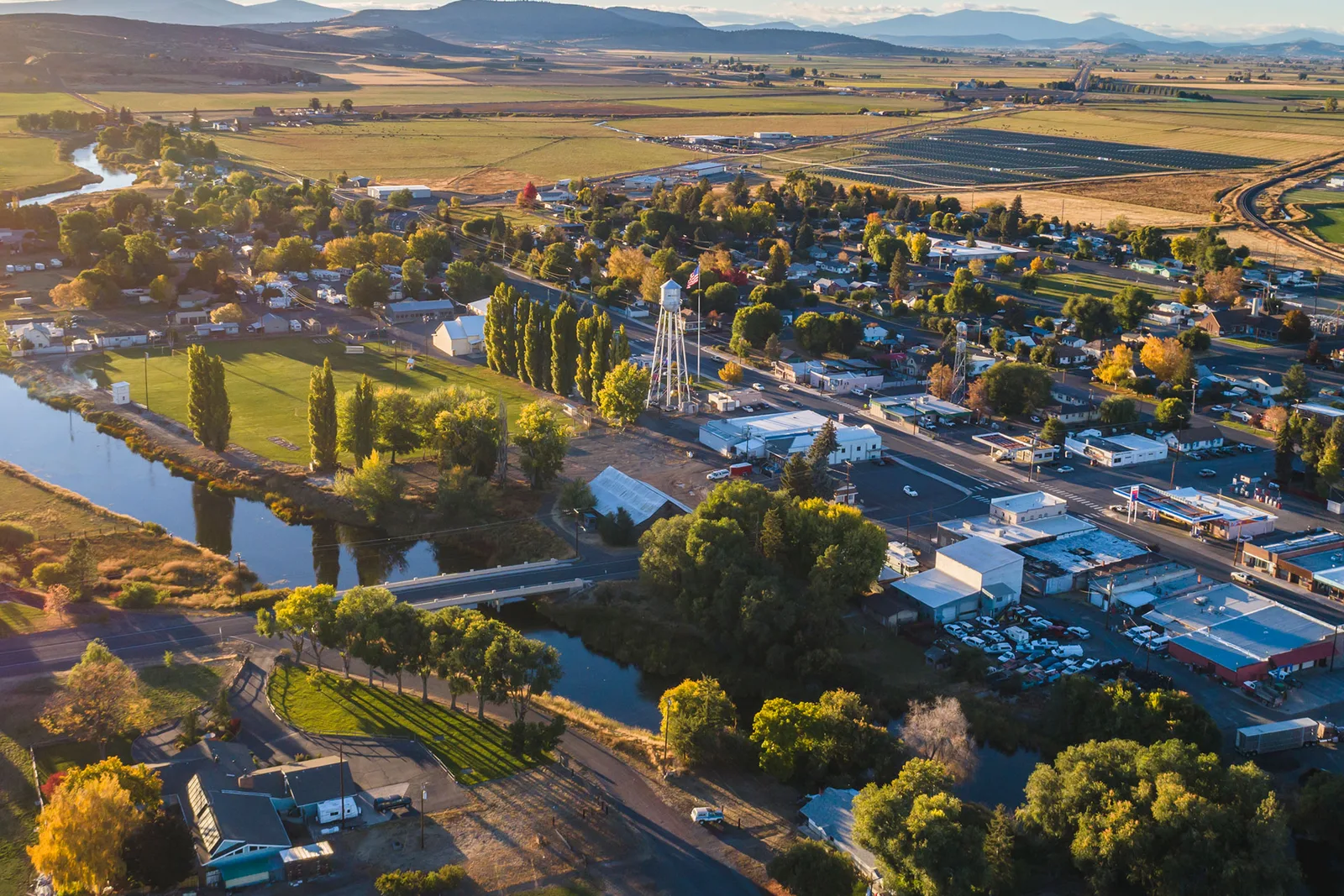
It's 4 a.m. in January, the temperature outside Klamath Falls has dropped into the single digits, and a supply line in the crawlspace splits. By sunrise, water has soaked through subfloor, insulation, and drywall. Situations like this move fast, and so does the response required to limit the loss.
Property restoration in Klamath County covers a connected set of specialties, each addressing a different type of loss:
- Water Damage Restoration - extraction, structural drying, and moisture mapping after pipe breaks, appliance failures, and roof leaks
- Flooded Basement - pumping standing water, drying below-grade walls, and correcting the drainage issues that caused it
- Sewage Cleanup - removal of contaminated material, antimicrobial treatment, and safe disposal after backups or septic failures
- Fire Damage Restoration - debris removal, structural cleaning, and rebuilding after residential or outbuilding fires
- Smoke Damage Restoration - soot removal, odor neutralization, and HVAC decontamination, including wildfire smoke intrusion
- Mold Removal - containment, controlled removal, and moisture-source correction in bathrooms, crawlspaces, and basements
Local providers including SERVPRO of Klamath & Lake Counties and 911 Restoration of Klamath Falls respond around the clock to water, fire, mold, and storm emergencies across the county. The benefit of a fast, coordinated response is straightforward: less material loss, fewer secondary problems like mold growth, and a shorter path back to a livable home.
Common Damage Restoration Issues in Klamath County, Oregon
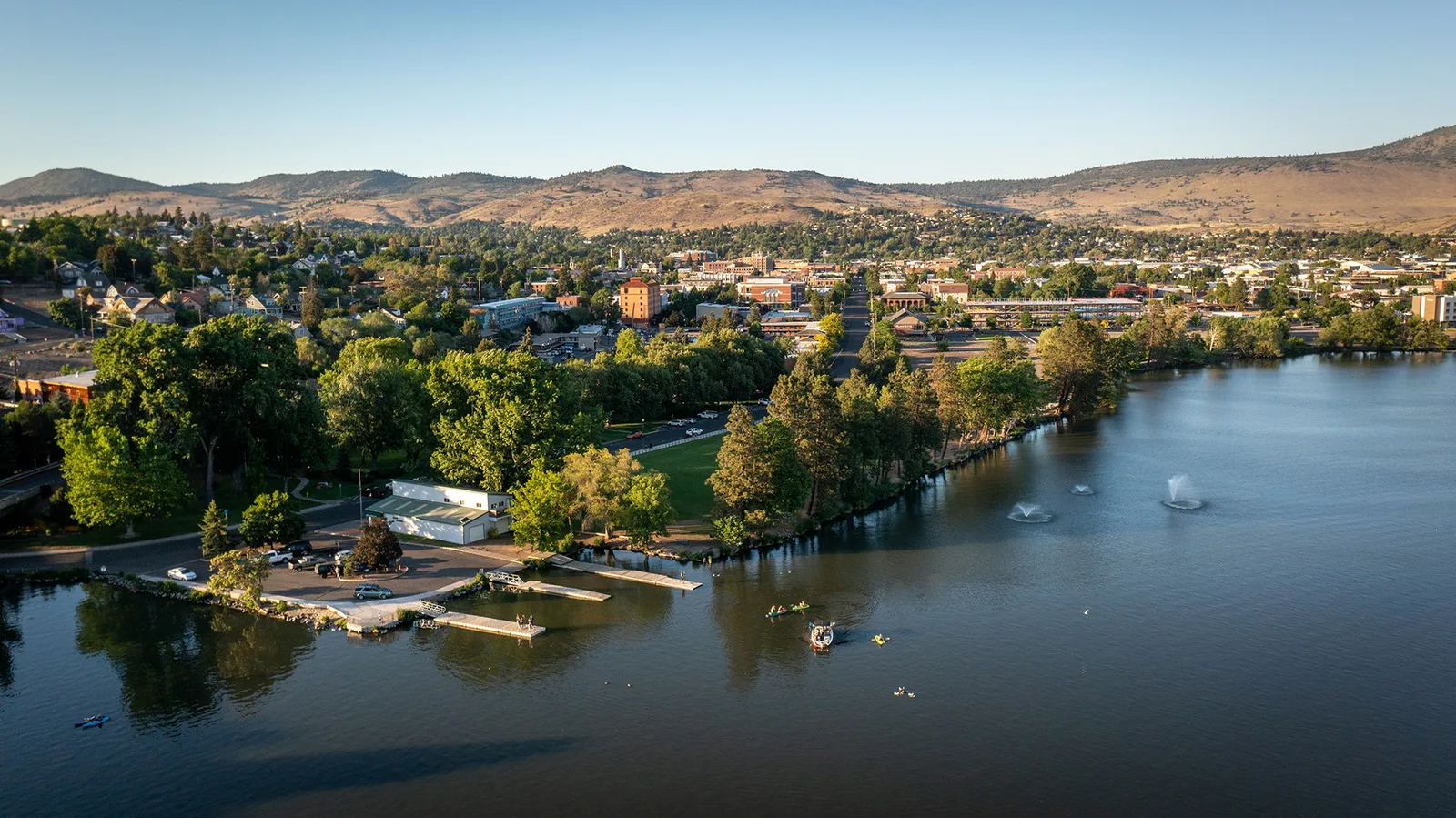
Klamath County sits at high desert elevation with cold winters, dry summers, and a landscape shaped by lakes, marshes, and irrigation canals. That combination produces a distinct pattern of property damage.
Frequent Causes of Loss
- Frozen and burst pipes - unheated crawlspaces, garages, and outbuildings are the most common failure points during extended freezes
- Ice dams and roof leaks - snowmelt refreezing at eaves pushes water back under shingles
- Spring runoff and high groundwater - snowmelt from the Cascades raises water tables and pushes moisture into basements and daylight basements
- Septic and sewer backups - saturated drain fields on rural properties around Bonanza, Malin, and Merrill lose capacity during wet periods
- Wildfire and smoke intrusion - summer and early fall smoke settles into attics, ductwork, soft goods, and insulation
- Wood stove and chimney fires - heavy seasonal use of wood heat increases flue fire risk
Warning Signs Worth Acting On
- Musty odors that intensify when the furnace or swamp cooler runs
- Staining or bubbling paint along baseboards and basement walls
- Slow drains, gurgling toilets, or sewage odor near cleanouts
- Soot film on window glass, light fixtures, or return air grilles
- Buckled flooring, soft subfloor, or visible efflorescence on concrete
- Persistent smoke smell in closets and upholstery weeks after fire season
Post-fire watersheds add another layer. Riparian areas lose stabilizing vegetation, which increases streamflow, erosion, and sediment transport - conditions that raise flood and debris risk for properties downstream of burn scars.
Neighborhoods We Serve in Klamath County
Coverage extends across the county's cities, unincorporated communities, and rural properties.
- Klamath Falls - downtown, Mills Addition, Hot Springs District, Pelican City, and Stewart-Lennox
- Altamont and South Suburban - dense residential neighborhoods on the city's east and south edges
- Chiloquin and Sprague River - forested properties along the Williamson and Sprague Rivers
- Bonanza, Dairy, and Beatty - agricultural and ranch properties east of the basin
- Merrill, Malin, and Tulelake corridor - irrigated farmland with septic and drainage considerations
- Keno, Worden, and Midland - properties along Highway 66 and the Klamath River
- Rocky Point, Fort Klamath, and Crescent - lakefront, marsh-adjacent, and mountain cabin properties
Crews also work through neighboring Lake County and coordinate with the Medford and Rogue Valley corridor when large storm or fire events stretch regional resources.
Seasonal Damage Patterns in Klamath County
Winter (December - February)
- Burst pipes in crawlspaces, vacation cabins, and vacant rentals
- Ice dam leaks along north-facing rooflines
- Chimney and wood stove fires during sustained cold snaps
- Smoke damage from furnace puff-backs and fireplace backdrafts
Spring (March - May)
- Flooded basements from snowmelt and rising groundwater
- Sump pump failures during heavy runoff
- Septic backups as drain fields saturate
- Hidden mold discovered as homes warm and humidity rises
Summer (June - August)
- Wildfire damage and smoke intrusion across the basin
- Irrigation line and hose bib failures on rural properties
- Condensation-driven mold behind evaporative coolers
- Thunderstorm downbursts causing roof and window breaches
Fall (September - November)
- Lingering smoke odor requiring deodorization and duct cleaning
- Post-fire erosion and sediment flooding near burn scars
- First-freeze pipe failures in November
- Roof leaks revealed by the first significant rain
Housing Characteristics & Restoration Considerations
Klamath County's housing stock spans more than a century, and the construction era of a home shapes nearly every restoration decision.
Common Building Types
- Pre-1940 homes in the Mills Addition and Hot Springs District - lath and plaster walls, balloon framing, and unlined masonry chimneys
- Mid-century ranch homes in Altamont and South Suburban - vented crawlspaces, slab-on-grade sections, and original ductwork
- Daylight and partial basements - common in older Klamath Falls neighborhoods with sloping lots
- Rural manufactured homes - skirted underbellies where water damage often goes unnoticed for weeks
- Log cabins and A-frames near Rocky Point, Fort Klamath, and the Crater Lake corridor
- Ranch outbuildings, barns, and shops with metal roofing and minimal insulation
How Construction Affects Restoration
- Plaster and lath hold water far longer than drywall, requiring injection drying or targeted removal rather than blanket demolition.
- Balloon framing allows water and smoke to travel vertically between floors, so moisture mapping must extend well beyond the visible damage.
- Vented crawlspaces collect groundwater and support mold on floor joists - a frequent hidden source of household odor.
- Older materials may contain asbestos or lead-based paint, calling for testing before any fire or water demolition begins.
- Log and timber structures absorb smoke deeply, often needing media blasting or sealing rather than surface cleaning.
- Manufactured home underbellies trap sewage and water against insulation, requiring full belly board replacement.
Environmental Conditions & Damage Implications
The Klamath Basin's high desert climate creates conditions that are unusually helpful for drying - and unusually harsh on building materials.
Climate Factors
- Elevation near 4,100 feet - lower air density changes dehumidifier and air mover performance calculations
- Low ambient humidity in summer supports fast open-air drying but drives materials to crack and check
- Wide daily temperature swings produce condensation inside walls and attics during shoulder seasons
- Roughly 100+ freeze nights annually - a leading driver of plumbing failures
- Seasonal smoke inversions that trap wildfire particulate in the basin for days
Water, Soil, and Air Considerations
- Volcanic and pumice soils drain quickly in some areas yet form dense hardpan layers in others, perching water against foundations
- Irrigation canals and marshland keep groundwater high in agricultural zones near Merrill, Malin, and Midland
- Geothermal activity around the Hot Springs District adds warm, humid conditions that accelerate mold growth in older basements
- Mineral-rich well water leaves scale that hides slow leaks under fixtures and appliances
- Post-fire watersheds lose vegetation, increasing streamflow, erosion, and sediment transport into low-lying properties
These factors mean drying plans are built around actual site readings - relative humidity, grain depression, and material moisture content - rather than generic timelines.
Wildfire Smoke, Post-Fire Flooding, and Advanced Restoration Technology in the Klamath Basin
Wildfire affects Klamath County properties in two distinct waves. The first is smoke and soot during the fire itself. The second arrives months later, when denuded slopes shed water and sediment into creeks, culverts, and basements.
Smoke and Soot Remediation
- Thermal fogging and hydroxyl generation to neutralize odor molecules rather than mask them
- HEPA air scrubbing with negative air machines to capture ultrafine wildfire particulate
- Duct and HVAC decontamination, since forced-air systems distribute soot into every room
- Media blasting for charred framing, log walls, and exposed timber
- Ultrasonic cleaning for restorable contents, hardware, and household goods
- Attic insulation removal where smoke residue has settled into blown-in material
Post-Fire Water and Sediment Response
- Site evaluation - identify entry points, sediment load, and contamination category before extraction begins.
- Truck-mounted and submersible extraction - remove water and mud-laden debris from basements and crawlspaces.
- Antimicrobial application - treat surfaces where runoff carried ash, septic contamination, or agricultural residue.
- Structural drying - low-grain refrigerant dehumidifiers and axial air movers set to documented daily moisture targets.
- Verification - thermal imaging cameras and penetrating moisture meters confirm dry standard before reconstruction.
Equipment That Makes the Difference
- Infrared cameras that reveal moisture behind plaster without demolition
- Injectidry systems for drying wall cavities and hardwood in place
- Desiccant dehumidifiers suited to cold-weather and low-humidity drying
- Remote monitoring sensors that track drying progress between technician visits
- Containment barriers with negative pressure for mold and sewage work
Documented readings also support insurance claims, giving property owners a clear record of the loss and the work performed.