
Damage Restoration in Klamath Falls, OR
- Damage Restoration Services Overview
- Common Damage Restoration Issues in Klamath Falls, Oregon
- Neighborhoods We Serve in Klamath Falls
- Seasonal Damage Patterns in Klamath Falls
- Seasonal Damage Patterns in Klamath Falls
- Housing Characteristics & Restoration Considerations
- Environmental Conditions & Damage Implications
- Winter Freeze Response and Emergency Preparedness in the Klamath Basin
Damage Restoration Services Overview
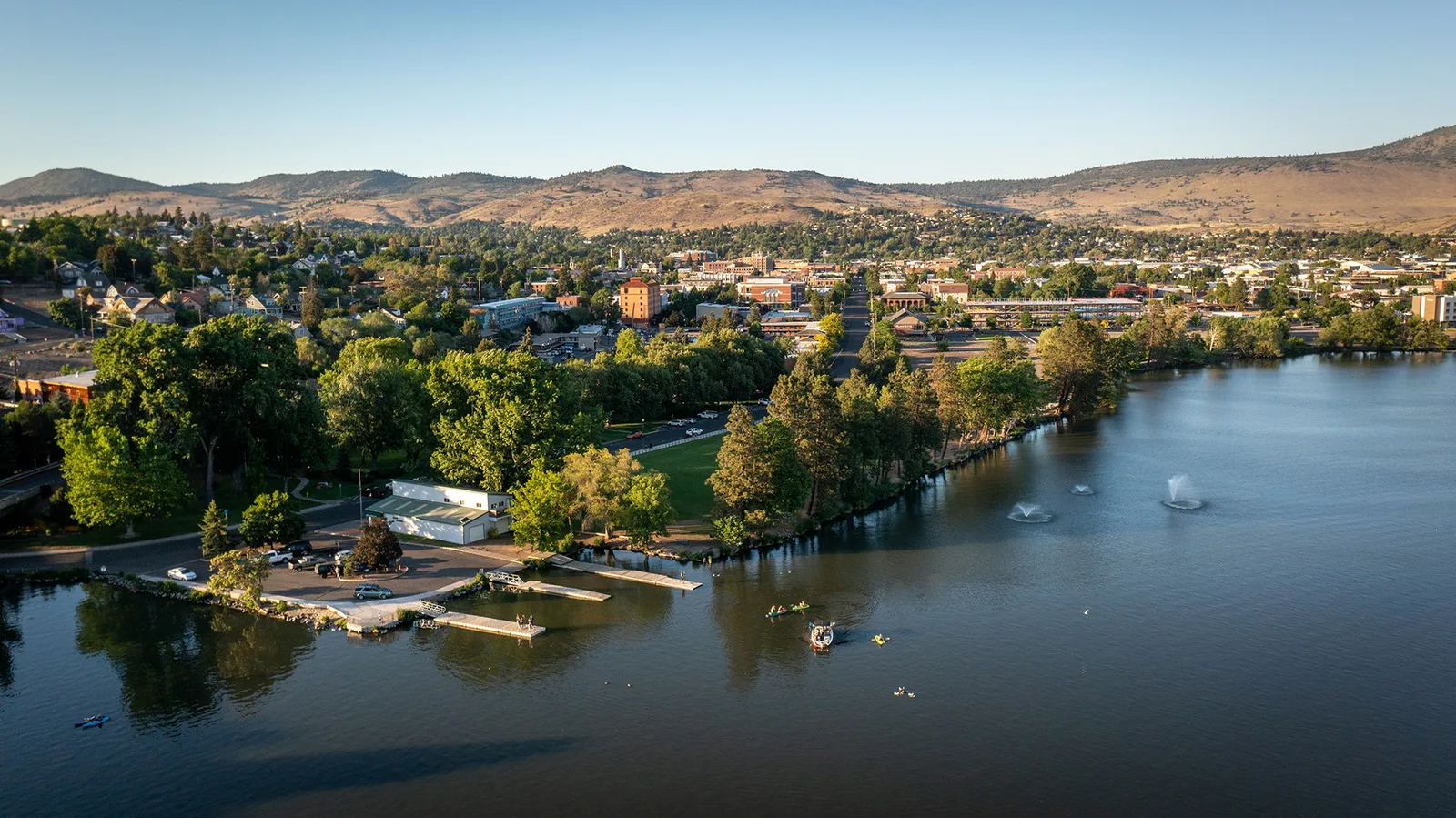
What would you do if you walked into your Klamath Falls home and found three inches of standing water in the basement, or the sharp smell of smoke clinging to every wall? Property damage rarely announces itself in advance, and the hours immediately following an incident shape how much of your building and belongings can be saved.
Restoration work in the Klamath Basin covers a wide span of emergencies, and each one demands a different technical approach:
- Water damage restoration - extraction, structural drying, moisture mapping, and controlled dehumidification after pipe failures, appliance leaks, or roof intrusion
- Flooded basement recovery - pumping standing water, drying foundation walls and slab edges, and salvaging stored contents
- Sewage cleanup - containment, removal of contaminated porous materials, and antimicrobial treatment of affected surfaces
- Fire damage restoration - stabilization, soot and char removal, debris hauling, and rebuilding of damaged framing and finishes
- Smoke damage restoration - odor neutralization, HVAC cleaning, and treatment of surfaces that absorbed smoke residue far from the burn area
- Mold removal - source identification, containment barriers, spore removal, and drying to prevent regrowth
The benefit for local property owners is straightforward: faster stabilization means fewer materials torn out, lower secondary damage, and a smoother insurance claim - whether the property is a downtown storefront or a ranch home out toward Henley.
Common Damage Restoration Issues in Klamath Falls, Oregon
Klamath Falls sits at roughly 4,100 feet in a high desert basin, and that elevation combined with hard winters creates a distinct damage profile compared with the Willamette Valley.
Local Causes We See Repeatedly
- Frozen and burst supply lines - unheated crawlspaces, garages, and exterior walls take the brunt of single-digit January nights
- Ice damming and roof leaks - snow melt refreezes at eaves, backing water under shingles and into ceilings
- Snowmelt and spring runoff - saturated ground around foundations pushes water through cracks into basements and daylight basements
- Sewer line failures - older clay and cast iron laterals crack under root pressure and freeze-thaw movement, causing backups into floor drains
- Wildfire smoke intrusion - regional fire seasons drive fine particulate into homes through HVAC systems and gaps in older envelopes
- Wood stove and chimney fires - common in a region where supplemental heat is a necessity
- Hidden mold - humidified indoor air during long heating seasons condenses on cold exterior wall cavities and window frames
Warning Signs Worth Acting On
- Staining or bubbling paint along ceiling seams after a heavy snow load
- A musty odor in a basement or crawlspace that intensifies in spring
- Gurgling floor drains or slow toilets that signal a lateral line problem
- Persistent smoke odor that returns when the furnace cycles on
- Warped baseboards, cupped flooring, or soft drywall at the base of walls
Neighborhoods We Serve in Klamath Falls
Response coverage extends across the city and out into the surrounding basin communities, with crews familiar with the housing stock and access conditions in each area.
- Downtown and Old Town - historic commercial buildings and early-century homes with original plaster and knob-and-tube era construction
- Hot Springs District - hillside properties with geothermal heating systems and challenging drainage
- Mills Addition and Pelican City - dense residential blocks of mid-century homes
- Sunset Village, Falcon Heights, and Highland - postwar and later subdivisions
- Stewart-Lennox and Shasta Way corridor - mixed residential and light commercial
- Henley, Midland, and Olene - rural properties on wells and septic systems
- Altamont, Keno, Chiloquin, Bonanza, Merrill, and Malin - outlying basin communities
- Running Y Ranch and Lake of the Woods - resort and seasonal-use properties
Seasonal Damage Patterns in Klamath Falls
Seasonal Damage Patterns in Klamath Falls
Damage calls in the basin follow a predictable rhythm tied to temperature swings and the water year.
- December through February - peak season for frozen pipe breaks, ice dam ceiling leaks, and heating-related fire damage from wood stoves, space heaters, and chimney flues. Smoke damage restoration calls cluster here as well.
- March through May - snowmelt and rain-on-snow events saturate soils, driving flooded basement calls, crawlspace standing water, and sewer backups when saturated ground infiltrates aging lateral lines.
- May through July - mold removal requests climb as spring moisture trapped in wall cavities and under flooring begins to colonize once temperatures rise.
- July through September - wildfire season brings smoke intrusion, ash contamination, and occasional structure fire response across Klamath County.
- October and November - the first hard freezes catch unwinterized irrigation lines, hose bibs, and vacant properties, producing an early wave of water damage restoration work.
Scheduling preventive checks ahead of each shift - insulating exposed lines in October, clearing gutters before snow, and scoping sewer laterals before spring - reduces the odds of an emergency call.
Housing Characteristics & Restoration Considerations
A large share of Klamath Falls housing predates 1980, and construction era directly determines how a restoration project unfolds.
Common Construction Types
- Pre-1940 homes - lath and plaster walls, shiplap subfloors, and unlined chimneys. Plaster holds water far longer than drywall and often requires specialized drying rather than removal.
- Postwar and mid-century houses - vented crawlspaces, minimal wall insulation, and original cast iron or clay drain lines prone to sewage backups.
- 1970s-1990s subdivisions - slab-on-grade and daylight basement layouts where water migrates sideways under carpet pad and vinyl.
- Newer and resort-area builds - tighter envelopes that trap smoke odor and moisture, requiring thorough HVAC cleaning and mechanical dehumidification.
- Manufactured and modular homes - belly wrap and insulation below the floor hold water invisibly and are a frequent source of hidden mold.
How Age Shapes the Work
- Older properties may contain asbestos-bearing flooring, mastic, or texture, so testing precedes any demolition for water or fire damage.
- Lead-safe practices apply to pre-1978 painted surfaces during fire and smoke restoration.
- Geothermal and hydronic heating found in parts of the city introduces additional leak points that require careful moisture tracing.
- Unfinished basements and crawlspaces need targeted airflow and containment rather than the whole-house drying approach used in finished spaces.
Environmental Conditions & Damage Implications
The basin's climate and geology influence every stage of drying, cleaning, and rebuilding.
- Low ambient humidity - dry high desert air speeds evaporation, which helps structural drying but also drives fine soot and ash deeper into fabrics and porous surfaces after a fire.
- Extreme diurnal temperature swings - warm days and freezing nights cause condensation inside wall cavities and attics, feeding mold growth in spots that appear dry at the surface.
- Heavy clay and lakebed soils - poor percolation around foundations holds snowmelt against basement walls and slows septic drainfield recovery, contributing to sewage backups on rural properties.
- High water table near the lake and canals - hydrostatic pressure pushes moisture through foundation cracks in low-lying neighborhoods, making sump systems and vapor barriers part of many basement restorations.
- Mineral-rich and geothermal water - scale buildup accelerates corrosion in supply lines and water heaters, a frequent origin of sudden interior flooding.
- Seasonal wildfire smoke and winter inversions - both load indoor air with particulate, so HVAC duct cleaning and filtration are routine parts of smoke damage restoration here.
Accounting for these conditions means drying plans are built around actual moisture readings and material behavior rather than generic timelines, which protects framing, subfloor, and finishes from being replaced unnecessarily.
Winter Freeze Response and Emergency Preparedness in the Klamath Basin
Few regions in Oregon see the sustained subfreezing stretches that Klamath Falls does, and burst-pipe season is the single largest driver of local water damage claims. A half-inch supply line can release hundreds of gallons before anyone notices - especially in a vacation cabin near Lake of the Woods or a rental left vacant between tenants.
Steps to Take Before the Freeze
- Insulate pipes running through crawlspaces, garages, exterior walls, and unheated utility rooms.
- Disconnect hoses and install insulated covers on outdoor hose bibs before the first hard freeze.
- Locate and label the main water shutoff so anyone in the household can close it quickly.
- Keep interior temperatures steady in vacant or seasonally used properties rather than shutting heat off entirely.
- Have the chimney and wood stove inspected before heating season to reduce fire and smoke risk.
- Clear gutters and downspouts so meltwater drains away from the foundation instead of pooling at basement walls.
What to Do the Moment You Find Water
- Shut off the water main and, if safe, cut power to the affected area
- Photograph the damage before moving anything for your insurance file
- Lift furniture and stored boxes off wet flooring to limit wicking and staining
- Avoid entering standing water that may be contaminated by sewage or in contact with wiring
- Call for professional extraction rather than waiting to see whether it dries on its own
Local crews understand the realities of basin response - icy county roads out to Bonanza and Merrill, well and septic systems on rural parcels, and the geothermal infrastructure under parts of the city. That familiarity shortens the time between the first call and the moment drying equipment is running, which is what ultimately determines how much of your property is saved and how quickly life returns to normal.





