Damage Restoration in Columbia County, OR
- Damage Restoration Services Overview
- Common Damage Restoration Issues in Columbia County, Oregon
- Neighborhoods We Serve in Columbia County
- Seasonal Damage Patterns in Columbia County
- Housing Characteristics & Restoration Considerations
- Environmental Conditions & Damage Implications
- Storm and Atmospheric River Response Across Columbia County
Damage Restoration Services Overview

Columbia County sits where the Columbia River meets the timbered ridges of the Coast Range, and that geography shapes almost every restoration call in the area. Atmospheric rivers push rain through the Nehalem and Scappoose drainages, older housing stock hides aging plumbing, and rural properties depend on septic systems and private wells that struggle during saturated months.
ServiceMaster by JTS responds to the full spectrum of property damage across St. Helens, Scappoose, Rainier, Vernonia, Clatskanie and the surrounding countryside.
- Water Damage Restoration - extraction, structural drying and moisture mapping after pipe failures, appliance leaks and storm intrusion
- Flooded Basement - pump-out, content handling and drying for daylight basements and hillside foundations
- Sewage Cleanup - safe removal of contaminated water from septic backups, failed drain lines and municipal surcharges
- Fire Damage Restoration - board-up, debris removal, structural cleaning and coordination through rebuild
- Smoke Damage Restoration - soot removal, odor neutralization and HVAC decontamination after fires and wildfire smoke events
- Mold Removal - containment, affected material removal and moisture-source correction
Benefits for local property owners include rapid response across rural road networks, documentation that supports insurance claims, and one team handling mitigation through reconstruction so homeowners are not juggling multiple contractors.
Common Damage Restoration Issues in Columbia County, Oregon
Recent atmospheric river events showed how quickly conditions change here - washouts on Holbrook Road at Beaver Homes Road, flooding along Heath Road between Highway 30 and Wonderly Road, and a separated culvert at Apiary Road and Meissner Road that undermined a travel lane. When roads and culverts fail, water reroutes onto private property.
Frequent Causes of Damage
- Saturated hillsides sending sheet flow and mud toward foundations and crawlspaces
- Clogged or undersized culverts and roadside ditches backing water into yards and basements
- Septic drainfields overwhelmed by groundwater, pushing sewage back into fixtures
- Frozen or aging supply lines splitting during cold snaps
- Wood stoves, chimneys and space heaters igniting structure fires in rural homes
- Wildfire smoke drifting into the county during late summer, leaving odor in attics and ductwork
- Persistent humidity feeding mold behind drywall, under vinyl flooring and in vented crawlspaces
Warning Signs to Act On
- Musty odor that intensifies after rain or when the furnace runs
- Cupping hardwood, bubbling paint or dark staining along baseboards
- Slow drains, gurgling toilets or standing water above a drainfield
- Condensation on crawlspace joists or sagging insulation batts
- Soot film on window glass, light fixtures or vent registers
- Efflorescence or white powdery deposits on concrete foundation walls
Early action limits secondary damage - unaddressed moisture routinely turns a contained water loss into a mold remediation project within days.
Neighborhoods We Serve in Columbia County
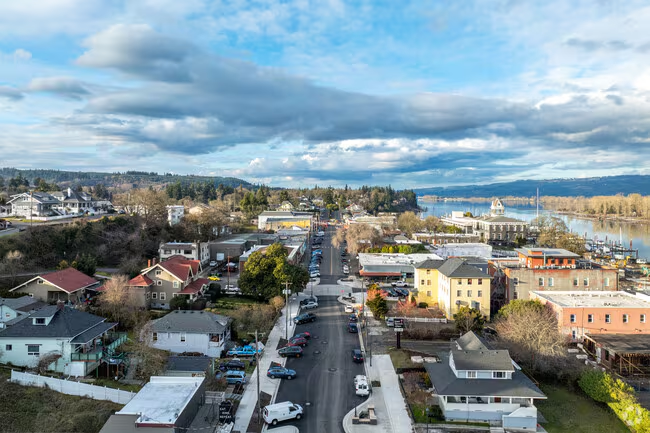
Service extends from riverfront communities to timbered inland valleys, including properties reached only by county roads.
- St. Helens - historic downtown, Houlton, riverfront homes and newer subdivisions off Columbia Boulevard
- Scappoose - JP West, Chapman, Dutch Canyon and properties along the Scappoose Bay lowlands
- Rainier - hillside homes, Fern Hill and neighborhoods near the Lewis and Clark Bridge
- Clatskanie - town center, Beaver Valley and farmland along the Clatskanie River
- Vernonia - Nehalem River corridor properties with documented flood history
- Warren, Deer Island, Goble, Prescott, Quincy and Mist - rural acreage and septic-served homes
- Columbia City - older riverside residences and small commercial buildings
Crews plan around detours near Highway 30, Alston-Mayger Road and Wonderly Road so response is not delayed when county roads close.
Seasonal Damage Patterns in Columbia County
Late Fall Through Winter (November - February)
- Atmospheric rivers deliver sustained rainfall, driving flooded basements and crawlspace intrusion
- Saturated ground stresses septic systems, increasing sewage backup calls
- Cold snaps split exposed pipes in unheated garages, well houses and crawlspaces
- Heating equipment and wood stove use raises fire and smoke damage frequency
Spring (March - May)
- Snowmelt and continued rain keep groundwater tables high
- Mold growth accelerates as temperatures rise inside damp structures
- Hidden winter leaks surface as staining and odor
Summer (June - August)
- Wildfire smoke intrusion affects indoor air and HVAC systems
- Air conditioning condensate lines and supply lines to refrigerators fail
- Dry vegetation raises structure fire risk on rural parcels
Early Fall (September - October)
- First heavy rains expose failed roofing, gutters and clogged culverts
- Deferred summer maintenance shows up as water intrusion
- Ideal window for crawlspace inspection and mold prevention
Housing Characteristics & Restoration Considerations
Housing across Columbia County ranges from late-1800s and early-1900s homes in St. Helens, Columbia City and Clatskanie to post-war ranch construction, 1970s-1990s subdivisions in Scappoose, and manufactured homes on rural acreage. Each type responds differently to water, fire and mold events.
Construction Features That Shape the Work
- Vented crawlspaces - common countywide, they trap ground moisture and require vapor barrier replacement and targeted drying rather than surface cleanup
- Daylight and partial basements - hillside lots often place living space below grade, where hydrostatic pressure drives water through foundation joints
- Balloon framing in older homes - open wall cavities let smoke, odor and water travel between floors, so containment and inspection must extend beyond the visible loss area
- Plaster and lath - holds moisture longer than drywall and needs slower, monitored drying
- Wood siding and shingle roofs - vulnerable to wind-driven rain and moss retention
- Manufactured housing - underbelly insulation holds water against the floor system, and sewage losses require full removal of saturated insulation
- Galvanized and early plastic supply lines - a leading source of sudden interior water losses in mid-century homes
- Septic systems and private wells - contaminated water events call for source assessment and additional sanitizing steps
Older properties may also contain asbestos-bearing flooring, textured ceilings or vermiculite insulation. Testing before demolition protects occupants and keeps a fire or water project moving without unexpected stoppages.
Environmental Conditions & Damage Implications
The county's marine-influenced climate produces mild, wet winters and dry summers, with annual rainfall well above the national average and inland hills receiving considerably more than riverfront towns. Sustained humidity is the single biggest driver of mold problems in local homes.
Local Conditions and What They Mean
- High winter humidity - drying requires dehumidification equipment sized correctly rather than fans alone, since outside air offers no drying benefit for months
- Clay and silt loam soils - drain slowly, hold water against foundations and contribute to hydrostatic pressure in basements
- Steep terrain and forested slopes - landslide and debris flow potential after prolonged rain, sending mud and groundwater into structures
- Shallow water tables near the Columbia, Nehalem and Scappoose drainages - crawlspaces can pond even without a plumbing failure
- Iron and mineral content in well water - leaves staining that must be distinguished from active leaks during inspection
- Summer wildfire smoke - fine particulate settles in attics, insulation and duct systems, producing odor that returns when heating begins
- Abundant organic material - moss, leaf litter and cedar debris block gutters and culverts, redirecting roof water toward foundations
These factors influence how equipment is placed, how long monitoring continues, and whether repairs need drainage improvements, vapor barriers or crawlspace encapsulation to prevent a repeat loss.
Storm and Atmospheric River Response Across Columbia County
When an atmospheric river parks over northwest Oregon, damage arrives fast and in multiple forms at once. Roads wash out, culverts separate, ditches overflow, and homes take on water from directions that were never a problem before. The same storm can flood a basement in Scappoose, back up a septic system in Mist and knock out power that leaves a Rainier home without a sump pump.
How a Storm Response Project Unfolds
- Emergency contact and dispatch - crews route around known closures such as Holbrook Road at Beaver Homes Road or Heath Road near Highway 30
- Safety assessment - electrical hazards, structural stability and contamination category are evaluated before work begins
- Water extraction and stabilization - submersible pumps and truck-mounted extraction remove standing water from basements and crawlspaces
- Contamination control - sewage-affected materials are removed, and surfaces are cleaned and sanitized under containment
- Structural drying - air movers, dehumidifiers and moisture meters track progress in wall cavities, subfloors and framing
- Mold prevention or remediation - if growth has established, containment and material removal follow accepted remediation standards
- Reconstruction - drywall, flooring, cabinetry and finish work return the property to pre-loss condition
What Start-to-Finish Service Includes
- Documentation with photos, moisture readings and drying logs for the insurance claim
- Direct communication with adjusters so homeowners are not translating technical reports
- Content pack-out, cleaning and storage for salvageable belongings
- Odor control for smoke, sewage and long-standing moisture
- Drainage and moisture-source recommendations to reduce the chance of a repeat event
If you need water, fire or mold damage restoration in Columbia County, ServiceMaster by JTS can help - one call starts mitigation and carries through final repairs.