
Damage Restoration in Scappoose, OR
- Damage Restoration Services Overview
- Common Damage Restoration Issues in Scappoose, Oregon
- Neighborhoods We Serve in Scappoose
- Seasonal Damage Patterns in Scappoose
- Housing Characteristics & Restoration Considerations
- Environmental Conditions & Damage Implications
- Flood-Contaminated Water: Why Scappoose Losses Get Categorized First
Damage Restoration Services Overview
Every hour that passes after water, sewage, or fire enters a Scappoose home makes the repair list longer. Wet drywall wicks moisture upward, subfloors swell, framing lumber stays saturated long enough for microbial colonies to establish, and soot turns acidic as it settles into metal, grout, and painted surfaces. What could have been a targeted drying project turns into demolition and rebuild.
Restoration work in Columbia County covers a connected set of services, and most losses require more than one:
- Water Damage Restoration - extraction, structural drying, and moisture mapping after supply line breaks, appliance failures, and roof leaks
- Flooded Basement - pump-out, contents handling, and drying of below-grade spaces where groundwater and river backflow collect
- Sewage Cleanup - removal of contaminated materials, antimicrobial treatment, and disinfection after septic or municipal line backups
- Fire Damage Restoration - debris removal, structural stabilization, and rebuild of damaged assemblies
- Smoke Damage Restoration - soot removal from surfaces, contents cleaning, and odor neutralization deep in porous materials
- Mold Removal - containment, affected material removal, and correction of the moisture source that fed the growth
The benefit for Scappoose property owners is simple: faster response, less material loss, cleaner indoor air, and documentation your insurance carrier can act on.
Common Damage Restoration Issues in Scappoose, Oregon
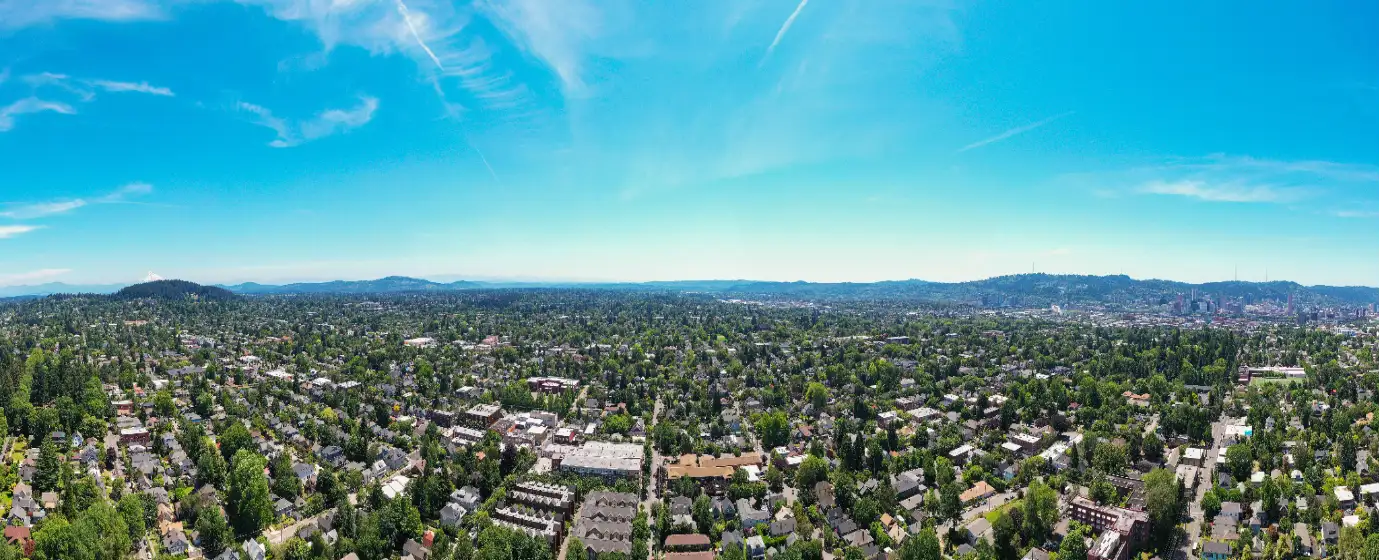
Scappoose sits on a gravelly plain beside the Columbia River channels and Scappoose Bay - beautiful, and hydrologically active. The February 2019 flooding damaged homes and properties across the area, and that event shaped how experienced crews approach local losses.
What Drives Damage Here
- High winter groundwater tables pushing water through basement slabs, cold joints, and foundation cracks
- Creek and slough overtopping during sustained atmospheric river rainfall
- Septic systems in rural parcels along Dutch Canyon and Scappoose-Vernonia Highway that surcharge in saturated soil
- Failed sump pumps during multi-day power outages from windstorms
- Freeze-thaw cycles in December through February splitting hose bibs and unheated crawlspace plumbing
- Wood stoves, chimneys, and space heaters used heavily in older rural homes
- Regional wildfire smoke intrusion during late summer
Warning Signs Worth Acting On
- Musty odor in a crawlspace or lower level that intensifies after rain
- Efflorescence, staining, or bubbling paint on basement walls
- Slow floor drains or gurgling fixtures - often the first hint of a sewer or septic backup
- Cupping hardwood, soft baseboards, or tack strips lifting from concrete
- Dark speckling on joists, insulation facing, or the underside of subfloor
- Persistent smoke odor that returns on warm, humid days after a small fire
Flood water carries contaminants, so materials exposed to it require different handling than clean water losses - a distinction that determines whether drying is enough or removal is required.
Neighborhoods We Serve in Scappoose
Crews respond throughout Scappoose and the surrounding Columbia County corridor, typically arriving within about 90 minutes of a call.
- Downtown Scappoose and the Old Portland Road corridor
- Neighborhoods off West Lane Road and Havlik Drive
- JP West Road and Dutch Canyon rural properties
- Homes near Scappoose Bay Marine Park and the bay waterfront
- Subdivisions along SE 3rd Street and Crown Zellerbach Trail access points
- Chapman, Holbrook, and the Highway 30 stretch toward Sauvie Island
- Warren, St. Helens, Deer Island, and Columbia City
Rural addresses bring their own variables - private wells, septic drainfields, long gravel driveways, and detached shops. Crews arrive equipped for limited access and for properties without municipal sewer connections, so sewage cleanup and basement pump-out proceed without waiting on additional equipment.
Seasonal Damage Patterns in Scappoose
Loss types cluster predictably through the year in the lower Columbia region.
- November through February: peak season for flooded basements, crawlspace saturation, and sewage backups. Sustained rain raises the water table, sump pumps run continuously, and cold snaps burst pipes.
- March through April: snowmelt upstream and lingering saturation keep groundwater intrusion active. Mold discovered from winter moisture surfaces as homes warm.
- May through June: mold removal calls rise sharply as temperatures climb and trapped winter moisture feeds growth in walls, crawlspaces, and behind cabinetry.
- July through September: fire and smoke damage peak with dry vegetation, outdoor burning, and regional wildfire smoke infiltrating HVAC systems and soft goods.
- October: the first heavy storms expose clogged gutters, failed roof flashing, and neglected sump equipment - producing water damage and early flooded basement calls.
Emergency response operates around the clock every month, because pipe breaks and appliance failures ignore the calendar.
Housing Characteristics & Restoration Considerations
Scappoose's roughly 8,000 residents live in a mix of housing that spans a century of construction practice, and the building era changes the restoration plan.
Older Homes and Farmhouses
- Wood-frame construction with lath and plaster, shiplap sheathing, and limited vapor barriers
- Vented crawlspaces with exposed soil that hold humidity and feed mold growth on floor joists
- Knob-and-tube or aged wiring that raises fire risk and requires careful isolation before drying equipment is deployed
- Potential for asbestos-containing flooring, mastic, and insulation - testing precedes demolition
- Galvanized or aging copper supply lines prone to pinhole leaks inside wall cavities
Mid-Century and Newer Construction
- Finished basements and daylight basements with carpet, padding, and framed walls that trap water against concrete
- Engineered flooring and MDF trim that swell irreversibly and typically need replacement rather than drying
- Tighter building envelopes that hold smoke odor and moisture longer without mechanical intervention
- Multi-level layouts where an upstairs supply leak damages three floors before anyone notices
How That Shapes the Work
- Moisture meters and thermal imaging locate water behind plaster and under floating floors before demolition begins
- Crawlspace drying often requires vapor barrier replacement, not just dehumidification
- Contents in manufactured homes and outbuildings frequently need off-site cleaning and deodorization
Environmental Conditions & Damage Implications
Local climate and ground conditions explain why restoration in Scappoose takes longer than the same loss in a drier region.
Climate
- Roughly 45 or more inches of annual rainfall, concentrated November through March
- Mild winters with high ambient humidity - outdoor air alone will not dry a structure
- Warm, dry summers that draw smoke from regional wildfires into homes through HVAC intakes
Soil and Water
- The gravelly alluvial plain that gave Scappoose its name drains quickly but also transmits groundwater laterally toward foundations
- Shallow water tables near Scappoose Bay and the Columbia channels push hydrostatic pressure against basement walls
- Silty river deposits leave fine sediment behind after flooding, embedding contaminants in carpet, insulation, and porous flooring
- Rural septic systems in saturated ground contribute to Category 3 sewage losses
Practical Implications
- Sealed drying chambers with commercial dehumidification are standard, not optional, during wet months
- Flood-exposed porous materials are removed rather than dried, since contamination cannot be reliably extracted
- Air quality management - HEPA filtration and negative air - protects occupants during mold and smoke work
- Moisture readings are documented daily until materials reach dry standard, then verified before rebuild
Flood-Contaminated Water: Why Scappoose Losses Get Categorized First
The single most consequential decision after water enters a Scappoose property is how the water is classified. Get it wrong and homeowners either lose materials that could have been saved or keep materials that will make them sick.
The Three Categories
- Category 1 - clean water: supply lines, water heaters, and rain intrusion. Most structural materials can be dried in place if addressed quickly.
- Category 2 - gray water: dishwasher and washing machine discharge, toilet overflow without solids. Contains contaminants and degrades to Category 3 with time and warmth.
- Category 3 - black water: sewage backups, septic surcharge, and river or creek flooding. Carries bacteria, chemicals, and organic debris.
The February 2019 flooding demonstrated the point across Columbia County. Water from overtopped channels and saturated ground is Category 3 by definition - it has traveled across roads, fields, drainfields, and storage areas. Insulation, carpet, pad, particleboard, and drywall that contacted it are removed to a defined height, not fan-dried and reused.
The Standards Behind the Work
- Document conditions with photos, moisture maps, and category determination before any material is disturbed
- Establish containment and negative pressure so contamination does not spread to unaffected rooms
- Extract standing water and remove unsalvageable porous materials
- Clean and apply appropriate antimicrobial treatment to remaining structural surfaces
- Dry to measurable standard using calibrated meters and daily monitoring logs
- Verify dryness and air quality before reconstruction begins
Technicians follow IICRC water damage restoration and mold remediation protocols, which gives insurance adjusters a documented, defensible file - and gives families a home that is genuinely clean, not just dry.





