
Damage Restoration in Sheridan, OR
- Damage Restoration Services Overview
- Common Damage Restoration Issues in Sheridan, Oregon
- Neighborhoods We Serve in Sheridan
- Seasonal Damage Patterns in Sheridan
- Housing Characteristics & Restoration Considerations
- Environmental Conditions & Damage Implications
- Start-to-Finish Recovery for Sheridan Homes and Businesses
Damage Restoration Services Overview
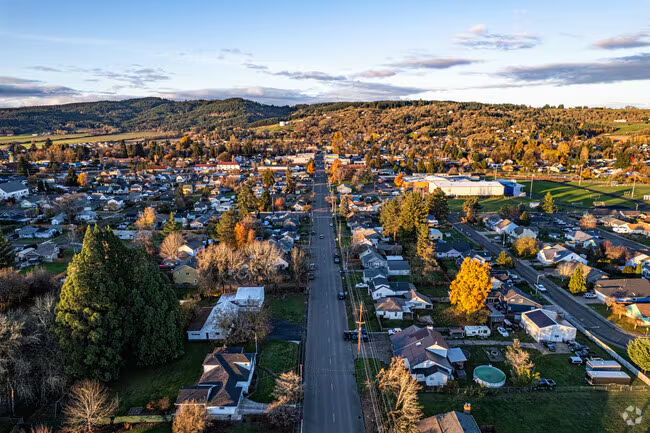
When water pours through a basement wall or smoke settles into every room of a Sheridan home, the first relief comes from knowing trained restoration crews are already on the way. Professional restoration turns a chaotic situation into a documented, step-by-step recovery plan.
Sheridan property owners have access to a full range of emergency and remediation services, each addressing a different type of loss:
- Water Damage Restoration - extraction, structural drying, and moisture mapping after burst pipes, appliance failures, and roof leaks.
- Flooded Basement - pump-out, contents removal, and drying of below-grade spaces along the South Yamhill River floodplain.
- Sewage Cleanup - safe removal of Category 3 contamination from backed-up drains, septic failures, and overwhelmed lines.
- Fire Damage Restoration - debris removal, structural cleaning, and rebuild of fire-affected areas.
- Smoke Damage Restoration - odor neutralization, soot removal, and HVAC decontamination after house fires or regional wildfire smoke.
- Mold Removal - containment, remediation, and moisture-source correction in crawlspaces, bathrooms, and wall cavities.
Key benefits for Sheridan residents include rapid emergency response from regional teams, direct insurance documentation, licensed contractors who handle both mitigation and repairs, and technicians certified in mold remediation - not temporary labor. That combination shortens the timeline between the loss and a home that feels normal again.
Common Damage Restoration Issues in Sheridan, Oregon
Sheridan sits in western Yamhill County where the South Yamhill River, heavy Willamette Valley rainfall, and a mix of older housing stock create predictable restoration patterns.
Frequent Causes of Damage
- River and stormwater flooding - saturated ground pushes water into basements and daylight crawlspaces during winter storm cycles.
- Aging plumbing - galvanized and early polybutylene supply lines in mid-century homes fail without warning.
- Septic and sewer backups - rural properties on septic systems experience hydraulic overload when drain fields stay waterlogged for weeks.
- Wood stove and chimney fires - common in outlying properties heated with wood during long, damp winters.
- Kitchen and electrical fires - older panels and knob-and-tube remnants in historic downtown homes increase risk.
- Chronic condensation - poorly ventilated crawlspaces and single-pane windows feed persistent mold colonies.
Warning Signs Worth Acting On
- Musty odors that intensify after rain or when the furnace runs.
- Cupping hardwood, bubbling vinyl, or soft spots near exterior walls.
- Standing water or silt lines in a basement or crawlspace after a storm.
- Slow drains throughout the house at the same time - often the first sign of a main line or septic issue.
- Yellow-brown staining on ceilings and around chimney chases.
- Lingering smoke odor that returns when humidity rises, indicating soot residue still in porous materials.
Residents near industrial parcels have also raised concerns about chemical odors and soil contamination, which makes documented testing and proper disposal part of responsible cleanup work.
Neighborhoods We Serve in Sheridan
Restoration crews respond across the full Sheridan area and the surrounding Yamhill County countryside.
- Downtown Sheridan - historic commercial buildings and older residences along Bridge Street and Main Street.
- West Sheridan - established residential blocks with mature trees and mid-century homes.
- South Yamhill River corridor - low-lying parcels most exposed to seasonal high water.
- Rock Creek and rural route properties - acreage homes on wells and septic systems.
- Willamina - neighboring city with similar housing stock and flood exposure.
- Grand Ronde, Ballston, Bellevue, and Amity - outlying communities within the service radius.
- McMinnville and Dallas - larger nearby hubs served by the same regional teams.
Coverage extends throughout the Willamette Valley, connecting Sheridan to resources based in the Portland metro, Eugene, and Central Oregon so equipment and crews can be scaled up for large losses.
Seasonal Damage Patterns in Sheridan
Each part of the year brings a different mix of restoration calls in western Yamhill County.
- November - February: Peak season for flooded basements, crawlspace saturation, and river-driven water intrusion. Sewage backups spike when septic drain fields cannot absorb more moisture. Chimney and wood stove fires increase with heavy heating use.
- March - April: Snowmelt from the Coast Range plus spring rain keeps groundwater high. Mold growth accelerates in spaces that stayed wet all winter.
- May - June: Warming temperatures reveal hidden mold from winter leaks. Homeowners open crawlspaces and discover damage that developed months earlier.
- July - September: Dry season shifts risk toward fire and smoke. Grass and field fires, equipment sparks, and regional wildfire smoke drive smoke damage restoration requests. Air conditioning condensate line failures cause hidden water damage.
- October: First sustained rains expose failed roofs, clogged gutters, and foundation drainage problems. Furnaces restarting after months idle can release soot and puff-back residue.
Planning ahead - gutter cleaning before October, sump pump testing in autumn, and chimney inspection before the first cold snap - prevents many of these losses.
Housing Characteristics & Restoration Considerations
Sheridan's housing mix spans century-old farmhouses, post-war bungalows, 1970s ranch homes, manufactured housing on rural lots, and newer subdivision construction. Each responds differently to water, fire, and mold.
Common Construction Types and What They Mean
- Pre-1940 homes: Balloon framing allows water and smoke to travel vertically inside wall cavities. Plaster and lath holds moisture far longer than drywall, requiring extended drying and careful cavity inspection.
- Vented crawlspaces: Standard across much of Sheridan. Exposed soil, sagging vapor barriers, and fiberglass insulation create ideal mold conditions after any water event.
- Partial and full basements: Often unfinished with block or poured walls. Hydrostatic pressure during winter pushes water through cold joints and floor cracks.
- Mid-century homes: May contain asbestos-bearing floor tile, mastic, and popcorn ceilings that require testing before demolition following fire or water loss.
- Manufactured homes: Low clearance, belly wrap that traps water, and limited air circulation make drying and sewage cleanup more involved.
- Newer builds: Tight envelopes dry slowly without mechanical dehumidification and can trap smoke odor in insulation.
Restoration Implications
- Moisture mapping with thermal imaging before any material is removed.
- Hazardous material testing on older assemblies prior to demolition.
- Containment barriers to keep mold spores and soot from spreading through open framing.
- Licensed contractor rebuild so drywall, flooring, cabinetry, and trim are restored by the same team that performed mitigation.
Environmental Conditions & Damage Implications
Sheridan's marine-influenced climate defines nearly every restoration decision made here.
Climate and Moisture
- Roughly 45 to 55 inches of annual rainfall, concentrated from October through April.
- Extended periods of high outdoor humidity that limit the usefulness of open-window drying.
- Mild winters that keep soil temperatures in the range where mold stays active year-round.
- Dry, warm summers that create sharp wildfire smoke episodes.
Soil and Groundwater
- Heavy silt and clay valley soils drain slowly and hold water against foundations.
- High seasonal water tables near the South Yamhill River raise hydrostatic pressure on basement walls.
- Slow-percolating soils shorten septic drain field capacity, contributing to sewage backups in wet months.
Air and Water Quality
- Wildfire smoke from Coast Range and Cascade fires deposits fine particulate in attics, HVAC systems, and soft goods.
- Industrial activity in the area, including documented environmental enforcement actions against a local wood-treatment operation, has heightened resident awareness of chemical exposure and proper handling of contaminated materials.
- Many rural properties rely on private wells, so flood and sewage events require careful assessment of potential well contamination.
These conditions mean drying equipment must be sized for humid ambient air, mold containment is standard rather than optional, and smoke remediation includes duct and insulation evaluation rather than surface cleaning alone.
Start-to-Finish Recovery for Sheridan Homes and Businesses
A restoration project in Sheridan rarely involves just one service. A flooded basement becomes a mold removal job. A house fire leaves both smoke residue and water damage from suppression efforts. A septic backup demands sewage cleanup followed by structural drying. Handling all of it under one roof keeps the timeline tight and the accountability clear.
How a Full Restoration Project Progresses
- Emergency response - crews arrive to stop the source, extract standing water, and stabilize the structure with board-up or tarping when fire or storm damage is involved.
- Assessment and documentation - moisture readings, thermal imaging, photographs, and material inventories are recorded for the insurance claim.
- Containment - negative air machines and barriers isolate affected zones so soot, spores, and sewage contaminants stay contained.
- Removal and cleaning - unsalvageable materials are disposed of properly, and remaining surfaces are cleaned, disinfected, and deodorized.
- Structural drying - dehumidifiers and air movers run on daily monitored readings until materials reach documented dry standards.
- Remediation verification - post-remediation testing confirms mold and contamination have been addressed.
- Reconstruction - licensed contractors handle drywall, paint, flooring, trim, and cabinetry so the property is returned to pre-loss condition.
What Sets Qualified Sheridan Crews Apart
- Technicians certified in both water restoration and mold remediation, so drying decisions actively prevent secondary mold problems.
- Licensed Oregon contractors capable of performing the repairs, not just the mitigation.
- Full-time employees rather than temporary labor on every job site.
- Direct communication with adjusters, backed by thorough photo and moisture documentation.
- Regional resources from Portland, Eugene, and Central Oregon offices that allow additional equipment and crews to be deployed for large or multi-property losses.
Rural properties, historic downtown buildings, and newer subdivisions all get the same approach - identify every affected material, dry or remove it correctly, and rebuild it properly.





