
Damage Restoration in Warrenton, OR
- Damage Restoration Services Overview
- Common Damage Restoration Issues in Warrenton, Oregon
- Neighborhoods We Serve in Warrenton
- Seasonal Damage Patterns in Warrenton
- Seasonal Damage Patterns in Warrenton
- Housing Characteristics & Restoration Considerations
- Environmental Conditions & Damage Implications
- Modern Drying and Remediation Technology for Coastal Warrenton Properties
Damage Restoration Services Overview
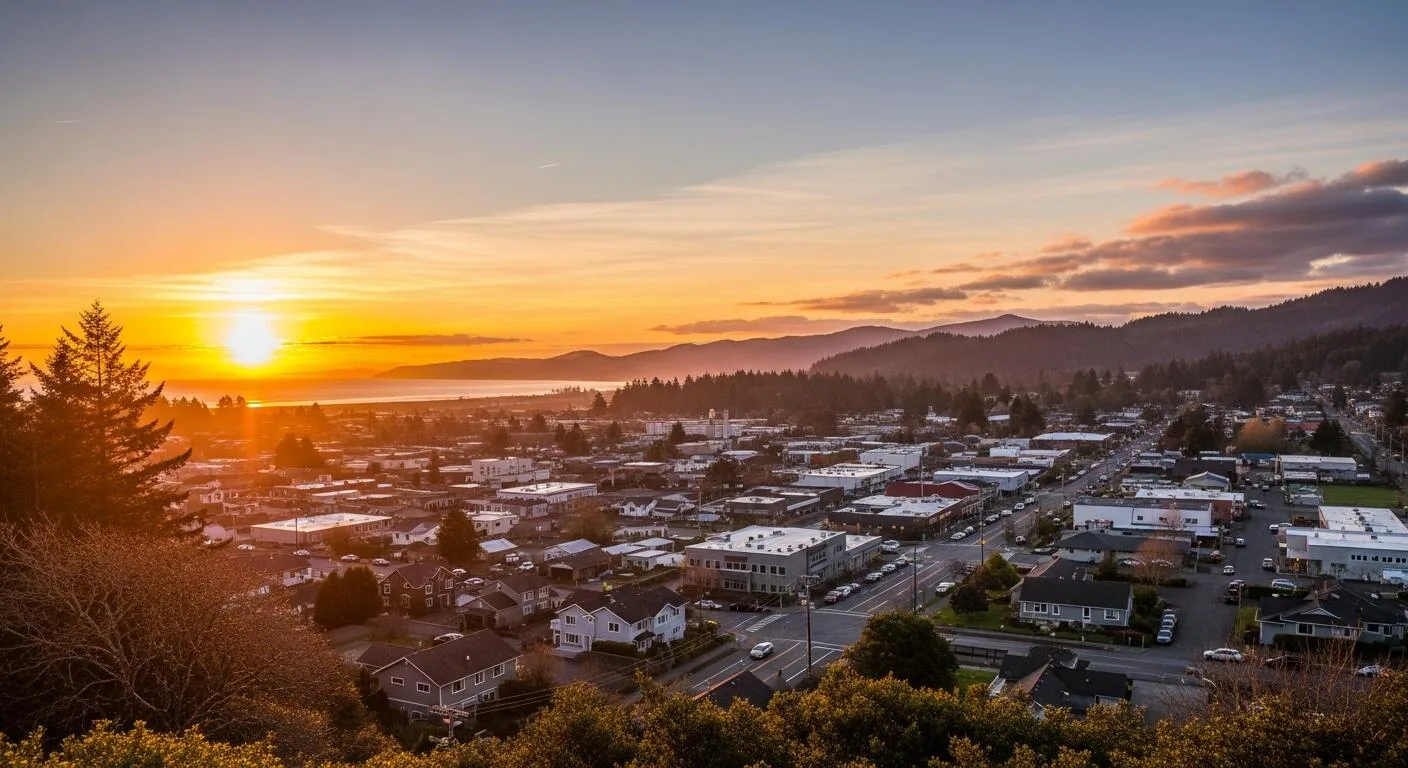
Warrenton sits at the mouth of the Columbia River where high groundwater, salt air, and more than 70 inches of annual rainfall put constant pressure on buildings. Property damage here rarely stays contained - a small leak in a low-elevation crawl space can turn into a moisture problem that spreads through framing within days.
Restoration work in this corner of Clatsop County covers a full range of losses:
- Water damage restoration - extraction, moisture mapping, and structural drying after pipe breaks, roof leaks, appliance failures, and storm intrusion
- Flooded basement recovery - pumping standing water, drying below-grade walls and slabs, and addressing the drainage issue behind the flooding
- Sewage cleanup - containment, removal of contaminated materials, and antimicrobial treatment after backups or septic failures
- Fire damage restoration - structural stabilization, debris removal, soot cleaning, and coordination of repairs
- Smoke damage restoration - surface cleaning, HVAC decontamination, and odor treatment for materials that absorbed smoke residue
- Mold removal - containment, controlled removal of colonized materials, and correction of the moisture source
Local companies including SERVPRO, AXION Mold, ServiceMaster by JTS, and Oregon Restoration provide 24/7 emergency response across Warrenton, Astoria, and Seaside. Fast stabilization protects framing, flooring, personal belongings, and indoor air quality - and it keeps a manageable loss from becoming a rebuild.
Common Damage Restoration Issues in Warrenton, Oregon
Warrenton's flat, low-lying terrain and shallow water table drive most of the damage calls in the area. Much of the city sits only a few feet above sea level on filled tidal land, so water moves toward structures rather than away from them.
Frequent Causes of Loss
- Winter storm systems that dump heavy rain over saturated ground
- King tides and Columbia River surge that raise groundwater under slabs and crawl spaces
- Overwhelmed storm drains and sump pump failures during power outages
- Sewer line backups where roots or grease restrict older lateral pipes
- Aging supply lines, water heaters, and washing machine hoses
- Wood stove and chimney fires during cold, damp months
- Kitchen grease fires and electrical faults in older wiring
Warning Signs Worth Acting On
- Musty odor in a hallway, closet, or crawl space hatch
- Cupping or darkening hardwood and soft spots underfoot
- Blistering paint, tide lines, or staining along baseboards
- Condensation on windows that never fully clears
- Slow drains on multiple fixtures, or gurgling toilets - both point toward a main line issue
- Persistent smoke smell that returns when the furnace runs
- Allergy-style symptoms that ease when you leave the house
Coastal conditions shorten the window between a leak and visible mold growth. Colonies can establish in 24 to 48 hours when humidity stays high, which is why same-day drying matters more here than in drier inland climates.
Neighborhoods We Serve in Warrenton
Coverage extends across Warrenton and the surrounding lower Columbia communities, including:
- Downtown Warrenton and Main Avenue - older commercial buildings and mixed-age homes near the waterfront
- Hammond - historic cottages and river-adjacent properties near the marina
- Warrenton Heights and Alder Grove - newer subdivisions on slightly higher ground
- Fort Stevens area and Ridge Road - homes bordering dune and forest land
- Skipanon River corridor - properties with docks, boat access, and high groundwater
- Youngs Bay and Lewis and Clark Road - rural parcels on septic systems
Service also reaches Astoria, Gearhart, Seaside, Knappa, and Jeffers Garden. Crews familiar with Clatsop County road access, tide timing, and local building stock reach most addresses quickly, which shortens the gap between the first call and the first extraction equipment on site.
Seasonal Damage Patterns in Warrenton
Seasonal Damage Patterns in Warrenton
- November through February - peak season. Atmospheric river events, sustained coastal wind, and king tides drive flooded basements, crawl space saturation, roof leaks, and storm-related water intrusion. Power outages disable sump pumps at the worst moment.
- December through January - heating season fires. Wood stoves, chimney creosote buildup, space heaters, and holiday cooking produce the year's highest concentration of fire and smoke damage calls.
- March through May - spring thaw and continued rain keep groundwater elevated. This is when mold growth from winter moisture becomes visible and odors intensify as temperatures rise.
- June through August - drier weather, but marine layer humidity keeps crawl spaces damp. Air conditioning condensate lines, irrigation leaks, and vacation-home plumbing failures show up now, along with a steady volume of mold remediation projects.
- September through October - the first heavy rains test roofs, gutters, and drains that dried out over summer. Sewage backups increase as debris and root growth clog lines ahead of winter flow volumes.
Smoke damage can occur year-round in Warrenton, since regional wildfire smoke occasionally settles into the Columbia estuary and infiltrates homes through vents and older window assemblies.
Housing Characteristics & Restoration Considerations
Warrenton's housing stock spans more than a century, and construction era shapes nearly every restoration decision made on site.
Common Building Types
- Pre-1950 cottages and craftsman homes - board sheathing, plaster and lath, minimal insulation, and post-and-pier foundations over vented crawl spaces
- Mid-century ranch homes - original galvanized or copper supply lines, single-pane windows in some cases, and shallow crawl spaces prone to standing water
- 1980s to 2000s subdivisions - stick framing with vinyl siding, engineered subfloor panels that swell when wet, and finished daylight basements
- Manufactured and modular homes - common throughout the county, with belly wrap that traps water and complicates drying
- Marine-adjacent structures - boathouses, shops, and converted spaces exposed to salt air corrosion
How Construction Affects the Work
- Crawl spaces require vapor barrier replacement and often sub-floor insulation removal after saturation
- Plaster walls hold moisture longer than drywall and need injection drying rather than removal where possible
- Older homes may contain asbestos-bearing flooring or textured ceilings, requiring testing before demolition
- Knob-and-tube or aluminum wiring found during fire damage repair usually triggers electrical upgrades
- Finished basements with carpet, paneling, and framed walls demand selective removal to reach hidden moisture
- Septic-served rural properties face different sewage cleanup protocols than homes on city sewer
Documenting the structure before removal begins protects both the property owner and the insurance claim.
Environmental Conditions & Damage Implications
The environment around Warrenton is the single largest variable in how quickly damage develops and how long drying takes.
Climate and Humidity
- Annual rainfall well above 70 inches, concentrated in the winter months
- Relative humidity that frequently stays above 80 percent, even without rain
- Mild temperatures that rarely freeze pipes but also rarely dry a structure naturally
- Persistent marine layer and fog that limit ventilation-based drying
Because outdoor air is often as damp as indoor air, open windows do little. Effective drying depends on closed-system dehumidification and controlled airflow rather than passive ventilation.
Soil, Water, and Air
- Alluvial and dredge-fill soils with poor percolation hold water against foundations
- A shallow water table that rises with tide and rainfall, pushing hydrostatic pressure into basements and slabs
- Salt-laden air that accelerates corrosion on fasteners, ductwork, and electrical components exposed during fire or water losses
- Generally good ambient air quality, interrupted by seasonal wildfire smoke and wood-heating particulates
Restoration Impact
- Longer drying cycles and more dehumidification capacity per square foot
- Higher mold risk in any cavity that stays wet beyond two days
- Sewage cleanup complicated by saturated soil that limits absorption around septic drain fields
- Soot and smoke residue that bond faster in humid conditions, requiring prompt cleaning
Modern Drying and Remediation Technology for Coastal Warrenton Properties
High humidity makes equipment selection the deciding factor in Warrenton restoration outcomes. Standard fans and household dehumidifiers cannot pull moisture out of a saturated coastal structure - the tools have to work against ambient conditions, not with them.
Equipment Used on Local Jobs
- Low-grain refrigerant and desiccant dehumidifiers - capable of drying materials even when outdoor dew points stay high
- Thermal imaging cameras and penetrating moisture meters - locate water inside wall cavities, under flooring, and behind cabinetry without unnecessary demolition
- Injectidry and cavity drying systems - push conditioned air into wall assemblies and hardwood layers to preserve original materials
- Negative air machines with HEPA filtration - maintain containment during mold removal and sewage cleanup so spores and bacteria do not migrate
- Truck-mounted extraction units - remove hundreds of gallons quickly from flooded basements and crawl spaces
- Hydroxyl generators and thermal fogging - neutralize smoke odor at the molecular level rather than masking it
- Soda and media blasting - strip charred surfaces and soot from framing during fire damage restoration
- Remote moisture sensors - track drying progress daily and confirm materials reach target levels before rebuild begins
How a Project Typically Progresses
- Emergency response, safety assessment, and source control
- Containment setup and extraction or debris removal
- Selective removal of unsalvageable materials, documented for the claim
- Structural drying, antimicrobial application, and odor treatment
- Daily moisture readings until documented dry standards are met
- Clearance testing where mold or contamination was involved
- Reconstruction - flooring, drywall, paint, and finish work back to pre-loss condition
Handling mitigation and rebuild under one team reduces handoffs, keeps documentation consistent, and shortens the time a Warrenton household or business spends displaced.





