Damage Restoration in Chisago County, MN
- Damage Restoration Services Overview
- Common Damage Restoration Issues in Chisago County, Minnesota
- Neighborhoods We Serve in Chisago County
- Seasonal Damage Patterns in Chisago County
- Housing Characteristics & Restoration Considerations
- Environmental Conditions & Damage Implications
- Working With Insurance and Storm Claims in Chisago County
Damage Restoration Services Overview
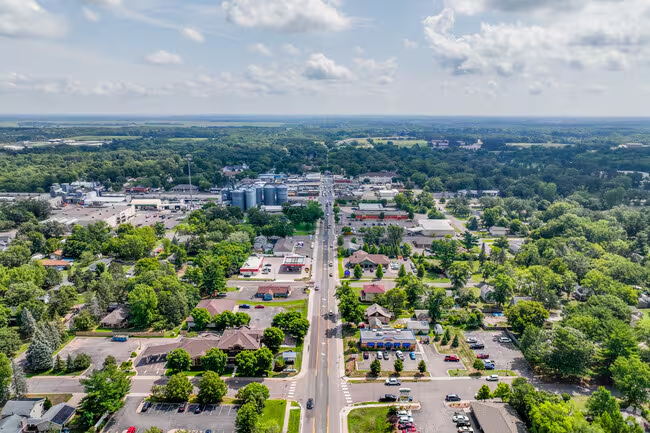
When water pours across a basement floor or smoke settles into every soft surface in the house, the fastest relief comes from knowing trained hands are already on the way. Property damage in Chisago County rarely waits for a convenient moment, and the response in the first hours shapes how much of a home can be saved.
Restoration work covers a connected set of specialties, each addressing a different kind of loss:
- Water damage restoration - extraction, structural drying, and moisture mapping after supply line breaks, appliance failures, ice dam leaks, or roof intrusion.
- Flooded basement recovery - pumping standing water, drying foundation walls and slabs, and salvaging finished lower levels.
- Sewage cleanup - removal of contaminated material, antimicrobial treatment, and safe disposal after backups or septic failures.
- Fire damage restoration - securing the structure, debris removal, and rebuilding charred framing, drywall, and finishes.
- Smoke damage restoration - soot removal from surfaces and HVAC systems plus odor neutralization that reaches into porous materials.
- Mold removal - containment, source correction, affected material removal, and air scrubbing.
Benefits reach beyond a dry floor. Homeowners gain documented moisture readings for insurance claims, healthier indoor air for children and seniors, protected resale value, and a clear plan that replaces guesswork with a step-by-step path back to normal.
Common Damage Restoration Issues in Chisago County, Minnesota
Chisago County sits in lake country, and that geography drives many of the losses local crews respond to. High water tables near Green Lake, North Center Lake, and the St. Croix River corridor push moisture toward foundations year-round.
Local Causes We See Repeatedly
- Spring snowmelt combined with saturated ground overwhelming sump pumps in Lindstrom, Chisago City, and Center City neighborhoods.
- Ice dams on steep roofs forcing meltwater under shingles and into ceilings and wall cavities.
- Frozen and burst supply lines in crawl spaces, unheated cabins, and seasonal lake properties.
- Septic system backups on rural acreages during saturated soil conditions or heavy rain events.
- Municipal sewer surcharges pushing wastewater into floor drains during intense summer downpours.
- Chimney, wood stove, and space heater fires during long heating seasons.
- Storm and hail impacts that open the building envelope, letting rain follow within hours.
Warning Signs Worth Acting On
- Musty odors in a basement or crawl space that intensify after rain.
- Efflorescence, chalky white staining, or dark rings along block foundation walls.
- Buckling laminate, cupping hardwood, or drywall that feels soft near the baseboard.
- Recurring gurgling from floor drains or slow-clearing lower-level fixtures.
- Yellow-brown staining on ceilings below roof valleys after a thaw.
- Lingering smoke smell that returns on humid days even after cleaning.
- Visible growth behind furniture placed against exterior walls.
Catching these early usually means drying and treating rather than demolition and rebuilding.
Neighborhoods We Serve in Chisago County
Coverage spans the full county, from lakeside villages to rural township acreage:
- Lindstrom - lakeshore homes, older bungalows, and newer subdivisions off Highway 8.
- Chisago City - properties along Green Lake and Chisago Lake shorelines.
- Center City - historic homes with stone and block foundations.
- North Branch - growing residential developments and outlying farmsteads.
- Wyoming - commuter neighborhoods near the I-35 corridor.
- Stacy, Harris, Rush City, and Taylors Falls - small-town cores and surrounding rural parcels.
- Shafer, Almelund, and Sunrise - township properties often on private wells and septic.
Surrounding areas including Forest Lake, Cambridge, Pine City, and the western Wisconsin communities across the St. Croix also fall within reach. Crews familiar with local roads, lake access points, and county permitting move faster than out-of-area contractors unfamiliar with the terrain.
Seasonal Damage Patterns in Chisago County
Winter (December - February)
- Frozen pipe bursts in vacant cabins and unheated additions.
- Ice dam leaks along eaves after thaw-freeze cycles.
- Heating-related fire and smoke damage from wood stoves and chimneys.
Spring (March - May)
- Peak season for flooded basements as snowmelt saturates clay-heavy soils.
- Sump pump failures during extended runoff.
- Mold blooms appearing weeks after undetected winter leaks.
Summer (June - August)
- Severe thunderstorms, hail, and wind opening roofs and siding.
- Sewer backups during high-intensity rainfall.
- Humidity-driven mold growth in poorly ventilated lower levels.
- Air conditioner condensate line overflows.
Fall (September - November)
- Clogged gutters channeling water against foundations.
- First-use furnace and fireplace incidents producing smoke and soot.
- Early freeze events catching outdoor spigots and irrigation lines.
Knowing the seasonal rhythm helps homeowners schedule inspections before the risk window opens rather than after damage occurs.
Housing Characteristics & Restoration Considerations
Chisago County housing spans well over a century of building practice, and each era responds differently to water, fire, and mold.
Common Construction Types
- Pre-1940 farmhouses and village homes - fieldstone or early block foundations, balloon framing, plaster and lath walls. Balloon framing lets smoke and fire travel vertically inside wall cavities, and plaster holds moisture long after surfaces feel dry.
- 1950s - 1970s ramblers and split-levels - concrete block basements, original cast iron or clay drain lines prone to root intrusion and backups.
- 1980s - 2000s subdivisions - poured foundations, finished lower levels with carpet and paneling that absorb water quickly and hide growth.
- Lake cabins and seasonal properties - crawl spaces, minimal insulation, intermittent heat, and long vacancy periods that delay leak discovery.
- Newer energy-tight builds - excellent thermal performance but limited drying capacity when moisture gets into the assembly.
How Age Shapes the Work
- Homes built before the late 1970s require testing before demolition, since older flooring, adhesives, and insulation may contain regulated materials.
- Knob-and-tube or aging wiring near a water loss calls for electrical evaluation before equipment is energized.
- Finished basements typically need baseboard removal and cavity drying rather than surface-only extraction.
- Homes with attached garages or additions often need separate containment zones during smoke and mold work.
- Properties on private septic require coordination with county environmental services after sewage events.
Environmental Conditions & Damage Implications
The local environment is the quiet variable behind most restoration outcomes in Chisago County.
Climate
- Long, cold winters with frequent freeze-thaw cycles stress plumbing, roofing, and foundation joints.
- Summer dew points regularly climb into the uncomfortable range, keeping indoor humidity high and feeding mold in basements.
- Annual precipitation arrives in concentrated bursts, overwhelming drainage that handles steady rain fine.
Soils and Groundwater
- Glacial till, sandy outwash, and clay lenses appear within short distances of each other, so drainage behavior varies lot to lot.
- Clay-rich areas hold water against foundation walls and increase hydrostatic pressure.
- Shallow water tables near lakes and wetlands limit how far below grade a dry basement is realistic without active management.
- Shoreline properties benefit from best management practices - vegetated buffers, rain gardens, and graded swales that redirect runoff before it reaches the structure.
Water and Air Quality
- Private wells serve many rural households, so sewage and flood events call for water testing before normal use resumes.
- Iron and mineral content in local groundwater leaves staining that must be distinguished from active moisture intrusion.
- Regional wildfire smoke and agricultural dust can settle in HVAC systems, complicating odor assessments after a fire.
Matching drying strategy to these conditions - rather than applying a one-size template - is what prevents repeat callbacks.
Working With Insurance and Storm Claims in Chisago County
Hail and wind events along the Highway 8 and I-35 corridors regularly produce claims that combine exterior damage with interior water intrusion. Homeowners often discover that the roof, siding, and windows are one conversation while the soaked ceiling and growing mold are another. Coordinating both keeps the project moving and the documentation consistent.
What Clear Communication Looks Like
- A written scope describing every affected room, material, and planned action before work begins.
- Photo documentation of pre-existing conditions, damage extent, and daily progress.
- Moisture readings logged by location so drying progress is measurable rather than assumed.
- Plain-language explanations of why a material is being removed instead of dried.
- Direct contact with a single project lead rather than a rotating cast of subcontractors.
- Advance notice before any change to the agreed scope.
A Practical Claim Sequence
- Stop the source safely - shut off water, avoid contaminated areas, and leave the structure if fire or electrical hazards exist.
- Photograph conditions before anything is moved or cleaned.
- Notify the insurance carrier and record the claim number and adjuster contact.
- Authorize emergency mitigation so drying starts while paperwork proceeds - most policies expect prompt action to limit further loss.
- Keep receipts for temporary repairs, lodging, and replacement essentials.
- Review the restoration scope alongside the adjuster's estimate and ask about any line item that seems unclear.
- Confirm final drying verification and clearance documentation before reconstruction begins.
Contractors serving this region since 2008 with strong Better Business Bureau standing bring familiarity with local adjusters, county inspection expectations, and the storm patterns that shape these claims. That local track record shortens the distance between a damaged home and a finished repair, and it keeps homeowners informed at every stage instead of waiting for updates that never arrive.