Damage Restoration in Nicollet County, MN
- Damage Restoration Services Overview
- Common Damage Restoration Issues in Nicollet County, Minnesota
- Neighborhoods We Serve in Nicollet County
- Seasonal Damage Patterns in Nicollet County
- Housing Characteristics & Restoration Considerations
- Environmental Conditions & Damage Implications
- From Emergency Response to Rebuild: What Full-Service Restoration Looks Like in Nicollet County
Damage Restoration Services Overview
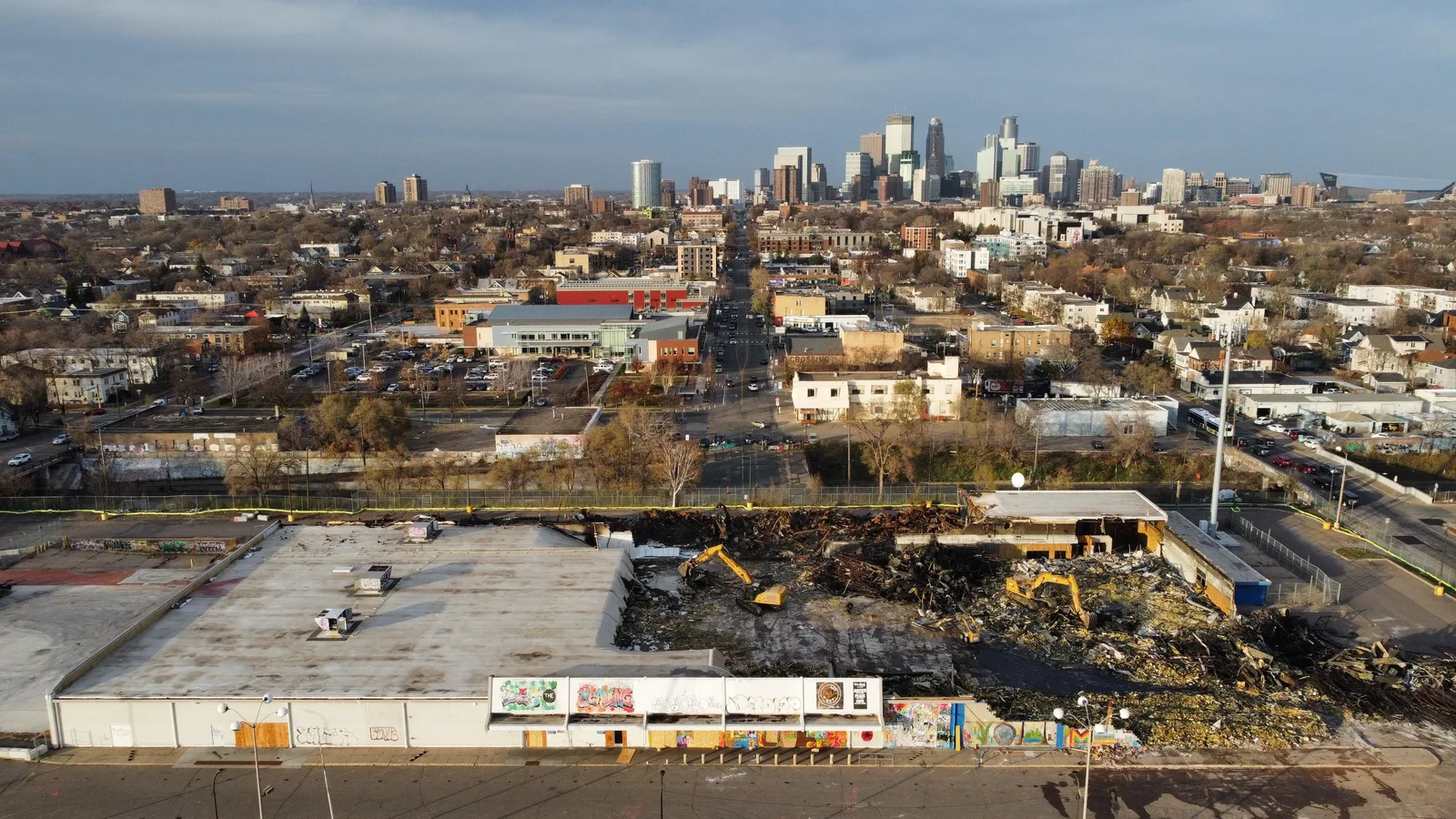
Water spreads through drywall, subfloor, and insulation within minutes, and mold colonies can begin forming in a day or two. In Nicollet County, where river valley humidity meets harsh winter freezes, the speed of the first response often determines whether a property needs drying or full reconstruction.
Restoration work here covers a full spectrum of property emergencies, each requiring different equipment, containment methods, and clearance standards:
- Water Damage Restoration - extraction, structural drying, moisture mapping, and dehumidification after burst pipes, appliance failures, and roof leaks
- Flooded Basement Cleanup - pump-out, sump pit evaluation, contents removal, and drying of block and poured foundation walls
- Sewage Cleanup - Category 3 biohazard removal, antimicrobial treatment, and disposal of porous materials contaminated by backups
- Fire Damage Restoration - debris removal, board-up, structural cleaning, and coordinated rebuild of charred framing and finishes
- Smoke Damage Restoration - soot removal from surfaces and HVAC systems, thermal fogging, and odor neutralization
- Mold Removal - containment barriers, negative air pressure, affected material removal, and moisture source correction
Benefits for St. Peter, North Mankato, and rural township property owners include limited secondary damage, preserved building materials, documented moisture readings for insurance claims, and safer indoor air for families returning home.
Common Damage Restoration Issues in Nicollet County, Minnesota
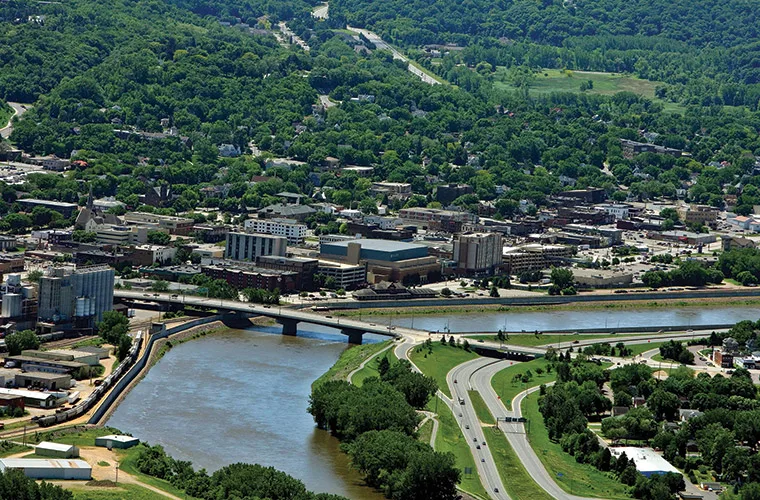
Nicollet County sits along the Minnesota River valley, where bluff topography, clay-heavy glacial soils, and dramatic seasonal swings combine to stress buildings year-round.
Leading Causes of Property Damage Locally
- Spring snowmelt and river rise - saturated soil pushes groundwater against foundations in low-lying North Mankato and riverside St. Peter neighborhoods
- Frozen and burst pipes - subzero stretches rupture supply lines in exterior walls, unheated garages, farmhouse crawlspaces, and seasonal cabins
- Sump pump failure - power outages during storms leave pits overwhelmed within an hour
- Municipal and septic sewage backups - heavy rain surcharges older sanitary lines; rural drainfields saturate and reverse flow into basements
- Severe storms and hail - wind-driven rain enters through damaged shingles, soffits, and window wells
- Heating and cooking fires - wood stoves, space heaters, and grain drying equipment raise winter and harvest-season fire risk
Warning Signs Worth Acting On
- Musty odor in basements or crawlspaces, strongest during humid July and August weeks
- Efflorescence, staining, or bubbling paint on block foundation walls
- Cupped hardwood, soft spots underfoot, or tile that sounds hollow
- Gurgling floor drains or slow tub drainage after heavy rainfall
- Yellowish soot film on walls, ceilings, and lampshades weeks after a small kitchen fire
- Persistent smoke odor that returns when the furnace or air conditioning cycles
Neighborhoods We Serve in Nicollet County
Coverage spans the county's cities, townships, and unincorporated crossroads, including riverfront properties and farmsteads well off the paved routes.
- St. Peter - historic downtown, the Gustavus Adolphus College area, Traverse des Sioux, and Broadway corridor homes
- North Mankato - Lower North, Belgrade Avenue, Bluff Hills, and the Lookout Drive residential areas
- Nicollet - Highway 14 corridor homes and surrounding acreages
- Courtland and Lafayette - small-town blocks with a mix of century homes and newer builds
- Klossner, Oshawa, and Norseland - rural clusters and church-community neighborhoods
- Townships - Belgrade, Bernadotte, Brighton, Courtland, Granby, Lake Prairie, New Sweden, Nicollet, Oshawa, Ridgely, West Newton, and Traverse
Properties near Swan Lake, Middle Lake, Seven Mile Creek, and the Minnesota River bottoms receive extra attention for groundwater intrusion and recurring basement moisture.
Seasonal Damage Patterns in Nicollet County
- December through February - frozen pipe bursts peak during Arctic fronts; ice dams back meltwater under shingles; furnace, wood stove, and space heater fires increase, bringing smoke damage that travels through ductwork into every room.
- March and April - snowmelt over frozen ground floods basements, overloads sump pumps, and pushes water through foundation cracks and window wells. Sewage backups climb as saturated soils stress septic drainfields and municipal lines.
- May through August - thunderstorms, hail, and flash flooding drive water intrusion; high dew points fuel rapid mold growth in basements and crawlspaces. Lightning strikes account for a share of summer structure fires.
- September and October - harvest-season equipment and grain dryer fires affect farmsteads; falling leaves clog gutters and window wells ahead of autumn rains.
- November - the first hard freezes catch outdoor spigots and unwinterized lines, and heating systems restarting after months idle can produce puff-back soot events.
Mold remediation requests follow water events by roughly two to six weeks, which is why drying verification matters more than surface appearance.
Housing Characteristics & Restoration Considerations
Nicollet County's housing stock ranges from pre-1900 St. Peter homes rebuilt after the 1998 tornado to newer North Mankato subdivisions on the bluff. Age and construction method shape every restoration plan.
Common Construction Types
- Late-1800s and early-1900s homes - balloon framing, lath and plaster, and limestone or fieldstone foundations that wick moisture and hide fire and smoke travel paths inside wall cavities
- Mid-century ranches and split-levels - concrete block basements, finished rec rooms with paneling, and original cast iron drain lines prone to backups
- 1990s through current builds - poured foundations, engineered floor trusses, and tighter envelopes that trap humidity when drying is incomplete
- Farmsteads and outbuildings - crawlspaces, unheated additions, private wells, and septic systems requiring specialized sanitation protocols
How Age Affects the Work
- Pre-1980 materials may contain asbestos or lead paint, requiring testing before demolition of flooring, texture, or pipe wrap
- Plaster dries far slower than drywall and often needs injection drying rather than removal
- Stone and block foundations hold moisture in mortar joints, extending dehumidification schedules
- Finished basements with carpet pad and wood framing against foundation walls are the most frequent source of hidden mold
- Older ductwork spreads soot and odor aggressively after even a contained fire
Environmental Conditions & Damage Implications
The county's continental climate delivers roughly 30 inches of annual precipitation, humid summers, and winters that drop well below zero - a combination that stresses buildings from both directions.
Soil and Groundwater
- Clay-rich glacial till and loess hold water against foundations rather than draining it away
- Freeze-thaw cycling shifts footings and opens hairline cracks in block and poured walls
- Bluff-side properties in North Mankato and along Seven Mile Creek face lateral water movement through hillsides
- High water tables near Swan Lake wetlands and the Minnesota River keep sump systems running much of the spring
Air and Water Quality Factors
- Summer dew points frequently exceed 65 degrees, letting basement relative humidity climb into mold-supporting territory
- Agricultural dust and seasonal field burning add particulate load that combines with soot residue after a fire
- Hard, mineral-heavy well water accelerates water heater and supply line corrosion, a common cause of sudden indoor flooding
- Septic-served rural homes require full biohazard protocols when backups involve blackwater
These conditions call for moisture meters, thermal imaging, and documented drying logs rather than assumptions - surfaces can feel dry while framing and insulation remain saturated.
From Emergency Response to Rebuild: What Full-Service Restoration Looks Like in Nicollet County
Property owners between St. Peter and Lafayette often discover that the hardest part of recovery is coordination - one company extracts water, another handles mold, a third rebuilds. A start-to-finish approach removes those gaps.
The Restoration Sequence
- Emergency contact and dispatch - crews respond around the clock to burst pipes, sewage backups, and fire scenes across the county
- Safety assessment - electrical hazards, structural integrity, and contamination category are evaluated before anyone enters
- Water extraction or debris removal - truck-mounted extraction, pumping of flooded basements, or removal of fire-consumed materials and standing suppression water
- Containment - negative air machines and poly barriers isolate mold, soot, and biohazard zones from clean living space
- Structural drying - air movers, LGR dehumidifiers, and cavity drying with daily moisture readings until materials reach dry standard
- Cleaning and decontamination - antimicrobial application, soot removal with appropriate dry and wet methods, HVAC cleaning, and odor treatment
- Reconstruction - drywall, insulation, flooring, cabinetry, trim, and paint returning the home to pre-loss condition
Working With Your Insurance Claim
- Photo documentation and moisture logs captured from the first visit
- Detailed scope written in standard estimating formats adjusters recognize
- Direct communication with your carrier so you are not relaying technical details
- Contents inventory for items requiring cleaning, storage, or replacement
Rural addresses, gravel-road farmsteads, and older downtown buildings each present access and materials challenges. Local crews familiar with Nicollet County construction, township road conditions, and county permitting keep projects moving from the first pump to the final coat of paint.