Damage Restoration in Polk County, MN
- Damage Restoration Services Overview
- Common Damage Restoration Issues in Polk County, Minnesota
- Neighborhoods We Serve in Polk County
- Seasonal Damage Patterns in Polk County
- Housing Characteristics & Restoration Considerations
- Environmental Conditions & Damage Implications
- Flood Documentation and Insurance Communication in the Red River Valley
Damage Restoration Services Overview
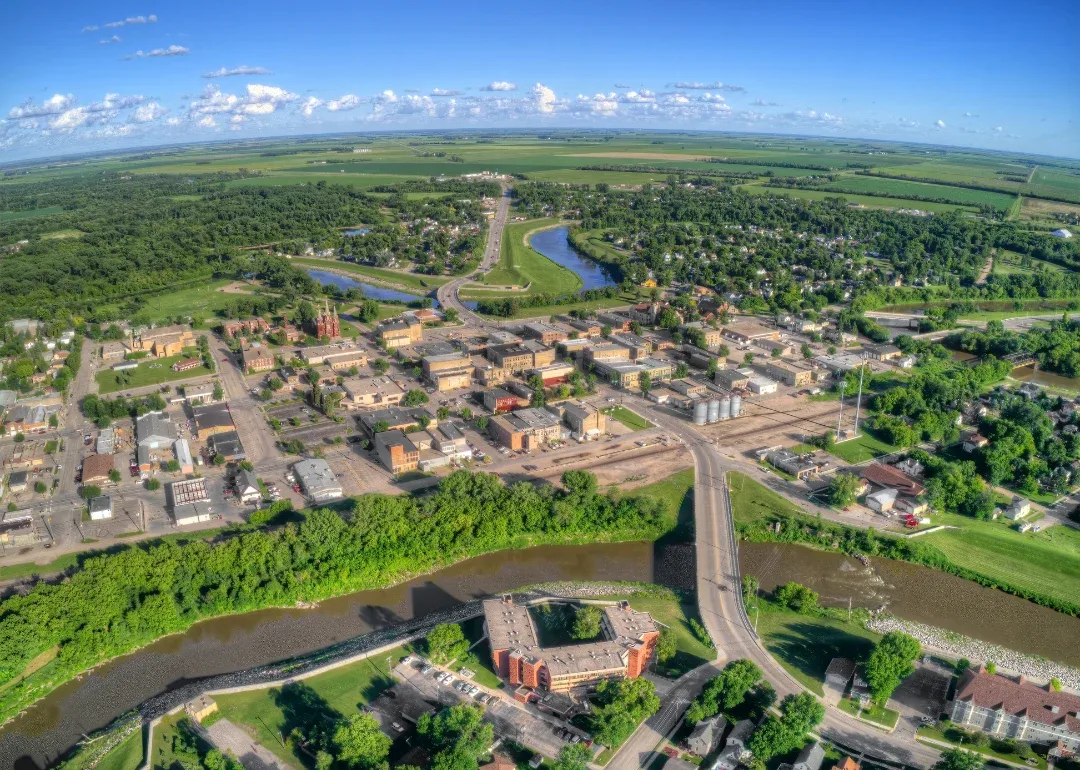
When water pours into a basement in Crookston or smoke settles into every room of a farmhouse outside Fosston, the difference between a manageable repair and a gutted structure usually comes down to how quickly trained help arrives. Professional restoration gives Polk County property owners a clear path forward - documented, methodical, and built around returning the building to a safe, dry, livable condition.
Our restoration work across Polk County covers the full range of property emergencies:
- Water Damage Restoration - extraction, structural drying, and moisture mapping after burst pipes, appliance failures, and roof leaks
- Flooded Basement - pump-out, contents handling, and drying of below-grade spaces common throughout the Red River Valley
- Sewage Cleanup - removal of contaminated material, disinfection, and safe disposal after backups and drain failures
- Fire Damage Restoration - stabilization, debris removal, soot cleaning, and structural repair planning
- Smoke Damage Restoration - odor neutralization, HVAC cleaning, and treatment of surfaces smoke penetrated but flames never touched
- Mold Removal - containment, controlled removal of affected materials, and correction of the moisture source behind the growth
Benefits Polk County residents gain from professional response include reduced secondary damage, thorough documentation for insurance purposes, preserved building materials that might otherwise be discarded, and a written scope explaining exactly what happens next.
Common Damage Restoration Issues in Polk County, Minnesota
Polk County sits in the flat, poorly draining lakebed of the Red River Valley, where snowmelt has nowhere fast to go and spring water tables climb quickly. That geography drives a predictable set of restoration calls each year.
Frequent Causes of Damage Locally
- Spring snowmelt and overland flooding along the Red River, Red Lake River, and Sand Hill River corridors, pushing water into basements in East Grand Forks, Crookston, and Fisher
- Frozen and burst supply lines during deep January cold snaps, especially in crawlspaces, exterior walls, and unheated outbuildings
- Ice dams forming on older roofs, forcing meltwater beneath shingles into attics and wall cavities
- Sump pump failure or power loss during storms, turning a controlled basement into a flooded one within hours
- Sewer and drain backups when municipal systems and rural septic fields are overwhelmed by saturated ground
- Furnace, wood stove, and electrical fires during heating seasons that stretch equipment for months at a time
- Summer thunderstorms, hail, and straight-line winds that strip shingles and siding, opening the structure to water intrusion
Warning Signs Worth Acting On
- Musty odor in a basement or crawlspace that returns after cleaning
- Efflorescence, staining, or dampness along block foundation walls
- Buckling floors, blistered paint, or soft drywall near the base of walls
- Slow floor drains or gurgling fixtures - often the first hint of a sewer issue
- Lingering smoke odor that intensifies when the furnace or air conditioning runs
- Visible dark growth on joists, insulation paper, or behind stored items
Neighborhoods We Serve in Polk County
Our crews respond across the county's cities, townships, and rural farmsteads, including:
- Crookston - historic downtown, riverside neighborhoods along the Red Lake River, and university-area rentals
- East Grand Forks - Point neighborhoods, Riverside, and newer subdivisions on the south and east sides
- Fosston, Fertile, and McIntosh - established residential streets with older housing stock
- Erskine, Mentor, Winger, and Trail - lake-area homes and seasonal properties near Maple Lake and Union Lake
- Fisher, Climax, Nielsville, and Beltrami - small-town homes and surrounding farm properties
- Euclid, Tabor, Angus, Gully, and Lengby - rural residences on private well and septic systems
We also work with property owners in adjoining Norman, Marshall, Pennington, Red Lake, and Clearwater counties, and coordinate with Grand Forks-area contractors when a project spans the state line.
Seasonal Damage Patterns in Polk County
Late Winter and Spring (February - May)
- Ice dam meltwater enters attics and upper walls as temperatures swing above freezing
- Frozen pipes thaw and release water in vacant or under-heated buildings
- Snowmelt saturates flat valley soil, driving groundwater into basements
- Overwhelmed sewer lines and saturated drain fields cause backups requiring sewage cleanup
Summer (June - August)
- Severe thunderstorms, hail, and high winds damage roofing and open the envelope to rain
- Humidity plus a damp basement accelerates mold growth on stored contents and framing
- Power outages during storms disable sump pumps
Fall (September - November)
- Heavy autumn rain tests gutters, grading, and foundation drainage before freeze-up
- First furnace and wood stove startups reveal blocked flues and cause smoke damage
Deep Winter (December - January)
- Peak season for fire damage from heating equipment, space heaters, and electrical loads
- Extended subzero stretches freeze supply lines in exterior walls and crawlspaces
- Smoke odor concentrates in tightly sealed homes with limited ventilation
Housing Characteristics & Restoration Considerations
Polk County housing skews older than the state average, with a large share of homes built before 1970 and a meaningful number dating to the early 1900s in Crookston, Fosston, and Fertile. Construction style directly shapes how a restoration project unfolds.
Common Building Types and What They Mean
- Pre-1940 wood-frame homes - plaster and lath hold moisture longer than drywall and require slower, monitored drying rather than quick removal
- Fieldstone and clay tile foundations - porous, uneven surfaces that wick groundwater and complicate basement drying and mold containment
- Poured concrete and block basements - prone to seepage at the cove joint, common in mid-century homes
- Finished basements with paneling or carpet - trap water behind materials, hiding growth until odor appears
- Knob-and-tube or early wiring in older homes - a recurring ignition source behind fire damage restoration calls
- Manufactured and modular homes - limited cavity space and vapor barriers that can hold water against subfloors
- Farmsteads and acreages - private wells and septic systems that raise contamination concerns during sewage cleanup
How We Adjust
- Identify the construction assembly before choosing between drying in place and controlled removal
- Use moisture meters and thermal imaging to find water inside plaster, insulation, and rim joists
- Contain work areas so soot, spores, and odor do not spread through open stairwells common in older layouts
- Clean and treat ductwork, since many older homes have gravity or retrofit systems that circulate smoke residue
Environmental Conditions & Damage Implications
The physical setting of Polk County shapes nearly every restoration decision made here - from how long drying equipment runs to whether a basement wall can be salvaged.
Climate
- Long, severe winters with sustained subzero temperatures that freeze plumbing and stress heating systems
- Short, humid summers with dew points high enough to feed mold in unconditioned basements
- Wide seasonal swings that expand and contract foundations, opening cracks for seepage
Soil and Drainage
- Heavy Red River Valley clay drains slowly and holds water against foundation walls
- Nearly flat terrain limits natural runoff, so grading and downspout extensions matter more here than in rolling country
- Spring frost layers block infiltration, sending meltwater sideways toward basements
- Clay heave and settlement contribute to slab cracks and drain tile failure
Water and Air Quality
- Hard, mineral-rich groundwater accelerates corrosion in supply lines and water heaters, a frequent source of sudden leaks
- Agricultural runoff and floodwater are treated as contaminated, requiring the same protocols as sewage cleanup
- Tightly sealed homes built for winter efficiency hold smoke particulate and moisture indoors, making air scrubbing and controlled ventilation part of most fire and mold projects
- Regional wildfire smoke drifting in during summer can compound existing indoor air issues in homes already recovering from fire damage
Flood Documentation and Insurance Communication in the Red River Valley
Few places in Minnesota understand flood recovery like Polk County. Communities here rebuilt after 1997, invested in levees and diversions, and still watch the river gauges every March. That history makes one thing clear: how a loss is documented in the first hours strongly influences how the claim is handled.
Why the Cause of Water Matters
- Most Minnesota homeowners policies respond to sudden and accidental water damage - burst pipes, appliance failures, and ice dam backups
- Gradual seepage, long-term leaks, and water entering from an outside source are generally handled differently and often fall outside standard coverage
- Sewer backup and overland flood protection typically require separate endorsements or a flood policy
- Minnesota law requires insurers to acknowledge a claim promptly, which gives you a defined starting point for follow-up
How We Keep the Process Transparent
- Document before we disturb anything - photos, video, moisture readings, and notes on the apparent source
- Explain the scope in plain language - what gets dried, what gets removed, and why each decision was made
- Log daily drying data - equipment placement, humidity, and material moisture content recorded throughout the project
- Share records directly with you - you receive the same documentation your adjuster does, without having to ask
- Flag coverage questions early - if a condition looks like it may be scoped differently, you hear it from us up front rather than after the work is done
Whether the call involves a flooded basement in East Grand Forks, a sewage backup on a rural septic system near Climax, or smoke damage in a century-old Crookston home, the goal stays the same: no surprises, a clear record, and a property returned to sound condition.