
Damage Restoration in Crookston, MN
- Damage Restoration Services Overview
- Common Damage Restoration Issues in Crookston, Minnesota
- Neighborhoods We Serve in Crookston
- Seasonal Damage Patterns in Crookston
- Housing Characteristics & Restoration Considerations
- Environmental Conditions & Damage Implications
- Spring Flood Preparedness and Recovery Along the Red Lake River
Damage Restoration Services Overview
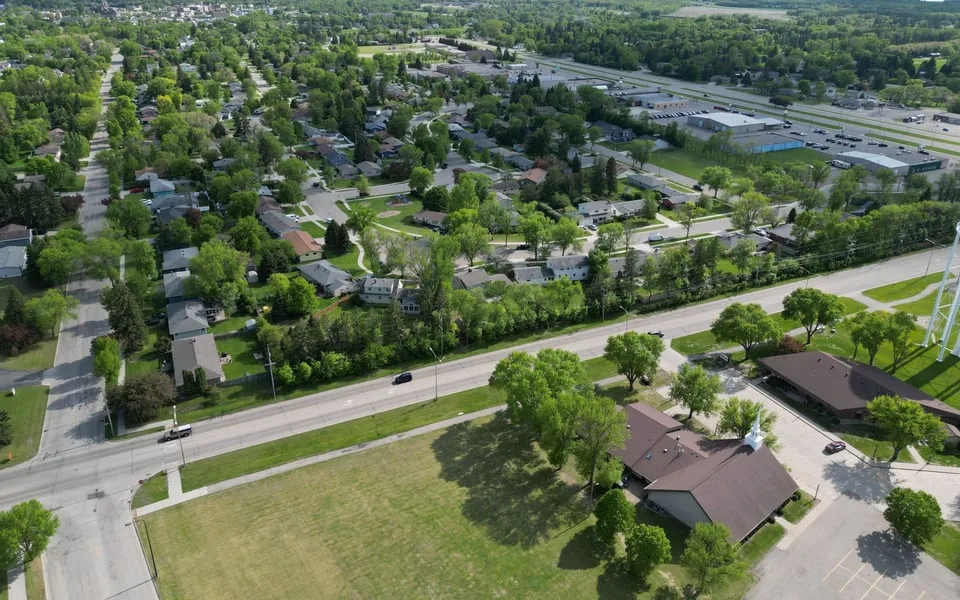
Crookston sits in the Red River Valley, where flat terrain, heavy clay soils, and a Red Lake River that swells with spring melt create restoration challenges unlike anywhere else in Minnesota. Water moves slowly across this landscape, which means basements, crawl spaces, and slab foundations often hold moisture long after the ground surface looks dry.
Property owners here rely on a full range of emergency and restoration work:
- Water Damage Restoration - extraction, structural drying, and moisture mapping after burst pipes, appliance failures, or river-driven flooding
- Flooded Basement - pump-outs, sump failure response, and drying of finished lower levels
- Sewage Cleanup - safe removal of Category 3 contamination from backups and lift station overloads
- Fire Damage Restoration - board-up, debris removal, soot cleaning, and reconstruction
- Smoke Damage Restoration - odor neutralization, HVAC cleaning, and contents restoration
- Mold Removal - containment, remediation, and moisture-source correction
For immediate disaster cleanup and restoration services in Crookston, call the professionals at Steamatic of Red River Valley. We're available 24/7 to help. Fast response limits secondary damage, protects indoor air quality, and helps keep insurance claims moving smoothly for families and business owners across Polk County.
Common Damage Restoration Issues in Crookston, Minnesota
Local geography and building age drive most restoration calls in Crookston. The valley's dense clay holds water against foundations, while long winters put sustained stress on plumbing and heating systems.
Frequent Causes of Damage
- Spring snowmelt and Red Lake River rises pushing groundwater into basements
- Frozen and burst supply lines in unheated crawl spaces, garages, and older exterior walls
- Sump pump failure during power outages tied to summer thunderstorms
- Sanitary sewer backups when heavy rain overwhelms municipal lines
- Ice dams forcing meltwater under shingles and into attic insulation
- Furnace, wood stove, and space heater fires during extended cold snaps
- Kitchen grease fires that spread smoke and soot through entire floor plans
Warning Signs Worth Acting On
- Musty or earthy odors in a basement, closet, or behind furniture
- Efflorescence, chalky white staining, or hairline cracks on foundation walls
- Floor tile lifting, laminate cupping, or carpet padding that stays damp
- Slow floor drains or gurgling fixtures - often the first hint of a sewer issue
- Persistent smoke odor that returns on humid days after a small fire
- Dark speckling on drywall paper, window framing, or ceiling corners
Any of these signs suggests moisture or contamination that will keep spreading without professional drying, cleaning, and repair.
Neighborhoods We Serve in Crookston
Our crews cover the full city and the surrounding Polk County countryside, responding to homes, farms, rental properties, and commercial buildings.
- Downtown Crookston and the historic Robert Street business corridor
- Neighborhoods near the University of Minnesota Crookston campus
- Riverfront and Central Park areas along the Red Lake River
- South Crookston residential blocks and newer subdivisions
- North side neighborhoods near Highland and Washington schools
- Rural acreages and farmsteads along Highways 2, 75, and 102
- Nearby communities including Fisher, Euclid, Mentor, Erskine, Climax, Gentilly, and Red Lake Falls
Because we work throughout the Red River Valley, our technicians know which streets flood first, which older blocks have clay sewer laterals, and how rural well and septic systems change the approach to sewage cleanup and mold removal.
Seasonal Damage Patterns in Crookston
Restoration needs shift predictably with the calendar in northwest Minnesota.
- March - May: Peak season for flooded basements. Snowmelt saturates frozen clay soil, groundwater rises, and sump pumps run continuously. Sewer backups climb as lines take on extra volume.
- June - August: Thunderstorms, hail, and straight-line winds drive roof leaks and storm-related water intrusion. Warm, humid air accelerates mold growth in any space that stayed damp through spring.
- September - October: Mold discoveries spike as homeowners close windows and notice odors. A good window for moisture inspections and preventive drying before freeze-up.
- November - February: Fire and smoke damage rise with furnace use, wood stoves, space heaters, and holiday cooking. Frozen pipes burst during deep cold, often flooding unoccupied homes.
- Late February - March: Ice dams push meltwater into attics and upper walls, creating hidden water damage and mold behind insulation.
Scheduling seasonal checks - sump pump testing before spring, chimney and furnace service before winter - heads off many of these emergencies.
Housing Characteristics & Restoration Considerations
Crookston's housing stock skews older than the state average, with a large share of homes built before 1960 and a notable cluster of turn-of-the-century houses near downtown and the river.
Common Construction Types
- Early 1900s wood-frame homes with fieldstone or unreinforced block basements
- Post-war ramblers with poured concrete foundations and finished lower levels
- Mid-century split-levels where living space sits partially below grade
- Newer subdivision homes with egress windows and modern drain tile
- Farmsteads with crawl spaces, outbuildings, and private septic systems
How Age and Design Shape Restoration
- Porous foundations - stone and older block absorb water, so drying takes longer and mold removal often requires removing lower drywall and insulation.
- Plaster and lath walls - hold moisture and smoke odor deep in the substrate, calling for specialized cleaning rather than surface wiping.
- Clay sewer laterals - root intrusion and joint separation raise the odds of backups needing full sewage cleanup and sanitizing.
- Balloon framing - open wall cavities let water and smoke travel between floors, so inspection must extend well beyond the visible damage.
- Retrofit insulation - tighter older homes trap humidity, increasing mold risk after any water event.
Our crews document conditions carefully and use moisture meters and thermal imaging to find hidden saturation before rebuilding begins.
Environmental Conditions & Damage Implications
The Red River Valley's environment shapes nearly every restoration project in Crookston.
Climate
- Long, severe winters with extended subzero stretches that freeze plumbing in poorly insulated spaces
- Warm, humid summers where indoor relative humidity can climb past levels that support mold growth
- Roughly 20 - 22 inches of annual precipitation, much of it concentrated in spring melt and summer storms
- Rapid freeze-thaw cycles that widen foundation cracks year after year
Soil and Water
- Heavy lacustrine clay from glacial Lake Agassiz drains slowly and holds water against basement walls
- Extremely flat terrain limits natural runoff, keeping yards saturated for days
- Seasonally high water tables push moisture through slab joints and floor drains
- Hard, mineral-rich water accelerates appliance and water heater failures
Air Quality Implications
- Smoke odor and soot particulates linger in tightly sealed winter homes and recirculate through HVAC systems
- Agricultural dust and regional wildfire haze add particulate load, complicating post-fire air scrubbing
- Damp basements raise whole-house humidity, feeding mold colonies on stored contents and framing
Effective restoration here pairs aggressive drying and dehumidification with HEPA filtration, antimicrobial treatment, and correction of the moisture source so the problem does not return next season.
Spring Flood Preparedness and Recovery Along the Red Lake River
Crookston has a long history with high water. The Red Lake River winds directly through town, and the community has managed flood fights, levee improvements, and sandbagging efforts more than once. That history makes spring flood readiness a practical, year-round concern for property owners.
Before High Water Arrives
- Test the sump pump, clean the pit, and confirm the discharge line runs well away from the foundation.
- Add a battery backup or water-powered backup pump for outage protection.
- Install or verify a backwater valve on the sewer lateral to reduce backup risk.
- Move stored contents, photos, and mechanicals off basement floors onto shelving or pallets.
- Clear snow and ice from around the foundation and extend downspouts before melt begins.
- Photograph finished lower levels and keep a copy of your policy details off-site.
When Water Gets In
- Shut off power to affected areas before entering standing water
- Treat any water that contacted sewage as contaminated - avoid direct contact and keep children and pets clear
- Call for professional extraction rather than waiting for water to recede on its own
- Document conditions with photos and video for your claim
- Resist replacing flooring or drywall until structural drying is verified complete
Our Recovery Process
Once the property is stabilized, we repair or replace damaged materials, eliminate moisture sources, and restore your home or business to pre-loss condition. Work includes controlled demolition, drying and dehumidification, antimicrobial application, contents cleaning, odor treatment, and full reconstruction. Because we're builders at heart, we don't just restore what was lost - we can help improve your space with smarter layouts, better waterproofing details, and materials that stand up to the next Red River Valley spring.





