Damage Restoration in Isanti County, MN
- Damage Restoration Services Overview
- Common Damage Restoration Issues in Isanti County, Minnesota
- Neighborhoods We Serve in Isanti County
- Seasonal Damage Patterns in Isanti County
- Housing Characteristics & Restoration Considerations
- Environmental Conditions & Damage Implications
- Start-to-Finish Restoration and Insurance Coordination for Isanti County Property Owners
Damage Restoration Services Overview
Water spreads through drywall, subfloor, and insulation within hours - and mold colonies can begin forming shortly after. In Isanti County, where hard winters and spring melt put constant pressure on homes, a fast emergency response protects both your property and your budget.
Restoration teams serving Cambridge, Isanti, Braham, and the surrounding townships handle the full range of property emergencies for residential and commercial buildings.
- Water Damage Restoration - burst supply lines, failed water heaters, appliance leaks, roof intrusion, and sprinkler discharge
- Flooded Basement - sump pump failure, foundation seepage, window well overflow, and spring melt saturation
- Sewage Cleanup - backed-up floor drains, septic system failures, and contaminated Category 3 water extraction
- Fire Damage Restoration - structural stabilization, board-up, debris removal, and full rebuild
- Smoke Damage Restoration - soot removal, thermal fogging, HVAC cleaning, and odor neutralization
- Mold Removal - containment, HEPA filtration, affected material removal, and antimicrobial treatment
Key benefits for county property owners include 24/7 emergency availability, direct insurance documentation, and one team managing mitigation through reconstruction - so you are not chasing three separate contractors while your home sits open.
Common Damage Restoration Issues in Isanti County, Minnesota
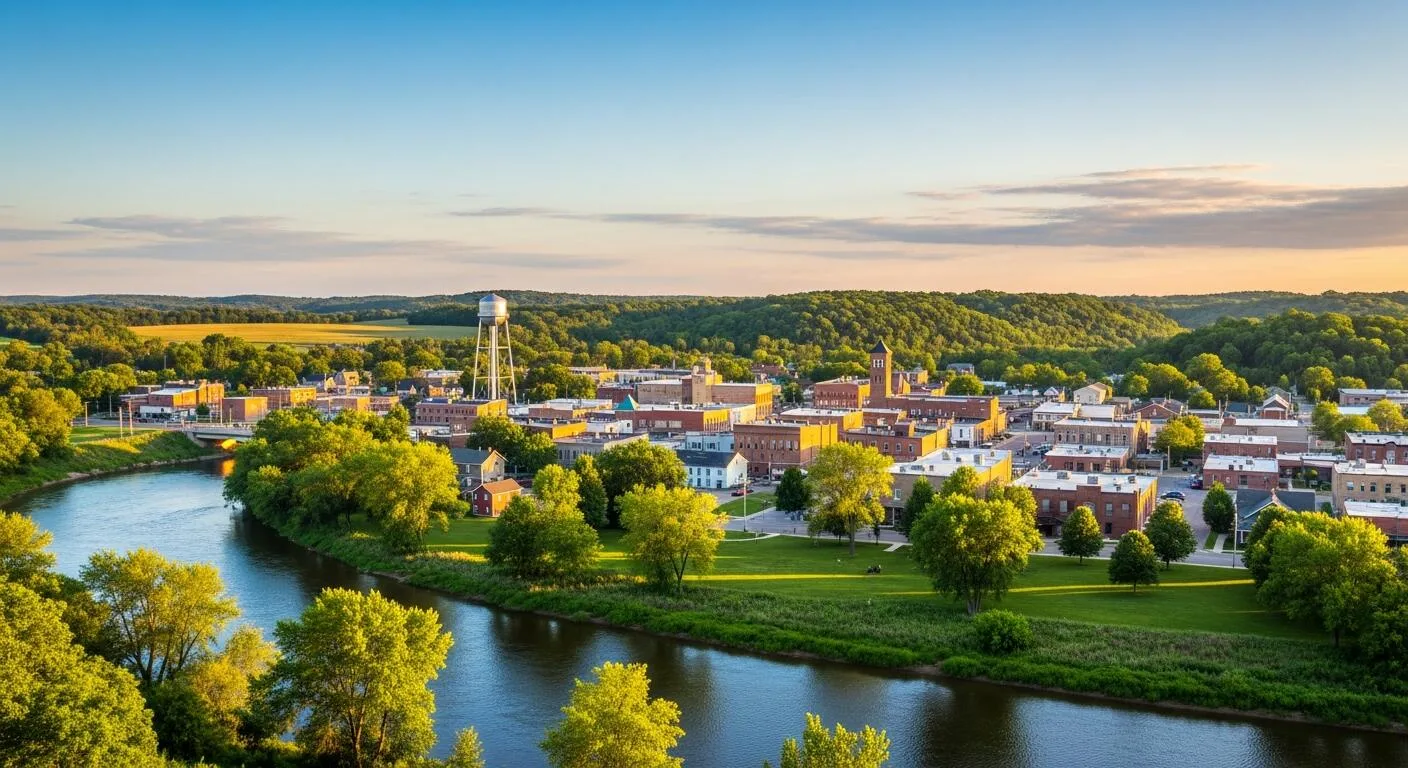
Isanti County sits in east-central Minnesota along the Rum River corridor, with a mix of sandy outwash soils, wetlands, and rural acreage. That geography creates predictable damage patterns.
Local Causes We Respond To Most
- Frozen and burst pipes - uninsulated crawl spaces, garage walls, and lake-property plumbing left unheated during deep January cold
- Ice dams - meltwater backing under shingles into ceilings and exterior wall cavities
- Sump pump overload - high water tables in spring saturating basements in Cambridge and Isanti subdivisions
- Septic and drain field failure - common on rural properties outside municipal sewer service, leading to sewage backup indoors
- Storm and wind damage - summer thunderstorms, hail, and downed limbs opening roofs to rain intrusion
- Heating equipment fires - wood stoves, furnaces, and space heaters during long heating seasons
- Lightning strikes - a real risk for rural properties and outbuildings with limited surge protection
Warning Signs Worth Acting On
- Musty or earthy odors in basements, closets, or near baseboards
- Discolored rings or bubbling paint on ceilings beneath bathrooms or roof lines
- Floor drains that gurgle or drain slowly when laundry runs
- Persistent condensation on basement walls or window wells
- Lingering smoke smell that returns on humid days after a small kitchen or furnace fire
- Warped hardwood, cupping laminate, or soft spots underfoot
Any of these signals hidden moisture. Moisture meters and thermal imaging confirm what the eye cannot see behind finished walls.
Neighborhoods We Serve in Isanti County
Crews cover the entire county and nearby communities, including rural addresses and township roads.
- Cambridge - downtown commercial buildings, older residential blocks, and newer developments off Highway 95
- Isanti - established neighborhoods and growing subdivisions along Highway 65
- Braham - historic homes and small-town commercial properties
- North Branch and Stanchfield - rural acreage with private wells and septic systems
- Dalbo, Grandy, Bradford, and Spencer Brook - farmsteads, outbuildings, and hobby-farm properties
- Athens, Wyanett, and Stanford Townships - lake and river-adjacent homes near the Rum River
- Surrounding regions - Chisago, Kanabec, Mille Lacs, Sherburne, and Anoka County communities
Response teams stage equipment regionally so drying gear, extraction units, and air scrubbers reach both in-town and remote county properties without long delays.
Seasonal Damage Patterns in Isanti County
Winter (December - February)
- Frozen pipe bursts during subzero stretches and wind chill events
- Ice dam leaks into attic insulation and upper-floor ceilings
- Heating-related fires from furnaces, wood stoves, and chimneys
- Smoke damage from puff-backs when oil or gas systems misfire
Spring (March - May)
- Snowmelt plus rain overwhelming sump pumps and flooding basements
- Rum River and tributary rises affecting low-lying properties
- Sewage backups when saturated ground stresses septic drain fields
- Mold growth surfacing from winter moisture trapped in wall cavities
Summer (June - August)
- Severe thunderstorms, hail, and straight-line wind driving rain through damaged roofs
- Power outages disabling sump pumps mid-storm
- High humidity accelerating mold in basements and crawl spaces
- Grilling, fire pit, and lightning-related fire calls
Fall (September - November)
- Clogged gutters and downspouts pushing water against foundations
- First-use furnace and fireplace incidents producing soot and smoke odor
- Freeze-thaw cycles opening foundation cracks before winter
Housing Characteristics & Restoration Considerations
Isanti County housing spans century-old farmhouses to subdivisions built during the 1990s and 2000s growth wave along the Highway 65 corridor. Each construction era responds differently to water, fire, and mold.
Older Homes (pre-1960)
- Fieldstone or block foundations prone to seepage and efflorescence
- Plaster and lath walls that hold moisture longer than drywall
- Balloon framing that lets smoke and fire travel vertically between floors
- Possible asbestos-containing materials and lead paint requiring careful handling during demolition
- Cast iron and galvanized drain lines vulnerable to sewage backups
Mid-Century and 1970s - 1980s Homes
- Finished basements with paneling and carpet that trap water against foundation walls
- Original poly vapor barriers that hide mold behind studs
- Aging water heaters, supply lines, and washing machine hoses
Newer Construction and Rural Builds
- Tight building envelopes that hold humidity when ventilation underperforms
- Walkout basements and daylight windows exposed to grade-level runoff
- Engineered wood subfloor and I-joists that delaminate quickly when saturated
- Pole barns, detached garages, and shops with limited fire separation
Restoration plans account for these differences - drying a plaster wall takes a different approach than drying drywall over a poly barrier, and containment for mold removal in a balloon-framed farmhouse requires extra sealing at every floor level.
Environmental Conditions & Damage Implications
Local climate and ground conditions shape how quickly damage develops and how drying is engineered.
Climate
- Cold, dry winters with extended subzero periods that stress plumbing
- Warm, humid summers where indoor dew points feed mold growth
- Roughly 30 inches of annual precipitation plus substantial snowfall to melt each spring
- Sharp freeze-thaw swings in March and November that crack foundations and driveways
Soil and Groundwater
- Sandy outwash and glacial till soils that drain unevenly across the county
- Shallow water tables near the Rum River, Green Lake, Long Lake, and wetland areas
- Clay pockets that hold water against foundation walls and raise hydrostatic pressure
- High groundwater limiting septic performance during wet seasons
Water and Air Quality
- Private wells common outside city limits - contaminated flooding calls for well testing after sewage events
- Iron and hardness in local water leaving staining that complicates water damage cleanup
- Rural air quality generally strong, though wildfire smoke drift and agricultural dust can worsen indoor conditions after a fire
- Radon risk across east-central Minnesota, which affects basement ventilation strategy during and after mold removal
Drying plans use these factors to size dehumidification, set target moisture content, and decide whether contaminated materials should be removed rather than dried in place.
Start-to-Finish Restoration and Insurance Coordination for Isanti County Property Owners
The hardest part of a loss is rarely the first day. It is the weeks afterward - adjuster calls, scope disagreements, and finding a contractor to rebuild what mitigation crews removed.
A single-source restoration provider handles both halves of the job.
How the Process Works
- Emergency call, day or night - dispatch to Cambridge, Isanti, Braham, and rural addresses around the clock
- Stabilize the property - water shutoff, board-up, roof tarping, and temporary power as needed
- Document the loss - photos, moisture mapping, thermal imaging, and a written scope for your carrier
- Extract and remove - standing water pumped out, unsalvageable materials removed under containment for sewage or mold work
- Dry and clean - air movers, dehumidifiers, HEPA scrubbers, soot removal, and odor treatment with daily moisture readings
- Verify results - drying logs and post-remediation checks before walls close up
- Rebuild - drywall, flooring, cabinetry, trim, paint, and finish carpentry back to pre-loss condition
What Comprehensive Service Means Here
- Direct communication with your insurance adjuster using industry-standard estimating formats
- One point of contact from the first phone call through the final walkthrough
- Coordination with county building officials and permit requirements for structural rebuilds
- Septic and well specialists brought in when rural sewage cleanup requires them
- Contents handling - pack-out, cleaning, and storage of salvageable belongings
- Prevention guidance afterward, including sump pump backup options, pipe insulation, and grading corrections
Whether it is a flooded basement in a Cambridge subdivision, a kitchen fire on a Stanchfield farmstead, or hidden mold behind a Braham bathroom wall, the goal is the same - get the property dry, safe, and rebuilt without you managing the pieces yourself.