
Damage Restoration in East Grand Forks, MN
- Damage Restoration Services Overview
- Common Damage Restoration Issues in East Grand Forks, Minnesota
- Neighborhoods We Serve in East Grand Forks
- Seasonal Damage Patterns in East Grand Forks
- Housing Characteristics & Restoration Considerations
- Environmental Conditions & Damage Implications
- Flood-Zone Readiness and Start-to-Finish Restoration in the Red River Valley
Damage Restoration Services Overview
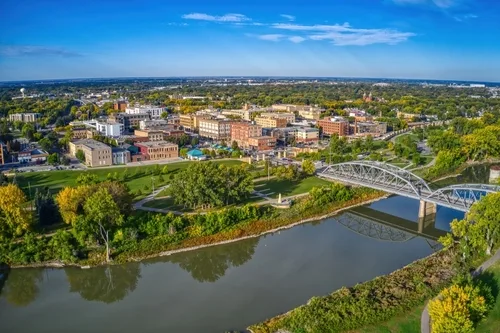
East Grand Forks sits at the confluence of the Red River of the North and the Red Lake River - a location that shapes nearly every restoration call placed in this community. Flat terrain, heavy clay soils, spring snowmelt, and long sub-zero winters combine to create conditions where water finds its way into homes and businesses in ways that surprise even longtime residents.
Restoration work here spans the full range of property emergencies:
- Water Damage Restoration - burst supply lines, failed water heaters, ice-dam leaks, and appliance overflows extracted and dried before materials warp or delaminate
- Flooded Basement Recovery - sump pump failures, foundation seepage, and river-driven groundwater pressure addressed with high-volume extraction and structural drying
- Sewage Cleanup - backups from saturated municipal lines or failed floor drains handled with containment, disinfection, and safe disposal of porous materials
- Fire Damage Restoration - structural stabilization, debris removal, and rebuilding after furnace, kitchen, or electrical fires
- Smoke Damage Restoration - soot removal, thermal fogging, and odor neutralization in areas untouched by flames
- Mold Removal - containment, HEPA filtration, and antimicrobial treatment of hidden growth behind walls and under flooring
The benefit for property owners is straightforward: fast moisture control protects framing, drywall, and insulation from secondary damage, while documented mitigation supports smoother insurance claims.
Common Damage Restoration Issues in East Grand Forks, Minnesota
The 1997 flood reshaped this city permanently, and the lessons from it still guide how properties are protected and restored today. Even with dikes and improved flood control, the underlying conditions that cause interior water problems remain.
Local Causes of Property Damage
- Rapid spring snowmelt saturating clay soils that drain slowly, pushing hydrostatic pressure against foundation walls
- Frozen and burst pipes in exterior walls, crawl spaces, and unheated garages during January and February cold snaps
- Ice dams along north-facing rooflines forcing meltwater beneath shingles and into ceilings
- Sump pump failure or power loss during storms, leaving basements without their only line of defense
- Sanitary sewer surcharge during heavy rain events, sending contaminated water up through floor drains
- Heating equipment fires and puffbacks from furnaces and boilers running hard through long winters
- Cooking fires that spread greasy soot residue through duct systems into every room
Warning Signs Worth Acting On
- Efflorescence, chalky white staining, or dampness along basement block walls
- A musty odor in the basement or near HVAC returns, often the first evidence of hidden mold
- Buckled baseboards, cupping hardwood, or soft spots in subfloor
- Slow floor drains or gurgling sounds from plumbing fixtures before a backup occurs
- Yellow-brown staining on ceilings that reappears after each thaw
- Lingering smoke odor that intensifies with humidity, signaling soot still embedded in porous surfaces
Catching these early is what separates a targeted drying project from a full-scale reconstruction.
Neighborhoods We Serve in East Grand Forks
Restoration crews respond throughout East Grand Forks and the surrounding Polk County and Grand Forks County region.
- Downtown and the Riverfront district - older commercial buildings and mixed-use properties near the levee system
- The Point and older north-side blocks - established housing with mature trees and legacy plumbing
- Riverside and Sherlock Park areas - neighborhoods rebuilt and redeveloped after the 1997 flood
- South and southeast additions - newer subdivisions with finished basements and modern mechanical systems
- Rural Polk County properties - acreages and farmsteads with private wells and septic systems
Service also extends across the bridge into Grand Forks, North Dakota, plus nearby communities including Fisher, Crookston, Thief River Falls area properties, Manvel, and the smaller townships along the Red Lake River. Familiarity with local building stock, city sewer infrastructure, and regional contractors keeps projects moving without unnecessary delays.
Seasonal Damage Patterns in East Grand Forks
Winter (December - February)
- Frozen and burst pipes during extended sub-zero stretches
- Ice dam leaks into attics, ceilings, and exterior wall cavities
- Furnace puffbacks and heating-related fire and smoke damage
- Space heater and fireplace incidents during cold snaps
Spring (March - May)
- Peak season for flooded basements as snowmelt and river levels rise
- Sump pump overload and failure
- Sewage backups when combined runoff surcharges sanitary lines
- Foundation seepage through cracks in saturated clay soil
Summer (June - August)
- Thunderstorm downpours overwhelming gutters, window wells, and drainage
- Mold growth accelerating in humid basements and crawl spaces
- Lightning strikes and electrical fires
- Air conditioning condensate line clogs causing slow, hidden leaks
Fall (September - November)
- Clogged gutters directing water toward foundations
- First-use furnace malfunctions producing soot and smoke odor
- Hose bibs left connected leading to early freeze breaks
- Ideal window for mold inspection and basement waterproofing repairs
Housing Characteristics & Restoration Considerations
East Grand Forks housing stock tells the story of a city that lost roughly 400 units in the 1997 flood - many of them older, affordable homes that were never replaced one-for-one. The result is a split inventory of pre-1960 construction alongside post-flood rebuilds.
Older Homes (pre-1970)
- Concrete block or poured foundations with cold joints prone to seepage
- Plaster-and-lath walls that hold moisture longer than modern drywall
- Galvanized or early copper supply lines vulnerable to freeze rupture
- Cast iron drain stacks susceptible to scale buildup and backups
- Possible asbestos-containing floor tile, mastic, or pipe wrap requiring testing before demolition
- Knob-and-tube or early wiring remnants raising fire risk
Post-1997 and Newer Construction
- Tighter building envelopes that trap moisture and amplify smoke odor circulation
- Finished basements with carpet, laminate, and framed walls that absorb flood water quickly
- Engineered wood products that swell and lose structural integrity when saturated
- Higher foundation elevations and improved backflow protection in many rebuilt areas
How This Shapes Restoration
- Moisture mapping identifies wet cavities behind plaster or vapor barriers before drying equipment is placed
- Selective demolition removes unsalvageable materials while preserving original trim and millwork where possible
- Antimicrobial application targets framing exposed during removal
- Reconstruction matches existing finishes so repairs blend with the rest of the home
Environmental Conditions & Damage Implications
The Red River Valley's environment creates a distinct set of restoration challenges that generic drying approaches simply do not address well.
Soil and Groundwater
- Lake Agassiz lakebed clay expands when wet and shrinks when dry, stressing foundation walls and opening seepage paths
- Extremely flat topography means surface water lingers rather than draining away from structures
- High seasonal water tables push groundwater against basement floors and footings
Climate
- Temperature swings exceeding 100 degrees annually, driving freeze-thaw cracking in concrete and masonry
- Humid summers that sustain mold growth once materials stay damp beyond a couple of days
- Dry, heated winter air that pulls smoke odor deeper into porous materials and complicates deodorization
Air and Water Quality Factors
- Agricultural dust and spring pollen loading HVAC filters and duct systems, worsening post-fire particulate spread
- Hard water mineral content contributing to appliance and water heater failures
- Rural properties on wells and septic systems facing contamination risk when flood water intrudes
What This Means for Your Property
Drying plans account for cold-weather dehumidification limits, using desiccant equipment when refrigerant units lose efficiency. Mold remediation includes containment barriers and negative air machines so spores are not distributed through tight, forced-air homes. Sewage and flood water is always treated as contaminated given the mix of agricultural runoff and municipal overflow common in this valley.
Flood-Zone Readiness and Start-to-Finish Restoration in the Red River Valley
Living in a valley shaped by two rivers means property owners here think about water differently than most. The dikes and floodwalls protect the city, but interior water losses - burst pipes, sump failures, sewer backups - happen year-round regardless of river stage. The problem is that these events rarely stay simple. Water sits, materials absorb it, and within days mold colonies form inside wall cavities where nobody is looking.
A Complete Restoration Process
- Emergency response - crews dispatched around the clock to stop the source and prevent further intrusion
- Assessment and documentation - moisture meters, thermal imaging, and photographic records that support your insurance claim
- Water extraction - truck-mounted and portable units removing standing water from basements and living spaces
- Containment and safety - barriers, negative air, and personal protective protocols for sewage or mold-affected areas
- Structural drying - air movers, dehumidifiers, and daily moisture readings until materials reach dry standard
- Cleaning and decontamination - antimicrobial treatment, soot removal, HEPA vacuuming, and duct cleaning after fire or smoke events
- Deodorization - hydroxyl or ozone treatment and thermal fogging to eliminate smoke odor at the molecular level
- Reconstruction - drywall, flooring, cabinetry, paint, and trim returning the property to pre-loss condition
Why Single-Source Service Matters Here
- One point of contact from the first phone call through final walkthrough
- No gaps between mitigation and rebuild where mold can take hold
- Direct coordination with adjusters familiar with Polk County claims
- Content pack-out, cleaning, and storage for salvageable belongings
- Recommendations for backflow valves, battery-backup sump pumps, and grading improvements to reduce repeat losses
The outcome property owners want is not just dry drywall - it is a home that smells clean, tests clear, and feels safe again for the family living in it.





