
Damage Restoration in North Mankato, MN
- Damage Restoration Services Overview
- Common Damage Restoration Issues in North Mankato, Minnesota
- Neighborhoods We Serve in North Mankato
- Seasonal Damage Patterns in North Mankato
- Seasonal Damage Patterns in North Mankato
- Housing Characteristics & Restoration Considerations
- Environmental Conditions & Damage Implications
- Handling Sewer Backups and Basement Flooding Below the Bluff
Damage Restoration Services Overview
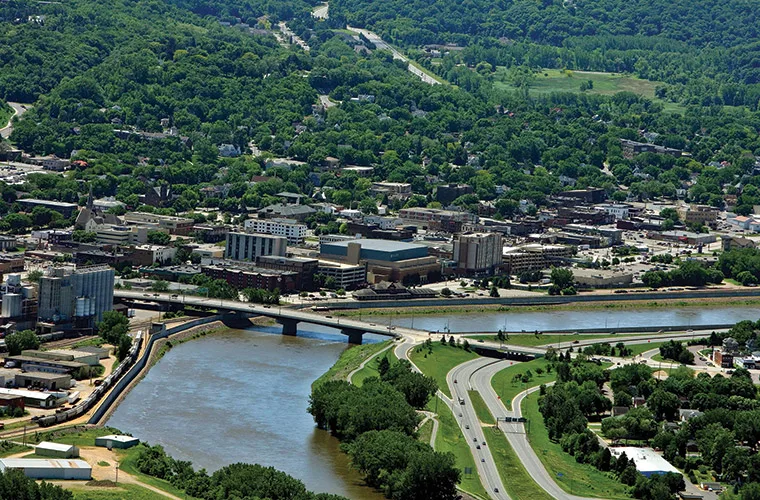
What would you do if you walked into your lower level tomorrow morning and found two inches of standing water spreading across the carpet? For North Mankato homeowners, that scenario is far from hypothetical - sitting between the Minnesota River bluffs and a climate that swings from deep freeze to heavy thunderstorm season, properties here face a wide spectrum of damage risks.
Restoration work covers far more than drying a wet floor. A complete response addresses structure, contents, air quality, and the hidden moisture that causes secondary problems weeks later.
- Water Damage Restoration - extraction, structural drying, and moisture mapping after burst pipes, appliance failures, or roof leaks
- Flooded Basement - pumping, sump failure cleanup, and drying of below-grade spaces common in bluff-side homes
- Sewage Cleanup - safe removal of contaminated material, antimicrobial treatment, and disinfection after backups
- Fire Damage Restoration - debris removal, structural cleaning, board-up, and contents recovery
- Smoke Damage Restoration - soot removal from surfaces and HVAC systems, plus odor neutralization
- Mold Removal - containment, source correction, and removal of affected materials
The benefit of coordinated service is simple: fewer handoffs, faster drying, and a clearer path back to a livable, healthy home or a business that reopens its doors.
Common Damage Restoration Issues in North Mankato, Minnesota
Local geography drives most damage calls. Homes near the river valley, along Belgrade Avenue, and up on the bluff each face different pressures - and each requires a different repair approach.
Frequent Causes of Loss
- Frozen and burst supply lines in uninsulated crawl spaces, garages, and exterior walls during January cold snaps
- Sump pump failure during spring snowmelt or summer downpours, leading to flooded basements
- Municipal and lateral sewer backups when heavy rain overloads systems, pushing contaminated water into floor drains
- Hydrostatic pressure forcing groundwater through foundation cracks in clay-heavy soils
- Kitchen and heating-appliance fires, more common during winter months when furnaces, space heaters, and fireplaces run constantly
- Smoke migration through forced-air ductwork, spreading odor into rooms untouched by flame
- Hidden mold growth behind finished basement paneling, under vinyl flooring, and around window wells
Warning Signs Worth Acting On
- Musty smell that intensifies when the furnace or AC cycles on
- Efflorescence - white chalky residue - on basement block walls
- Buckling baseboards, cupped hardwood, or bubbling paint
- Gurgling floor drains or slow-draining fixtures after a storm
- Soot film on window glass, lampshades, or above door frames
- Recurring allergy symptoms that ease when you leave the house
Catching these early usually means drying and cleaning rather than demolition and rebuild.
Neighborhoods We Serve in North Mankato
Response coverage spans the full city and the surrounding Nicollet and Blue Earth County communities.
- Lower North - older river-valley homes with block foundations and mature trees
- Upper North / Hilltop - post-1960s split-levels and ramblers along Lookout Drive and Howard Drive
- Belgrade Avenue corridor - mixed commercial storefronts, apartments, and restaurants
- Wheeler Park and Caswell Park areas - established residential blocks near recreational green space
- Spring Lake Park neighborhood - lakeside properties with elevated groundwater concerns
- Bluff Ridge and newer north-end developments - modern construction with finished lower levels
Service also extends across the river into Mankato, plus Skyline, Eagle Lake, Courtland, Nicollet, St. Peter, and Lake Crystal. Knowing which neighborhood a call comes from shapes the plan before the truck arrives - a Lower North basement gets a very different drying strategy than a hilltop walkout.
Seasonal Damage Patterns in North Mankato
Seasonal Damage Patterns in North Mankato
Damage in southern Minnesota follows a predictable annual rhythm. Knowing the cycle helps property owners prepare instead of react.
- December through February - Frozen pipes, ice dams pushing meltwater under shingles, and a spike in fire and smoke damage from heating equipment, cooking, and holiday decorations.
- March and April - Snowmelt combined with still-frozen ground sends runoff toward foundations. Flooded basements and sump pump overload peak here, along with early sewer backups.
- May through July - Severe thunderstorms, straight-line winds, and hail create roof leaks and wind-driven water intrusion. Saturated soils raise groundwater levels.
- July and August - Heat and humidity turn earlier moisture into active mold growth. Condensation on ductwork and cold-water lines feeds hidden colonies.
- September and October - Steady autumn rain tests foundation waterproofing. A good window for inspections, drain cleaning, and sump testing.
- November - First hard freezes catch unwinterized hose bibs and vacant properties, restarting the water damage cycle.
Scheduling preventive checks just ahead of each transition point reduces both the frequency and severity of losses.
Housing Characteristics & Restoration Considerations
North Mankato's housing stock spans well over a century of building practices, and each era responds differently to water, smoke, and microbial growth.
Common Construction Types
- Pre-1940 valley homes - stone or brick foundations, balloon framing, plaster walls, and sometimes knob-and-tube remnants. Balloon framing lets smoke and fire travel vertically inside wall cavities, so thermal imaging and selective demolition matter.
- 1950s-1970s ramblers and split-levels - concrete block basements, original cast iron drain lines prone to backup, and asbestos-containing floor tile that requires testing before removal.
- 1980s-2000s two-stories - poured foundations, finished lower levels with carpet and drywall that wick water fast, and forced-air systems that distribute soot quickly.
- Newer builds and townhomes - tight envelopes and spray foam that trap moisture, making documented drying essential to prevent mold behind sealed assemblies.
How Age Shapes the Restoration Plan
- Identify materials - plaster, lath, engineered wood, and OSB each dry at different rates.
- Test suspect materials in older homes before cutting or sanding.
- Choose drying equipment based on cavity access rather than square footage alone.
- Verify results with moisture meters, not appearance.
- Rebuild to current Minnesota code, including egress, insulation, and vapor barrier requirements.
Understanding local building codes and how bluff-area homes were originally constructed shortens the timeline and prevents repeat damage in the same spot.
Environmental Conditions & Damage Implications
The environment around North Mankato works against drying property owners more often than it helps.
Climate and Moisture Load
- Humid continental climate with roughly 30-plus inches of annual precipitation, much of it concentrated in spring and summer storms
- Summer dew points frequently in the upper 60s, which slows evaporation and demands dehumidification rather than open windows
- Winter indoor humidity swings that condense on cold exterior walls and window frames, seeding mold behind furniture
- Freeze-thaw cycling that widens foundation cracks season after season
Soil, Water, and Air Factors
- Clay-rich glacial and loess soils hold water against foundations and expand when saturated, increasing hydrostatic pressure on basement walls
- River valley groundwater sits high in Lower North, making perimeter drainage and reliable sump systems non-negotiable
- Hard municipal water shortens the life of water heaters and supply connections - a leading cause of sudden indoor flooding
- Agricultural dust and seasonal pollen settle in ductwork and combine with soot after a fire, complicating odor removal
- Radon-prone geology means basement work should account for sub-slab systems during any lower-level rebuild
The practical benefit of accounting for these conditions is durability. Drying to a documented standard, correcting grading and drainage, and sealing entry points means the same basement does not flood again the following spring - and mold does not return once the humid months arrive.
Handling Sewer Backups and Basement Flooding Below the Bluff
Few losses upset a household faster than contaminated water rising through a floor drain. In North Mankato, this happens most often when intense rainfall overwhelms combined storm and sanitary capacity, or when tree roots choke an aging clay lateral line between the house and the main.
The Problem
- Category 3 water carries bacteria and requires removal of porous materials - carpet, pad, drywall bottoms, and particleboard
- Finished basements multiply losses because framing, insulation, and stored belongings absorb contamination
- Delay allows wicking up wall cavities, turning a two-foot cut into a four-foot one
- Mold can establish within a couple of days in warm, humid lower levels
The Response Process
- Stop the source - shut off water use, clear or bypass the blocked line, and confirm the system is stable.
- Extract standing water with truck-mounted or portable pumps while documenting depth and affected areas.
- Remove contaminated porous materials and bag them for proper disposal.
- Clean and disinfect all remaining surfaces with EPA-registered antimicrobials.
- Set containment, air movers, dehumidifiers, and HEPA air scrubbers sized to the space.
- Monitor daily with moisture meters until readings match dry standard.
- Rebuild with more resilient choices - closed-cell insulation, treated framing, tile or LVP flooring, and elevated storage.
The Benefit
- A sanitized, verifiably dry space rather than one that merely looks clean
- Thorough photo and moisture documentation for insurance claims
- Prevention recommendations - backflow valves, battery-backup sump pumps, extended downspouts, and regrading - tailored to your lot
- Coordinated handling of any fire, smoke, or mold issues discovered along the way, so one team sees the project through





