
Damage Restoration in Wyoming, MN
- Damage Restoration Services Overview
- Common Damage Restoration Issues in Wyoming, Minnesota
- Neighborhoods We Serve in Wyoming
- Seasonal Damage Patterns in Wyoming
- Housing Characteristics & Restoration Considerations
- Environmental Conditions & Damage Implications
- Storm Season Response and Insurance Documentation for Wyoming Property Owners
Damage Restoration Services Overview
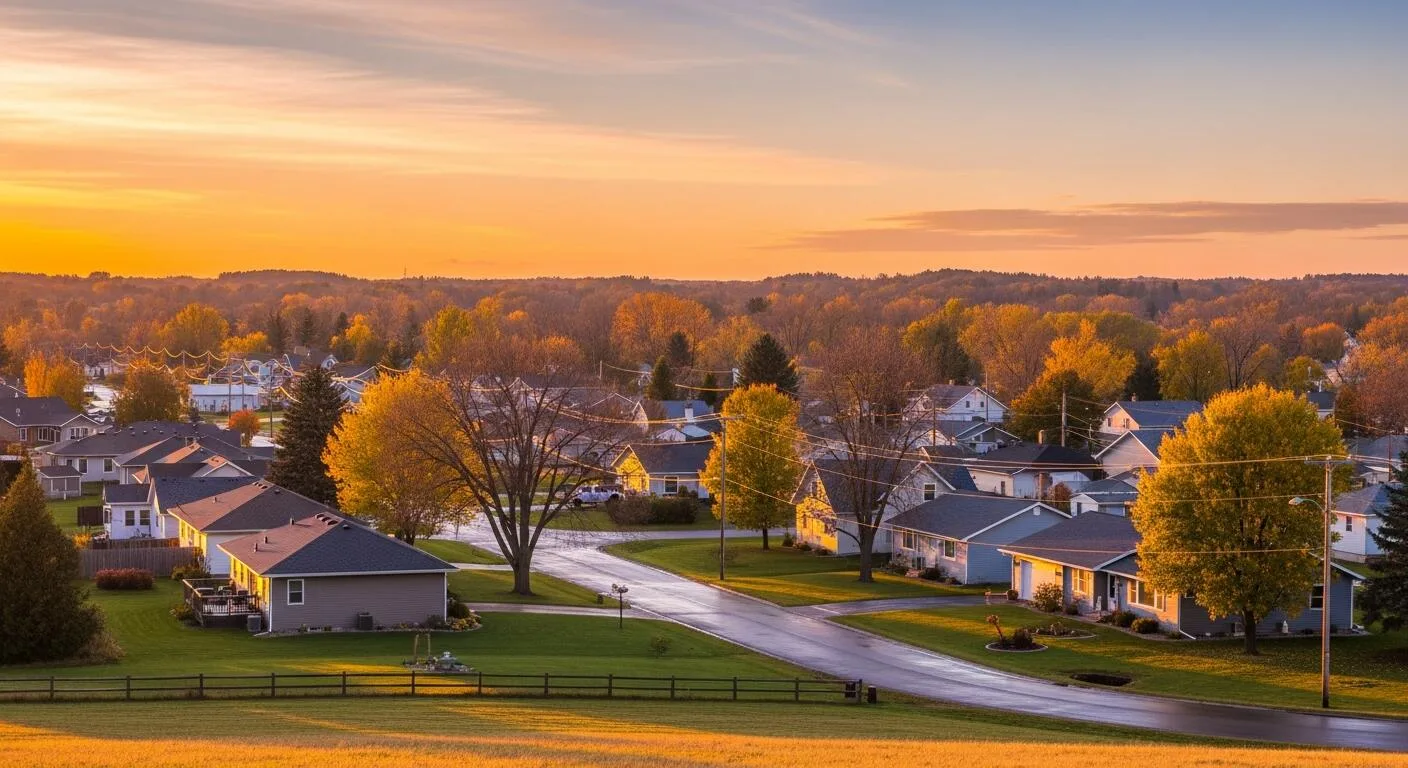
Chisago County sits in a part of Minnesota where frost regularly drives four feet or deeper into the ground - deep enough to shift foundations, crack buried water lines, and push groundwater against basement walls long after the surface has thawed. That single geological reality explains why so many Wyoming property owners deal with water intrusion, mold growth, and sewer backups within the same calendar year.
Restoration work in Wyoming, MN covers a connected set of services, each addressing a different stage or source of property loss:
- Water Damage Restoration - extraction, structural drying, and moisture mapping after leaks, appliance failures, and storm intrusion
- Flooded Basement Recovery - pump-out, contents handling, and drying of below-grade living and storage space
- Sewage Cleanup - containment, removal of contaminated materials, and antimicrobial treatment of affected areas
- Fire Damage Restoration - debris removal, structural cleaning, and rebuilding of charred assemblies
- Smoke Damage Restoration - soot removal from surfaces, HVAC decontamination, and odor neutralization
- Mold Removal - containment barriers, HEPA filtration, material removal, and moisture-source correction
Acting quickly matters because these problems compound. Standing water becomes mold within days; smoke residue becomes permanent staining; a sewage backup left untreated contaminates framing and subfloor. Fast, sequenced response protects both the building and the household budget.
Common Damage Restoration Issues in Wyoming, Minnesota
Wyoming's mix of older farmhouse stock, 1990s-2000s subdivision construction, and rural properties on private wells and septic systems creates a distinct set of recurring problems.
Leading Causes of Property Damage Locally
- Frozen and burst supply lines in uninsulated crawl spaces, garage walls, and exterior hose bibs during January and February cold snaps
- Spring snowmelt saturation pushing water through foundation cracks, window wells, and cove joints
- Sump pump failure during heavy rain events, especially when power flickers during summer thunderstorms
- Septic system backups on rural parcels where drainfields are saturated or roots have infiltrated laterals
- Municipal sewer surcharge in older neighborhoods during intense rainfall
- Ice damming along north-facing rooflines, forcing meltwater under shingles and into wall cavities
- Heating-season fires from wood stoves, space heaters, chimney creosote, and dryer vent lint
- Hail and wind-driven rain after severe storms that breach roofing and siding - a well-known concern across the Greater Minneapolis metro corridor
Warning Signs Worth Investigating
- Musty odor in the basement that intensifies after rain
- Efflorescence, white chalky residue, or bubbling paint on foundation walls
- Buckled laminate, cupped hardwood, or soft spots in subfloor near plumbing walls
- Slow floor drains or gurgling fixtures - often the first sign of a sewer or septic issue
- Yellowish staining on ceilings following a smoke event, indicating residue still trapped in porous surfaces
- Persistent respiratory irritation that improves when occupants leave the house
Neighborhoods We Serve in Wyoming
Restoration crews reach properties throughout the Wyoming area and neighboring Chisago and Anoka County communities.
- Downtown Wyoming and the corridor along Viking Boulevard
- Neighborhoods near 260th Street and Forest Boulevard
- Residential developments east and west of Interstate 35
- Lakeside and wooded acreage properties toward Comfort Lake and Fish Lake
- Rural parcels on township roads with private wells and septic systems
- Adjacent communities including Forest Lake, Chisago City, Lindstrom, Stacy, North Branch, Columbus, Linwood Township, and Scandia
Local familiarity speeds up every job. Knowing which streets sit on heavy clay, which subdivisions were built with block foundations versus poured walls, and which areas rely on septic rather than municipal sewer allows a technician to anticipate conditions before the truck arrives.
Seasonal Damage Patterns in Wyoming
Damage types in Wyoming follow a predictable annual rhythm shaped by Minnesota's temperature swings.
- December through February - burst pipes, ice dams, chimney and space heater fires, and smoke damage from furnace puff-backs top the list
- March and April - snowmelt plus frozen ground produces the year's highest volume of flooded basements and foundation seepage calls
- May and June - saturated soil, heavy spring rains, sump pump overload, and the first significant mold growth from winter moisture left undried
- July and August - severe thunderstorms, hail, wind-driven rain through damaged roofing, power outages disabling sump pumps, and sewer surcharge events
- September and October - mold discovery season as humidity drops and homeowners reopen closed-up basements; septic drainfield issues surface after a wet summer
- November - early freeze damage to exterior plumbing and the start of heating appliance incidents
Humidity swings matter as much as rainfall. A Wyoming basement that reads 65 percent relative humidity in July can support active mold colonies even without a single visible leak.
Housing Characteristics & Restoration Considerations
Wyoming's housing stock spans more than a century, and building age directly determines restoration strategy.
Common Construction Types
- Pre-1950 farmhouses and village homes - fieldstone or block foundations, balloon framing, plaster walls, knob-and-tube remnants, and limited insulation
- 1960s-1980s ramblers and split-levels - block basements, finished lower levels with paneling, and original galvanized or early copper plumbing
- 1990s-2010s subdivision homes - poured concrete foundations, engineered floor trusses, vinyl siding, and finished basements with carpet and drywall
- Rural acreage properties - private wells, septic systems, pole buildings, and detached workshops
How Construction Affects Restoration
- Balloon framing lets fire, smoke, and water travel vertically inside wall cavities, requiring inspection well above and below the visible damage
- Block foundations hold water inside their cores, so drilling weep holes is often necessary for complete drying after a basement flood
- Finished basements with carpet pad, drywall, and batt insulation trap moisture; controlled demolition to the bottom of affected material prevents hidden mold
- Engineered floor trusses lose structural capacity quickly under fire exposure and need evaluation before rebuild
- Plaster and lath absorbs smoke odor deeply and may require sealing rather than surface cleaning alone
- Tight modern envelopes hold humidity longer, making mechanical dehumidification essential rather than optional
Environmental Conditions & Damage Implications
The land under Wyoming, Minnesota does as much to shape restoration work as the weather above it.
Local Conditions That Influence Damage
- Glacial till and clay-heavy soils drain slowly, holding water against foundation walls for days after a storm
- Sandy outwash pockets in parts of the area drain fast but allow rapid groundwater rise during wet cycles
- High seasonal water tables near Comfort Lake, Fish Lake, and Sunrise River wetlands increase hydrostatic pressure on below-grade walls
- Deep frost penetration heaves and cracks foundations, sidewalks, and buried utility lines
- Hard, mineral-rich well water accelerates corrosion in water heaters, valves, and supply fittings - a frequent source of sudden indoor flooding
- Wide humidity range from bone-dry winter air to muggy summer conditions, stressing wood assemblies and encouraging mold when moisture lingers
- Wildfire and agricultural smoke drift during late summer, which can settle particulate into homes with older or leaky windows
Practical Implications
- Drying plans must account for slow-releasing moisture in clay backfill and masonry
- Mold remediation without correcting the exterior grading or drainage source tends to fail within a season
- Sewage cleanup on private septic systems requires evaluating the drainfield, not just the interior mess
- Smoke odor treatment must include HVAC ductwork, since forced-air systems distribute residue throughout tightly sealed homes
Storm Season Response and Insurance Documentation for Wyoming Property Owners
Wyoming sits in a stretch of east-central Minnesota that regularly takes direct hits from hail and straight-line wind. Local contractors have built decades of experience around storm response - hail damage inspections, roof repair, siding replacement, and full storm damage restoration are standard offerings across the Greater Minneapolis metro, with some area firms carrying 50-plus years of history. What often gets overlooked is what happens inside the house after the roof is breached.
The Chain Reaction After a Storm
- Hail or wind compromises shingles, flashing, or siding
- Wind-driven rain enters the attic or wall cavity, often without visible ceiling staining at first
- Insulation becomes saturated and stops drying on its own
- Mold colonizes attic sheathing and wall cavities within days under warm conditions
- Water eventually tracks down to lower levels, damaging finishes and sometimes reaching the basement
Documentation That Supports a Claim
- Time-stamped photos of standing water, soot lines, or visible mold before any material is removed
- Moisture meter and thermal imaging readings showing the extent of saturation behind finishes
- A written inventory of damaged contents, separated from structural loss
- Daily drying logs recording equipment placement, temperature, and humidity readings
- Written cause-of-loss notes distinguishing sudden events from long-term seepage, since coverage often depends on that distinction
Why Local Knowledge Changes Outcomes
- Familiarity with Chisago County permitting and inspection expectations for rebuild work
- Understanding of which Wyoming neighborhoods run on municipal sewer versus septic, which changes sewage cleanup protocol
- Experience coordinating with area roofing, siding, and window contractors so the building envelope gets sealed before interior drying begins
- Awareness of how deep frost and clay soils affect long-term basement moisture, informing prevention recommendations after the immediate work is finished





