
Damage Restoration in North Branch, MN
- Damage Restoration Services Overview
- Common Damage Restoration Issues in North Branch, Minnesota
- Neighborhoods We Serve in North Branch
- Seasonal Damage Patterns in North Branch
- Housing Characteristics & Restoration Considerations
- Environmental Conditions & Damage Implications
- Sump Pumps, Septic Systems, and Spring Melt Preparation for North Branch Properties
Damage Restoration Services Overview
Water that sits for a weekend in a North Branch basement rarely stays a water problem. It becomes warped subfloor, delaminated drywall, corroded ductwork, and colonies of mold behind finished walls that surface months later as musty odors and stubborn allergy symptoms. Smoke residue behaves the same way - acidic soot keeps etching metal, glass, and painted surfaces long after the fire is out.
Restoration work in Chisago County covers a connected set of emergencies:
- Water Damage Restoration - extraction, structural drying, moisture mapping, and monitoring of framing and subfloors
- Flooded Basement - pump-out, contents handling, sump and drain evaluation, and drying of below-grade walls
- Sewage Cleanup - removal of contaminated materials, antimicrobial treatment, and safe disposal of Category 3 waste
- Fire Damage Restoration - stabilization, debris removal, structural repair, and rebuilding of damaged assemblies
- Smoke Damage Restoration - soot removal, thermal fogging, HVAC cleaning, and odor neutralization
- Mold Removal - containment, HEPA filtration, affected material removal, and moisture-source correction
Benefits for North Branch property owners include preserved resale value, healthier indoor air, fewer insurance disputes thanks to documented moisture readings, and structural repairs that address foundation cracks, settling, and wall movement rather than covering them up.
Common Damage Restoration Issues in North Branch, Minnesota
North Branch sits along the I-35 corridor between the Sunrise River and sandy glacial outwash plains, a combination that produces distinct restoration patterns.
Local Causes of Damage
- Spring snowmelt and Sunrise River backwater pushing groundwater against basement walls and through cove joints
- Deep frost heave that opens hairline foundation cracks and stresses buried water lines
- Ice dams on lower-slope roofs forcing meltwater under shingles and into wall cavities
- Summer thunderstorm downbursts that tear shingles, siding, and gutters loose, letting wind-driven rain enter
- Sump pump failure during multi-day power outages after storms
- Septic and private drainfield backups on rural parcels outside the municipal sewer district
- Wood stoves, fireplaces, and space heaters that cause winter fires and heavy smoke spread through forced-air ductwork
Warning Signs Worth Acting On
- Efflorescence, chalky white staining, or damp lines on block basement walls
- Doors and windows that suddenly stick, hinting at settling or moisture-swollen framing
- Musty smell that intensifies when the furnace or AC cycles on
- Gurgling floor drains or slow basement fixtures before a backup
- Yellow-brown ceiling rings after a thaw or heavy rain
- Sooty film on window glass or a smoke odor that returns on humid days
Neighborhoods We Serve in North Branch
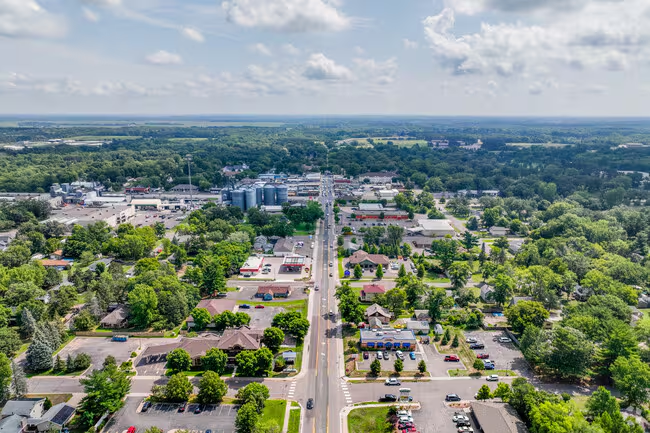
Response covers the full city footprint and surrounding Chisago County townships, including newer subdivisions and older farmsteads alike.
- Downtown North Branch and the Main Street corridor
- Neighborhoods east and west of the Highway 95 / I-35 interchange
- Sunrise and Sunrise River area properties
- Grandview, Meadow Ridge, and comparable residential developments
- Rural acreage in North Branch Township and Branch
- Nearby communities: Harris, Stacy, Rush City, Cambridge, Isanti, Wyoming, Chisago City, Center City, and Lindstrom
Commercial and light-industrial buildings near the outlet retail district and along the frontage roads receive the same emergency attention - restaurants, clinics, warehouses, and multi-tenant offices all face water intrusion, sewage backups, and smoke migration through shared mechanical systems.
Seasonal Damage Patterns in North Branch
- December through February - Frozen and burst supply lines in unheated crawl spaces, ice dam leaks along eaves, and heating-related fires that leave widespread smoke and soot residue.
- March and April - Peak flooded basement season. Snowmelt saturates sandy soils, groundwater rises, sump pumps run continuously, and municipal or septic lines surcharge into lower levels.
- May and June - Storm season brings hail, wind-driven rain, and roof breaches. Water travels down wall cavities and shows up far from the entry point.
- July and August - High dew points and humid air feed mold growth in basements, closets, and behind vinyl wallcoverings. Air conditioning condensate line clogs create slow, hidden leaks.
- September and October - Heavy fall rain tests grading and gutters; fire pits, grills, and first furnace startups produce smoke incidents.
- November - Freeze-thaw cycles reopen foundation cracks before the ground locks up for winter.
Housing Characteristics & Restoration Considerations
North Branch housing spans century-old farmhouses, 1970s-90s ramblers and split-levels, and a large wave of subdivision construction built during the corridor's growth years. Each type reacts differently to water, smoke, and microbial growth.
Older Farmhouses and Pre-1970 Homes
- Fieldstone or unreinforced block foundations prone to cracking, bowing, and seepage
- Balloon framing that lets smoke and water travel vertically between floors
- Plaster and lath that holds moisture and hides mold behind intact surfaces
- Cast iron and clay sewer laterals vulnerable to root intrusion and backups
1970s-1990s Ramblers and Split-Levels
- Finished lower levels with paneling, carpet pad, and studs set tight to block walls - all high-absorption materials
- Poured foundations with cold joints and rod-hole leaks
- Original furnaces and ductwork that spread soot and spores building-wide
Newer Subdivision Construction
- Tight building envelopes that trap humidity when drying is incomplete
- Engineered lumber, OSB, and I-joists that lose strength quickly with prolonged saturation
- Walkout and lookout basements where grading and window wells become water entry points
Restoration planning accounts for these differences: cavity drying with injection systems in plaster walls, controlled demolition of saturated insulation in finished basements, and structural evaluation when settling or foundation cracks accompany chronic moisture.
Environmental Conditions & Damage Implications
The local environment shapes how fast damage spreads and how drying must be handled.
Climate
- Cold continental winters with sustained subzero stretches that freeze pipes and drive ice dam formation
- Humid summers with dew points in the 60s and 70s, pushing indoor relative humidity above mold-growth thresholds
- Roughly 30 inches of annual precipitation plus 45-plus inches of snow, concentrating runoff in a short spring window
Soil and Groundwater
- Sandy and loamy glacial outwash soils that drain fast but transmit groundwater laterally toward foundations
- Pockets of clay and peat near wetlands and the Sunrise River that hold water and contribute to settling
- Seasonally high water tables that overwhelm drain tile and sump systems during melt events
Water and Air Quality
- Hard, iron-rich well water on rural properties, leaving staining and encouraging bacterial slime in drains
- Private septic systems that fail under saturated soil conditions, producing Category 3 sewage backups
- Rural air with seasonal pollen and agricultural dust that combines with soot after a fire, complicating cleaning
These conditions mean drying targets must be set to local seasonal norms - a basement dried in August needs dehumidification, not open windows - and mold clearance depends on correcting the groundwater or condensation source, not just removing visible growth.
Sump Pumps, Septic Systems, and Spring Melt Preparation for North Branch Properties
The single largest driver of emergency calls in this area is the March-April melt, when frozen ground blocks infiltration and water has nowhere to go but toward basements. Preparation before the thaw reduces both the odds and the severity of a loss.
Pre-Melt Checklist
- Test the sump pump by filling the pit and confirming the float, check valve, and discharge all operate.
- Verify the discharge line exits well away from the foundation and is not frozen or buried under a snowbank.
- Add battery or water-powered backup for outage protection during spring storms.
- Clear snow three to six feet back from foundation walls and window wells.
- Extend downspouts and check that grading still slopes away after freeze-thaw movement.
- Inspect foundation walls for new cracks, bowing, or shifting that appeared over winter.
- Install a backwater valve or confirm floor drain plugs are serviceable if backups have occurred before.
- Have septic tanks pumped on schedule and keep drainfields free of compaction and snow-piled traffic.
What Happens When Water Still Gets In
- Documentation first - moisture meter readings, thermal imaging, and photos support the insurance claim
- Category determination - clean groundwater, gray water, and sewage each require different removal and disinfection protocols
- Controlled removal - saturated carpet pad, fiberglass insulation, and wicked drywall come out; salvageable framing stays and gets dried
- Structural drying - air movers and low-grain refrigerant dehumidifiers run until materials hit dry standard, verified daily
- Microbial prevention - antimicrobial application and HEPA filtration during the drying window
- Repair and rebuild - foundation crack sealing, wall reconstruction, flooring, and finish work to return the space to pre-loss condition
The same disciplined sequence applies after fire and smoke events, where soot cleaning, duct decontamination, and odor treatment must be finished before rebuilding begins - otherwise the smell returns behind fresh paint.





