
Damage Restoration in Lindstrom, MN
- Damage Restoration Services Overview
- Common Damage Restoration Issues in Lindstrom, Minnesota
- Neighborhoods We Serve in Lindstrom
- Seasonal Damage Patterns in Lindstrom
- Housing Characteristics & Restoration Considerations
- Environmental Conditions & Damage Implications
- Moisture Verification and Documented Drying in Chisago Lakes Homes
Damage Restoration Services Overview
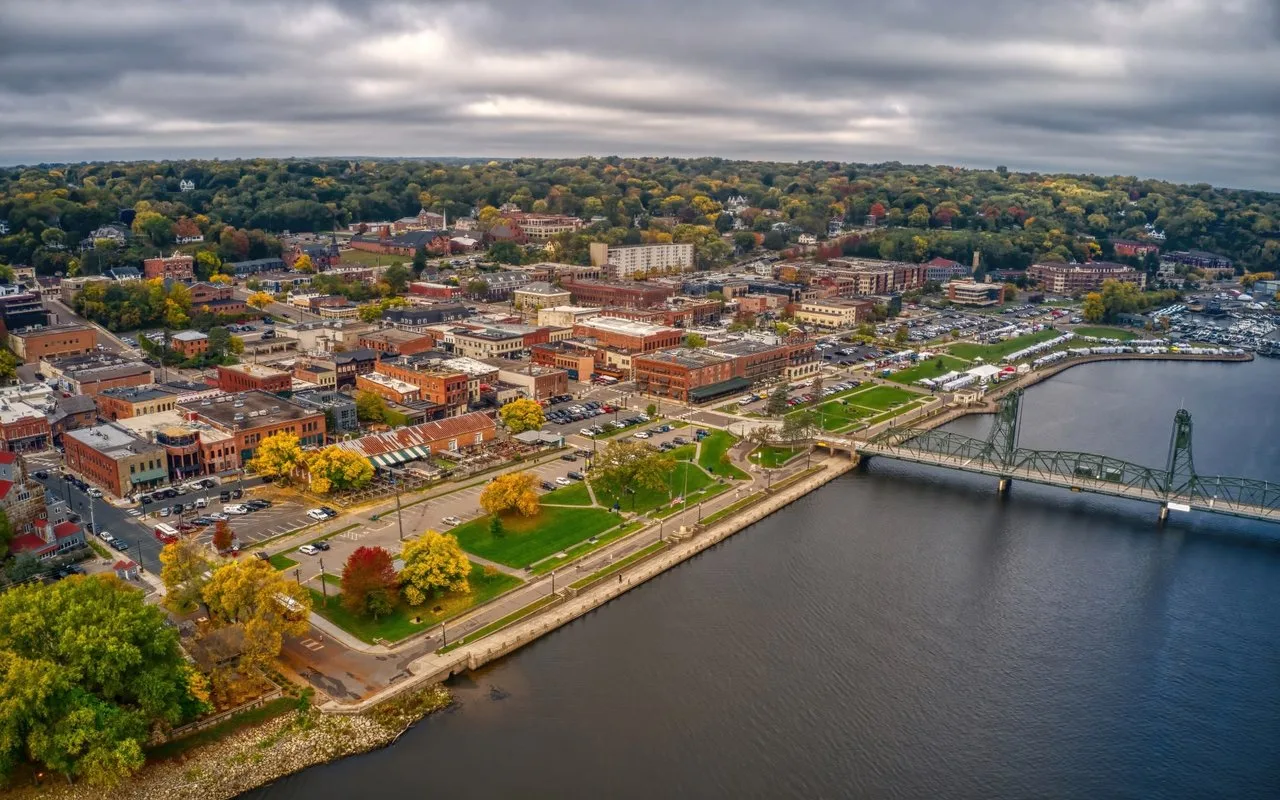
Lindstrom sits in the heart of Chisago County's lake country, where shoreline properties, high water tables, and hard Minnesota winters combine to create restoration challenges you won't find in drier parts of the state. Homes near South Lindstrom Lake, North Center Lake, and the wooded lots along Highway 8 face moisture pressure year-round - from spring snowmelt seeping into block foundations to summer humidity feeding mold behind finished basement walls.
Lindstrom Restoration handles the full range of property emergencies for homeowners and business owners across the area. Call 763-544-8761 - phones are answered 24 hours a day, seven days a week.
- Water Damage Restoration - burst supply lines, failed water heaters, ice dam leaks, appliance overflows
- Flooded Basement Cleanup - sump pump failures, foundation seepage, storm surge intrusion
- Sewage Cleanup - septic backups, floor drain overflow, contaminated Category 3 water
- Fire Damage Restoration - structural cleaning, content recovery, board-up and stabilization
- Smoke Damage Restoration - soot removal, odor neutralization, HVAC decontamination
- Mold Removal - containment, air scrubbing, affected material removal, moisture source correction
Certified technicians follow documented industry protocols so insurance claims move forward smoothly and structures dry completely rather than superficially.
Common Damage Restoration Issues in Lindstrom, Minnesota
Property damage in Lindstrom rarely arrives in isolation. A single frozen pipe can trigger water damage, hidden mold growth, and a sewage backup if the floor drain surcharges at the same time.
Frequent Causes We Respond To
- Frozen and burst pipes - unheated crawl spaces, cabin plumbing, and exterior wall lines during subzero stretches
- Ice dams - meltwater backing under shingles and running down interior walls
- Sump pump failure - power outages during spring storms leave basements without protection
- Septic system backups - saturated drainfields on rural acreage push waste back into lower levels
- Lake-adjacent groundwater - elevated water tables force seepage through block joints and cold seams
- Wood stove, fireplace, and chimney fires - common in older homes and seasonal lake properties
- Kitchen grease fires - smoke and soot travel through ductwork into every room
Warning Signs Worth Acting On
- Musty or earthy odors in the basement, especially after rain
- Efflorescence - white chalky residue - on foundation walls
- Buckling laminate, cupped hardwood, or soft spots in subfloor
- Staining on ceilings below bathrooms or along exterior wall tops
- Recurring allergy or respiratory symptoms that improve when you leave the house
- Lingering smoke smell that returns on humid days after a small fire
Early response limits how far contamination spreads. Water migrates through wall cavities within hours, and mold colonies can establish quickly in Minnesota's humid summer conditions.
Neighborhoods We Serve in Lindstrom
Service extends across Lindstrom proper and throughout the surrounding Chisago Lakes communities.
- Downtown Lindstrom - historic Main Street commercial buildings and older residential blocks
- South Lindstrom Lake and North Center Lake shorelines - year-round homes and converted seasonal cabins
- Glader Boulevard and Newell Avenue corridors
- Olinda Trail and rural township acreage - properties on private wells and septic systems
- Chisago City and Center City - immediately east and west along Highway 8
- Shafer, Taylors Falls, and Franconia
- Wyoming, Stacy, and North Branch
- Scandia and Marine on St. Croix
Crews stage equipment locally so response to lakeside and township addresses does not require waiting on trucks from the Twin Cities. Call (763) 544-8761 any hour.
Seasonal Damage Patterns in Lindstrom
Restoration work in Chisago County follows a predictable annual rhythm.
- December through February - peak frozen pipe season. Subzero nights split supply lines in crawl spaces and unheated cabins. Ice dams form on north-facing roof planes. Heating equipment and wood stove use drives fire calls higher.
- March through April - snowmelt and thaw. Saturated soil pushes groundwater against foundations, sump pumps run continuously, and flooded basements spike. Septic drainfields struggle with the added load, increasing sewage backup risk.
- May through June - spring thunderstorms bring power outages, wind-driven rain, and hail. Roof breaches lead to interior water intrusion, and downed lines shut off sump pumps at the worst moment.
- July through August - humidity peaks. Mold growth accelerates in basements, crawl spaces, and any area left damp from earlier events. Air conditioning condensate line clogs cause slow ceiling leaks.
- September through November - furnaces restart and push stale smoke and dust through ductwork. Falling leaves clog gutters, sending overflow down foundation walls before freeze-up.
Housing Characteristics & Restoration Considerations
Lindstrom's housing stock spans more than a century, and each era brings its own restoration wrinkles. Understanding what's behind the drywall determines how drying, cleaning, and rebuilding proceed.
Common Construction Types
- Pre-1940 farmhouses and Swedish-heritage homes - balloon framing, stone or clay tile foundations, plaster and lath walls, knob-and-tube remnants
- 1950s-1970s ramblers and split-levels - poured or block basements, original cast iron drain lines, potential asbestos in floor tile and pipe wrap
- 1980s-2000s two-story homes - finished basements, wood-framed walkouts, engineered joists that fail quickly when saturated
- Converted lake cabins - shallow foundations, crawl spaces, seasonal plumbing not designed for winter occupancy
- Newer subdivision builds - tighter envelopes that trap moisture and hold smoke odor longer
How Construction Affects the Work
- Balloon framing creates open vertical chases that let both water and smoke travel from basement to attic - inspection at every floor level is required
- Plaster holds moisture far longer than drywall and needs extended drying with monitored readings rather than assumed timelines
- Finished basements hide saturation behind paneling, framing, and insulation, so selective removal is often necessary to reach the wet material
- Crawl spaces demand vapor barrier evaluation and dedicated dehumidification during mold remediation
- Older cast iron and clay sewer lines are prone to root intrusion, raising the likelihood of repeat sewage events until the line is addressed
Environmental Conditions & Damage Implications
Local geology and climate shape how damage develops in Lindstrom properties. The area sits on glacial till and sandy outwash with pockets of dense clay - a mix that drains unevenly and traps water against some foundations while letting it run freely past others.
Conditions That Drive Restoration Needs
- High water tables near the Chisago Lakes chain - persistent hydrostatic pressure on basement walls and slab penetrations
- Clay lenses in the soil - hold snowmelt near foundations instead of allowing it to percolate away
- Freeze-thaw cycling - opens hairline cracks in block and poured walls a little wider each winter
- Summer dew points in the 60s and 70s - basement relative humidity climbs past the threshold where mold colonizes drywall paper and stored contents
- Hard well water with elevated iron - staining complicates cleaning and accelerates corrosion in supply lines
- Rural septic systems - drainfield saturation during wet springs creates backup and contamination risk
What This Means for Each Service
- Drying plans account for soil moisture continuing to feed the structure, not just the original leak
- Mold remediation includes correcting the humidity source, or growth returns the following summer
- Sewage cleanup on septic properties involves antimicrobial treatment plus verification the system itself has recovered
- Smoke odor lingers longer in tightly sealed homes, requiring hydroxyl or ozone treatment plus duct cleaning
Moisture Verification and Documented Drying in Chisago Lakes Homes
The difference between a property that dries completely and one that develops mold six months later comes down to measurement. Surface dryness means very little when framing lumber, subfloor, and insulation still hold moisture. Thorough restoration in Lindstrom means proving the structure is dry with instruments, not with a hand on the wall.
How the Process Works
- Initial assessment - thermal imaging and moisture meters map the full extent of migration, including areas well beyond the visible wet zone
- Containment - plastic barriers and negative air machines isolate the work area so contamination and odor don't spread to clean parts of the home
- Water extraction - truck-mounted and portable units remove standing water and pull moisture from carpet pad and cushioning
- Material decisions - saturated insulation, contaminated drywall, and delaminated flooring are removed; salvageable materials stay in place and dry
- Sanitizing - antimicrobial application on all affected surfaces, with Category 3 protocols for any sewage involvement
- Structural drying - air movers and low-grain refrigerant dehumidifiers placed by calculated load, not by guesswork
- Daily monitoring - readings logged from the same reference points each visit until materials reach dry standard
- Clearance and reconstruction - final documentation supplied for insurance, then rebuild begins
What Careful Documentation Delivers
- Photo and reading logs that adjusters accept without back-and-forth
- Evidence that hidden cavities - not just open rooms - reached dry standard
- A clear record if mold or odor questions surface later
- Fewer surprises during reconstruction, since wet material was found early
Whether the call involves a flooded walkout basement off Olinda Trail, a septic backup on township acreage, or smoke damage after a chimney fire, the same disciplined approach applies. Reach Lindstrom Restoration at 763-544-8761 - lines are open 24 hours.





