
Damage Restoration in Chisago City, MN
- Damage Restoration Services Overview
- Common Damage Restoration Issues in Chisago City, Minnesota
- Neighborhoods We Serve in Chisago City
- Seasonal Damage Patterns in Chisago City
- Housing Characteristics & Restoration Considerations
- Environmental Conditions & Damage Implications
- Storm Damage, Insurance Claims and Whole-Home Recovery in Chisago City
Damage Restoration Services Overview
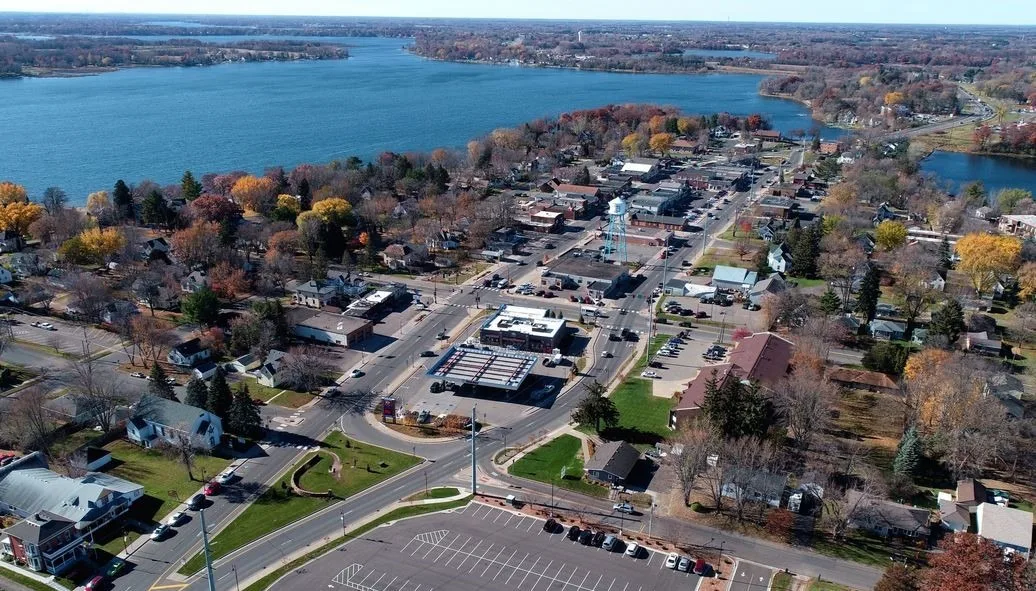
Chisago City sits inside a chain of lakes - Green Lake, Chisago Lake, Little Lake and North Center Lake all sit within a few minutes of downtown. That much surface water, combined with a high seasonal water table, means basements here take on moisture in ways homes 30 miles west simply do not.
Restoration work in this part of Chisago County covers far more than mopping up after a storm. A single spring thaw or a January pipe break can trigger several overlapping problems at once, and each needs its own approach.
- Water Damage Restoration - extraction, structural drying and moisture mapping after supply line breaks, appliance failures, ice dams and roof leaks.
- Flooded Basement - pump-out, sump failure response, saturated insulation and flooring removal, and drying of block or poured foundation walls.
- Sewage Cleanup - containment and sanitizing after septic backups, floor drain overflows and lift station surcharges.
- Fire Damage Restoration - board-up, debris removal, structural cleaning and rebuild coordination.
- Smoke Damage Restoration - soot removal from surfaces and HVAC systems, odor neutralizing and contents cleaning.
- Mold Removal - containment, affected material removal and correction of the moisture source feeding growth.
Acting quickly protects framing, drywall, mechanicals and indoor air quality - and keeps a small loss from turning into a whole-home project.
Common Damage Restoration Issues in Chisago City, Minnesota
The causes of damage here are predictable once you know the terrain, the weather pattern and the age of local housing stock.
What Drives Damage Locally
- Lake-adjacent lots and high water tables pushing groundwater against foundation walls each spring.
- Hail and wind events along the Highway 8 and Lindstrom corridor that bruise shingles and crack siding, letting water in weeks later.
- Ice dams on older 1½-story homes, forcing meltwater under shingles and into wall cavities.
- Septic systems on rural and lakeshore properties that surcharge during saturated soil conditions.
- Frozen and burst pipes in crawl spaces, unheated garages and exterior walls during deep cold snaps.
- Wood stoves, fireplaces and space heaters used heavily through long heating seasons.
Warning Signs Worth Investigating
- Efflorescence, chalky white staining or dark tide lines on basement block walls.
- Cupping or gapping in hardwood near exterior doors and sliders.
- A musty smell that intensifies when the furnace or AC cycles on.
- Gurgling floor drains or slow fixtures after heavy rain - an early septic or sewer warning.
- Ceiling stains that reappear after each thaw rather than each rainfall.
- Soot filming on window glass, lampshades or the return air grille after a furnace puff-back.
- Peeling paint or bubbling trim paint on the lowest section of an exterior wall.
Any one of these signals hidden moisture, and hidden moisture is what turns a water loss into a mold removal project.
Neighborhoods We Serve in Chisago City
Crews cover the full Chisago City footprint plus the surrounding lake communities that share the same soil, weather and infrastructure conditions.
- Downtown Chisago City and the older Old Towne core along Karmel Avenue
- Lakeshore properties on Green Lake, Little Lake and Chisago Lake
- Newer subdivisions off Summit Avenue and Stinson Avenue
- Rural acreage and septic-served homes along County Road 77 and Fairy Falls Road
- Adjacent Lindstrom, Center City and Shafer
- Wyoming, Stacy and Chisago Lakes Township
- North Branch, Taylors Falls and Almelund
- Forest Lake and the northern Washington County line
Knowing the difference between a village-sewer property downtown and a mound-septic lakeshore home changes how a sewage cleanup or basement flood is handled from the first hour on site.
Seasonal Damage Patterns in Chisago City
Winter (December - February)
- Frozen and burst supply lines in exterior walls and crawl spaces.
- Ice dam leakage into attics, soffits and second-floor ceilings.
- Heating-season fire and smoke damage from furnaces, chimneys and portable heaters.
Spring (March - May)
- Peak flooded basement season as frost leaves the ground and lake levels rise.
- Sump pump overload and failure during rapid melt combined with rain.
- Septic backups where drainfields sit in saturated soil.
Summer (June - August)
- Severe thunderstorms, hail and straight-line wind opening roofs and siding.
- Humidity-driven mold growth in basements running above 60 percent relative humidity.
- Air conditioning condensate line clogs saturating ceilings and closet floors.
Fall (September - November)
- Clogged gutters directing roof runoff straight to the foundation.
- First-fire chimney and furnace puff-back smoke events.
- Hidden summer storm damage revealed by the first cold rains.
Housing Characteristics & Restoration Considerations
Chisago City housing spans well over a century, and the construction era largely dictates how a loss unfolds.
Pre-1960 Homes and Farmhouses
- Fieldstone or unreinforced block foundations that wick groundwater through the wall face.
- Plaster and lath that holds moisture long after drywall would have dried.
- Balloon framing that lets smoke, soot and water travel between floors through open stud bays.
- Possible asbestos-containing floor tile, mastic and pipe wrap requiring testing before demolition.
1970s - 1990s Ranches and Splits
- Finished lower levels with carpet, pad and framed stud walls that trap water behind vapor barriers.
- Original galvanized or polybutylene supply lines prone to sudden failure.
- Under-insulated attics that feed persistent ice dam cycles.
2000s and Newer Construction
- Tight building envelopes that hold humidity indoors and accelerate mold growth after a water event.
- Walkout and daylight basements on sloped lakeshore lots with hydrostatic pressure at the low corner.
- Engineered wood flooring and LVP that must be lifted to dry the subfloor beneath.
- Multi-zone HVAC that can distribute smoke odor throughout the structure within minutes.
Restoration plans are built around these differences - drying a plaster farmhouse wall and drying a sealed 2015 basement are entirely different problems, and treating them the same leads to callbacks and mold.
Environmental Conditions & Damage Implications
Chisago County's glacial geology and continental climate shape nearly every restoration decision made here.
Soil and Groundwater
- Glacial outwash sands and loamy tills that drain quickly in some spots and hold water in clay lenses in others.
- Shallow water tables near the lake chain that keep foundation drain tile working year-round.
- Frost depth commonly exceeding four feet, heaving slabs and stressing foundation joints.
Climate Extremes
- Winter lows well below zero and summer dew points in the 70s - a punishing swing for building materials.
- Roughly 30 inches of annual precipitation, with the heaviest rain arriving in short, intense summer bursts.
- Snow loads that melt and refreeze repeatedly at the roof edge.
Water and Air Quality Factors
- Hard well water and iron content that stain and complicate post-flood cleaning.
- Private septic systems where any backup is treated as Category 3 contaminated water.
- Seasonal agricultural dust and wildfire smoke drift that loads HVAC filters and worsens indoor air after a fire loss.
- High summer humidity that makes dehumidification, not just extraction, the core of every drying plan.
These conditions mean moisture readings are taken in the framing and subfloor, not just the surface, and drying continues until materials reach documented dry standard.
Storm Damage, Insurance Claims and Whole-Home Recovery in Chisago City
Most large losses in Chisago City start outside the house. Hail along the Lindstrom corridor bruises shingles, wind lifts siding, and a tree limb punctures a roof deck - then water follows the path of least resistance into the attic, down the wall cavity and eventually into the basement. By the time a homeowner notices a ceiling stain, mold may already be established in the insulation.
How a Storm-Driven Loss Is Handled
- Emergency stabilization - roof tarping, board-up and safe removal of fallen limbs to stop ongoing water intrusion.
- Water extraction and containment - standing water pumped out, contents blocked and protected, contaminated categories isolated.
- Moisture mapping - thermal imaging and meters used to trace water inside walls, under flooring and above ceilings.
- Structural drying - air movers and commercial dehumidifiers set to documented targets, with daily readings logged.
- Mold prevention or remediation - containment barriers, negative air and removal of any material that cannot be dried in time.
- Reconstruction - drywall, insulation, flooring, siding, gutters and roofing rebuilt to match the original finish.
Insurance Coordination That Actually Helps
- Photo and moisture documentation captured from the first visit forward.
- Line-item scopes written in the estimating format adjusters expect.
- Direct communication with your adjuster during inspection so nothing is missed at the roof, siding and interior at once.
- Clear separation of storm-caused damage from pre-existing wear - a frequent sticking point on roofs over ten years old.
Hail near one inch is generally enough to damage asphalt shingles, and at 1.25 inches granule loss and mat bruising are common. That damage rarely shows from the ground, which is why a post-storm inspection is worth doing even when the house looks fine from the driveway.





