
Damage Restoration in Bossier City, LA
- Damage Restoration Services Overview
- Common Damage Restoration Issues in Bossier City, Louisiana
- Neighborhoods We Serve in Bossier City
- Seasonal Damage Patterns in Bossier City
- Housing Characteristics & Restoration Considerations
- Environmental Conditions & Damage Implications
- From First Call to Final Rebuild: The Bossier City Restoration Process
Damage Restoration Services Overview
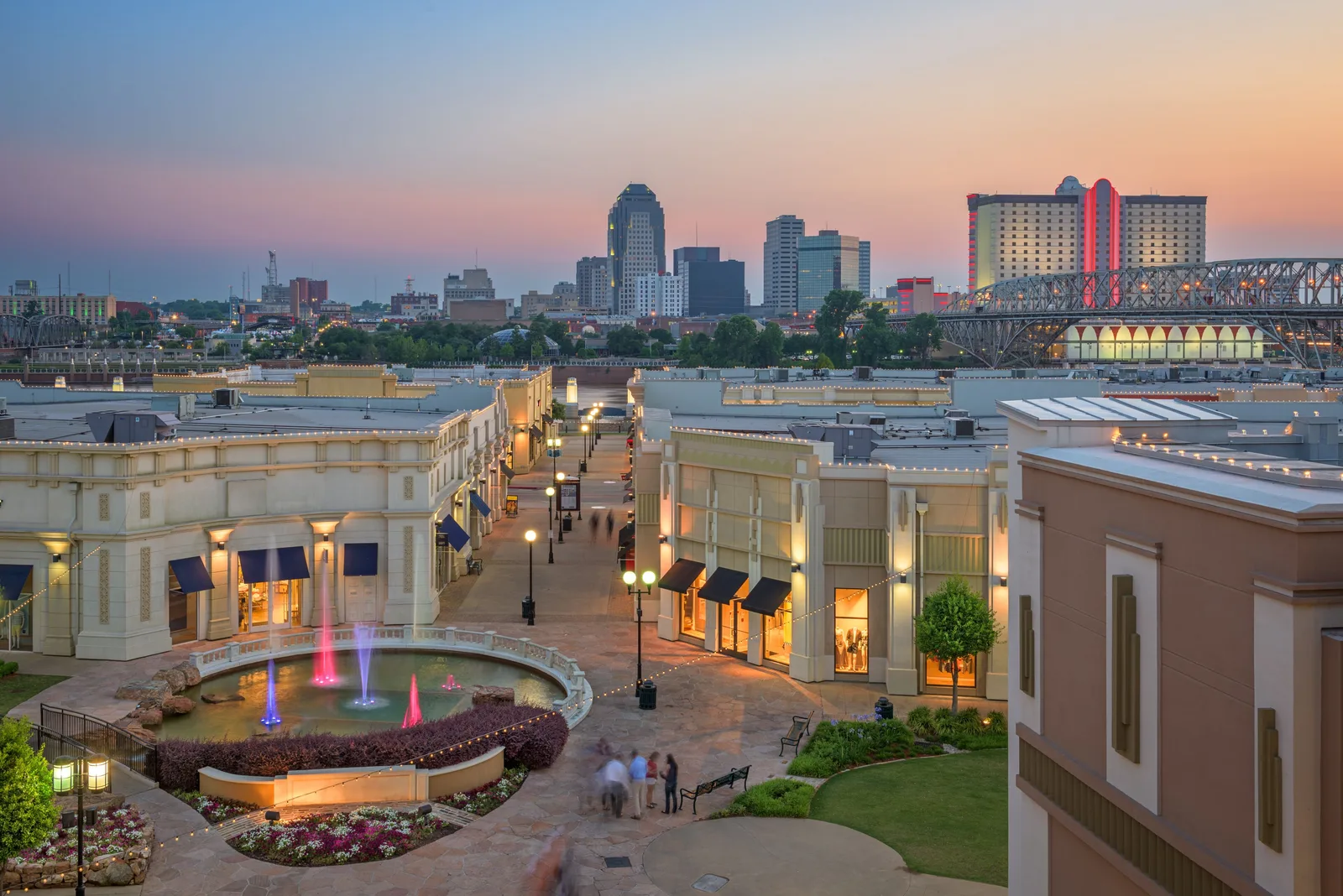
Bossier City sits in a humid subtropical pocket of Northwest Louisiana where heavy spring rains, Red River backwater, and summer heat combine to punish buildings in ways drier regions never see. Water that enters a home here rarely dries on its own - humidity keeps materials saturated long enough for mold colonies to take hold.
Restoration work in this region has to address moisture, contamination, and odor at the same time. That is why local property owners rely on a full slate of services rather than a single fix:
- Water Damage Restoration - extraction, structural drying, and dehumidification after roof leaks, supply line failures, and storm intrusion
- Flooded Basement - pump-out and drying for below-grade rooms, storm shelters, and sunken slab areas that trap runoff
- Sewage Cleanup - removal of Category 3 black water, disinfection, and safe disposal of porous materials after backups
- Fire Damage Restoration - board-up, debris removal, soot cleaning, and rebuilding of damaged framing and finishes
- Smoke Damage Restoration - odor neutralization, HVAC cleaning, and treatment of surfaces far beyond the burn area
- Mold Removal - containment, air filtration, removal of colonized materials, and correction of the moisture source
The benefit for Bossier City residents is straightforward: one certified team handles the emergency response, documentation for insurance, and the repairs that follow, so damage never sits long enough to spread.
Common Damage Restoration Issues in Bossier City, Louisiana
Most restoration calls in Bossier City trace back to three local realities - intense rainfall events, aging drainage infrastructure, and year-round humidity that averages well above the national norm.
What Causes Damage Here
- Flash flooding from stalled thunderstorm cells that dump several inches in an afternoon
- Red River and bayou backwater rising into low-lying neighborhoods near Willow Chute and Flat River
- Municipal sewer surcharging during heavy rain, pushing waste back through floor drains and tubs
- Roof and flashing failures during hurricane remnants and severe wind events
- Air conditioning condensate lines clogging in July and August, soaking ceilings and closets
- Electrical fires from strained circuits during extended heat waves and hard freezes
- Grease and outdoor cooking fires that spread smoke through attached garages and attics
Warning Signs Worth Acting On
- Musty odor in a closet, crawl space, or return air vent that never fully clears
- Baseboards that feel cool or soft, or flooring that cups and lifts at seams
- Brown ceiling rings that reappear after painting over them
- Gurgling drains or slow toilets in more than one fixture at once
- Sooty film on window glass, lampshades, or the tops of door casings after a small fire
- Condensation on interior walls or persistent indoor humidity above comfortable levels
Reporting damage immediately gives drying equipment a chance to work before mold takes hold and before subfloors, wall cavities, and cabinetry become unsalvageable.
Neighborhoods We Serve in Bossier City
Crews cover the full spread of Bossier City and the surrounding parishes, with response routed from the closest available team.
- Bossier City core - Downtown, Barksdale Boulevard corridor, Bossier Parish neighborhoods near the Louisiana Boardwalk
- South Bossier - Sligo Road area, Plantation Trace, and properties near Red Chute Bayou
- North Bossier - Airline Drive corridor, Golden Meadows, Stockwell Place, Legacy and Provenance area homes
- Military and adjacent - housing serving Barksdale Air Force Base families
- Surrounding communities - Haughton, Benton, Princeton, Elm Grove, Doyline, and Plain Dealing
- Across the river - Shreveport, Blanchard, Greenwood, and Stonewall
- Regional reach - Minden, Springhill, and into East Texas including Waskom and Marshall
Coverage extends to single-family homes, apartment complexes, churches, restaurants, and retail and office space throughout the Shreveport-Bossier metro.
Seasonal Damage Patterns in Bossier City
Damage types shift predictably through the year in Northwest Louisiana, and knowing the pattern helps property owners get ahead of it.
- January - February: Hard freezes burst supply lines and hose bibs on exterior walls. Space heater and fireplace fires spike, bringing smoke damage calls. Thawing pipes flood slabs overnight.
- March - May: Peak severe weather. Straight-line winds strip shingles, hail punctures roofs, and flash flooding fills low-lying yards and below-grade rooms. Sewer backups climb as storm volume overwhelms lines.
- June - August: Humidity and heat drive mold growth in attics, crawl spaces, and behind vinyl wallpaper. HVAC condensate overflows are common. Electrical fires increase with sustained air conditioning load.
- September - November: Tropical systems tracking inland bring wind-driven rain and prolonged power loss, which stops dehumidification and lets existing moisture bloom into mold.
- December: Holiday cooking fires, candle fires, and the first cold snaps that expose vulnerable plumbing.
Mold remediation requests never truly slow down here - they simply follow whatever water event happened four to six weeks earlier.
Housing Characteristics & Restoration Considerations
Bossier City housing stock spans mid-century brick ranches to new construction subdivisions, and each era responds differently to water, fire, and mold.
Common Construction Types
- 1950s - 1970s slab-on-grade brick ranches - original cast iron or clay sewer laterals prone to root intrusion and backups; carpet over slab wicks moisture quickly
- Pier-and-beam homes in older districts - vented crawl spaces that stay damp, encouraging subfloor rot and mold on floor joists
- 1980s - 2000s subdivisions - fiberglass batt insulation and paper-faced drywall that feed mold once wet; aging galvanized or polybutylene supply lines
- Recent construction in North Bossier - tighter envelopes that trap humidity and smoke odor unless mechanically ventilated during restoration
- Manufactured and modular homes - particleboard flooring and vapor barriers that hold water against the underside
How This Shapes the Work
- Full basements are uncommon locally, but sunken dens, storm shelters, and garage pits flood readily and need dedicated pumping
- Slab construction means water travels laterally under flooring and into wall bases - moisture mapping matters more than visible staining
- Attic-mounted HVAC systems distribute smoke and mold spores building-wide, so duct cleaning is often part of the scope
- Older homes may contain asbestos-containing flooring or lead paint, requiring careful handling during demolition
- Brick veneer traps moisture behind the wall, extending drying time after storm intrusion
Environmental Conditions & Damage Implications
The local environment is the single biggest reason restoration here demands professional equipment rather than fans from a hardware store.
Climate and Air
- Annual rainfall in the region regularly exceeds 50 inches, much of it in concentrated downpours
- Relative humidity stays high through most of the year, so evaporated moisture has nowhere to go without dehumidification
- Long, hot summers accelerate microbial growth on damp drywall, insulation, and framing
- Pollen loads and regional smoke events already stress indoor air quality, compounding post-fire soot exposure
Soil and Water
- Expansive clay soils common to the Red River valley swell and shrink, cracking slabs and foundation walls that later admit groundwater
- Poor percolation means yard water pools against foundations rather than draining away
- Shallow water tables in bottomland areas keep crawl spaces damp between rain events
- Storm surcharge in combined drainage areas raises the odds of Category 3 sewage entering finished space
These conditions change how work is performed. Structural drying is monitored with moisture meters and thermal imaging until materials reach dry standard, not just until surfaces feel dry. Sewage cleanup includes antimicrobial application and removal of porous materials, because contaminated clay-heavy silt cannot be effectively cleaned in place. After a fire, humidity accelerates corrosion from acidic soot, so metals and electronics are stabilized early rather than left for the rebuild phase.
From First Call to Final Rebuild: The Bossier City Restoration Process
The advantage of a single local team handling every phase is that nothing falls through the cracks between mitigation and repair. Property owners are not left coordinating separate contractors while their home sits open.
How the Process Runs
- Emergency contact and dispatch - a crew is routed from the nearest point in the Shreveport-Bossier area, with safety guidance given over the phone
- On-site assessment - moisture mapping, thermal imaging, contamination classification, and photo documentation for the insurance file
- Stabilization - board-up, roof tarping, water extraction, and shutoff of active sources
- Removal - controlled demolition of unsalvageable drywall, insulation, flooring, and cabinetry, with containment barriers where mold or sewage is present
- Drying and treatment - air movers, commercial dehumidifiers, HEPA filtration, antimicrobial application, and soot and odor neutralization
- Verification - daily moisture readings until materials reach documented dry standard; clearance testing where mold was involved
- Reconstruction - framing, drywall, texture, paint, flooring, trim, and cabinetry returned to pre-loss condition
What Local Owners Should Know
- Insurance carriers want documentation from the first hours - photographs, readings, and a written scope strengthen a claim
- Direct billing to insurers reduces out-of-pocket coordination for homeowners and business operators
- Timelines depend on severity; a contained supply line leak resolves far faster than a sewage-contaminated slab or a structure fire, and a realistic schedule is provided after assessment
- Correcting the moisture source - grading, gutters, failing laterals, condensate drainage - prevents repeat claims
- Commercial properties along Airline Drive and the Boardwalk district often need after-hours work to keep operations running
Whether the call involves a flooded lower level after a spring storm, a sewer backup on an older Bossier lateral, or smoke that has settled through an entire attic system, the goal is the same: dry, sanitize, deodorize, and rebuild so the property is genuinely restored, not just cleaned up.





