
Damage Restoration in Donaldsonville, LA
- Damage Restoration Services Overview
- Common Damage Restoration Issues in Donaldsonville, Louisiana
- Neighborhoods We Serve in Donaldsonville
- Seasonal Damage Patterns in Donaldsonville
- Housing Characteristics & Restoration Considerations
- Environmental Conditions & Damage Implications
- Emergency Response and Insurance Documentation for River-Parish Properties
Damage Restoration Services Overview
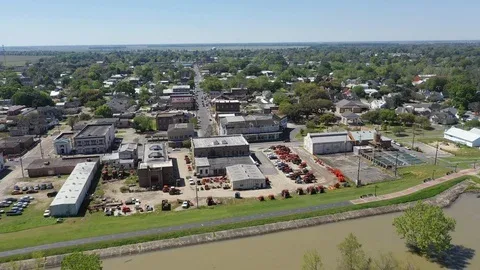
Donaldsonville sits at one of the lowest points in Ascension Parish, wedged between the Mississippi River levee and Bayou Lafourche - meaning much of the city rests below the level of the river flowing past it. That geography shapes nearly every restoration call placed here.
Property owners in the 70346 area face a mix of river-adjacent humidity, aging historic housing stock, and heavy summer storm activity. When water, smoke, or sewage enters a structure, the clock starts immediately.
Restoration teams serving Donaldsonville handle a full range of emergency work:
- Water Damage Restoration - extraction, structural drying, moisture mapping, and dehumidification after pipe breaks, appliance failures, or roof leaks
- Flooded Basement - pump-out and drying for below-grade rooms, crawl spaces, cellars, and sunken slab areas common near the bayou
- Sewage Cleanup - removal of Category 3 contaminated water, disinfection, and disposal of porous materials after backups
- Fire Damage Restoration - debris removal, soot cleaning, structural stabilization, and content recovery
- Smoke Damage Restoration - odor neutralization, HVAC decontamination, and treatment of walls, fabrics, and hidden cavities
- Mold Removal - containment, air filtration, antimicrobial treatment, and moisture-source correction
Benefits for local residents include faster drying, reduced secondary damage, documentation that supports insurance claims, and healthier indoor air in a climate that rarely dries out on its own.
Common Damage Restoration Issues in Donaldsonville, Louisiana
Local damage rarely comes from a single cause. River-valley humidity, clay soils, and older construction combine to turn small leaks into large losses.
Leading Local Causes
- Tropical storm and hurricane rainfall overwhelming yard drainage and street systems
- Backwater and sewer surcharge during sustained downpours, pushing waste into low fixtures
- Sump pump failure during power outages - common during summer thunderstorms
- Aging galvanized and polybutylene supply lines in mid-century homes
- Roof damage from wind, falling limbs, and - as one historic downtown building demonstrated after a construction incident - work performed above occupied space
- Electrical fires in older panels and knob-and-tube remnants
- Kitchen grease fires that spread smoke through open floor plans
- Condensation on ductwork running through unconditioned attics
Warning Signs Worth Acting On
- A musty odor that intensifies when the air conditioning cycles on
- Bubbling paint, cupping wood floors, or soft baseboards
- Dark staining at the base of interior walls after heavy rain
- Slow drains or gurgling toilets before a full sewage backup
- Persistent smoke odor weeks after a small kitchen fire
- Visible surface growth on closet walls, behind furniture, or under sinks
Mold colonies can establish within 24 to 48 hours in Donaldsonville's warm, moist conditions, which is why extraction and drying matter more than surface cleanup alone.
Neighborhoods We Serve in Donaldsonville
Coverage extends across the city and into the surrounding River Parishes communities.
- Historic Downtown & Railroad Avenue District - century-old commercial buildings and shotgun-style residences
- Ascension Street and Iberville Street corridors - mixed residential and civic properties
- Bayou Lafourche waterfront areas - properties with elevated flood exposure
- Chetimaches and Crescent Place areas - postwar and subdivision housing
- LA-1 and LA-70 corridors - commercial, industrial, and agricultural structures
Surrounding communities served include Belle Rose, Napoleonville, Paincourtville, White Castle, Plaquemine, Modeste, Smoke Bend, Sunshine, and outlying Assumption and Iberville Parish addresses. Crews familiar with local levee routes and river crossings can reach most addresses quickly, even when weather closes a bridge or ferry route.
Seasonal Damage Patterns in Donaldsonville
Winter (December - February)
- Occasional hard freezes burst exposed pipes on raised piers and exterior walls
- Space heater and fireplace use drives a spike in fire and smoke damage calls
- Slower drying times due to cool, damp air
Spring (March - May)
- Frontal storm systems and heavy rain events flood low-lying yards and below-grade rooms
- Rising river stages increase groundwater pressure against slabs and foundations
- Mold growth accelerates as temperatures climb
Summer (June - August)
- Peak hurricane and tropical storm season begins in June
- Sewer surcharge and sewage backups follow intense rainfall
- Air conditioning condensate line clogs cause ceiling and closet water damage
- Highest humidity of the year - mold removal demand peaks
Fall (September - November)
- September and October remain active for named storms and wind-driven rain
- Sugarcane harvest burning contributes to airborne particulates and smoke odor complaints
- Cooler nights create condensation inside poorly ventilated attics and crawl spaces
Housing Characteristics & Restoration Considerations
Donaldsonville holds one of Louisiana's largest historic districts, with hundreds of listed structures. That heritage shapes how restoration work is planned and executed.
Common Construction Types
- Creole cottages and shotgun houses - raised on piers, with cypress framing, plaster walls, and original wood siding
- Late-Victorian and early 20th-century homes - tall ceilings, lath-and-plaster interiors, and multiple additions
- Postwar slab-on-grade ranch homes - vulnerable to sheet flow flooding and wicking through concrete
- Modern subdivision builds - engineered lumber, drywall, and tighter envelopes that trap moisture
- Brick-veneer commercial buildings downtown with shared walls and hidden cavities
How Age and Construction Affect the Work
- Pier-and-beam crawl spaces demand under-floor drying and vapor barrier replacement after flooding
- Plaster holds moisture far longer than drywall, requiring extended dehumidification and careful cavity drying
- Cypress and old-growth pine are worth salvaging - controlled drying often beats demolition
- Pre-1980 homes may contain asbestos-bearing materials and lead paint, requiring testing before demolition
- Slab foundations trap water beneath flooring; tile and vinyl often must be lifted to release trapped moisture
- Shared party walls downtown allow smoke odor and soot to migrate between units
- Multi-layered renovations conceal old plumbing, hidden voids, and unexpected mold reservoirs
Historic properties also benefit from documentation practices that respect original materials while meeting insurance requirements.
Environmental Conditions & Damage Implications
Ascension Parish sits in a humid subtropical zone with roughly 60 inches of annual rainfall and average summer humidity well above 70 percent. Structures here almost never dry passively.
Climate Factors
- Long warm season keeps indoor dew points elevated for eight or more months
- Heavy convective downpours can drop several inches of rain in an hour
- Tropical systems bring wind-driven rain that enters through roof and window assemblies
Soil and Water Conditions
- Mississippi River alluvial soils - dense clay and silt that drain slowly and hold water against foundations
- Expansive clay causes slab movement, cracking, and new water entry points over time
- High water table limits gravity drainage, making sump systems and pump-out equipment necessary
- Floodwater from the bayou or street systems is treated as contaminated, requiring full disinfection protocols
Air Quality Considerations
- Industrial corridor emissions and seasonal cane field burning add particulates that compound smoke damage
- Elevated humidity keeps mold spore counts high year-round
- Post-fire soot combines with ambient moisture to form acidic residues that etch metal, glass, and finishes quickly
These conditions push restoration toward aggressive dehumidification, sealed containment during mold removal, and prompt soot cleaning before corrosion sets in.
Emergency Response and Insurance Documentation for River-Parish Properties
When water is rising or smoke is still settling, the first hours determine the size of the loss. Around-the-clock availability matters in Donaldsonville because storms tend to arrive overnight and utility outages follow.
What a Rapid Response Looks Like
- Initial contact and safety triage - identifying electrical hazards, structural risk, and contamination category over the phone
- On-site inspection - moisture meters, thermal imaging, and mapping of affected materials
- Water extraction or debris removal - truck-mounted pumps for flooded basements and crawl spaces, controlled demolition after fire
- Containment - negative air machines and barriers for sewage and mold work to protect unaffected rooms
- Structural drying - air movers, dehumidifiers, and cavity drying with daily moisture readings
- Cleaning and deodorization - antimicrobial application, soot removal, HVAC decontamination, and odor treatment
- Reconstruction planning - restoring finishes with materials appropriate to the home's era
Documentation That Supports Your Claim
- Time-stamped photographs of pre-mitigation conditions in every affected room
- Daily moisture and humidity logs showing progress toward dry standard
- Itemized inventory of removed materials and salvageable contents
- Equipment placement records and drying chamber diagrams
- Notes distinguishing flood damage from plumbing or storm damage - a distinction that determines which policy responds
What Property Owners Can Do First
- Shut off water at the main if the source is a supply line
- Avoid walking through standing water near energized outlets
- Do not run HVAC after a fire - it spreads soot through the ductwork
- Keep children and pets away from any sewage-affected area
- Photograph everything before moving items, then contact your carrier
Local crews that know Donaldsonville's levee roads, historic building constraints, and parish permitting can move from first call to active drying without unnecessary delay.





