
Damage Restoration in Loganville, GA
- Damage Restoration Services Overview
- Common Damage Restoration Issues in Loganville, Georgia
- Neighborhoods We Serve in Loganville
- Seasonal Damage Patterns in Loganville
- Housing Characteristics & Restoration Considerations
- Environmental Conditions & Damage Implications
- Insurance Claims and Documentation for Loganville Property Owners
Damage Restoration Services Overview
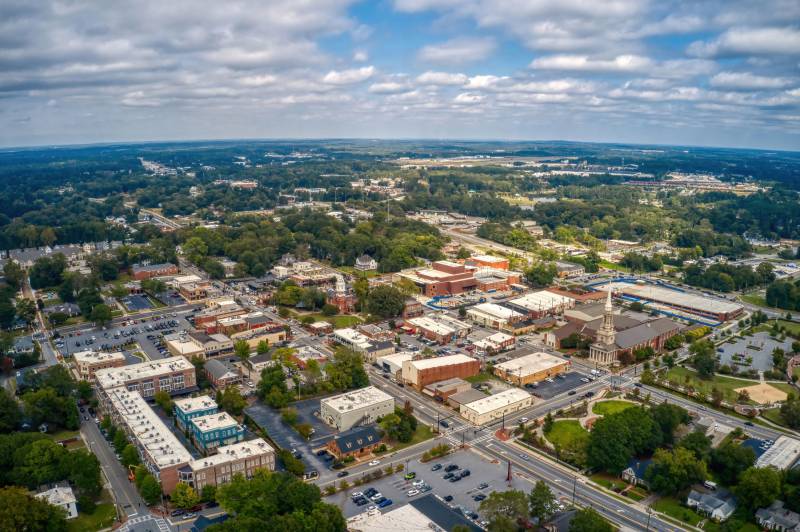
A small leak left alone for a weekend in Loganville can turn into warped hardwood, swollen baseboards and colonized drywall cavities. Georgia's humidity accelerates every problem - what starts as a damp subfloor becomes a structural repair and an indoor air quality issue within days.
Fast, organized response keeps damage contained to materials that can be dried instead of demolished. Restoration work in Walton and Gwinnett County properties typically covers:
- Water Damage Restoration - extraction, structural drying and moisture mapping after supply line breaks, roof leaks and appliance failures
- Flooded Basement cleanup - pumping standing water, drying below-grade walls and addressing the drainage cause
- Sewage Cleanup - removal of contaminated material, disinfection and safe disposal after backups or septic failures
- Fire Damage Restoration - board-up, debris removal, soot cleaning and coordinated reconstruction
- Smoke Damage Restoration - odor neutralization, HVAC cleaning and treatment of surfaces smoke reached but flames did not
- Mold Removal - containment, removal of affected materials and correction of the moisture source
Benefits for Loganville homeowners include documented moisture readings for insurance, fewer replaced materials, reduced odor retention, and a clear path from emergency response through repair and reconstruction. First In Restoration is headquartered right here in Loganville with 24/7 response at (678) 483-7284.
Common Damage Restoration Issues in Loganville, Georgia
Loganville sits on rolling Piedmont terrain with clay-heavy soil that sheds water rather than absorbing it. That combination sends runoff toward foundations during heavy rain.
Local Causes We See Repeatedly
- Basement and crawl space water intrusion after spring thunderstorms and remnants of tropical systems
- Failed sump pumps in older subdivisions off Highway 78 and Highway 81
- Septic system backups on larger lots outside city sewer service, creating sewage cleanup needs
- Frozen and burst supply lines during January cold snaps, especially in garages and unheated crawl spaces
- Kitchen fires and electrical faults leading to fire and smoke damage that spreads through shared HVAC returns
- Hidden mold growth behind vanities, under refrigerators and in attic sheathing with poor ventilation
Warning Signs Worth Acting On
- Musty odor that strengthens when the HVAC system cycles on
- Cupping hardwood, bubbling paint or soft spots along baseboards
- Efflorescence or white chalky residue on basement block walls
- Gurgling drains or slow floor drains - often the first hint of a sewer line issue
- Soot film on window glass, lampshades or air vent covers after a small fire
- Unexplained allergy symptoms that improve when family members leave the house
Any of these signs paired with recent storms, plumbing work or a kitchen incident deserves a professional moisture inspection before cosmetic repairs begin.
Neighborhoods We Serve in Loganville
Being based in Loganville means short response times across the 30052 area and neighboring communities.
- Downtown Loganville and the Main Street corridor
- Neighborhoods along Highway 78, Highway 81 and Rosebud Road
- Bay Creek, Grayson, Centerville and Between
- Monroe, Walnut Grove and Youth communities in Walton County
- Snellville, Lawrenceville and Dacula in Gwinnett County
- Loganville Highway subdivisions bordering Rockdale and Newton counties
Coverage extends from Atlanta to Athens, including Barrow, Hall, Fulton, DeKalb, Forsyth, Jackson, Clarke, Oconee, Banks, Morgan, Greene and Putnam counties. Additional areas are served beyond this list - call (678) 483-7284 to confirm coverage for your address.
Seasonal Damage Patterns in Loganville
Winter (December - February)
- Burst pipes during hard freezes, often discovered as ceiling stains
- Fire and smoke damage from space heaters, fireplaces and holiday cooking
- Ice-related roof leaks feeding attic moisture
Spring (March - May)
- Peak season for flooded basements and crawl spaces from saturated clay soil
- Storm-driven water intrusion through wind-damaged shingles
- Mold growth beginning as temperatures and humidity rise together
Summer (June - August)
- Highest mold removal demand as dew points stay elevated for weeks
- Condensation damage from oversized or short-cycling air conditioners
- Sewage backups when heavy downpours overwhelm lines and septic fields
Fall (September - November)
- Tropical system remnants bringing multi-day rainfall and basement flooding
- Clogged gutters channeling water against foundations
- Chimney and furnace startup smoke damage as heating season begins
Housing Characteristics & Restoration Considerations
Loganville grew rapidly from the late 1990s through the 2000s, so much of the housing stock is 15 to 30 years old with newer construction filling in along the Gwinnett and Walton line. Older farmhouses and mid-century homes remain scattered along the rural corridors.
Common Construction Features and Their Effect on Restoration
- Vented crawl spaces - humid outside air condenses on cool joists, feeding mold and requiring dehumidification rather than simple air movement
- Finished basements - carpet pad, framed walls and insulation trap water behind finishes, so drying often requires selective removal of drywall bottoms
- Brick veneer over wood framing - moisture can travel behind veneer and stay hidden from view for weeks
- Two-story tract homes with upstairs laundry - washer supply failures affect three levels at once
- Engineered wood flooring and OSB subfloors - both swell quickly and demand fast extraction
- Older homes with plaster, knob-and-tube remnants or original wiring - higher electrical fire risk and more careful soot cleaning
Practical Implications
- Moisture meters and thermal imaging locate water inside wall cavities before demolition decisions are made.
- Crawl space and basement work usually pairs drying with a vapor barrier or drainage recommendation.
- Smoke damage in open-concept floor plans travels farther, so HVAC cleaning is part of most fire jobs.
- Sewage cleanup in homes with porous concrete or unsealed slabs requires disinfection plus material removal.
Environmental Conditions & Damage Implications
Loganville's humid subtropical climate delivers roughly 50 inches of rain per year with long, muggy summers. Indoor relative humidity climbs easily above the 60 percent threshold where mold becomes active.
Climate and Water Factors
- Frequent afternoon thunderstorms drop heavy rain in short bursts, overwhelming gutters and yard drainage
- Tropical remnants in late summer and fall produce sustained saturation of soil around foundations
- Brief but sharp winter freezes stress exposed plumbing and hose bibs
- Mixed municipal water and private well service - well systems can lose pressure and pull contaminants during backflow events
Soil and Drainage
- Red Georgia clay expands when wet and shrinks when dry, stressing foundation walls and creating seepage paths
- Low permeability means water pools and travels laterally toward basements instead of percolating down
- Rolling topography puts many homes downhill from neighboring lots, concentrating runoff
Air Quality Effects
- Heavy spring pollen loads settle into ductwork and combine with smoke residue to worsen odor
- Summer ozone and humidity slow natural drying, making mechanical dehumidification necessary
- Smoke particles bond more aggressively to surfaces in humid conditions, so prompt cleaning matters
These conditions shape every drying plan - equipment selection, containment and monitoring are adjusted to Georgia's moisture load rather than a generic standard.
Insurance Claims and Documentation for Loganville Property Owners
Most restoration projects involve an insurance claim, and the paperwork often causes more stress than the damage itself. Clear documentation from the first hour protects your claim and speeds approval.
What Gets Documented
- Photos and video of affected areas before any material is removed
- Moisture readings by room, logged daily until dry standards are met
- Temperature and humidity records showing drying progress
- Equipment placement, run times and containment setup
- Category and class of water loss - clean water, gray water or sewage
- Scope of removed materials with itemized descriptions
Steps After a Loss
- Stop the source if safely possible - shut off water at the main or leave the property after a fire.
- Call for emergency response so mitigation begins before secondary damage sets in.
- Notify your insurance carrier and open a claim number.
- Allow the restoration team to document conditions and communicate the scope directly to the adjuster.
- Keep receipts for temporary lodging, fans, or emergency supplies you purchase.
- Review the drying and reconstruction plan so expectations are clear before repairs begin.
Why Local Matters
- Familiarity with Walton and Gwinnett County permitting for reconstruction work
- Experience with the drainage and soil issues adjusters ask about in this area
- Short drive times mean equipment arrives while damage is still containable
- Direct communication with adjusters reduces back-and-forth for homeowners
One Loganville customer put it simply: the team worked with the insurance company and handled the headaches so the family did not have to. That coordination - from water extraction and sewage cleanup through smoke deodorization, mold removal and final rebuild - is the point of hiring a full-service restoration contractor. Call (678) 483-7284 for 24/7 emergency response.





