
Damage Restoration in Braselton, GA
- Damage Restoration Services Overview
- Common Damage Restoration Issues in Braselton, Georgia
- Neighborhoods We Serve in Braselton
- Seasonal Damage Patterns in Braselton
- Seasonal Damage Patterns in Braselton
- Housing Characteristics & Restoration Considerations
- Environmental Conditions & Damage Implications
- Documentation and Insurance Coordination for Jackson County Property Owners
Damage Restoration Services Overview
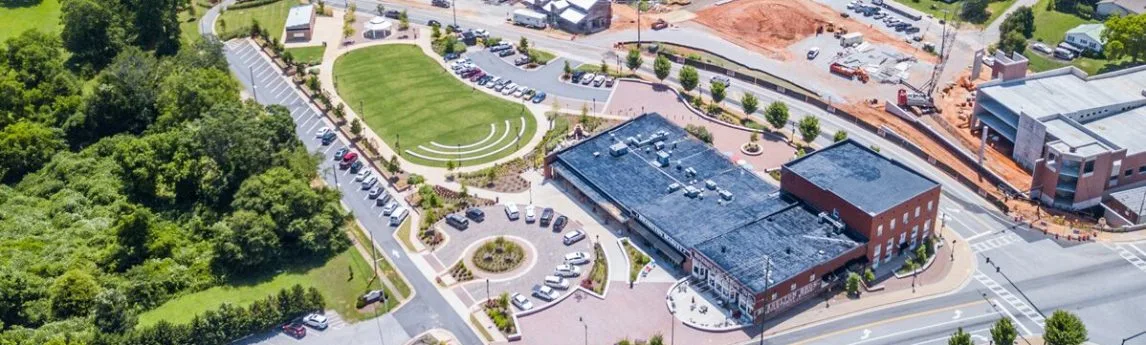
Water spreads through a Braselton home faster than most owners expect. Within hours, drywall wicks moisture upward, hardwood cups, and microbial growth begins colonizing damp cavities. Fire and smoke behave the same way - residue migrates into HVAC ductwork and settles inside wall voids long after flames are out.
Restoration work in Jackson and Barrow counties covers a connected set of services, each addressing a different stage or source of loss:
- Water Damage Restoration - extraction, structural drying, and monitoring of moisture levels in framing, subfloor, and insulation.
- Flooded Basement - pumping standing water, drying below-grade slabs and block walls, and identifying the entry point.
- Sewage Cleanup - removal of contaminated material, antimicrobial treatment, and safe disposal following Category 3 water protocols.
- Fire Damage Restoration - debris removal, structural cleaning, contents inventory, and coordinated reconstruction.
- Smoke Damage Restoration - soot removal from surfaces, duct cleaning, thermal fogging, and odor neutralization.
- Mold Removal - containment, HEPA filtration, removal of affected materials, and correction of the moisture source.
Most Braselton water losses require three to five days of drying with air movers and dehumidifiers running continuously. Reconstruction - drywall, flooring, trim, paint - typically adds one to three weeks depending on scope. A written timeline follows the initial assessment.
Common Damage Restoration Issues in Braselton, Georgia
Braselton straddles Jackson, Barrow, Gwinnett, and Hall counties, and the terrain along the Mulberry River corridor creates predictable trouble spots. Clay-heavy soil holds water against foundations rather than letting it drain away.
Frequent Causes of Loss
- Supply line and water heater failures in finished basements of newer subdivisions
- Grading and downspout issues that send stormwater toward foundation walls
- Sump pump failure during multi-day rain events or power outages
- Sewer backups from root intrusion in older laterals and from septic saturation on larger lots
- Kitchen fires, grill fires on attached decks, and electrical faults in aging panels
- HVAC condensate line clogs that soak ceilings and closet floors unnoticed
- Winter pipe bursts in unheated crawl spaces, garages, and attic runs
Warning Signs Worth Acting On
- Musty odor that intensifies when the air handler cycles on
- Baseboard separation, buckled laminate, or soft spots underfoot
- Efflorescence - white mineral crusting - on basement block walls
- Staining at ceiling seams or around bath fixtures on upper floors
- Persistent smoke odor weeks after a small kitchen or appliance fire
- Gurgling floor drains or slow drainage in the lowest fixtures of the house
Sewage backups deserve immediate professional attention. Contaminated water carries bacteria into porous materials such as carpet pad, particleboard, and insulation, and those materials rarely can be salvaged.
Neighborhoods We Serve in Braselton
Coverage extends across the Braselton area and neighboring Jackson County communities, including golf course subdivisions, older farmhouses on acreage, and newer townhome developments near I-85.
- Chateau Elan and surrounding golf and vineyard communities
- Downtown Braselton and the Highway 53 corridor
- Reunion, Cresswind, and other master-planned neighborhoods
- Mulberry River area homes and rural properties on septic systems
- Hoschton, Jefferson, Commerce, Pendergrass, Talmo, and Nicholson
- Nearby Hall, Barrow, and Gwinnett County lines - Flowery Branch, Auburn, and Dacula edges
Service covers single-family homes, rentals, condominiums, warehouses along the interstate, offices, and retail buildings. Property managers handling multiple Jackson County addresses often need documentation across several units at once, and reporting is organized accordingly.
Seasonal Damage Patterns in Braselton
Seasonal Damage Patterns in Braselton
North Georgia weather shifts the type of restoration work needed through the year.
- December through February - Freeze events break exposed pipes in crawl spaces and garages. Space heaters, fireplaces, and overloaded circuits drive fire and smoke damage calls.
- March through May - Heavy spring rain saturates clay soil, producing flooded basements, crawl space standing water, and seepage through foundation cracks.
- June through August - Humidity above 70 percent feeds mold growth in attics, closets, and behind furniture on exterior walls. AC condensate overflows and storm-driven roof leaks are common.
- September through October - Tropical remnants and sustained rainfall overwhelm septic fields and municipal lines, leading to sewage backups.
- November - Cooking fires rise around the holidays; smoke odor travels through ductwork into bedrooms far from the kitchen.
Mold remediation requests peak in late summer and again in early spring, usually tracing back to a water event weeks earlier that was never fully dried.
Housing Characteristics & Restoration Considerations
Braselton grew rapidly after 2000, so the housing stock splits into distinct groups that each drying and cleaning plan must account for.
Newer Construction - 2000 to Present
- Two- and three-story homes with slab or full basement foundations
- Engineered wood flooring and OSB subfloor that swell quickly when wet
- Tight building envelopes that trap humidity, raising mold risk after any leak
- Finished basements with carpet, drywall, and media rooms - high-value contents at the lowest elevation
- PEX and CPVC supply lines vulnerable at fittings and at water heater connections
Mid-Century and Older Homes
- Crawl space foundations with limited vapor barriers and poor ventilation
- Galvanized or polybutylene piping nearing end of service life
- Plaster, lath, and original hardwood requiring slower, controlled drying
- Knob-and-tube or updated-in-patches wiring, an ongoing fire consideration
- Cast iron and clay sewer laterals prone to root intrusion and collapse
How Construction Shapes the Work
Basement drying often calls for negative-pressure containment and specialty drying mats for concrete. Crawl space losses need encapsulation repair alongside dehumidification. Homes with open floor plans and shared return ducts spread smoke residue widely, so duct cleaning and HEPA air scrubbing become part of nearly every fire job. Multi-story townhomes require moisture mapping across shared walls to confirm neighboring units are dry.
Environmental Conditions & Damage Implications
Local climate and geology directly influence how losses develop and how long drying takes.
- Rainfall - roughly 50 to 55 inches annually, concentrated in winter and spring, keeps soil near foundations saturated for extended stretches.
- Humidity - summer dew points in the upper 60s and low 70s slow evaporation, so dehumidifier sizing matters more here than in drier regions.
- Soil - red Piedmont clay expands when wet and shrinks when dry, stressing foundation walls and opening seepage paths.
- Groundwater - shallow water tables in low-lying pockets near creeks push hydrostatic pressure against basement slabs.
- Air quality - pollen loads in spring and smoke particulate after a fire both burden HVAC filtration, making duct evaluation part of restoration.
Practical Effects
- Mold colonies can establish within 24 to 48 hours in Braselton summer conditions, so speed matters more than in cooler climates.
- Clay soil resists drainage, meaning exterior grading and downspout extensions are often recommended after a basement flood to prevent repeat events.
- Septic systems on larger rural lots back up during prolonged wet weather, producing Category 3 water that requires removal of affected porous materials.
- High ambient humidity extends drying schedules; moisture readings, not calendar days, determine when equipment comes out.
- Smoke odor lingers longer in humid air because residues remain reactive on surfaces, calling for sealing after cleaning.
Documentation and Insurance Coordination for Jackson County Property Owners
Clear records shorten the distance between a loss and a settled claim. Braselton homeowners, landlords, and commercial managers benefit when every phase of the job is recorded before, during, and after work.
What Thorough Documentation Includes
- Photo and video record of affected rooms before any material is removed
- Moisture readings by room and material, logged daily through the drying period
- Equipment placement records - air movers, dehumidifiers, air scrubbers - with run times
- Contents inventory for fire and smoke losses, separating salvageable from non-salvageable items
- Category and class designation for water losses, which determines cleanup protocol
- Scope of reconstruction needed, itemized by trade
Working Through a Claim
- Stop the source if safe - shut off the main valve, or the gas and power if fire or sewage is involved.
- Contact the restoration team so mitigation begins promptly; delayed response can complicate coverage.
- Notify your carrier and share the assessment report and photo documentation.
- Review the written timeline covering the drying phase and the reconstruction phase separately.
- Approve scope adjustments as hidden damage is discovered behind walls or under flooring.
Commercial and Rental Considerations
Warehouses along I-85, offices, and multi-tenant buildings carry added concerns - business interruption, tenant relocation, and access scheduling after hours. Property managers coordinating several Jackson County addresses generally need consolidated reporting per unit, along with clearance documentation after mold or sewage work.
IICRC-certified technicians follow published industry standards for water, fire, and mold work, which gives adjusters a recognized framework to review. That shared language keeps questions about method and scope to a minimum and moves repairs forward.





