
Damage Restoration in Gainesville, GA
- Damage Restoration Services Overview
- Common Damage Restoration Issues in Gainesville, Georgia
- Neighborhoods We Serve in Gainesville
- Seasonal Damage Patterns in Gainesville
- Housing Characteristics & Restoration Considerations
- Environmental Conditions & Damage Implications
- Emergency Response Standards for Lake Lanier Area Properties
Damage Restoration Services Overview
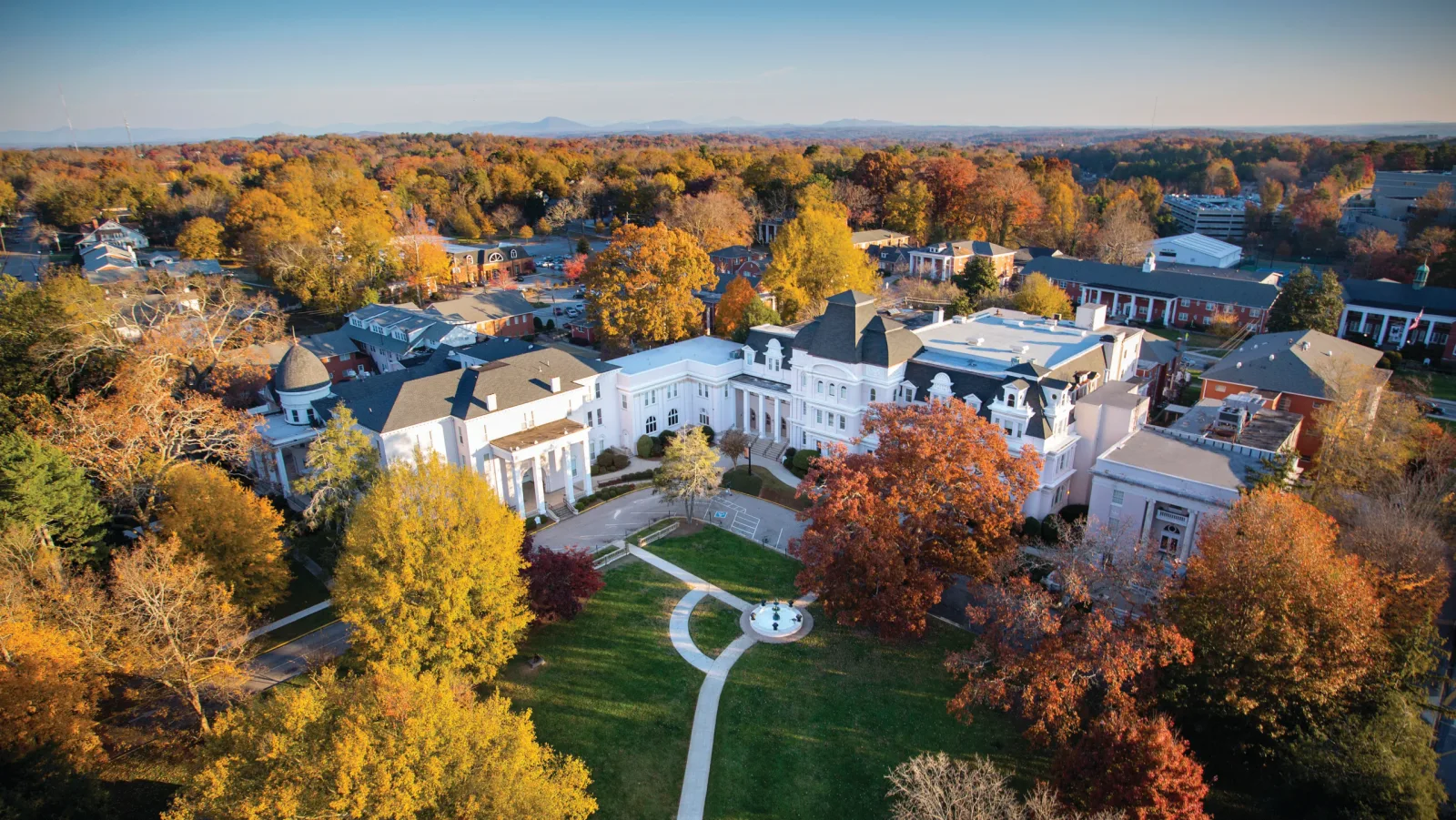
Gainesville sits at the north end of Lake Lanier in Hall County, where red clay soil, rolling terrain, and sudden North Georgia thunderstorms create a distinct set of property damage risks. Homes built on sloping lots with daylight basements, older houses near the historic downtown square, and newer subdivisions off Dawsonville Highway each present different challenges when water, fire, or mold takes hold.
Restoration crews serving the area handle a full range of emergency and remediation work:
- Water damage restoration - extraction, structural drying, and moisture mapping after plumbing failures, roof leaks, and storm intrusion
- Flooded basement cleanup - pumping standing water, drying below-grade walls, and addressing hydrostatic pressure sources
- Sewage cleanup - biohazard removal, disinfection, and disposal of contaminated porous materials
- Fire damage restoration - debris removal, structural cleaning, contents recovery, and reconstruction
- Smoke damage restoration - soot removal from surfaces and HVAC systems, plus odor neutralization
- Mold removal - containment, HEPA filtration, affected material removal, and moisture source correction
Fast response matters most in the first hours. Prompt extraction limits secondary damage, prevents mold colonization, and protects flooring, drywall, framing, and belongings that would otherwise be lost.
Common Damage Restoration Issues in Gainesville, Georgia
Local geography and building patterns drive most of the damage calls in Hall County. Heavy rain runs quickly off clay soil and collects against foundations rather than soaking in.
Frequent Causes of Loss
- Spring and summer thunderstorms dropping several inches of rain in a short window
- Wind-driven rain and fallen limbs damaging roofs and siding
- Basement seepage through block walls, cove joints, and window wells
- Failed sump pumps during power outages
- Burst supply lines and split hose bibs during January and February freezes
- Water heater ruptures, washing machine hose failures, and refrigerator line leaks
- Sewer line backups from tree root intrusion in older neighborhoods
- Kitchen grease fires, chimney fires, and electrical faults in aging panels
Warning Signs Worth Acting On
- Musty odors in basements, crawl spaces, or closets on exterior walls
- Bubbling paint, stained baseboards, or cupping hardwood floors
- Efflorescence - white mineral crusting - on foundation walls
- Gurgling drains or slow floor drains, which often precede a sewage backup
- Soot film on windows or a lingering smoke smell that returns in humid weather
- Recurring allergy symptoms that improve when occupants leave the house
Smoke residue travels far beyond the burn area, settling inside wall cavities and duct runs. Even a contained kitchen fire usually requires professional cleaning throughout the structure.
Neighborhoods We Serve in Gainesville
Coverage extends across Gainesville proper and the surrounding Hall County communities, including:
- Downtown Gainesville and the historic Green Street corridor
- Chicopee Woods, New Holland, and Chestnut Mountain
- Oakwood, Flowery Branch, and Braselton
- Lula, Clermont, Murrayville, and Sardis
- Lakeside communities along Lake Lanier - Cresswind, Harbour Point, and Marina Bay
- Neighborhoods off Thompson Bridge Road, Dawsonville Highway, and Browns Bridge Road
Service also reaches neighboring North Georgia counties including Lumpkin, White, Banks, Jackson, Dawson, and Forsyth. Crews familiar with local roads, lake access points, and municipal utility contacts reach properties quickly - an advantage when a basement is filling or a fire scene has just been released by the fire department.
Seasonal Damage Patterns in Gainesville
Winter (December - February)
- Frozen and burst pipes in crawl spaces, garages, and unheated basements
- Fire and smoke damage from space heaters, fireplaces, and holiday cooking
- Ice dam and gutter backup leaks during brief cold snaps
Spring (March - May)
- Peak severe weather season - straight-line winds, hail, and tornado-producing systems
- Flooded basements from saturated clay soil and prolonged rainfall
- Storm-driven roof and window leaks
Summer (June - August)
- Highest mold growth activity, driven by humidity above 70 percent
- HVAC condensate line clogs and overflowing drain pans
- Lightning strikes causing electrical fires and power surges
- Sewage backups after intense afternoon downpours overwhelm lines
Fall (September - November)
- Tropical system remnants pushing heavy rain into North Georgia
- Leaf-clogged gutters and downspouts redirecting water toward foundations
- Chimney and flue fires as heating systems restart after months idle
Housing Characteristics & Restoration Considerations
Gainesville's housing stock spans more than a century of construction, and the age of a structure shapes nearly every restoration decision.
Older Homes (pre-1980)
- Historic districts near Green Street feature plaster walls, wood lath, and original hardwood that require slower, controlled drying
- Cast iron and clay sewer laterals crack and root-intrude, raising sewage cleanup frequency
- Asbestos-containing floor tile, mastic, and pipe wrap may need testing before demolition
- Balloon framing lets smoke and fire travel vertically inside wall cavities
- Knob-and-tube or early wiring increases electrical fire risk
Mid-Century and Ranch Homes
- Unfinished or partially finished basements with block walls prone to seepage
- Vented crawl spaces that trap humidity and support mold on floor joists and subfloor
- Limited insulation, allowing pipes in exterior walls to freeze
Newer Construction (2000 - present)
- Tighter envelopes hold moisture longer once water enters, accelerating mold growth
- Multi-level homes on sloped lots channel water into finished basement living space
- Engineered wood products, OSB subfloor, and laminate flooring degrade quickly when saturated
- Complex HVAC zoning distributes smoke and soot throughout the home
Restoration plans account for these differences by selecting drying equipment placement, containment methods, and material removal scope that match the actual assembly rather than a one-size approach.
Environmental Conditions & Damage Implications
North Georgia's humid subtropical climate sets the baseline for how quickly damage escalates in Gainesville properties.
Climate and Humidity
- Annual rainfall commonly exceeds 55 inches - among the wettest areas of the state
- Summer dew points sustain indoor humidity that supports mold within 24 to 48 hours of wetting
- Wide spring and fall temperature swings cause condensation on ductwork and cold surfaces
Soil and Drainage
- Georgia red clay holds water and expands, pressing against foundation walls
- Poor percolation means downspout discharge pools near the structure instead of draining away
- Hilly terrain around Lake Lanier directs surface runoff toward daylight basements and garages
- Shifting clay opens hairline foundation cracks that become chronic seepage points
Water and Air Quality
- Municipal water from Lake Lanier is moderately treated; private wells in outlying areas may carry iron and sediment that stain materials after a leak
- Pollen loads in spring combine with mold spores to worsen indoor air quality after water intrusion
- Smoke particulate and VOCs from fire damage bind to porous surfaces and require HEPA filtration plus hydroxyl or ozone treatment
These conditions justify aggressive dehumidification targets, moisture readings verified over multiple days, and post-remediation verification rather than visual inspection alone.
Emergency Response Standards for Lake Lanier Area Properties
Properties near Lake Lanier and along the Chattahoochee corridor face restoration scenarios that differ from inland homes. Boat docks, terraced lots, walkout basements, and finished lower-level living space mean water arrives from directions standard drainage never anticipated.
How Professional Response Unfolds
- Emergency contact and dispatch - crews gather details on water source, affected levels, and utility status while en route
- Inspection and damage assessment - moisture meters, thermal imaging, and hygrometers map the true extent behind walls and under flooring
- Water category and class determination - clean, gray, or black water classification per IICRC S500 guidance drives whether materials can be dried or must be removed
- Extraction and containment - truck-mounted or portable extraction, plus negative-pressure containment for sewage and mold work
- Structural drying - air movers and LGR dehumidifiers set to documented drying goals, with daily moisture logs
- Cleaning and sanitizing - antimicrobial application, soot and residue removal, HVAC cleaning, and odor treatment
- Reconstruction - drywall, flooring, trim, cabinetry, and paint returning the space to pre-loss condition
Standards That Guide the Work
- IICRC S500 for water damage restoration and drying verification
- IICRC S520 for mold remediation, containment, and post-remediation verification
- IICRC S700 for fire and smoke damage cleaning protocols
- OSHA bloodborne pathogen precautions during sewage and biohazard cleanup
- Documented photos, moisture readings, and scope notes formatted for insurance carriers
Locally owned companies have served North Georgia for decades, and that longevity matters when a claim involves an adjuster, a mortgage company, and a Hall County building permit all at once. Technicians certified in water, fire, and mold disciplines handle each phase in sequence so no hidden moisture or residual odor resurfaces months later.





