
Damage Restoration in Flowery Branch, GA
- Damage Restoration Services Overview
- Common Damage Restoration Issues in Flowery Branch, Georgia
- Neighborhoods We Serve in Flowery Branch
- Seasonal Damage Patterns in Flowery Branch
- Seasonal Damage Patterns in Flowery Branch
- Housing Characteristics & Restoration Considerations
- Environmental Conditions & Damage Implications
- Emergency Response Standards for Lake Lanier Area Properties
Damage Restoration Services Overview
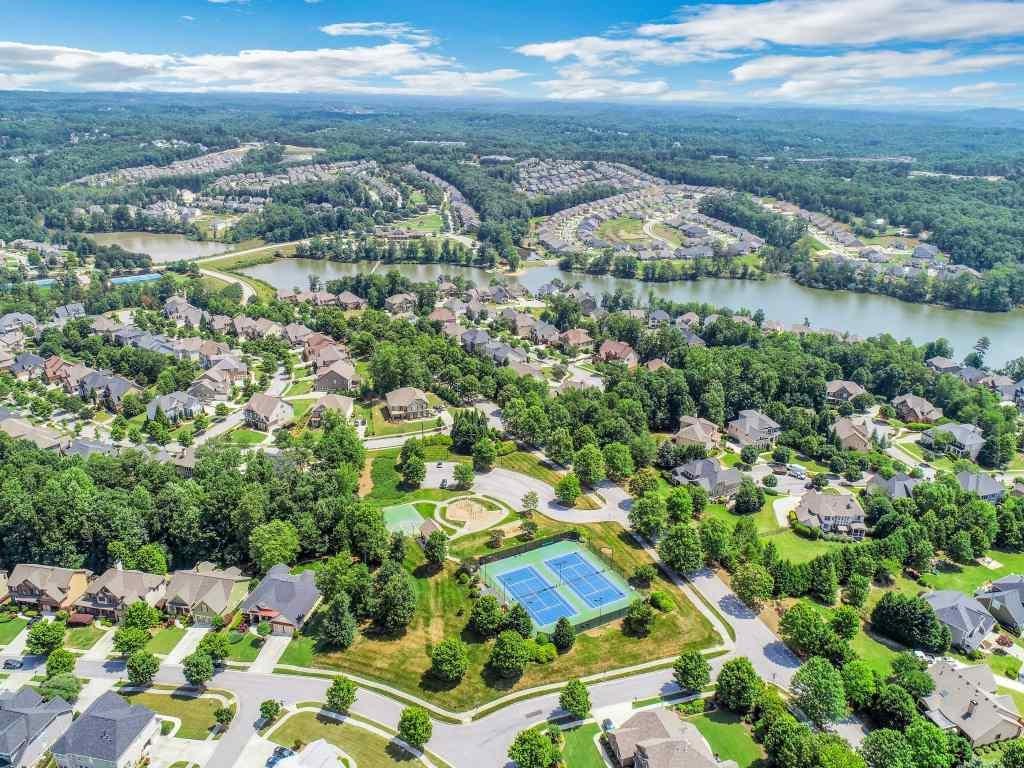
Flowery Branch sits along the southern shoreline of Lake Lanier, where humid Georgia summers, red clay soil, and rolling terrain create a distinct set of restoration challenges. Water travels downhill fast here, basements sit below grade on sloped lots, and high humidity gives mold a head start whenever moisture lingers.
Full-service restoration for Hall County homes and businesses covers the entire spectrum of property loss:
- Water Damage Restoration - extraction, structural drying, and moisture mapping after supply line breaks, appliance failures, and roof leaks
- Flooded Basement Cleanup - sump pump failures, foundation seepage, and stormwater intrusion on lakeside and hillside lots
- Sewage Cleanup - septic backups, main line blockages, and Category 3 contamination requiring controlled removal
- Fire Damage Restoration - stabilization, debris removal, structural cleaning, and reconstruction support
- Smoke Damage Restoration - soot removal, thermal fogging, HVAC decontamination, and odor neutralization
- Mold Removal - containment, HEPA filtration, antimicrobial treatment, and moisture source correction
Local providers including SERVPRO, Restoration 1, Matrix Mitigation, and Georgia Dryout maintain 24/7 emergency availability for Flowery Branch, along with wind and storm damage response. Fast arrival matters: the difference between drying a subfloor and replacing it is often measured in hours, not days.
Common Damage Restoration Issues in Flowery Branch, Georgia
Geography and climate drive most losses in this corner of Hall County. Properties near Lake Lanier, Cedar Creek, and the Mulberry River corridor face elevated groundwater pressure, while newer subdivisions off Spout Springs Road contend with compacted clay that sheds rainfall rather than absorbing it.
Frequent Causes of Loss
- Thunderstorm downpours overwhelming gutters, downspouts, and window wells
- Hydrostatic pressure forcing water through foundation cracks and cold joints
- Sump pump failure during power outages from summer storms
- Septic system saturation in rural areas outside city sewer service
- Frozen or burst supply lines during January cold snaps
- Water heater and washing machine hose failures in homes 15+ years old
- Kitchen grease fires, fireplace and chimney fires, and electrical faults in older wiring
- Wind-driven rain and tree fall from pines weakened by saturated clay
Warning Signs Worth Acting On
- Musty odors in basements, crawl spaces, or closets along exterior walls
- Efflorescence - white mineral streaking - on block or poured foundation walls
- Buckling hardwood, cupping laminate, or soft spots underfoot
- Staining at ceiling seams or around bath fan and skylight penetrations
- Gurgling drains or slow toilets signaling a developing sewer or septic backup
- Lingering smoke odor that returns when the HVAC system cycles on
- Unexplained allergy or asthma flare-ups that ease when occupants leave the house
Any of these signs justify a moisture inspection. Hidden water behind drywall can support visible mold growth within 24 to 48 hours in Georgia's summer humidity.
Neighborhoods We Serve in Flowery Branch
Emergency response covers the full 30542 service area and neighboring communities throughout southern Hall County.
- Historic downtown Flowery Branch - older homes near Railroad Avenue and Main Street with vintage plumbing and wood framing
- Sterling on the Lake - large master-planned community with basement-level living space
- Reunion, Royal Lakes, and Village at Deaton Creek - established subdivisions along Spout Springs Road
- Lakefront and cove properties near Lanier's southern shoreline, Aqualand, and Holiday Marina areas
- Cinnamon Cove, Sterling Shores, and Chestnut Mountain corridor properties
- Surrounding areas - Oakwood, Buford, Braselton, Hoschton, Gainesville, Sugar Hill, and Chestnut Mountain
Crews also serve commercial properties along Atlanta Highway, Thurmon Tanner Parkway, and the Friendship Road business corridor, including offices, restaurants, warehouses, and multifamily buildings.
Seasonal Damage Patterns in Flowery Branch
Seasonal Damage Patterns in Flowery Branch
Restoration call volume in Hall County shifts predictably with the calendar.
- December through February: Frozen pipe breaks in crawl spaces, garages, and exterior walls; heating equipment, space heater, and chimney fires peak; holiday cooking fires spike around late November and December
- March through May: Severe thunderstorm and tornado season brings wind damage, roof leaks, and flooded basements; spring rain saturates clay soil and raises groundwater
- June through August: Peak mold season as dew points climb into the 70s; air conditioning condensate line clogs, overflowing drain pans, and afternoon storm flooding dominate; septic systems struggle in saturated ground
- September through November: Remnants of tropical systems from the Gulf and Atlantic deliver heavy rainfall; falling leaves clog gutters and cause fascia and soffit water intrusion; first fireplace use of the season exposes neglected chimneys
Sewage backups cluster after prolonged rainfall in any season, when saturated drain fields and infiltrated sewer lines lose capacity. Smoke damage claims often trail fires by days, once occupants notice odor and soot residue spread through ductwork.
Housing Characteristics & Restoration Considerations
Flowery Branch grew rapidly after 2000, so the housing stock splits into distinct groups - each with its own vulnerabilities.
Housing Profile
- Pre-1970 homes in the historic core: wood siding, hardwood floors, crawl spaces, and sometimes galvanized or polybutylene plumbing remnants
- 1980s-1990s homes: aging water heaters, original HVAC condensate systems, and finished basements built before modern vapor barrier practices
- 2000s-present subdivisions: two-story frame construction with brick or fiber cement veneer, daylight or full basements, and tight building envelopes
How Construction Affects Restoration
- Basements and daylight foundations require negative-air containment and specialized drying because concrete and block hold moisture long after standing water is removed.
- Crawl space homes demand vapor barrier replacement and joist drying; insulation saturated by a plumbing leak or sewage release is removed rather than dried.
- Engineered flooring and MDF trim common in newer builds swell quickly and often need replacement, while solid hardwood can sometimes be saved with mat drying systems.
- Tight modern envelopes trap smoke odor and humidity, making HVAC cleaning and hydroxyl or ozone treatment central to fire and smoke restoration.
- Older knob-and-tube or aluminum wiring increases electrical fire risk and requires licensed evaluation before power is restored.
- Septic-served rural properties need drain field assessment alongside interior sewage decontamination.
Environmental Conditions & Damage Implications
Local soil, water, and climate conditions shape how damage develops and how drying is approached.
Regional Conditions
- Rainfall: roughly 50-55 inches annually, delivered in intense bursts that overwhelm surface drainage
- Humidity: summer relative humidity frequently above 70 percent, keeping outdoor air useless for drying without dehumidification
- Soil: Piedmont red clay with low permeability - it expands when wet, shrinks when dry, and stresses foundations while directing water toward walls
- Topography: rolling hills and lakeside slopes concentrate runoff at downhill structures
- Groundwater: proximity to Lake Lanier and its tributaries keeps the water table high in low-lying neighborhoods
- Pollen and airborne particulates: heavy spring tree pollen loads filters and compounds indoor air quality problems after fire or mold events
What This Means for Restoration Work
- Desiccant or LGR dehumidifiers are required rather than simple airflow, since ambient air offers little drying capacity for much of the year
- Clay backfill slows natural evaporation from foundation walls, extending structural drying timelines
- Warm temperatures accelerate bacterial growth in sewage losses, making rapid Category 3 protocols essential
- Mold spores are always present in the outdoor environment, so moisture control - not sterilization - is the actual remediation goal
- Fine soot particles combine with humidity to bond to surfaces, requiring solvent and dry-cleaning methods matched to residue type
Emergency Response Standards for Lake Lanier Area Properties
Properties near Lake Lanier face conditions many inland homes never encounter: docks and boathouses, sloped lots that channel runoff into lower levels, and finished basements used as guest space or short-term rentals. Restoration work here follows recognized industry standards while adapting to those realities.
Standards That Guide the Work
- IICRC S500 - the standard for professional water damage restoration, defining water categories, drying classes, and documentation requirements
- IICRC S520 - the mold remediation standard covering containment, HEPA filtration, and post-remediation verification
- IICRC S700 - fire and smoke damage restoration guidance for residue identification and odor control
- EPA and Georgia Department of Public Health guidance for handling sewage-contaminated materials and disposal
A Typical Emergency Sequence
- Phone triage - immediate safety guidance, including shutting off water at the main or leaving the structure after a fire
- Rapid dispatch - 24/7 crews from Flowery Branch, Oakwood, Buford, and Gainesville respond around the clock
- Assessment and documentation - moisture meters, thermal imaging, and photo records that support the insurance claim
- Containment and safety - electrical isolation, negative pressure barriers, and PPE protocols for contaminated water
- Extraction and removal - truck-mounted extraction, controlled demolition of unsalvageable materials, and soot-laden contents removal
- Drying and treatment - air movers, dehumidifiers, antimicrobial application, and daily moisture readings until dry standards are met
- Cleaning and deodorization - HVAC decontamination, contents cleaning, and odor neutralization
- Reconstruction - drywall, flooring, paint, and cabinetry to return the property to pre-loss condition
Documented drying logs and clear scope of work also make the difference when working with adjusters. Homeowners in Hall County benefit from crews familiar with local building practices, county permitting, and the septic and stormwater systems that serve neighborhoods outside city sewer lines.





