
Damage Restoration in Fayetteville, GA
- Damage Restoration Services Overview
- Common Damage Restoration Issues in Fayetteville, Georgia
- Neighborhoods We Serve in Fayetteville
- Seasonal Damage Patterns in Fayetteville
- Housing Characteristics & Restoration Considerations
- Environmental Conditions & Damage Implications
- Insurance Documentation and Emergency Response in Fayette County
Damage Restoration Services Overview
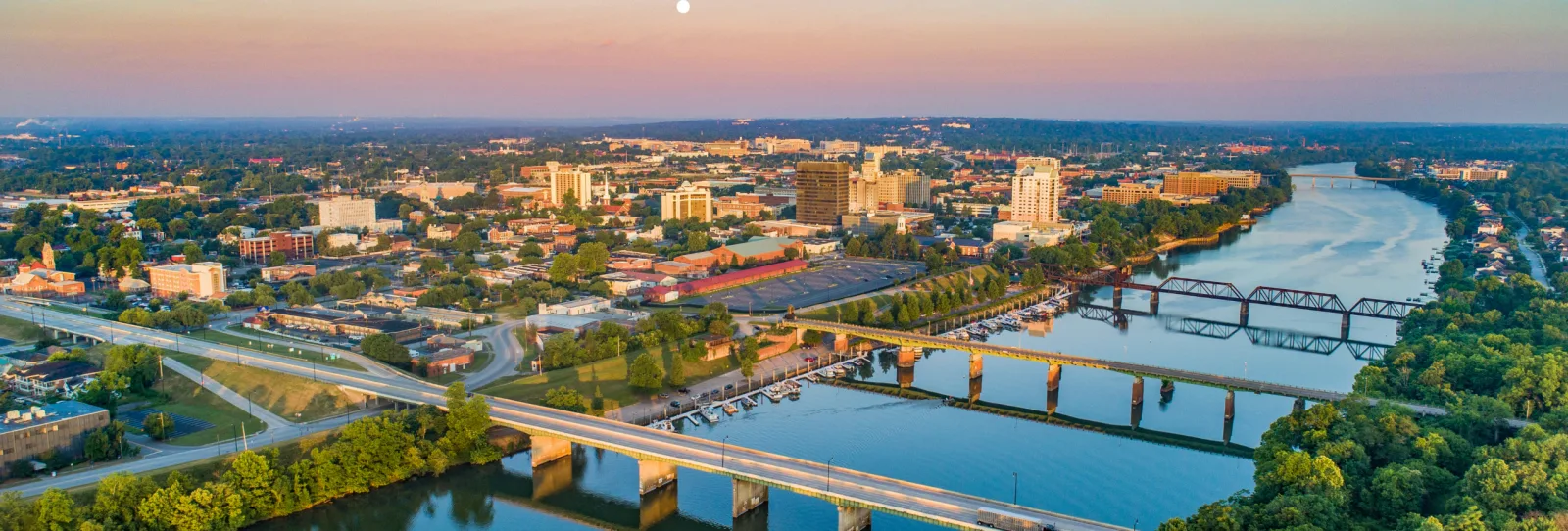
Fayetteville sits in a part of Georgia where the odds of a tornado are roughly 60% higher than the national average - a statistic that surprises many of the nearly 20,000 residents who call this Fayette County seat home. Add humid subtropical summers, spring thunderstorm clusters, and aging plumbing in homes built decades ago, and property damage becomes a matter of when, not if.
Full-service restoration for Fayetteville properties typically spans six connected specialties:
- Water Damage Restoration - extraction, structural drying, and moisture mapping after leaks, storms, or appliance failures
- Flooded Basement - pump-outs, below-grade dehumidification, and treatment of saturated walls and flooring
- Sewage Cleanup - removal of contaminated material, antimicrobial treatment, and safe disposal
- Fire Damage Restoration - debris removal, structural cleaning, and rebuilding of damaged areas
- Smoke Damage Restoration - soot removal, thermal fogging, HVAC cleaning, and odor neutralization
- Mold Removal - containment, air filtration, material removal, and humidity correction
Benefits for local homeowners go beyond cosmetics: faster drying limits secondary mold growth, documented moisture readings support insurance claims, and coordinated cleanup keeps a small kitchen fire or slab leak from becoming a whole-house rebuild.
Common Damage Restoration Issues in Fayetteville, Georgia
Local geography, red clay soil, and Georgia weather combine to create a fairly predictable set of restoration calls across Fayette County.
Leading Causes
- Flash flooding after fast-moving thunderstorms overwhelms yard drainage and window wells
- Supply line and water heater failures - often in closets or attics, where leaks go unseen for days
- Clogged or root-invaded sewer laterals backing up into basements and lower-level bathrooms
- Cooking fires, unattended candles, and out-of-control fireplace embers during cold Georgia nights
- Aging or overloaded wiring in older homes near the historic downtown square
- HVAC condensate line clogs that drip quietly into ceilings all summer
- Tornado and straight-line wind damage that opens roofs to wind-driven rain
Warning Signs to Act On
- Musty odors in crawl spaces, closets, or near return air vents
- Cupping hardwood, bubbling paint, or soft baseboards
- Brown ceiling rings that reappear after each heavy rain
- Gurgling drains or slow toilets in multiple fixtures at once - a classic sewer main indicator
- A lingering campfire smell weeks after a small kitchen fire, meaning soot residue remains in ductwork and porous surfaces
- Unexplained allergy symptoms that improve when residents leave the house
Because summer humidity in Fayetteville regularly stays high, mold colonies can establish themselves within a day or two of an unaddressed leak. Speed matters far more here than in dry climates.
Neighborhoods We Serve in Fayetteville
Restoration crews cover the full city footprint along with the wider Fayette County area, including:
- Historic downtown Fayetteville and the neighborhoods surrounding the courthouse square
- Corridors along Highway 85, Highway 54, and Jeff Davis Drive
- Whitewater and Starr's Mill area subdivisions
- Lake Horton and Lake McIntosh vicinity properties
- Established communities near Bethea Road, Carnes Drive, and Grady Avenue
- Golf-course and lake-adjacent developments in the northern part of the county
- Surrounding areas including Peachtree City, Tyrone, Brooks, Woolsey, Senoia, Jonesboro, and south Atlanta communities
Coverage extends to single-family homes, townhome communities, churches, schools, and small commercial buildings along the city's retail corridors. Because Fayetteville is compact, crews can typically reach most addresses quickly after a storm, which keeps standing water from soaking deeper into subfloors and drywall.
Seasonal Damage Patterns in Fayetteville
- January - February: Heating season peaks. Fireplace and space heater fires, plus occasional pipe freezes in uninsulated crawl spaces, drive fire and water damage calls.
- March - April: Severe weather season. Tornado watches, hail, and heavy rain cause roof breaches, flooded basements, and storm-driven water intrusion.
- May - June: Rising humidity turns spring moisture into mold problems. Crawl space and attic mold removal requests climb sharply.
- July - August: Georgia heat stresses appliances and HVAC systems. Condensate overflows, washing machine hose bursts, and afternoon thunderstorm flooding dominate.
- September - October: Tropical system remnants push inland with sustained rainfall, saturating clay soil and pushing groundwater against foundations. Sewer backups increase when systems run at capacity.
- November - December: Holiday cooking fires and smoke damage spike. Decorative lighting and older wiring add electrical fire risk.
Mold remains a year-round concern in Fayetteville because indoor humidity rarely drops low enough to stop growth completely.
Housing Characteristics & Restoration Considerations
Fayetteville's housing stock mixes antebellum-era and early 1900s homes near the square with heavy suburban growth from the 1980s through the 2000s. Each era brings its own restoration challenges.
Older Homes (pre-1960)
- Plaster walls and original hardwood require slower, controlled drying to prevent warping and cracking
- Knob-and-tube or early cloth-insulated wiring raises fire risk and complicates rebuilds
- Vented crawl spaces with dirt floors invite mold and wood decay
- Cast iron and clay sewer lines are prone to cracking and root intrusion, leading to sewage backups
Suburban Builds (1980s - 2000s)
- Slab-on-grade construction hides plumbing leaks until flooring lifts or baseboards darken
- Basement and daylight-basement designs on sloped lots are vulnerable to hydrostatic pressure after long rains
- Engineered wood, OSB subfloors, and vinyl plank hold trapped moisture and often need removal rather than drying
- Attic-mounted air handlers can flood ceilings below when drain pans overflow
Newer Construction
- Tighter building envelopes trap smoke odor and humidity, making air scrubbing and duct cleaning more important
- Open floor plans allow soot and water to spread across large areas quickly
- Multi-story layouts mean upstairs laundry leaks can affect three levels at once
Restoration plans in Fayetteville therefore start with identifying construction type, then matching drying equipment, containment, and rebuild materials to what the structure can tolerate.
Environmental Conditions & Damage Implications
Fayetteville's humid subtropical climate shapes nearly every restoration decision made here.
- Rainfall: Generous annual totals delivered in intense bursts overwhelm gutters, downspouts, and yard grading - a primary driver of flooded basement calls
- Humidity: Elevated dew points for much of the year slow natural evaporation, requiring commercial dehumidification rather than fans and open windows
- Georgia red clay soil: Dense and slow-draining, it holds water against foundation walls and expands and contracts, stressing footings and creating crack pathways for seepage
- Tree canopy: Mature oaks and pines drop limbs during storms and send roots into sewer laterals, causing both roof punctures and backups
- Air quality: Pollen-heavy springs and summer ozone mean HVAC systems already carry a load of particulates; smoke and soot residue compound respiratory irritation
- Groundwater: Shallow water tables near Lake Horton, Lake McIntosh, and area creeks raise seepage risk for below-grade spaces
Practical implications include extended dehumidification periods for wet structures, mandatory containment during mold removal so spores don't travel through returns, and negative air machines with HEPA filtration during smoke cleanup. Sewage cleanup in clay soil areas often reveals that the original problem is exterior line failure, not an interior clog - meaning proper resolution requires both decontamination and drainage correction.
Insurance Documentation and Emergency Response in Fayette County
A restoration project in Fayetteville succeeds or stalls based on how well the first 24 hours are documented. Georgia insurance carriers expect evidence that damage was mitigated promptly, and thorough records protect homeowners during claim review.
What Strong Documentation Includes
- Photos and video of affected areas before any material is removed
- Moisture meter and thermal imaging readings mapped room by room
- Daily drying logs showing equipment placement and humidity progress
- Inventory of removed materials and unsalvageable contents
- Air sampling results when mold removal is part of the scope
- Cause-of-loss notes distinguishing storm flooding from plumbing failure - a distinction that affects coverage
Steps to Take Before Crews Arrive
- Shut off water at the main valve or cut power to the affected area if it is safe to do so.
- Photograph everything, including standing water depth and ceiling stains.
- Move valuables, electronics, and documents to a dry, unaffected room.
- Avoid contact with sewage-contaminated water and keep children and pets out of the area.
- Do not run HVAC after a fire - it circulates soot into clean parts of the house.
- Notify your insurance carrier and open a claim number.
Why Local Response Speed Matters
Fayetteville's proximity to south Atlanta means multiple qualified providers operate here, from Apex 1 Restoration and BOSS Contracting to Restoration 1, RCM Restoration Services, and 911 Restoration of South Atlanta. When a tornado warning or spring storm cell affects several neighborhoods at once, local crews already staged in Fayette County reach properties before secondary damage sets in. Around-the-clock availability for water extraction, sewage decontamination, smoke deodorization, and mold containment is the difference between drying a structure and replacing it.





