
Damage Restoration in Grovetown, GA
- Damage Restoration Services Overview
- Common Damage Restoration Issues in Grovetown, Georgia
- Neighborhoods We Serve in Grovetown
- Seasonal Damage Patterns in Grovetown
- Housing Characteristics & Restoration Considerations
- Environmental Conditions & Damage Implications
- What Happens in the First 24 Hours After Damage in Grovetown
Damage Restoration Services Overview
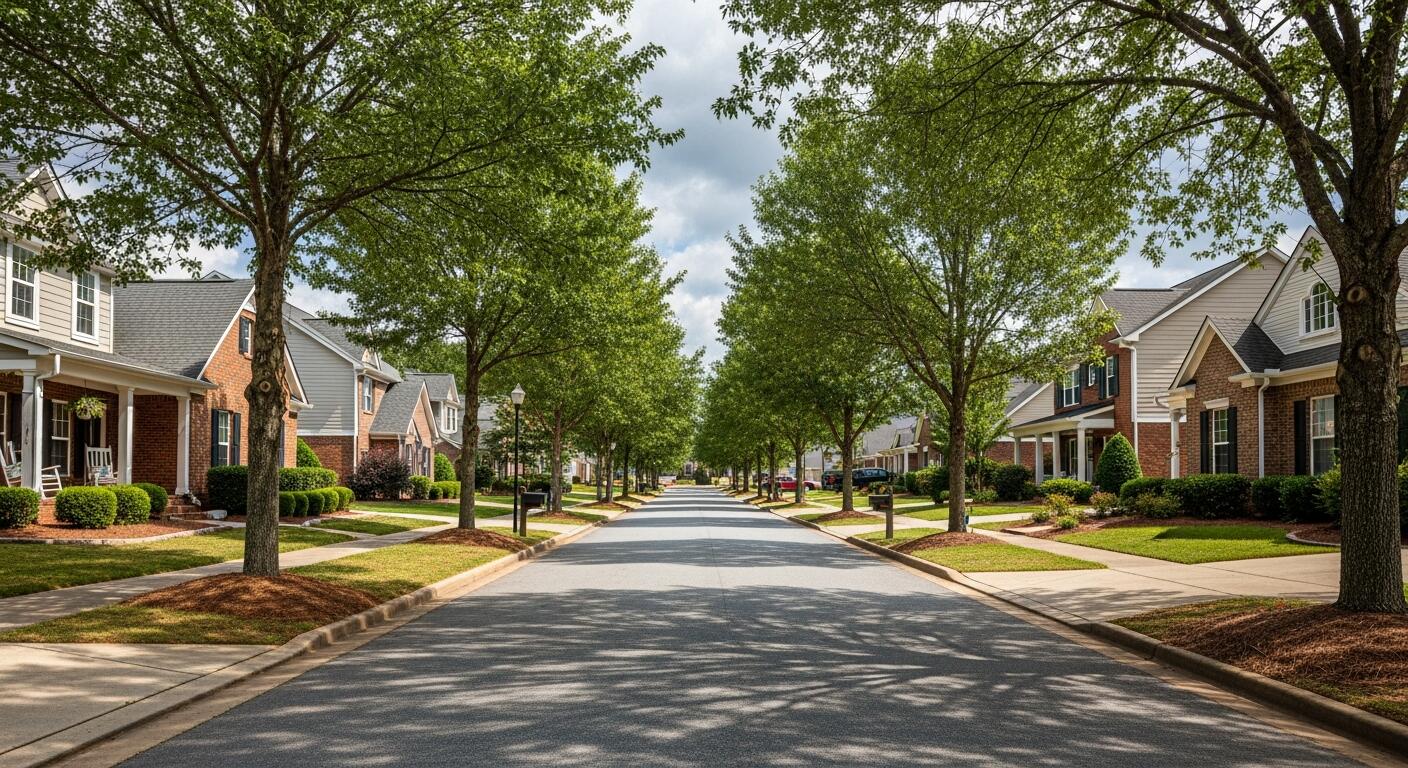
Grovetown has grown from a small railroad stop of a few hundred residents into one of Columbia County's fastest-expanding cities - a population boom that has left the area with a striking mix of brand-new subdivisions and homes built decades ago on aging drainage systems. That combination means water, fire, and mold problems here look very different from one street to the next.
Our restoration teams are available 24/7 to handle emergencies for homes and businesses throughout the Grovetown area, with training to tackle difficult damage removal work in both residential and commercial properties.
- Water Damage Restoration - extraction, structural drying, and moisture mapping after pipe failures, roof leaks, and appliance overflows.
- Flooded Basement - pump-out, dehumidification, and treatment of below-grade spaces and crawl areas.
- Sewage Cleanup - biohazard removal, disinfection, and safe disposal of contaminated materials after backups.
- Fire Damage Restoration - debris removal, structural stabilization, contents cleaning, and full reconstruction.
- Smoke Damage Restoration - soot removal, thermal fogging, HVAC cleaning, and odor neutralization.
- Mold Removal - containment, air filtration, affected material removal, and humidity correction.
Acting quickly protects framing, drywall, flooring, and indoor air quality - and keeps a manageable loss from becoming a total reconstruction project.
Common Damage Restoration Issues in Grovetown, Georgia
Grovetown sits in the humid Southeast, where summer heat, sudden thunderstorms, and clay-heavy soil combine to stress residential structures year-round.
Local Factors Driving Damage
- Intense downpours that overwhelm gutters, downspouts, and neighborhood storm drains within minutes.
- Expansive red clay soil that swells and shifts, cracking foundations and slab edges.
- High ambient humidity that keeps building materials damp long after visible water disappears.
- Aging sewer laterals in older sections, plus tree root intrusion from mature pines and oaks.
- Winter cold snaps that freeze exposed pipes in crawl spaces and unheated garages.
- Space heaters, fireplaces, and outdoor grills - common ignition sources for residential fires.
Warning Signs Worth a Phone Call
- Musty odors in closets, hallway HVAC returns, or below-grade rooms.
- Bubbling paint, stained ceilings, or baseboards that feel soft to the touch.
- Water pooling against the foundation after a storm, or efflorescence on block walls.
- Gurgling drains, slow toilets, or sewage odor near cleanouts - early signs of a backup.
- Persistent smoke smell that returns when the air conditioning cycles on, indicating soot in ductwork.
- Unexplained allergy or respiratory symptoms that improve when family members leave the house.
Small leaks rarely stay small in this climate. Mold colonies can establish themselves in wet drywall and carpet padding quickly, which is why moisture readings and documentation matter from the first hour.
Neighborhoods We Serve in Grovetown
Our crews cover all of Grovetown and the surrounding Columbia County and Augusta corridor, including established streets near the historic downtown and newer master-planned communities.
- Downtown Grovetown and the Robinson Avenue corridor
- Neighborhoods along Wrightsboro Road, Louisville Road, and Baker Place Road
- Communities near Euchee Creek and Reed Creek watersheds
- Subdivisions surrounding Grovetown Elementary, Euchee Creek Elementary, and Grovetown High School
- Harlem, Appling, Evans, and Martinez
- Fort Eisenhower area housing and nearby rental properties
- West Augusta and the Riverwatch Parkway corridor
- Commercial and retail properties along Columbia Road and Lewiston Road
Because response time drives outcomes, we dispatch locally rather than routing calls through distant hubs - important for military families, landlords, and business owners who need documentation started immediately.
Seasonal Damage Patterns in Grovetown
Each season brings a distinct mix of restoration calls across the CSRA.
Spring (March - May)
- Severe thunderstorms and tornado-adjacent wind driving rain through roofs and windows
- Flooded basements and saturated crawl spaces from saturated clay soil
- First mold growth of the year as temperatures climb
Summer (June - August)
- Peak mold removal season - dew points stay high for weeks
- Condensation damage from overworked or leaking HVAC systems
- Tropical system remnants pushing inland with sustained rainfall
- Lightning strikes causing attic and electrical fires
Fall (September - November)
- Clogged gutters from pine straw and leaf drop, redirecting water to foundations
- Sewage backups as root systems seek moisture in dry spells
- Early heating-season fire and smoke damage from first furnace and fireplace use
Winter (December - February)
- Frozen and burst pipes in crawl spaces, attics, and exterior walls
- Kitchen fires during holiday cooking
- Smoke damage from improperly vented chimneys and space heaters
Housing Characteristics & Restoration Considerations
Grovetown's housing stock splits roughly into three groups, and each responds differently to water, fire, and mold.
Homes Built Before 1980
- Often on raised crawl space foundations with limited vapor barriers - prime conditions for mold growth and floor system rot.
- May contain galvanized or polybutylene supply lines prone to sudden failure.
- Plaster, older paneling, and layered flooring can trap moisture and require careful removal.
- Asbestos-containing materials and lead paint call for controlled handling during fire and water repairs.
1990s - 2000s Construction
- Slab-on-grade layouts where water spreads laterally under laminate and tile before appearing at baseboards.
- Attic-mounted air handlers whose drain pan overflows damage ceilings below.
- Finished bonus rooms and basements that collect humidity and hide leaks.
New Subdivision Homes
- Tight building envelopes trap moisture and smoke odor, making air scrubbing and controlled drying more important.
- Engineered wood, OSB sheathing, and paper-faced drywall degrade quickly when wet.
- Fresh landscaping and immature grading can channel storm runoff toward foundations.
- Open floor plans allow soot and odor to travel through the entire structure during a fire.
Our approach includes moisture mapping, targeted material removal, and reconstruction that matches existing finishes - from crown molding in older homes to modern luxury vinyl plank in newer builds.
Environmental Conditions & Damage Implications
The local environment shapes how quickly damage spreads and how drying must be managed.
Climate and Humidity
- Long, humid summers with dew points frequently in the 70s slow natural evaporation.
- Annual rainfall well above the national average, often delivered in short, heavy bursts.
- Mild winters punctuated by brief hard freezes - long enough to burst unprotected pipes.
- Drying requires dehumidification, not just air movement, or moisture simply relocates.
Soil and Drainage
- Piedmont red clay drains slowly, holding water against foundation walls and footings.
- Hydrostatic pressure pushes moisture through block walls and slab cracks into basements.
- Seasonal soil movement opens gaps where water and pests enter crawl spaces.
Air and Water Quality
- High pollen loads combine with mold spores to worsen indoor air quality after water losses.
- Smoke residues bond aggressively to synthetic surfaces in humid air, requiring specialized cleaning agents.
- Sewage backups introduce Category 3 contamination - porous materials generally cannot be salvaged.
- Post-loss verification includes moisture readings and, where appropriate, air quality assessment before rebuilding.
Understanding these conditions lets us set drying goals based on local equilibrium moisture content rather than generic benchmarks - the difference between a home that stays dry and one that develops mold weeks later.
What Happens in the First 24 Hours After Damage in Grovetown
The first day determines how much of your property is saved. Here is how an emergency call typically unfolds.
- Immediate contact. Phones are answered around the clock, every day of the year. We gather details about the water source, fire extent, or odor complaint and advise on safety steps - shutting off power, avoiding contaminated water, leaving the structure if smoke is present.
- Rapid dispatch. A local crew arrives with extraction units, air movers, dehumidifiers, HEPA air scrubbers, and personal protective equipment.
- Assessment and documentation. Technicians use moisture meters, thermal imaging, and photo documentation to map affected areas - including hidden cavities behind walls and beneath flooring.
- Containment and mitigation. Standing water is extracted, sewage-contaminated materials are removed as biohazard waste, tarps and board-ups secure fire-damaged structures, and containment barriers prevent cross-contamination during mold work.
- Stabilization. Drying equipment is placed and monitored daily until materials reach target moisture levels. Soot and smoke odor treatment begins alongside structural drying.
- Reconstruction planning. Once the property is dry and clean, we scope repairs - drywall, insulation, flooring, cabinetry, framing, and full rebuilds after total losses.
What Homeowners Can Do While Waiting
- Photograph everything before moving items, if it is safe to do so.
- Move small valuables and electronics out of wet areas.
- Keep foot traffic off soaked carpet to limit spreading.
- Do not attempt cleanup of sewage or heavy soot without protective equipment.
- Locate your insurance policy number - we work directly with carriers and provide the documentation adjusters require.
From a single flooded basement to a fire requiring full reconstruction, Grovetown property owners get one accountable team through mitigation, cleanup, and rebuild.





