
Damage Restoration in Evans, GA
- Damage Restoration Services Overview
- Common Damage Restoration Issues in Evans, Georgia
- Neighborhoods We Serve in Evans
- Seasonal Damage Patterns in Evans
- Housing Characteristics & Restoration Considerations
- Environmental Conditions & Damage Implications
- Emergency Response Timelines and What Happens First in Evans
Damage Restoration Services Overview
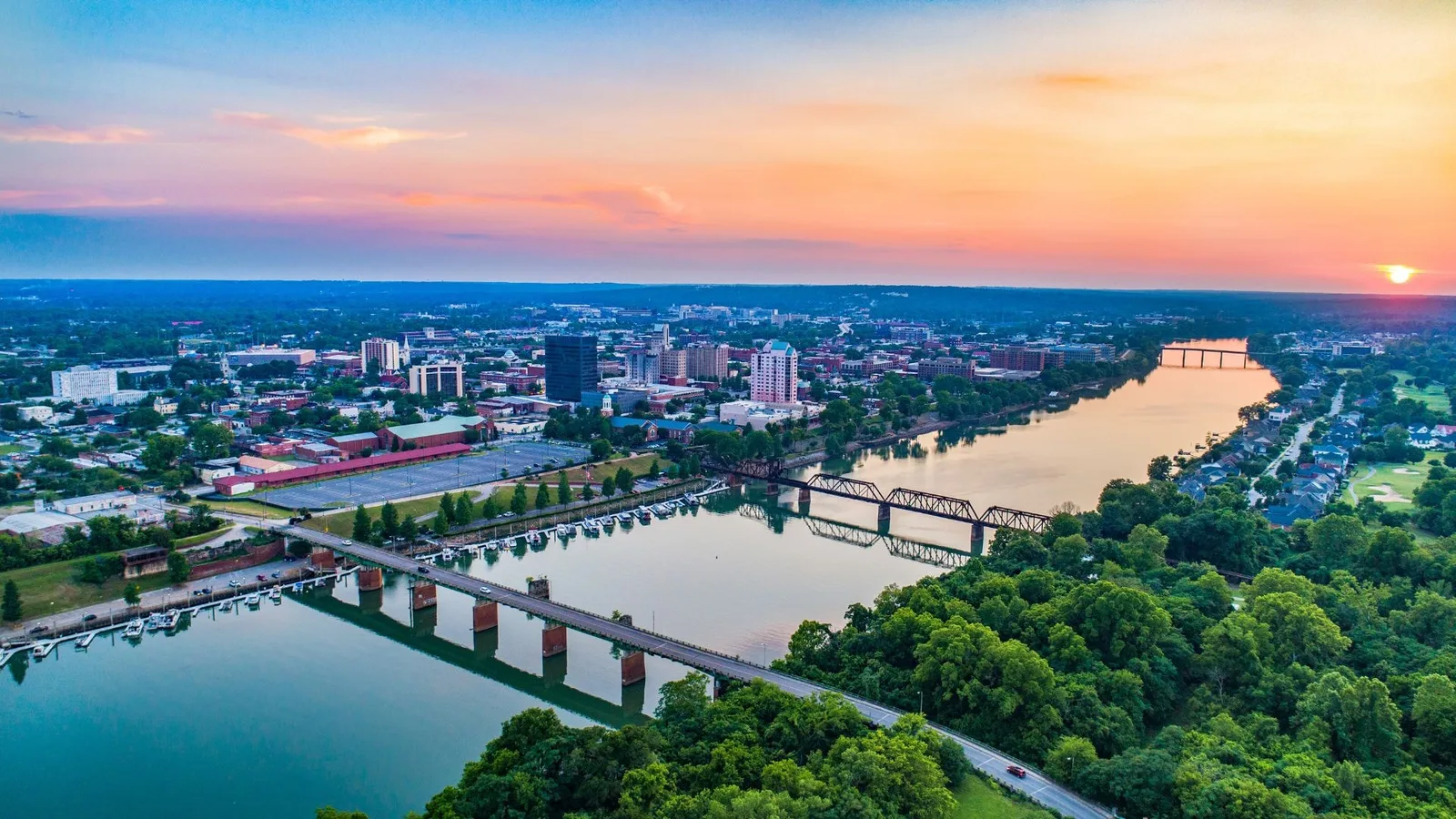
What would you do if you walked into your Evans home tomorrow morning and found two inches of water covering the basement floor? Property damage rarely announces itself politely. It arrives during a Columbia County thunderstorm, after a water heater fails overnight, or when a kitchen fire fills every room with acrid smoke.
Restoration work in Evans, Georgia covers a connected group of emergency services, each addressing a different form of loss:
- Water Damage Restoration - extraction, structural drying, and moisture mapping after leaks, pipe breaks, and storm intrusion
- Flooded Basement cleanup - pumping standing water, drying foundation walls, and treating saturated framing and flooring
- Sewage Cleanup - removal of contaminated water and materials, followed by antimicrobial treatment and disinfection
- Fire Damage Restoration - structural assessment, debris removal, cleaning, deodorizing, and rebuilding fire-affected areas
- Smoke Damage Restoration - soot removal from surfaces, HVAC cleaning, and odor neutralization deep in porous materials
- Mold Removal - containment, remediation, and correction of the moisture source feeding the growth
The benefit of handling these under one roof is simple: water damage frequently becomes a mold problem, and fire damage almost always involves water from suppression efforts. IICRC certified crews with 24/7 emergency availability shorten the window in which secondary damage takes hold across Evans neighborhoods.
Common Damage Restoration Issues in Evans, Georgia
Evans sits in the humid subtropical climate of the central Savannah River area, where warm air holds moisture for months at a stretch. That single factor drives most of the restoration calls in Columbia County.
Local Conditions That Trigger Damage
- Heavy summer convective storms dumping rain faster than yard grading and gutters can move it
- Tropical systems tracking inland from the Atlantic coast, bringing days of saturating rain
- Clay-heavy soils that hold water against foundation walls rather than draining it away
- Aging cast iron and clay sewer laterals in older sections that crack, root-invade, and back up
- Winter cold snaps freezing unprotected hose bibs, crawl space lines, and garage plumbing
- Space heaters, fireplaces, and cooking fires concentrated in the December-February window
Warning Signs Evans Homeowners Should Not Ignore
- A musty smell in a basement, crawl space, or closet that returns after you air the room out
- Bubbling paint, cupped hardwood, or dark staining along baseboards
- Slow floor drains or gurgling toilets - often the first hint of a sewer backup
- Visible mold at wall-floor junctions, behind furniture, or around HVAC registers
- Lingering smoke odor weeks after a small fire, indicating soot residue inside ductwork
- Efflorescence, the chalky white powder that signals water passing through block or concrete
Mold and mildew growth is the far-reaching consequence of untreated water damage, and in this climate it can begin establishing itself within a day or two of a wetting event.
Neighborhoods We Serve in Evans
Coverage extends across Evans and the surrounding Columbia County and Augusta metro communities:
- Riverwood Plantation and the Hardy McManus Road corridor
- Jones Creek and surrounding golf community subdivisions
- Bartram Trail and West Lake area neighborhoods
- Belair, Belair Hills, and the Washington Road commercial district
- Cambridge, Crawford Creek, and Southhampton
- Neighborhoods along Evans to Locks Road, Furys Ferry Road, and North Belair Road
- Nearby Martinez, Grovetown, Appling, Harlem, and north Augusta neighborhoods
Response also covers commercial properties - retail centers along Washington Road, medical and professional offices, schools, churches, and multi-family buildings. Knowing local street layouts, subdivision drainage patterns, and utility access points helps crews reach flooded basements and fire-damaged structures quickly, whether the call comes at 2 p.m. or 2 a.m.
Seasonal Damage Patterns in Evans
Winter (December - February)
- Frozen and burst pipes during hard freezes, especially crawl spaces and exterior walls
- Peak season for fire damage restoration and smoke damage restoration from heating equipment, fireplaces, and holiday cooking
- Slow, steady rain keeping crawl spaces damp for weeks
Spring (March - May)
- Severe thunderstorms and hail driving water through roofs and windows
- Flooded basement calls rise as saturated clay soils push groundwater against foundations
- Mold growth accelerates as temperatures climb and humidity returns
Summer (June - August)
- Highest mold removal demand - indoor humidity, condensation, and undersized or failing AC systems
- Air conditioner condensate line clogs causing hidden ceiling and wall water damage
- Sudden downpours overwhelming storm drains and sewer lines, leading to sewage cleanup
Fall (September - November)
- Tropical storm remnants delivering multi-day rain events
- Clogged gutters from leaf fall redirecting water into basements and crawl spaces
- First fireplace and furnace use of the season revealing flue and chimney fire hazards
Housing Characteristics & Restoration Considerations
Evans grew rapidly from the 1980s onward, so the housing stock skews newer than much of the Augusta area - though there is real variety, from mid-century ranches to homes finished in the last few years.
Common Construction Types
- Slab-on-grade brick and vinyl homes - water spreads laterally under flooring, requiring moisture meters and mapping rather than guesswork
- Crawl space foundations - vulnerable to standing water, insulation saturation, and subfloor mold that never shows up in living areas
- Finished walk-out and daylight basements - drywall, carpet, and cabinetry take on water fast during storm intrusion
- Two-story homes with upstairs laundry - a single supply line failure can damage three levels at once
- Older ranch homes - original plumbing, aging sewer laterals, and outdated electrical raise both water and fire risk
How Construction Shapes Restoration
- Engineered hardwood and laminate over slab typically require removal, while solid hardwood may respond to specialized drying mats
- Blown insulation in attics absorbs smoke odor and generally needs replacement after a significant fire
- Tight, energy-efficient envelopes trap moisture, making controlled dehumidification more important than open windows
- Basement drywall is cut above the waterline so wall cavities can dry before reconstruction
- Sewage cleanup in crawl spaces means removing contaminated vapor barrier and insulation, not just extracting liquid
- Central return HVAC systems distribute soot and mold spores, so duct cleaning is a standard part of the scope
Environmental Conditions & Damage Implications
Evans averages roughly 45 to 48 inches of rain a year, with high summer dew points and mild winters. Those conditions shape every stage of restoration work.
Climate and Humidity
- Summer indoor humidity often exceeds the 60 percent threshold where mold thrives
- Commercial dehumidifiers and air movers do the work that open windows cannot
Soil and Groundwater
- Piedmont red clay expands when wet and shrinks when dry, stressing foundation walls and creating seepage paths
- Poor percolation keeps water sitting beside footings after heavy rain - a leading cause of flooded basements
- Shallow water tables in low-lying pockets near creeks and the Savannah River corridor add hydrostatic pressure
Water and Air Quality Factors
- Sewage backups introduce Category 3 contamination requiring full disinfection and disposal of porous materials
- Pollen-heavy spring air combines with smoke residue to worsen indoor air quality after a fire
- Soot particles are acidic and continue etching metal, glass, and finishes until properly cleaned
- HEPA filtration and air scrubbers reduce airborne spores and particulates during mold removal and smoke damage restoration
Understanding these local conditions means drying targets and containment strategies are set for Georgia humidity, not a generic national standard.
Emergency Response Timelines and What Happens First in Evans
The first hours after discovering damage matter more than anything that follows. Water migrates, soot sets, and mold begins colonizing damp organic material quickly in this climate.
What to Do Before Crews Arrive
- Make sure the building is safe to enter - never wade into standing water near electrical panels or outlets
- Shut off the main water supply if a pipe or appliance line has failed
- Avoid contact with sewage-contaminated water and keep children and pets out of the area
- After a fire, wait for clearance before entering - structural stability and air quality must be checked
- Photograph damage for your insurance claim, then avoid moving items unnecessarily
- Do not run the HVAC system after a fire or in a mold-affected area, since it spreads contamination
The Restoration Process
- Inspection and assessment - moisture meters, thermal imaging, and contamination categorization
- Water extraction or debris removal - truck-mounted pumps for flooded basements, controlled demolition after fire
- Drying and stabilization - air movers and dehumidifiers with daily moisture readings until dry standards are met
- Cleaning and deodorizing - soot removal, antimicrobial application, HEPA vacuuming, and duct cleaning
- Reconstruction - drywall, flooring, trim, cabinetry, and paint to return the property to pre-loss condition
Documentation runs alongside the physical work. Moisture logs, photographs, and itemized scopes support insurance claims for water damage, sewage cleanup, fire and smoke losses, and mold remediation. Local crews serving Evans, Martinez, Grovetown, and greater Columbia County operate around the clock, because a Saturday night sewer backup cannot wait until Monday.





